
France and Germany aim for a 90% CO2 target by 2035, without compensating for the rest of the emissions.
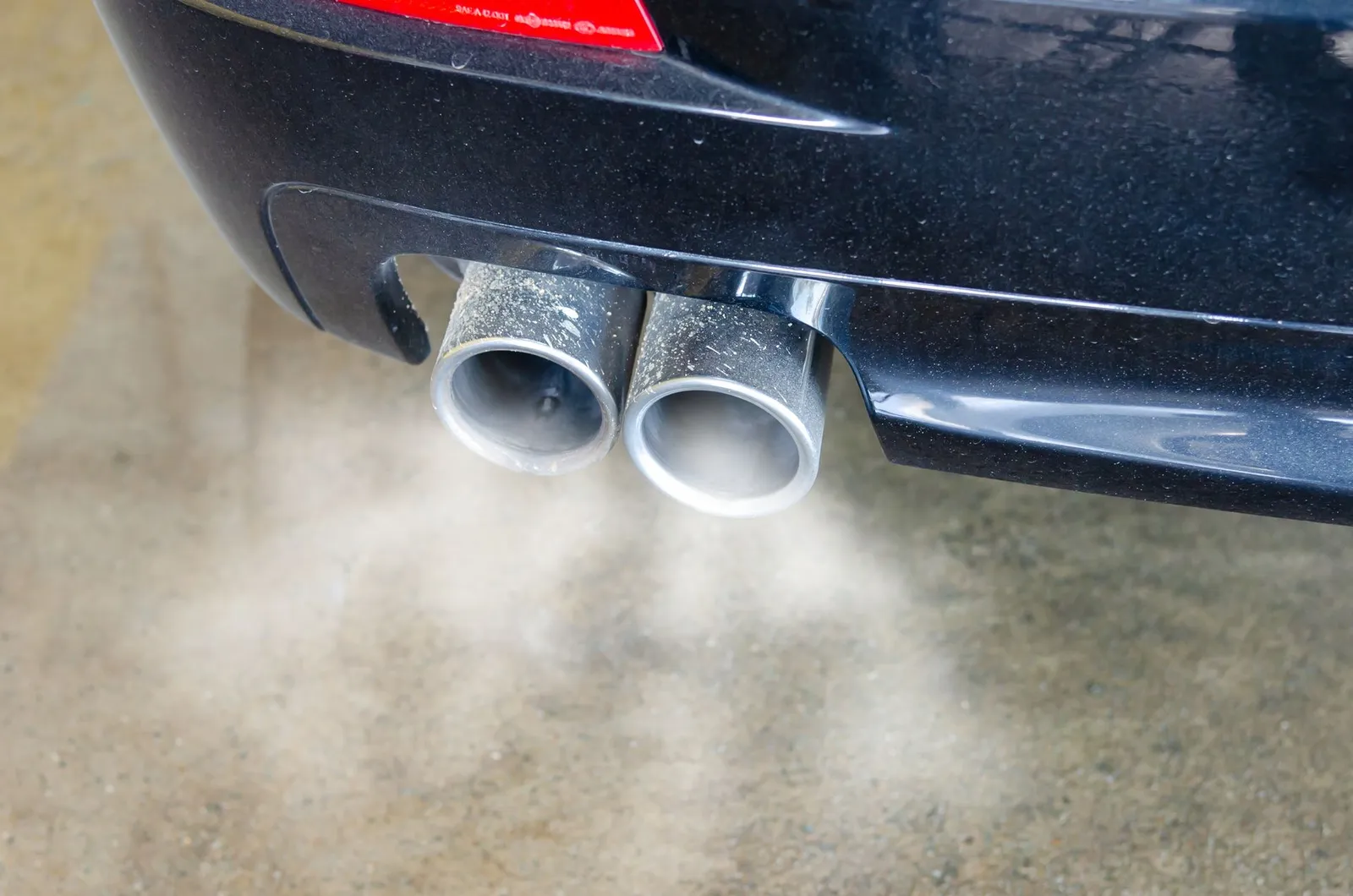
France and Germany agreed on October 16, 2026, to a common position ahead of negotiations on the EU’s automotive package. They propose that manufacturers reduce CO2 emissions from new cars by 90% by 2035, instead of the currently planned 100%. The remaining 10% would not need to be offset.
For now, this is not a decision by the European Union but an initial agreement between Paris and Berlin as described by Der Spiegel. The document is intended to serve as a basis for further discussions on the Auto Package.
The target remains at 90%, but offsetting is removed
Just a week earlier, German media suggested more relaxed regulations. Handelsblatt wrote about lowering the target by another 10 percentage points, which, considering offset mechanisms, could mathematically result in at least an 80% reduction.
The document cited by “Spiegel” suggests otherwise. The target is set to remain at 90%, similar to the European Commission’s proposal from December 2025. The key change is that manufacturers would not need to offset the remaining 10% of emissions. Thus, the proposal by France and Germany goes further than the Commission’s plan.
The authors of the agreement attribute this adjustment to “significant technological, economic, and geopolitical changes” since the current regulations were adopted. The document also refers to the increasing use of renewable fuels in existing fleets. In practice, leaving 10% of emissions uncompensated would create some room for new gasoline-powered cars after 2035. However, the document does not specify how many such cars should be sold or which engines could benefit from this.
Germany is yielding on European production
The agreement is a political exchange. Emmanuel Macron agrees to relax the CO2 target, despite previously opposing it. Friedrich Merz, on the other hand, is expected to accept stricter “Made in Europe” requirements under the planned Industrial Accelerator Act.
France and Germany want to more closely tie public support to European car production. Government subsidies would primarily go to projects that create added value in Europe. That’s where the specifics end. The preliminary document does not explain what proportion of components or production is required to consider a car as European.
The proposal has already faced criticism. Susanne Goetz from Transport & Environment called it a “historical mistake” and said the agreement would significantly slow down sales of electric cars. SPD MEP Tiemo Wölken, on the other hand, stated that weakening the target without compensation would make achieving climate goals for transport “highly unlikely or impossible.”
Now the proposal must move to the EU level. Only negotiations will show whether other countries and the European Parliament will agree to a 90% reduction without addressing the missing 10%.
LovEV Newsletter
Want more content like this?
Sign up — we’ll send you a weekly summary once the newsletter starts.