
This new hybrid engine consumes less than 3 liters per 100 kilometers, and Toyota aims to earn over 1,500,000,000 euros with it.
07/11/2026 22:00
Updated to
07/11/2026 22:00
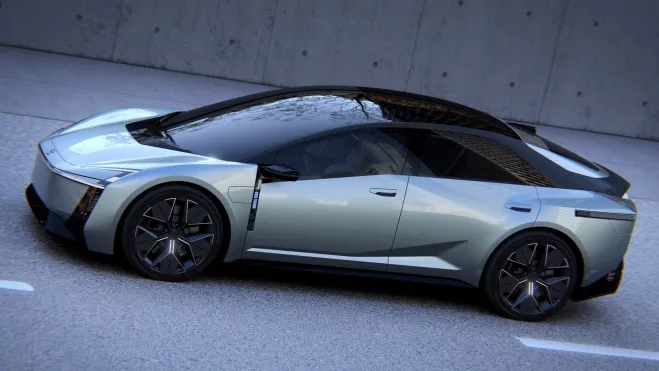
It’s rare for a car with such a rich history to change so much from one generation to the next. The Toyota Corolla, the world’s best-selling vehicle, will introduce its thirteenth generation before 2030, featuring a design and technical platform that are completely different from those of the current compact model. A preview of this new version was the Corolla Concept, which the Japanese brand showcased last year at the Tokyo Motor Show.
Besides a radically new design, the most interesting features will be found under the hood. The new Corolla will be the first to use a “multi-path” platform that accommodates various types of engines, including a 100% electric engine for the first time, and it will introduce a hybrid system that could be much more efficient under normal conditions than the current one, which already consumes very little fuel. In everyday use, it might use less than 3 liters per 100 kilometers.
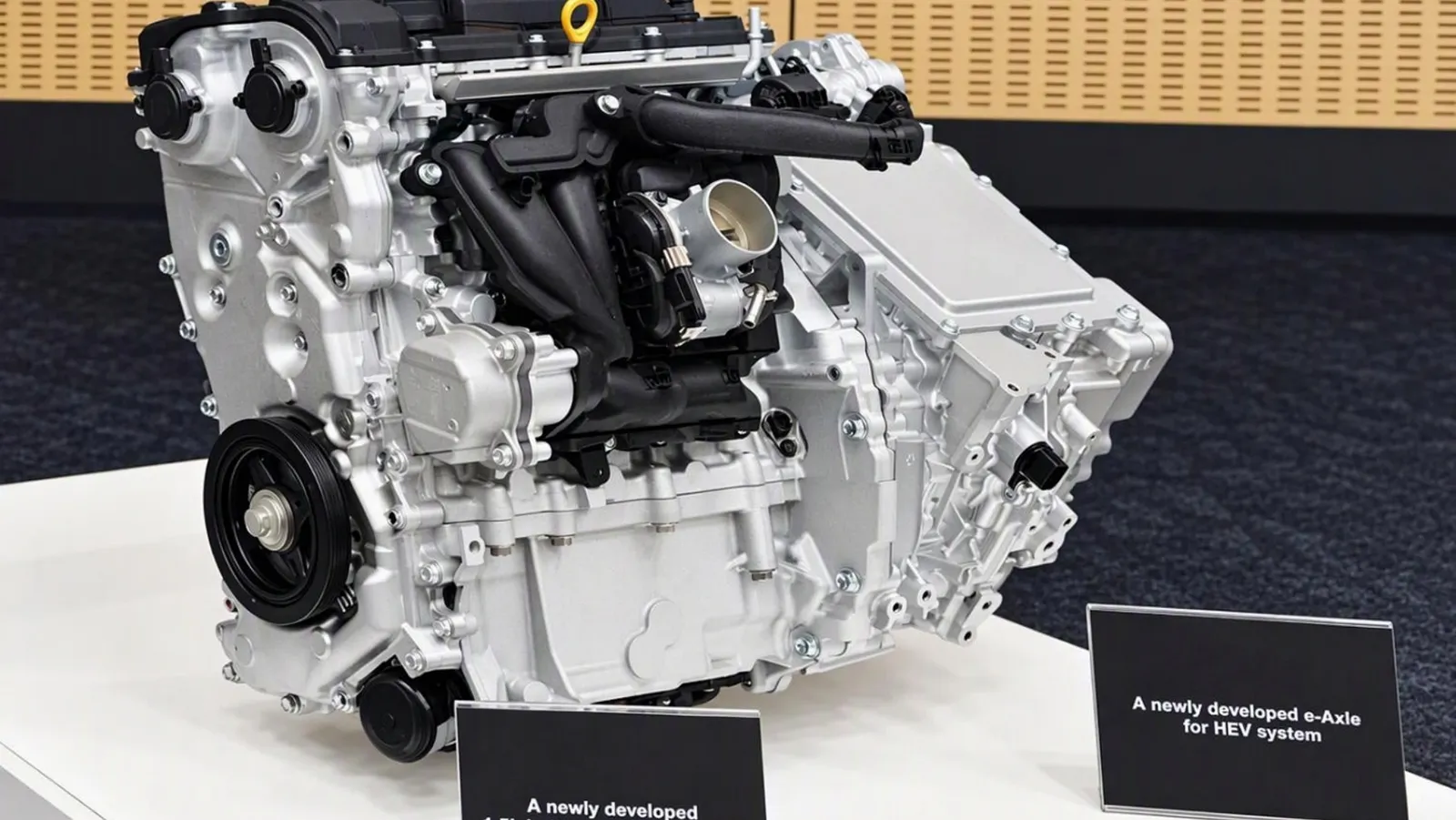
A smaller 1.5-liter four-cylinder engine compared to the current three-cylinder one
The heart of the new hybrid is a 1.5-liter four-cylinder gasoline engine that can operate with or without a turbocharger. Although it has one more cylinder, it takes up 10% less space than the 1.5-liter three-cylinder engine currently used in the Yaris and Aygo X. The electrical components are also more compact, thanks to a new engine along with a smaller inverter and power control unit.
According to Toyota Europe’s official statement, the turbocharger-free version will match the performance levels of the current hybrids equipped with the 1.8-liter engine and the 1.5-liter three-cylinder engine. The brand aims to achieve more than 15% better fuel efficiency through reduced friction, improved heat management, lower electrical losses, and a more aerodynamic body design. The Japanese manufacturer even claims an incredibly low real-world fuel consumption, with some sources suggesting around 3 liters per 100 kilometers.
Where does the figure of less than 3 liters come from?
Toyota has not provided official fuel consumption figures. The estimate is based on the current Aygo X, which in real-world conditions consumes around 3.3 liters per 100 kilometers; with a 15% improvement, the new system would be around 2.8 liters. This figure should be taken with caution, as the Aygo X is an urban car while the Corolla is a larger and heavier compact car. For reference, the Corolla sold in Spain today has a fuel consumption of 4.6 to 4.7 liters under the European WLTP protocol.
A platform designed first for electric vehicles
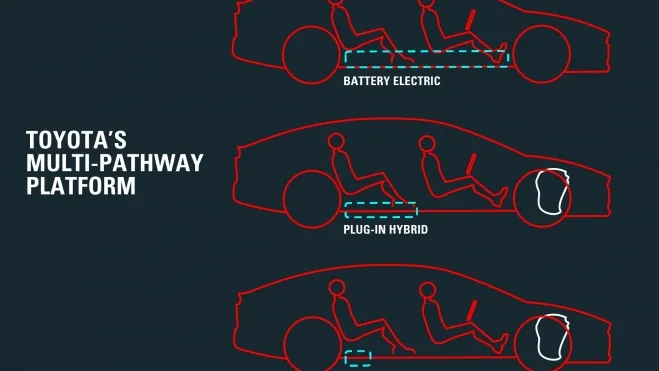
Toyota describes the new platform as “EV-first,” meaning it is designed primarily for electric vehicles. Thiebault Paquet, head of R&D at Toyota Europe, puts it this way: “Electric vehicles have the highest demands. If we want them to be efficient, we need the best possible aerodynamics and efficient use of space, so we decided this should be the base platform.”
With a smaller mechanical setup, the combustion engine versions will have the same interior space as the electric ones, and the hood can be lowered, improving aerodynamics and reducing fuel consumption. Additionally, all versions can be produced on the same assembly line, allowing Toyota to invest less in adapting its factories and to adjust production to meet each market’s needs.
A hybrid Toyota wants to sell to other brands
To recoup some of its investment, Toyota wants to sell this hybrid system to other manufacturers. “Because it’s so compact, it can be integrated into the platforms of other brands,” explains Timothy D’Herde, Toyota’s engine manager. The company is already in talks with potential customers, including at least one British manufacturer that hasn’t been revealed. Lotus has been using Toyota engines in its lightweight sports cars for over 20 years, but the Emira will replace its Japanese-made V6 with a hybrid system from Horse, the engine company of Renault and Geely, in the coming years.