
Starting in 2035, the EU requires a 100% reduction in CO2 emissions from new cars. This does not apply to used cars.
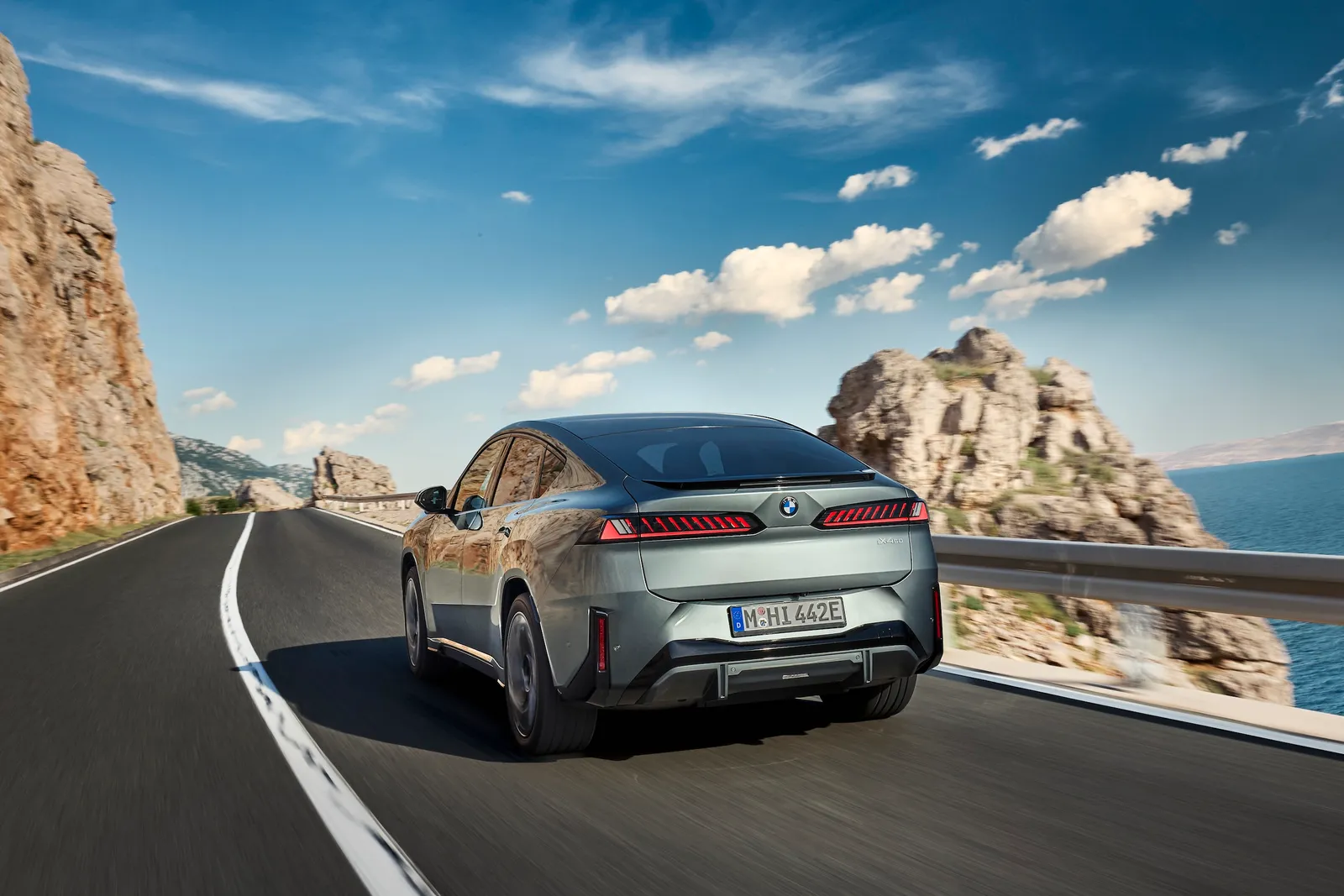
"Ban on diesel cars by 2035" is an abbreviation. Regulations adopted in 2023 as part of the Fit for 55 package require that new passenger and commercial vehicles sold in the EU emit 100% less CO2 than in 2021, meaning practically zero. This does not apply to existing vehicles or the used car market. In fact, the target has been softened: in December 2025, the European Commission proposed 90%.
How the fleet standard works
The law does not ban a specific propulsion technology. It sets a fleet average, which is the average emissions of all new cars from a given manufacturer sold in a particular year, with heavy penalties for exceeding it. The timeline is phased. By 2030, the average emissions of new passenger cars must drop by 55% compared to 2021, and those of trucks by 50%. By 2035, both figures must reach 100%, and since every gasoline or diesel engine emits CO2, such a vehicle will not fit within the limits. This also applies to conventional hybrids and plug-in hybrids (PHEVs), as they still have an internal combustion engine.
The regulations for 2035 apply only to the registration of new vehicles.
A gasoline or diesel car purchased in 2034 will be able to be legally used for many years before being sold, as the EU does not require the mandatory withdrawal of internal combustion engines from roads. Clean transport zones are a separate matter: they stem from national regulations and local government decisions, determining what Euro standard a vehicle must meet to enter them.
For those planning to buy a car in the coming years, this deadline doesn’t change much, as internal combustion engines and hybrids will still be available in showrooms for several more years. However, the 2030 standards will force manufacturers to include significantly more electric vehicles in their sales, which should expand the EV offering and intensify price competition. It’s difficult to predict at this point how the end of new internal combustion engine registrations will affect used car prices.
A backdoor for e-fuels and a separate schedule for Britons
Before the regulations were adopted in 2023, Germany blocked the vote and demanded an exception for vehicles powered by e-fuels. These fuels are made from hydrogen produced using renewable energy and CO2 captured from the atmosphere, so their emission balance can be close to zero. The commission committed to preparing a registration pathway for vehicles that run solely on such fuels. In practice, this exemption means little today, as e-fuels are expensive, produced in small quantities, and most manufacturers are investing in electric vehicles. Advocates of technological neutrality have nevertheless used this as their argument.
Great Britain is outside the EU and has its own timeline. The government in London has reinstated 2030 as the deadline for selling new vehicles that are only gasoline or diesel powered; hybrids (including plug-in hybrids) can remain on the market until 2035, after which new vehicles must be fully emission-free.
Brussels relaxes the 2035 target
The slower-than-expected growth in electric vehicle sales, competition from Chinese brands, and the threat of penalties led the industry and some member states, including Poland, to demand greater flexibility. In 2025, the EU allowed targets to be calculated on an average basis for the years 2025–2027 rather than separately for each year. In December 2025, the Commission proposed reducing the 2035 target from 100% to 90%. The missing 10% would have to be compensated for by, among other things, low-emission steel produced in the EU, synthetic fuels, and biofuels, so some PHEVs and vehicles with range extenders (internal combustion engines that recharge the battery) might still be sold after 2035.
The proposal requires approval from the European Parliament and the EU Council. On November 4, the ENVI committee voted in favor of relaxing the limits by a ratio of 48 to 30, with two abstentions, setting a 2035 target of 95%. The industry and transport committees voted in the same way earlier. A vote by the entire Parliament is scheduled for December, after which the regulations still need to be negotiated with the EU Council.
LovEV Newsletter
Want more content like this?
Sign up — we’ll send you a weekly summary once the newsletter starts.