
Euro 7 will change the rules of driving for electric and hybrid vehicles as well
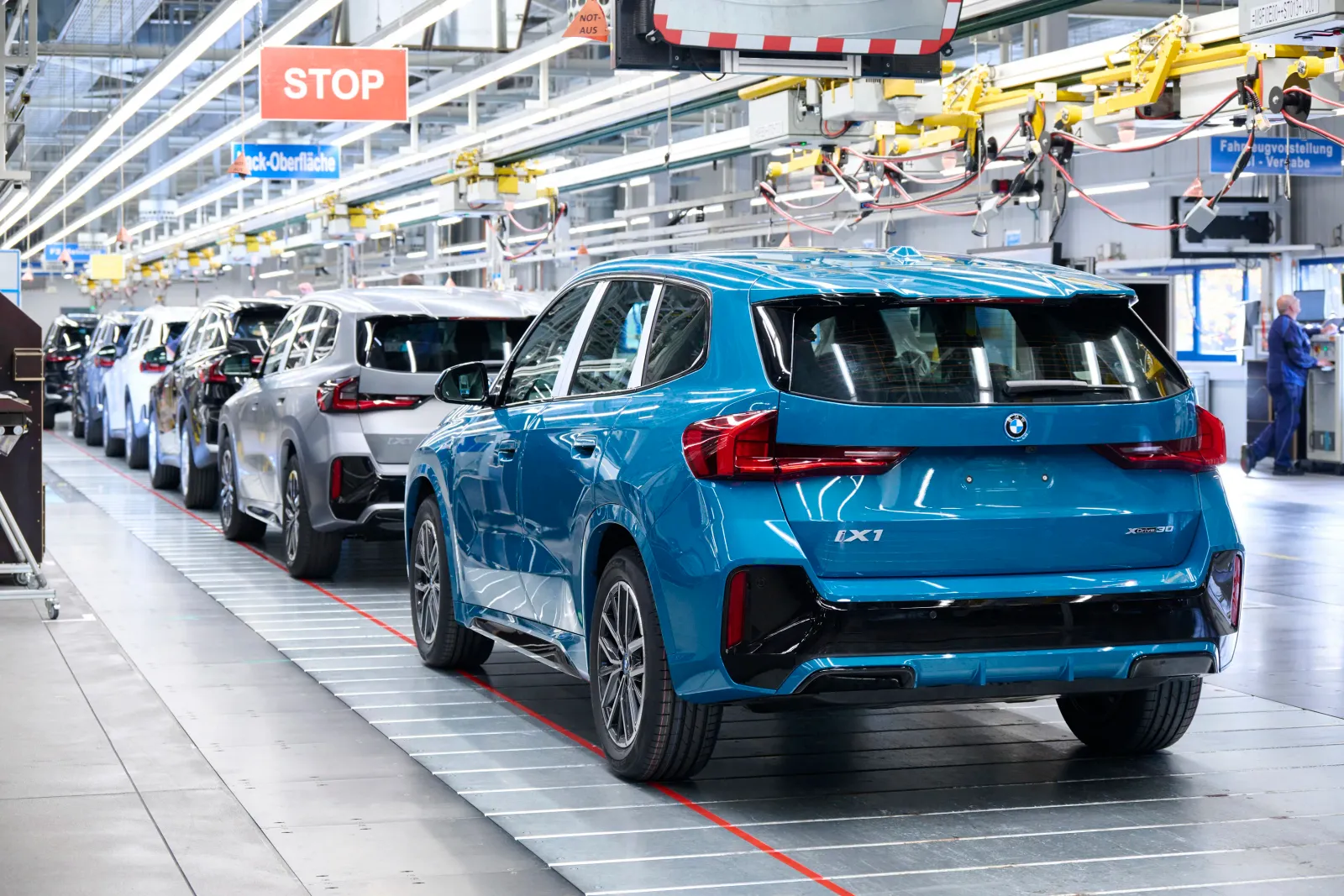
Starting from November 29, 2026, Euro 7 standards will come into effect for new passenger and commercial vehicle models. Interestingly, over the years emission regulations have primarily focused on gasoline and diesel engines, but this time significant changes will also affect electric vehicles and plug-in hybrids. The new rules introduce mandatory checks on the durability of traction batteries, limits on brake dust emissions, a digital vehicle environmental passport, and more detailed monitoring of operational parameters. We’ll take a look at what’s changing by the end of November!
For almost a decade, emission standards have applied primarily to vehicles equipped with conventional gasoline and diesel engines. Drivers of electric cars could observe successive tightening of regulations from a distance, as their vehicles do not officially emit exhaust fumes. But that is about to change with Euro 7, which will take effect for new approved passenger car models (i.e., those newly allowed to be sold – note by editor) starting November 29, 2026. This standard shifts the existing approach, as regulations regarding vehicles’ impact on the environment will for the first time cover electric and hybrid cars on such a wide scale as well.
As the European Commission emphasizes in Regulation 2024/1257, Euro 7 aims to “further reduce emissions of pollutants from exhaust gases and brakes by establishing stricter rules regarding emission limits, fuel and electricity consumption, as well as battery durability,” reads the official EU document. Experts note that these last two elements are particularly important for the electric mobility market.
EVs also emit, which is why Euro 7 focuses on brakes and tires
For M1 (passenger car) categories, the emission limit for brake dust is set at 3 mg/km for fully electric vehicles and 7 mg/km for most gasoline, hybrid, and fuel cell vehicles. This is the first time in the history of European emission standards that “electric cars” have been subject to specific emission limits for pollutants, adds Krupiński.
As environmental engineer Małgorzata Kocoń from BOŚ Bank notes, “EURO 7 not only reduces the allowable emission values from exhaust gases but also introduces limits for non-exhaust emissions, such as brake dust and tire wear for the first time.” The expert also reminds that particles from tires are now considered one of the most significant sources of microplastics entering the environment.
Batteries under control for many years
Regulations regarding the durability of traction batteries will be even more important for users of electric and plug-in hybrid vehicles. Until now, manufacturers have used their own warranty standards and methods for reporting battery condition. In other words, each did as they pleased. Now, Euro 7 establishes a common European benchmark for this vehicle component for the first time.
According to the regulations, the battery in an M1 category electric vehicle or plug-in hybrid must retain at least 80 percent of its original capacity for five years or 100,000 kilometers. After eight years of use or 160,000 kilometers traveled, this level cannot drop below 72 percent. The European Parliament emphasizes that the new rules introduce “minimum requirements regarding the durability of batteries in electric and hybrid vehicles.” This means manufacturers will be required to design batteries that ensure a certain level of performance over many years of use.
For the used market, this could be one of the most significant changes, as concerns about battery degradation are among the top barriers cited when purchasing a used electric vehicle – we covered this yesterday on Elektromobilni.pl. The introduction of uniform requirements should increase the predictability of the value of such vehicles and make it easier to compare offers – say industry experts cited by IBRM Samar.
Vehicle digital passport
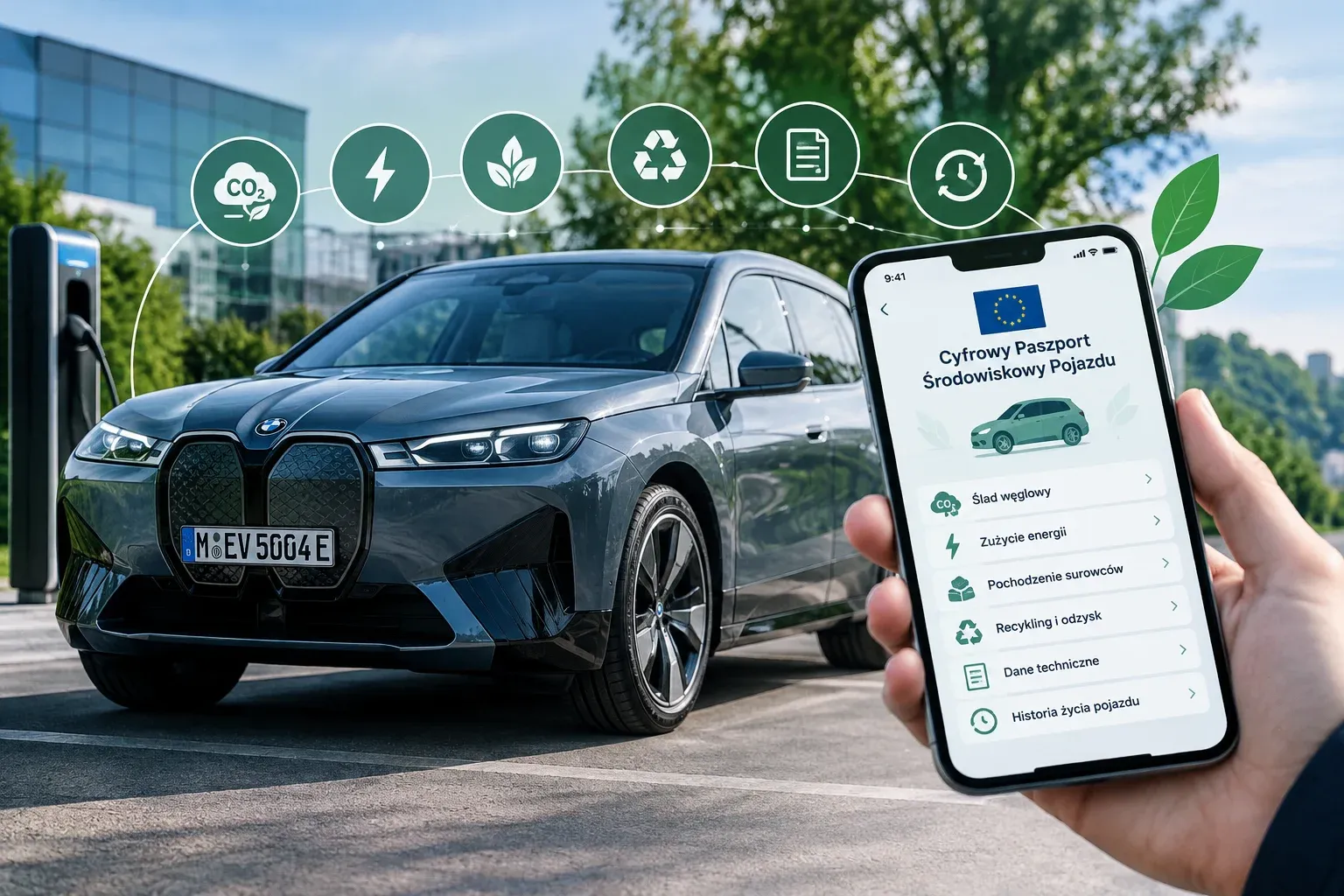
The next innovation is the Environmental Vehicle Passport (EVP), or vehicle environmental passport. Every new car meeting Euro 7 standards will be required to have such a document. According to the European Parliament, the passport should contain information on the vehicle’s environmental parameters at the time of registration, including pollution emission levels, CO₂ emissions, fuel and energy consumption, electric range, and battery lifespan.
As reported by Autoblog, access to the data will be provided through a QR code placed in the vehicle. After scanning it, users will gain access to an online card specific to that vehicle, linked to its VIN number.
For used electric vehicle buyers, this could be a particularly valuable tool. Even without contacting the seller, it will be possible to check details such as the vehicle’s homologation range, energy consumption, or electric drive parameters. The manufacturer will be required to provide access to this data for at least 20 years from the vehicle’s production date.
The car will report its own parameters
There is another new development. Since Euro 7 also mandates the use of onboard systems to monitor emissions as well as fuel and energy consumption, new cars must not only meet standards during homologation but also provide data confirming their parameters throughout their operational life.
The regulation states that manufacturers will be required to equip vehicles with monitoring systems and measures to prevent tampering related to emission control. For electric cars, this also means greater transparency regarding battery status and energy consumption — according to the Eur-lex website.
Will Euro 7 raise car prices?
This is a question asked by the entire automotive industry today. For electric and hybrid vehicles, manufacturers will have to bear costs associated with developing more durable batteries, implementing new monitoring systems, creating digital passports, and adapting braking systems to meet the new emission requirements — according to ADAC experts.
Let us also recall that the final version of Euro 7 turned out to be much less stringent than the initial proposals by the European Commission. For passenger cars, the existing emission limits from Euro 6 were retained, with only the measurement range for particulate matter expanded to include the PN10 fraction.
Eurodeputy Alexandr Vondra, the rapporteur for the proposal, said after an agreement was reached: “We managed to find a balance between environmental goals and the key interests of manufacturers. The aim of the negotiations was to maintain affordable new cars for consumers while allowing the automotive industry to prepare for the upcoming transformation of the sector. The European Union will now also address emissions from brakes and tires and ensure greater durability of batteries.”
The industry has not yet provided definitive estimates regarding rising production costs. However, it can be expected that some of the new requirements will be reflected in vehicle prices, but they should increase by at least a few hundred euros per unit, if not more. Meanwhile, manufacturers hope that greater battery durability and improved data transparency will enhance the appeal of electric cars on the used market, partially offsetting the additional expenses. We’ll see!
Greater transparency rather than a revolution
Let us not forget that Euro 7 was presented for many months as the next step in the fight against emissions. In fact, it was even used somewhat as a scare tactic. Yet its significance is also crucial for electric mobility, which grows stronger by the year — according to data from research firm Fortune Business Insights, the global electric mobility market, encompassing battery electric vehicles (BEV), plug-in hybrids (PHEV), and conventional hybrids (HEV), reached a value of $768.6 billion in 2025. Analysts predict it will rise to $981.2 billion by 2026, and by 2034 its value will reach $5.73 trillion, indicating an average annual growth rate of 24.7 percent.
The price increase certainly won’t be halted by Euro 7, even despite the planned price rises. Analysts say the new regulations establish comprehensive requirements for electric and hybrid vehicles for the first time, covering not only energy-related aspects but also battery lifespan, non-combustion emissions, and the availability of vehicle data.
What will change?
Drivers will primarily gain greater transparency and an easier way to assess a vehicle’s actual quality, but for manufacturers, Euro 7 represents additional high costs. On the other hand, it represents a step toward full accountability for a vehicle’s impact on the environment not only at the time of leaving the factory but throughout its entire lifespan.
Oskar Włostowski