
Germans prefer electric cars. One in three new cars already has electric power drive.
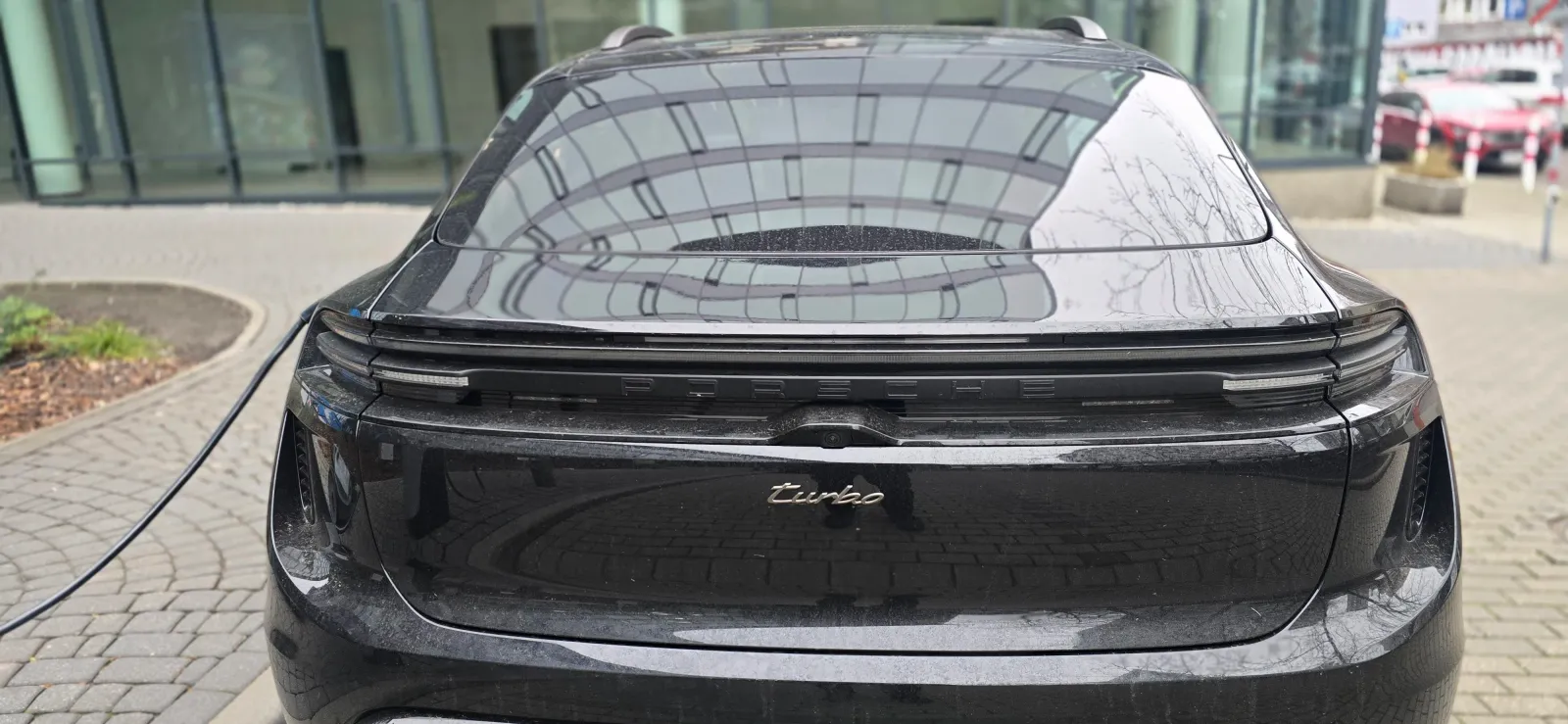
In the article:
- Electric cars achieved record sales in Germany.
- Why have subsidies become the driving force behind EV sales?
- Who is winning and who is losing the race for German customers?
Germany: One in three new cars now has electric powertrain
According to data from the Federal Motor Transport Authority (KBA), 254,492 new passenger cars were registered in Germany in October 2026, representing a 1.7 percent increase from the previous year. However, electric vehicles were responsible for all of this growth.
As reported by DPA, around 94,000 battery-powered cars were registered last month, indicating a nearly 80 percent year-on-year increase. Electric cars accounted for over one-third of all new registrations. Meanwhile, the number of registrations for gasoline and diesel cars declined significantly.
First such moment in German automotive history
Electrek highlights a particularly symbolic fact. For the second month in a row, Germany purchased more electric cars than gasoline and diesel vehicles combined. In October, 94,086 new electric cars hit the roads, while the number of registered gasoline vehicles was 38,516, and diesel vehicles 23,882. This means that internal combustion engine vehicles accounted for only 24.5% of the market, while electric cars alone made up 37%.
This is also a record figure in the history of the German market. Throughout 2025, electric cars accounted for about 19 percent. Yet after just ten months of 2026, over 698,000 electric vehicles have been registered, 60.7 percent more than the previous year — according to the portal.
Subsidies are changing the market
Experts have no doubts about what drives this sharp increase in demand. The German government has restarted a subsidy program for electric cars aimed primarily at individual consumers. The bonus can range from 3,000 to as much as 6,000 euros for households with lower incomes.
Constantin Gall, an analyst at EY cited by DPA, expresses a clear opinion on the situation: “The market is functioning, but it’s functioning mainly thanks to the subsidies.” He also warns that growth could slow down after the program ends.
This is confirmed by KBA data. Registrations by private customers increased by 20.6%, while fleet and business purchases dropped by 8.2%. It is private individuals who have become the main driving force behind the electric vehicle boom.
Who benefits from the electric revolution?
Paradoxically, it’s not just German manufacturers. According to the importers’ association VDIK, foreign brands are growing faster than the overall market. As the organization’s president, Imelda Labbe, stated, “The German passenger car market is developing positively, while international manufacturers are growing even faster.”
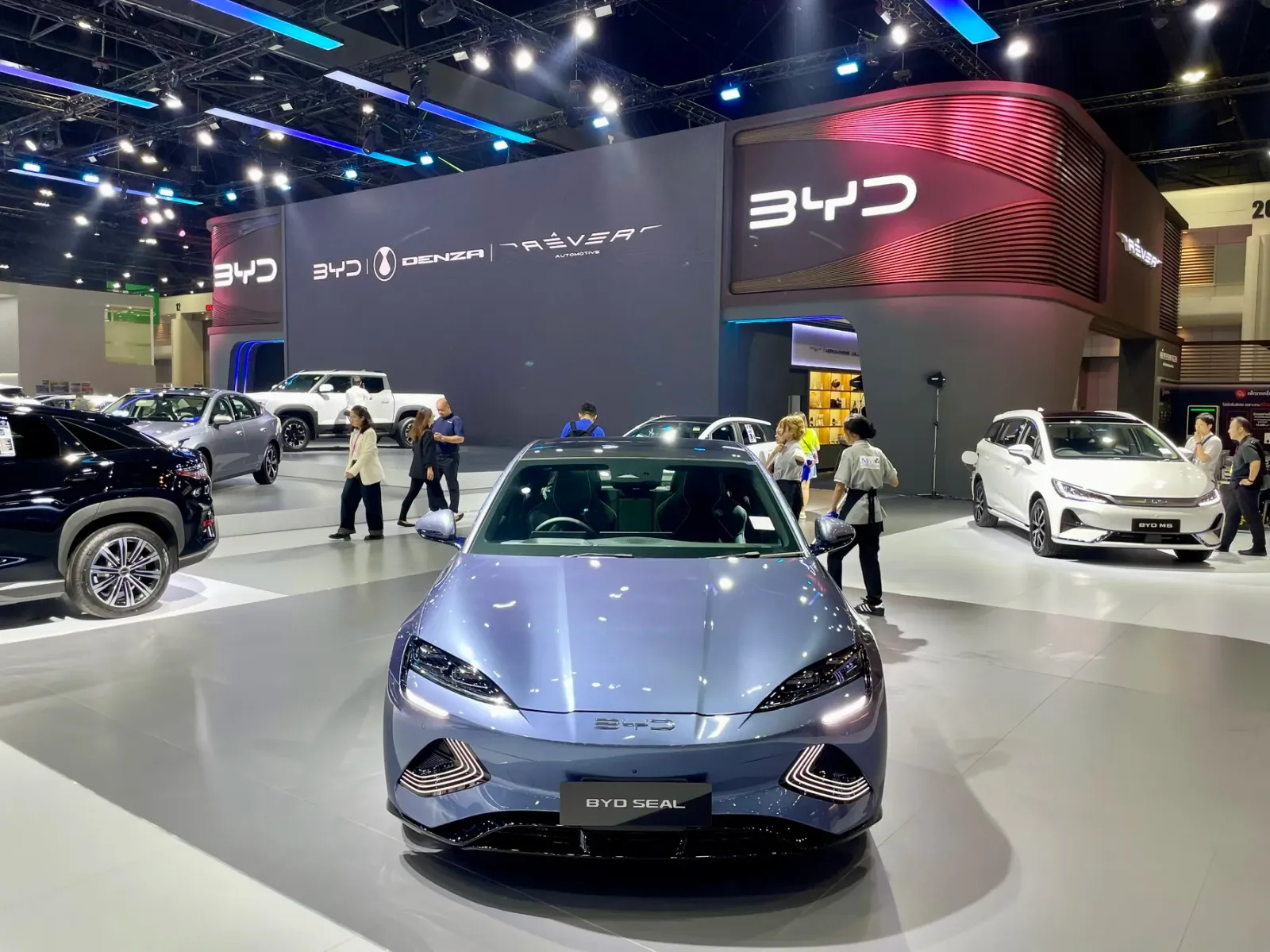
Today, one in every two electric cars sold in Germany comes from a foreign brand. Manufacturers from China are particularly driving up sales. According to EY’s analysis, their market share rose from 5.2% to 8.4%. Among the fastest-growing brands are BYD, Leapmotor, and Xpeng.
German manufacturing under pressure
Meanwhile, the automotive industry is facing difficulties. Data from Germany’s VDA association shows that car production dropped by 7% in October, to 326,300 vehicles. After ten months of the year, German factories produced 3.37 million cars, representing a 4% decline. Production remains about 15% lower than before the pandemic.
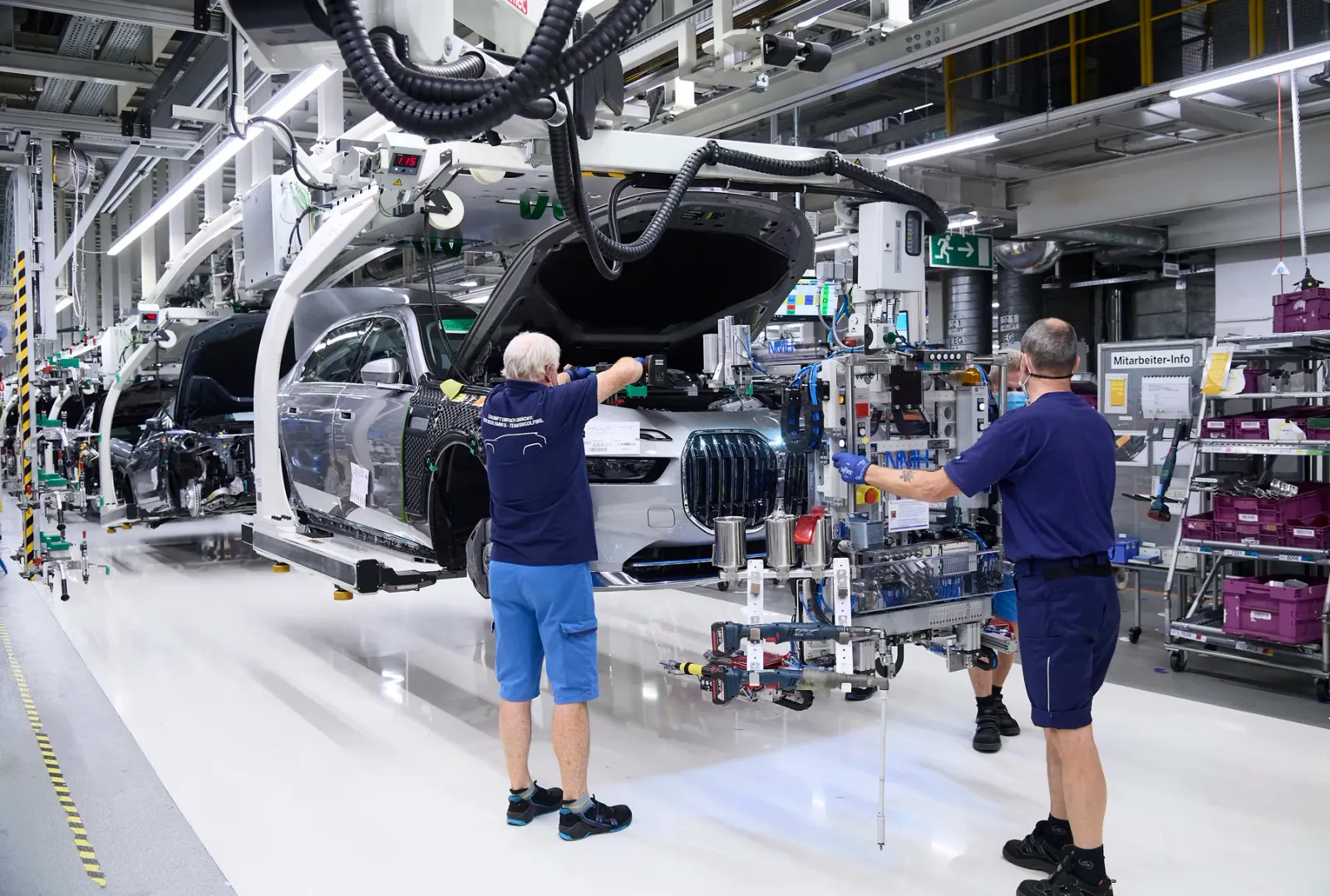
Experts emphasize, however, that the issue isn’t a lack of interest in electric cars. Many new models have long waiting lists, and manufacturers don’t always keep up with orders. This shows that demand already exists. Now the key question is which companies will be able to capitalize on it effectively.
Oskar Włostowski