
ZF CEO Miedreich: German Auto Industry Technologically “Very Well Equipped”
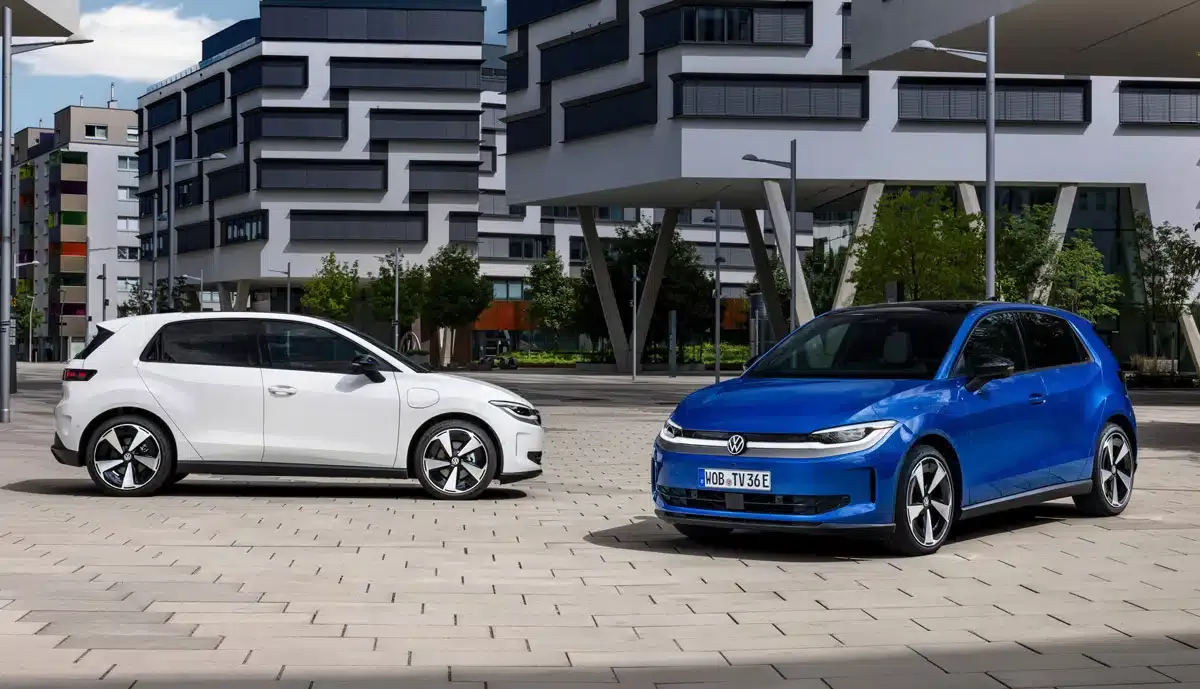
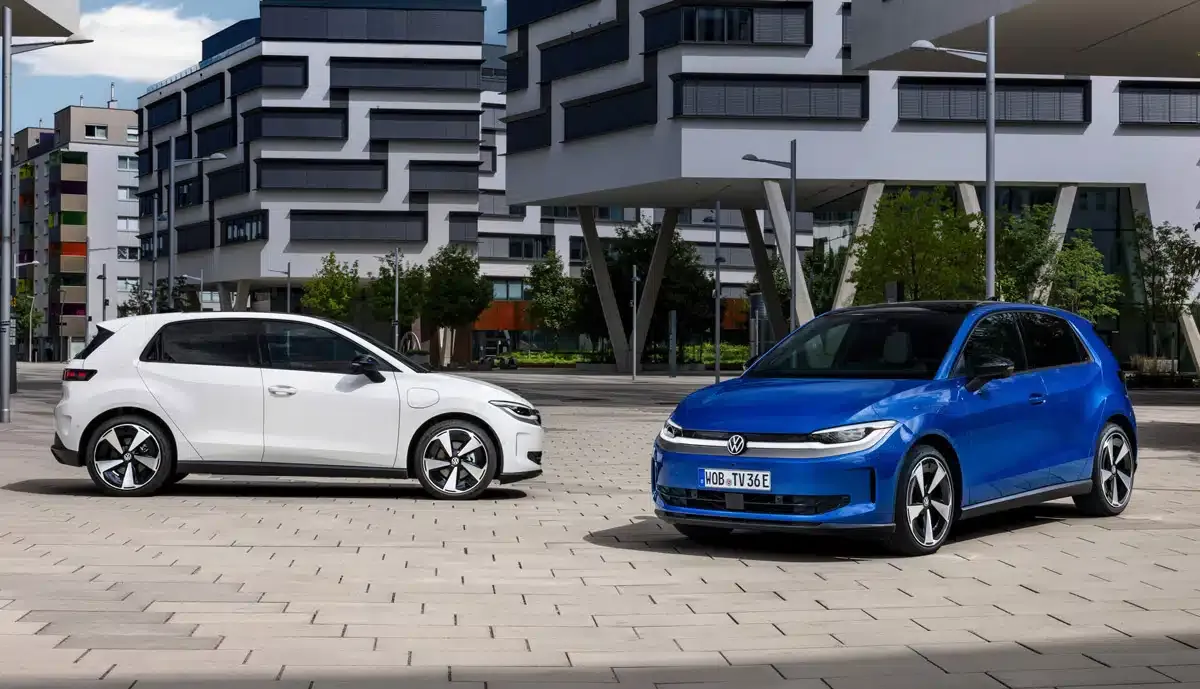
Image: VW
ZF’s new CEO, Mathias Miedreich, aims to make the supplier and technology company less dependent on the struggling automotive sector quickly in order to stabilize it. Already nearly 40 percent of its revenue comes from truck, industrial, and aftermarket segments. In the long term, Miedreich envisions a more balanced distribution of revenue between the passenger car business and the other areas.
ZF should continue to focus on technologies for acceleration, steering, braking, and suspension. In an interview with Auto Motor und Sport, Miedreich identified powertrain and chassis as two core areas. Powertrain technologies include gearboxes, hybrid transmissions, and electric mobility solutions.
Miedreich criticizes European legislation for lacking sufficient flexibility regarding drive technologies in his view. He considers the German automotive industry to be “very well equipped” technologically, but believes regulatory requirements threaten customers’ choice options. Buyers who want to opt for a hybrid vehicle initially due to uncertainties about charging are particularly affected.
Regarding the development of electric mobility, Miedreich warns against hasty predictions. Although sales of pure electric cars are rising again currently, this does not yet indicate a fundamental shift in trend. Instead of the rapid transition to electric drives originally expected, he now observes a more pragmatic approach with greater technological diversity.
ZF continues to focus on electric drive technologies, but also explicitly includes hybrid and plug-in hybrid vehicles in its considerations. Miedreich expects strong continued growth in electric mobility in China, as well as in Europe, where consumers are increasingly getting used to this technology. He is much more skeptical about developments in the United States.
In North America, some ZF customers have reverted to traditional internal combustion engine platforms with V8 engines and a displacement of over five liters. Regarding electrification, Miedreich anticipates full hybrids rather than plug-in hybrids there, as U.S. customers, according to manufacturers, have reservations about charging at home outlets. He sees affordable internal combustion engine vehicles mainly in the markets of South America, Africa, and Indonesia.
Also interesting
About the author
Thomas Langenbucher is an expert in electromobility with professional experience in the automotive industry and finance sector. Since 2011, he has been covering electric vehicles, sustainable technologies, and mobility solutions for ecomento.de. Learn more.
Reader interactions