
XPeng aims to make a big splash in Europe: its ambitious plan to sell more cars than Ford and Opel
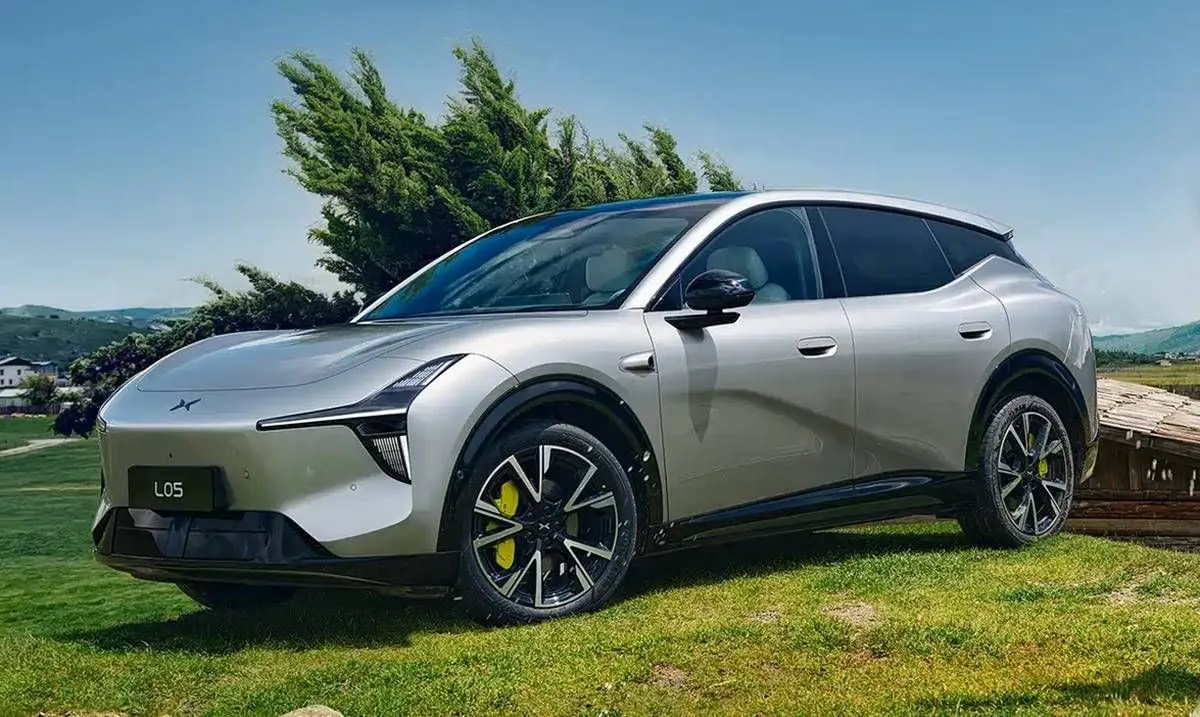
Chinese automakers have been expanding their presence in Europe for years, but some no longer settle for just a small share of the market. They aim to compete directly with traditional brands, and XPeng is one of the best examples. The Asian manufacturer used the Paris Motor Show to unveil a growth strategy that, if realized, would bring about significant changes in Europe’s automotive landscape.
The company, founded in Guangzhou, has presented projections that stand out due to the emphasis on Europe’s role in its operations. He Xiaopeng, founder and CEO of XPeng, has set the goal of selling one million cars worldwide by 2030, with half of those coming from the European market.
This means XPeng aims to sell 500,000 cars annually in Europe within just four years. For context, this figure would exceed the sales volumes of some established manufacturers that have been operating on our continent for decades.
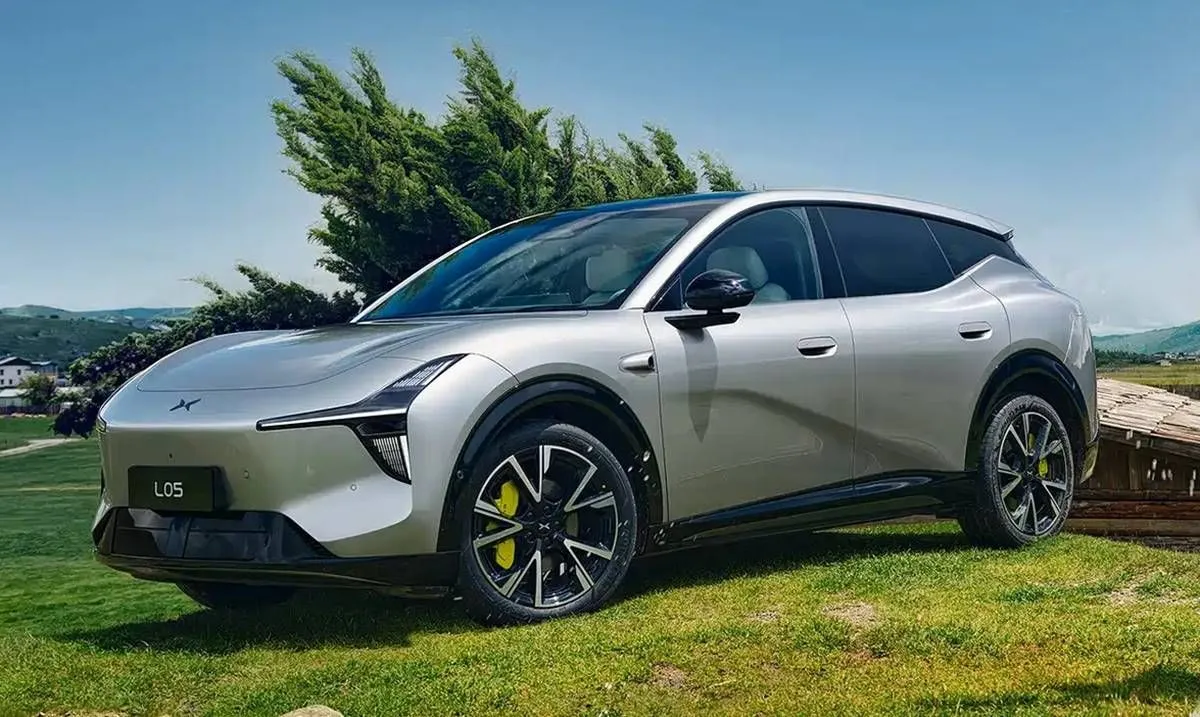
Ford sold slightly over 426,000 cars in Europe during 2025, while Opel sold around 400,000 units. Therefore, reaching half a million would allow XPeng to surpass the sales volumes of both brands, assuming they maintain similar figures to current levels.
The comparison is particularly striking when considering the Chinese manufacturer’s starting point. XPeng began its European adventure in Norway in 2020 and has since delivered just over 60,000 cars across the continent. In other words, it aims to go from a total sold over six years to selling more than eight times that amount in just one fiscal year.
It should be noted, however, that this is a business target, not a guaranteed forecast. To achieve it, XPeng will need to significantly expand its presence in key European markets, strengthen its dealership network, and make its brand familiar to a public that is still much more familiar with Volkswagen, Renault, Ford, or Toyota.
Manufacturing in Europe will be one of the keys to success
The XPeng G6, G9, and P7+ are already produced at these facilities, while the new G9L has just completed its first production tests. This partnership allows the Chinese manufacturer to have a European manufacturing base without having to bear, at least initially, the huge investment required to build its own factory from scratch.
In addition, manufacturing within the EU territory offers another significant advantage: reducing exposure to additional tariffs imposed by the European Union on electric cars imported from China. This is particularly important in a market where price remains one of the key purchasing factors, and where Chinese manufacturers need to stay competitive against their European rivals.
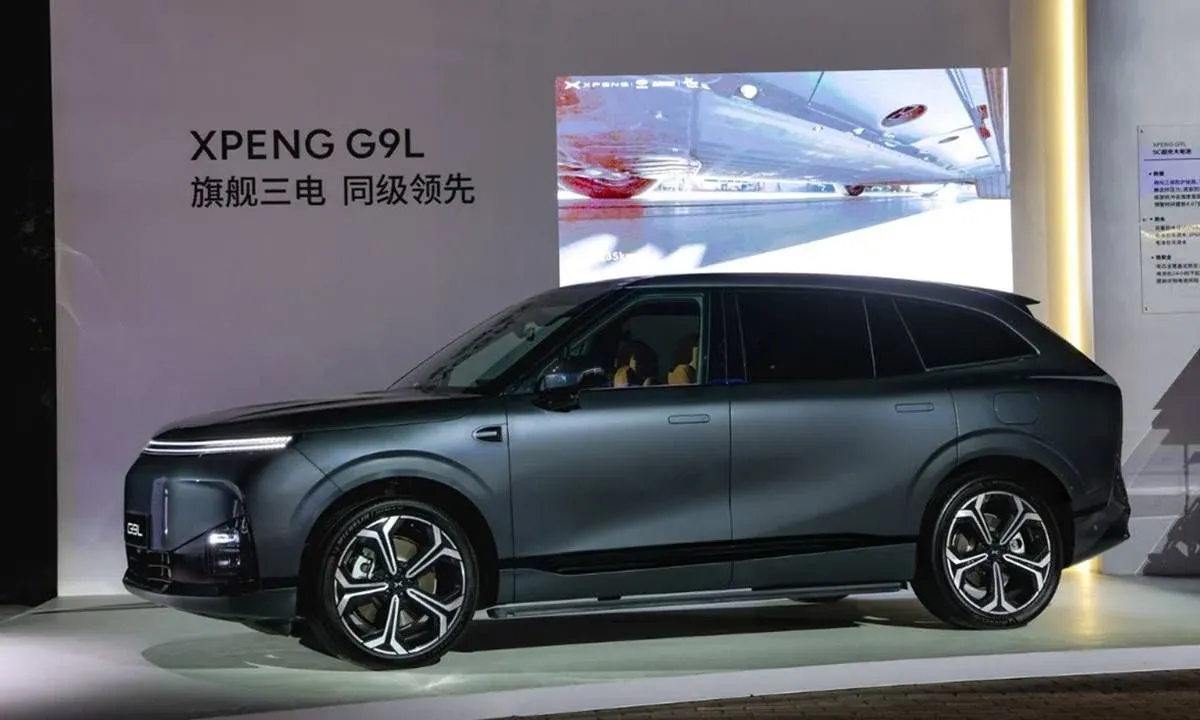
The problem is that the current production capacity is far from sufficient to meet XPeng’s ambitions. Therefore, the company is in talks with Magna to increase manufacturing volumes in Austria, while also exploring other industrial options within the continent. So far, however, no new investments have been confirmed.
In the meantime, the company’s financial results are improving. During the first nine months of 2026, XPeng managed to double its sales outside China, reaching approximately 59,500 units. This trend shows that its international expansion is gaining momentum, though there is still a long way to go.
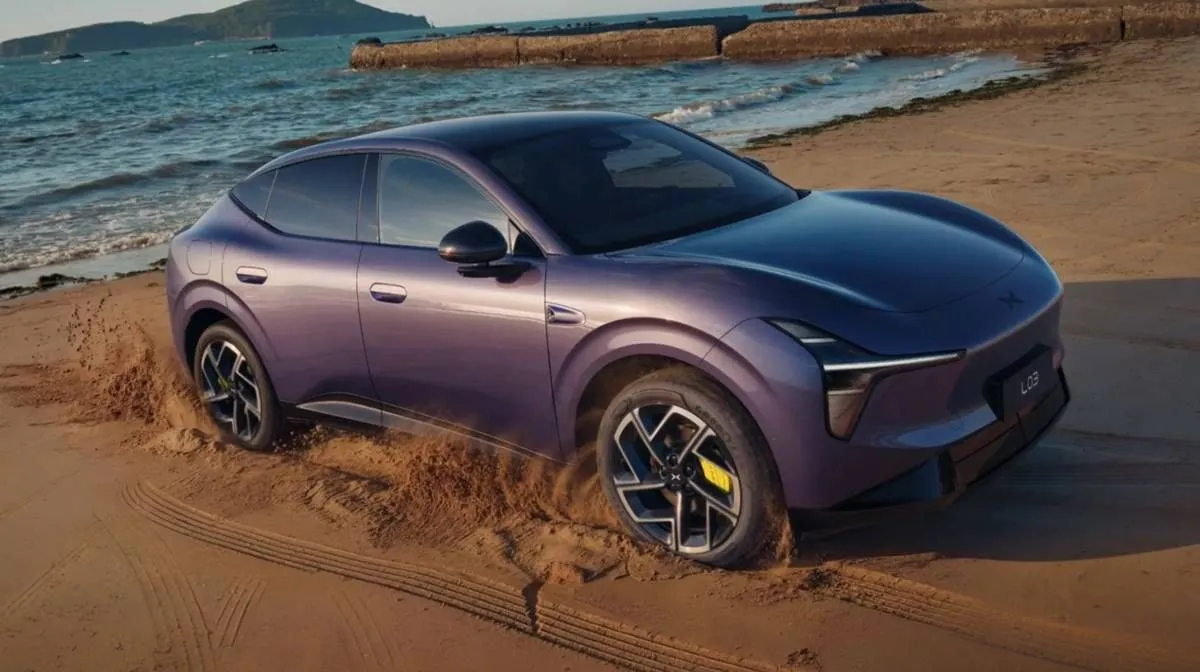
But one thing is to grow rapidly from relatively small starting points, and another entirely different thing is to become a manufacturer capable of competing in volume with mainstream brands. To achieve this, XPeng will need to expand its lineup with more affordable models, improve its sales network, and most importantly, develop a after-sales service network capable of meeting the needs of hundreds of thousands of customers.
This last aspect could turn out to be one of the biggest challenges. Traditional manufacturers have decades of experience, thousands of service centers, and an infrastructure that is difficult to replicate in just a few years. And although XPeng stands out for its technology, driving assistance systems, and fast-charging architectures, that alone does not guarantee commercial success.
In any case, the message sent from Paris is quite clear. XPeng no longer views Europe as a secondary market but rather as a key part of its future. And if it succeeds in meeting its goals, traditional brands will have a new high-volume competitor to keep an eye on.
The big question is whether it can achieve this in such a short time. Because going from being a still-niche brand to selling half a million cars per year in Europe requires more than just good products and an ambitious strategy. It demands an enormous industrial and commercial transformation.