
VW, Stellantis, and Renault form automotive troika against the Chinese automakers
The three automakers joined forces to pressure Brussels and protect the European industry. BMW and Mercedes fear Chinese retaliation.
The pressure from Chinese manufacturers is bringing together three of Europe’s largest automotive groups. Volkswagen, Stellantis, and Renault want the European Union (EU) to adopt measures that support local production and give brands more flexibility in transitioning to electric mobility.
The goal is to strengthen the European automotive industry at a time when Chinese competition is gaining ground and traditional automakers are facing high costs, narrow profit margins, and substantial investments in electrification.
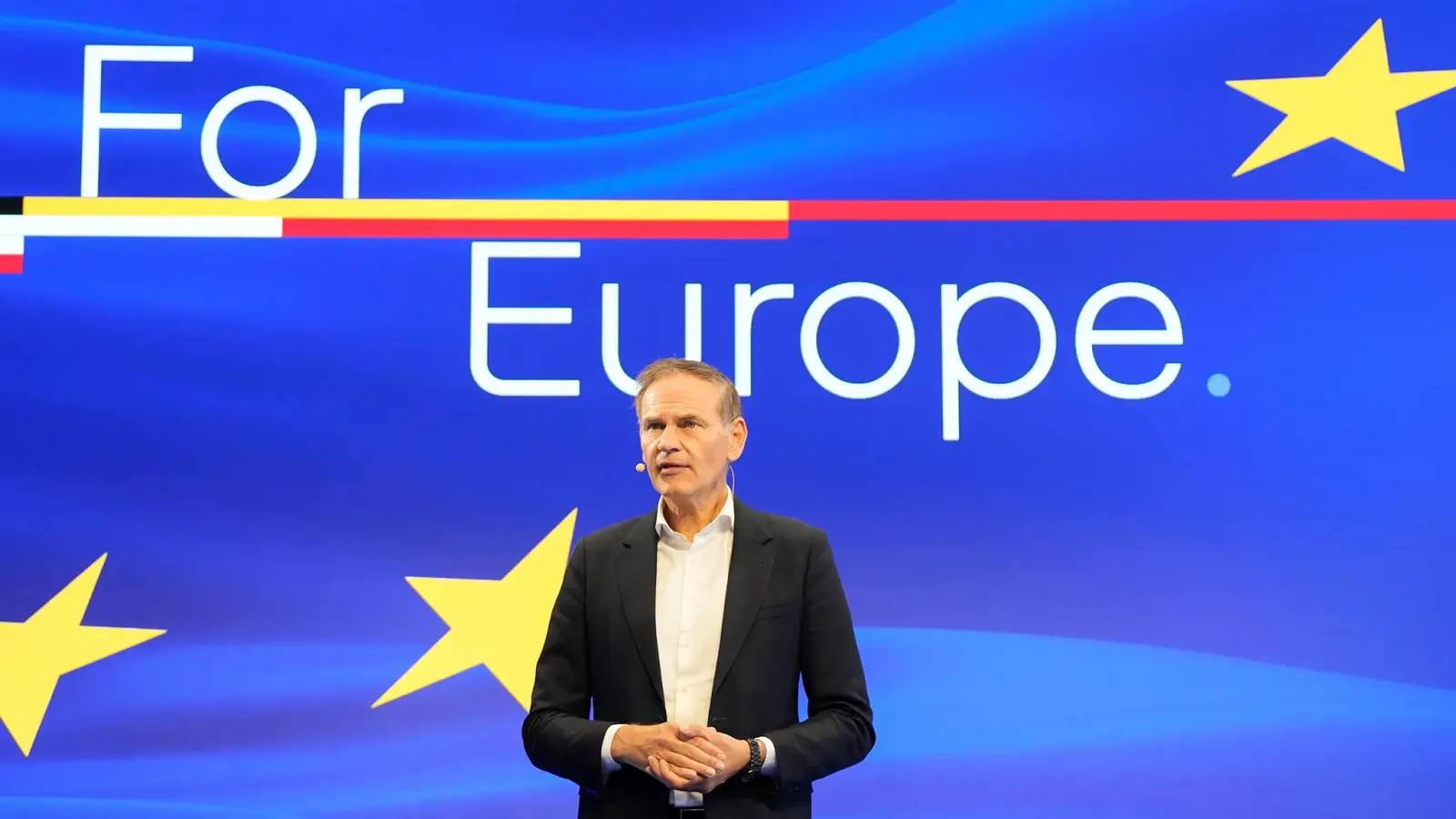
The growing alignment among the three groups became even more apparent during the Paris Motor Show. Volkswagen, which held a conference in Paris under the theme “For Europe,” took on the role of spokesperson for this automotive troika.
Oliver Blume, CEO of the Volkswagen Group, called for a coordinated response from the three manufacturers and emphasized that together they account for over 60% of European automobile production.
We represent more than 60% of European automobile production. We need to safeguard Europe’s industrial base, and we need to do it now. We sell a large number of cars with relatively low margins. This business model is under immense pressure in Europe,” he concluded.
A Response to Chinese Expansion
During the event, Philippe Brunet, head of technology at Renault Group, described the expansion of Chinese brands as a “tsunami,” warning about the speed at which they are capturing market share.
According to figures presented by Brunet, Chinese manufacturers rose from less than 2% of the European market in 2023 to 9.3% by the end of last month. He believes they could exceed 10% by the end of the year.
What Do They Want to Change?
The three groups advocate for more balanced competitive conditions and want European rules to take into account the impact of production and employment on local economies.
One of the proposals submitted by the three manufacturers to the European Commission in a joint letter sent in June relates to local content criteria for accessing incentives.
The idea is to allow, if 70% of a manufacturer’s vehicles meet the “Made in Europe” requirements in a given year, the entire fleet to benefit from incentives in the following year.
The goal of this Troika is to create a mechanism that supports European production without forcing manufacturers to reorganize their entire supply chain. They also call for measures that facilitate the development of more affordable electric vehicles.
Renault, Stellantis, and Volkswagen agree on the need to create specific incentives for smaller models, though they have different proposals regarding how these should be implemented.
François Provost, CEO of Renault Group, advocated for a ten-year period without regulatory changes for small cars to help reduce costs and make these models more affordable. Blume, on the other hand, proposed additional credits for manufacturers that use batteries produced in the EU.
But this joint position goes beyond local production. The automakers also want changes to European emission rules, including greater flexibility in meeting carbon dioxide targets set for the coming years.
“Some concessions will be necessary, but everyone will benefit if we have regulations that include flexibility regarding emissions and fair conditions,” said Antonio Filosa, CEO of Stellantis.
Mercedes and BMW fear retaliation
This initiative does not have the support of all major European manufacturers. BMW and Mercedes-Benz have expressed reservations about local content rules, partly due to the importance of the Chinese market for their businesses.
ADVERTISING
Do you want a car “made in Europe”?
Here you can find the ideal car for you for less than 20,000 euros.
The two automakers fear that measures aimed at protecting the European industry could lead to unwanted consequences, including possible trade retaliation.
In previous statements, Mercedes-Benz CEO Ola Källenius called for caution in adopting such measures. BMW also criticized the local content proposals, arguing that they could harm international trade.