
Volvo and NVIDIA are continuing to work on self-driving cars
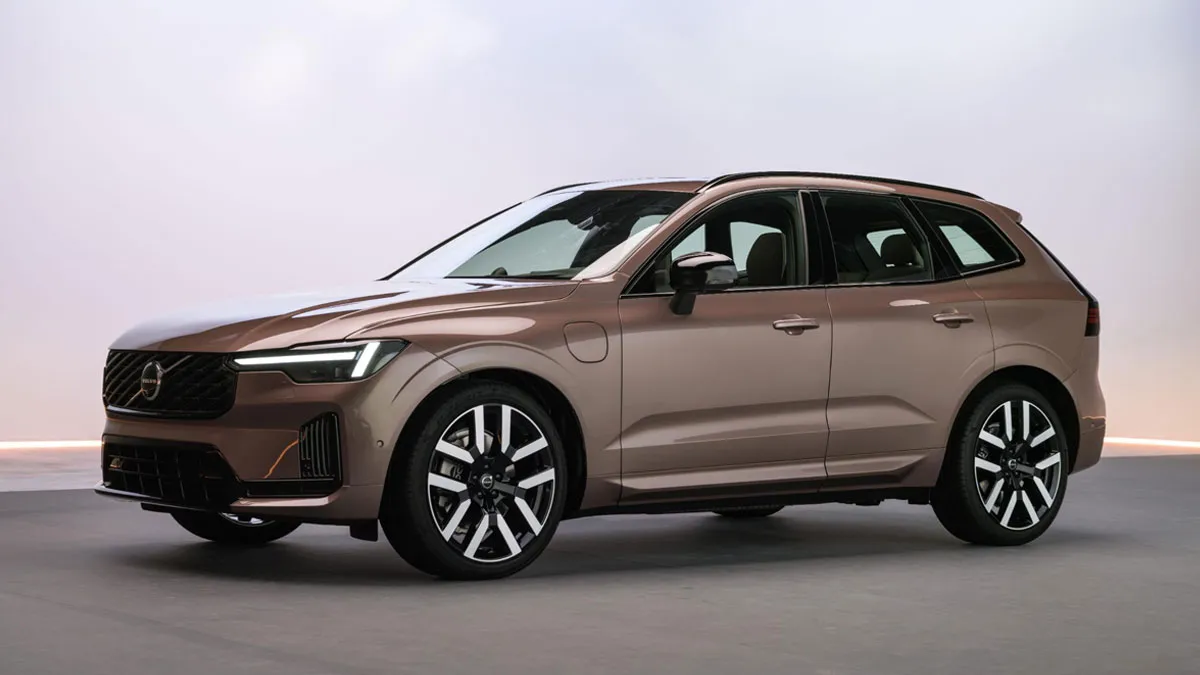
Volvo is expanding its partnership with NVIDIA to further advance autonomous driving. The two companies have been collaborating since 2017, but are now focusing on cars that can navigate traffic independently from door to door. What’s new, and what is Volvo still keeping under wraps?
What will Volvo and NVIDIA build?
The technical foundation comes from NVIDIA. It involves the Hyperion architecture, which combines sensors and computing power, along with Halos OS for safety and the Alpamayo Stack, the software that helps the car understand traffic situations and respond to them. Volvo brings its years of experience in vehicle safety to ensure this technology is integrated into its cars.
The goal is a car that can not only drive autonomously on highways but also navigate busy city streets and eventually park itself. Driving in cities is particularly complex, with cyclists, pedestrians, traffic lights, and unexpected situations requiring quick and safe decisions constantly.
Gradually handing more control over to the car
Volvo plans to introduce these new features gradually. First, it aims to make it possible to take one's eyes off the road while driving. In a subsequent phase, drivers won’t need to constantly focus on driving either. This may sound like a small difference, but technically and legally it represents a huge step forward.
It doesn’t mean, however, that the car can drive completely autonomously in all situations right away. The systems first need to be thoroughly tested and approved for that. Volvo deliberately chooses a phased rollout, but it’s not yet known when the various functions will become available.
Debut in the next generation of Volvos
This new technology will appear for the first time in a next-generation Volvo. It is part of the largest product launch campaign the Swedish brand has ever announced. Volvo is keeping quiet for now about which model it will be used in.
According to the manufacturer, the new electric models will be equipped with exceptionally powerful computers. These are necessary to process the enormous amount of data from cameras and other sensors at lightning speed. The more tasks a car must perform autonomously, the more critical computing power and software reliability become.
Safety remains the priority
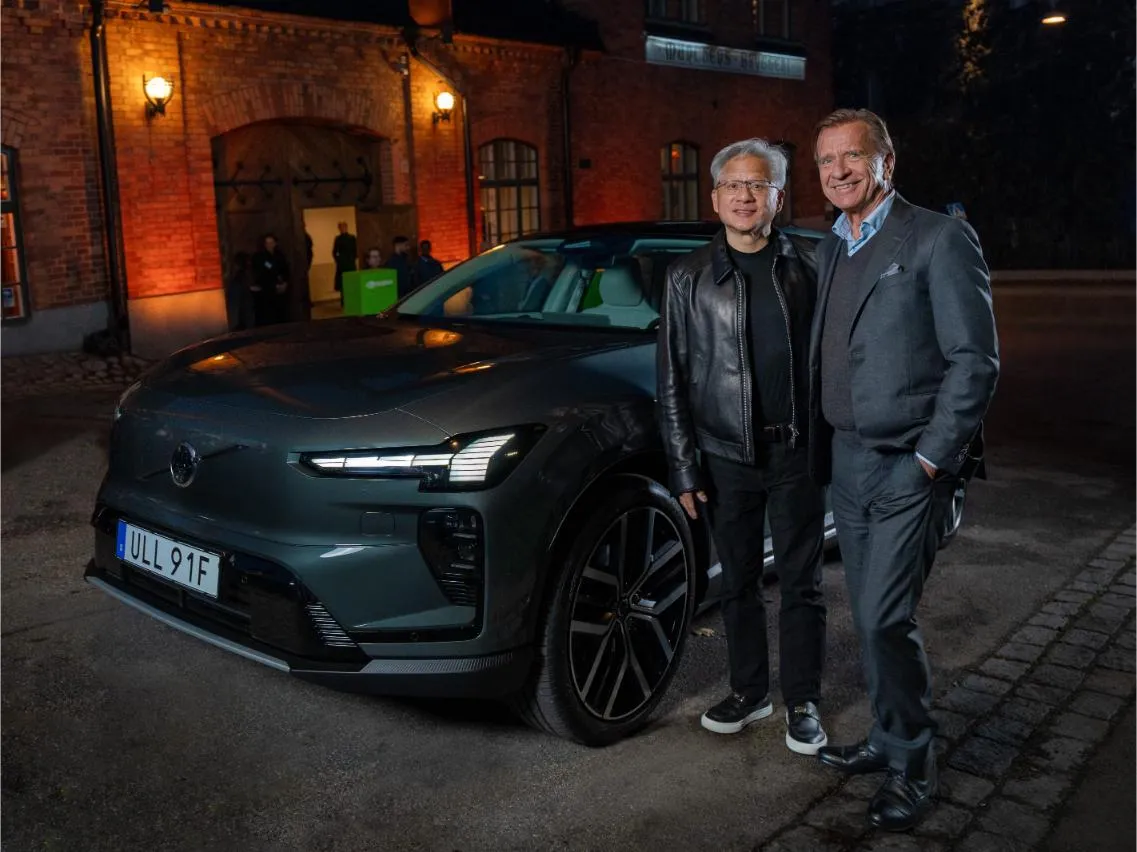
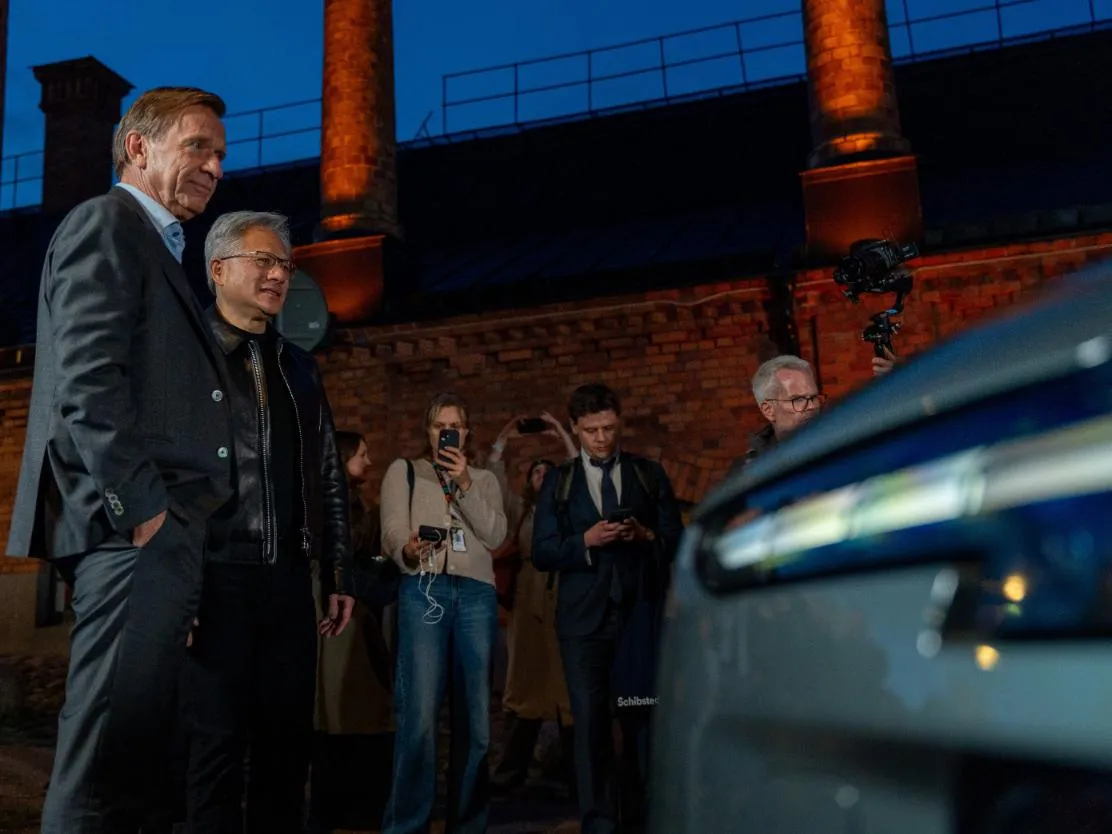
Volvo has been closely tied to vehicle safety for almost a hundred years, says CEO Håkan Samuelsson. He sees great potential in combining Volvo’s expertise in safety with NVIDIA’s AI technology. NVIDIA founder Jensen Huang also has high expectations for this partnership. He believes that thanks to artificial intelligence, cars can better understand their surroundings, enabling safer and more convenient driving.
For Volvo, this emphasis on safety makes sense. The brand has built its reputation on it and can afford few mistakes in this area. Especially with autonomous driving, Volvo will need to prove that the technology is not only impressive but also reliable.
Other automakers are also working with NVIDIA
Volvo is by no means the only automaker using NVIDIA technology. For example, Hyundai Motor Group, the parent company of Hyundai, Kia, and Genesis, announced a comprehensive partnership with NVIDIA in early 2025. Hyundai is looking beyond just cars in this collaboration.
The South Korean company uses NVIDIA chips and software to develop AI models and leverages the Omniverse platform to digitally recreate factories. This allows production processes to be tested and improved virtually first. NVIDIA also plays a key role in robot development and the testing of autonomous vehicles. By digitally simulating traffic conditions and other scenarios, these systems can be thoroughly tested before being deployed in real-world use.
The difference in approach is interesting. Hyundai uses NVIDIA’s technology for various parts of the company, while Volvo focuses primarily on autonomous driving and vehicle safety with this expansion. The ambitions are great, but concrete launch dates are still missing for now. We know where Volvo wants to go, but not yet when we will actually see the first results on the roads.
More information about the partnership can be found in Volvo’s official announcement.
Text: Arjan Hordijk