
Volkswagen hit the nail on the head. 150,000 orders for cheap “electric cars” even before deliveries begin
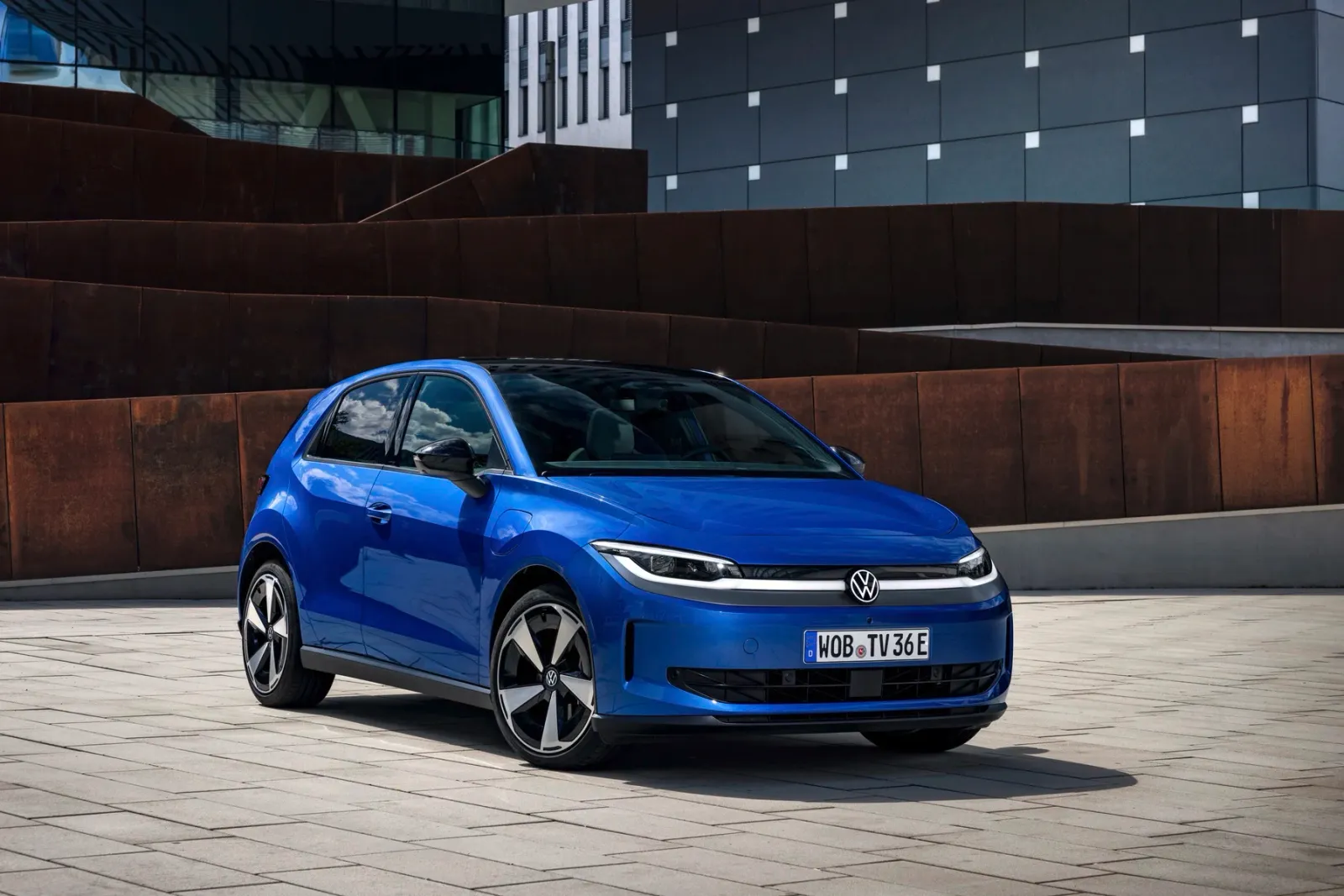
Before the first units hit European roads, Volkswagen Group had already received nearly 150,000 orders for four new electric cars in the popular segment. This indicates that the market is increasingly open to more affordable electric vehicles, and the German conglomerate aims to capitalize on this trend by focusing on shared technology, production in Europe, and distinctly differentiated brands.
At the auto show in Paris, Volkswagen Group unveiled for the first time four models that together form the so-called Electric Urban Car Family (EUCF), a family of electric urban vehicles developed for the European mass market. The lineup includes the CUPRA Raval, Volkswagen ID. Polo, Škoda Epiq, and Volkswagen ID. Cross. Interestingly, even before deliveries began, the company announced that it had received nearly 150,000 orders for these vehicles, according to a press release.
This is a result that draws attention not only due to the level of interest but also because it relates to the segment of relatively small cars positioned as being more affordable than many current electric SUVs. In recent years, the lack of cost-effective models has been cited as one of the biggest barriers to further development of electric mobility in Europe.
"VW Family"
A new family of vehicles has been developed on the MEB+ platform, an evolution of the architecture already used in the Group’s electric models. Two of these cars feature hatchback bodystyles, namely the CUPRA Raval and Volkswagen ID. Polo, while the Škoda Epiq and Volkswagen ID. Cross represent the compact SUV segment. All of them use front-wheel drive, along with shared electrical system components and batteries. According to the company, over 80 percent of the components and technologies are identical across the entire model family.
It is this standardization that offers the opportunity to reduce production costs and maintain competitive prices. At the same time, manufacturers assure that each model will retain its own character, styling, and target customer base. From a business perspective, this is an attempt to balance economies of scale with the individual identity of each brand.
Goal – mass market
The project also has a strategic dimension. As Thomas Schäfer, member of the Volkswagen Group Board of Management, director of the Volkswagen brand, and head of Brand Group Core, emphasized, the EUCF family is an example of a new approach to developing cars for the mass market.
"The Electric Urban Car Family reflects our new mobility strategy for volume segments. We jointly develop technologies where scale and speed are crucial, while also creating independent products with a distinct identity for each brand," said Schäfer.
Volkswagen’s brand chief also highlighted the role of European manufacturing. He emphasized that the plants in Martorell and Pampeluna function as “one strong Iberian production region,” with nearly 150,000 orders confirming the success of the adopted strategy. “EUCF is much more than a family of models. It shows how competitiveness, industrial strength, and affordable electromobility created in Europe for Europe can be combined,” he added.
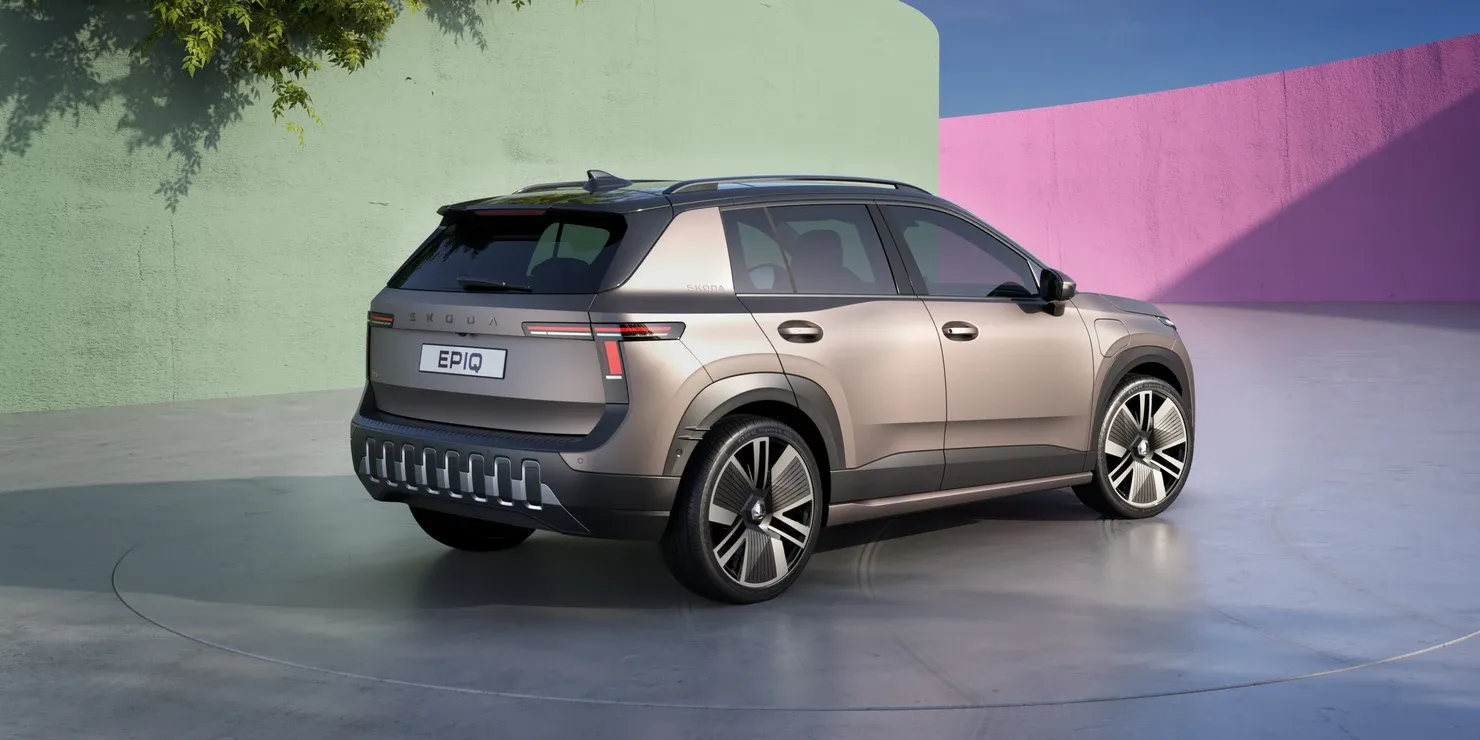
All production of the new models is concentrated in Spain. The CUPRA Raval and Volkswagen ID. Polo will be manufactured at the Martorell plant, while the Škoda Epiq and Volkswagen ID. Cross will roll off the production lines in Pamplona. This division is intended to enable better use of shared components and simplify logistics across the entire project, according to Clean Technica.
The development of the EUCF family is part of a much larger investment program carried out by Volkswagen Group on the Iberian Peninsula. SEAT and CUPRA, PowerCo, and project partners Future Fast Forward are committing a total of 10 billion euros to advancing electrification in Spain. The program includes the construction of PowerCo’s battery cell factory in Sagunto, as well as an additional 300 million euros invested by SEAT and CUPRA in a battery system assembly plant in Martorell. SEAT and CUPRA themselves have invested over 3 billion euros in transitioning from internal combustion engine vehicles to electric mobility, according to the Electric Cars Report.
What’s next?
For Volkswagen, the coming months will indeed be a real test. Order numbers show customer interest, but it is the deliveries, final prices, actual range, charging speed, and daily usability that will determine the success of these models.
Oskar Włostowski