
An electric SUV with 646 HP, a range of 740 km, and four LiDARs: this is the new Voyah Passion S
The Chinese market continues to demonstrate the extent of competition among electric vehicle manufacturers. Every few months, a new model emerges that surpasses its rivals’ performance, incorporates technologies once reserved for luxury cars, and comes with prices that are hard to comprehend from Europe.
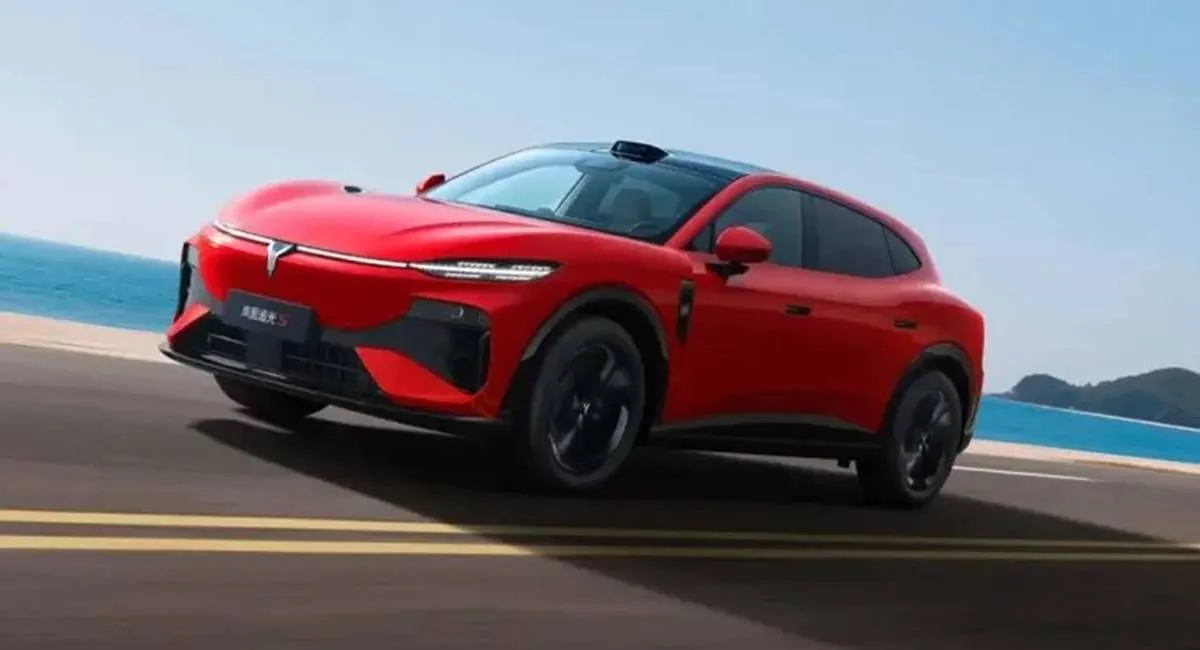
The latest example is the Voyah Passion S, a model developed by Dongfeng’s luxury division aiming to gain a foothold in one of China’s most competitive market segments. It features a sporty design reminiscent of the Xiaomi YU7, an interior packed with technology, and performance that puts it on par with much more expensive alternatives. Although its sales are currently limited to China, it’s inevitable to wonder about its potential in Europe.
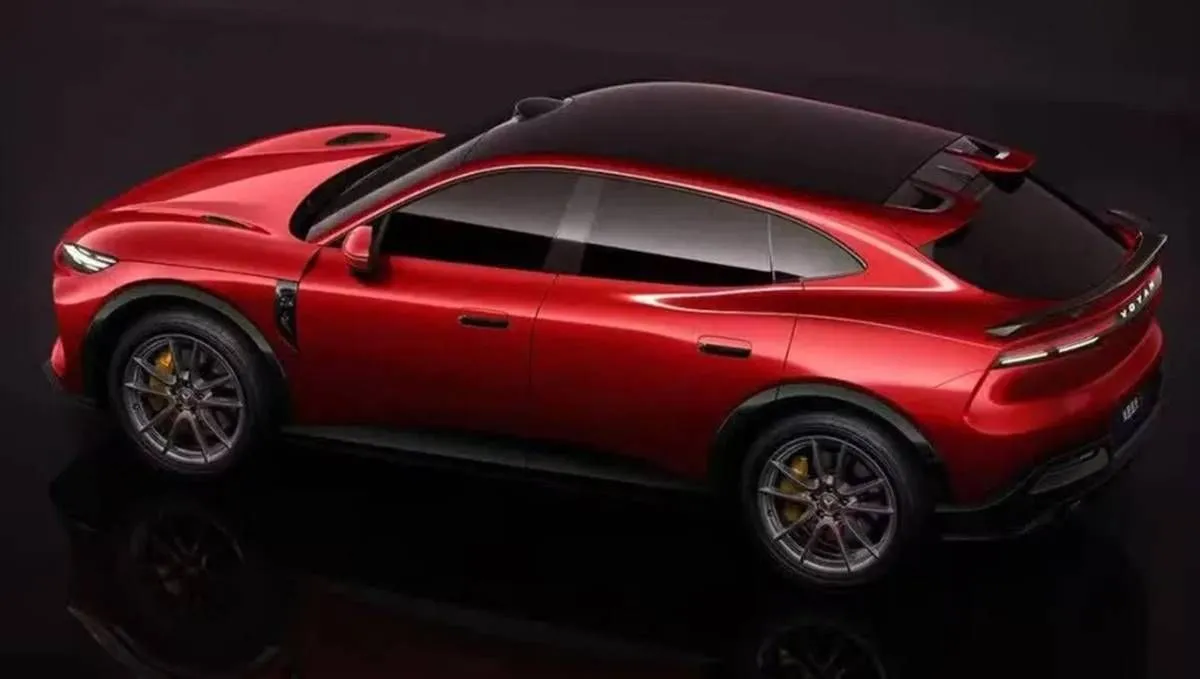
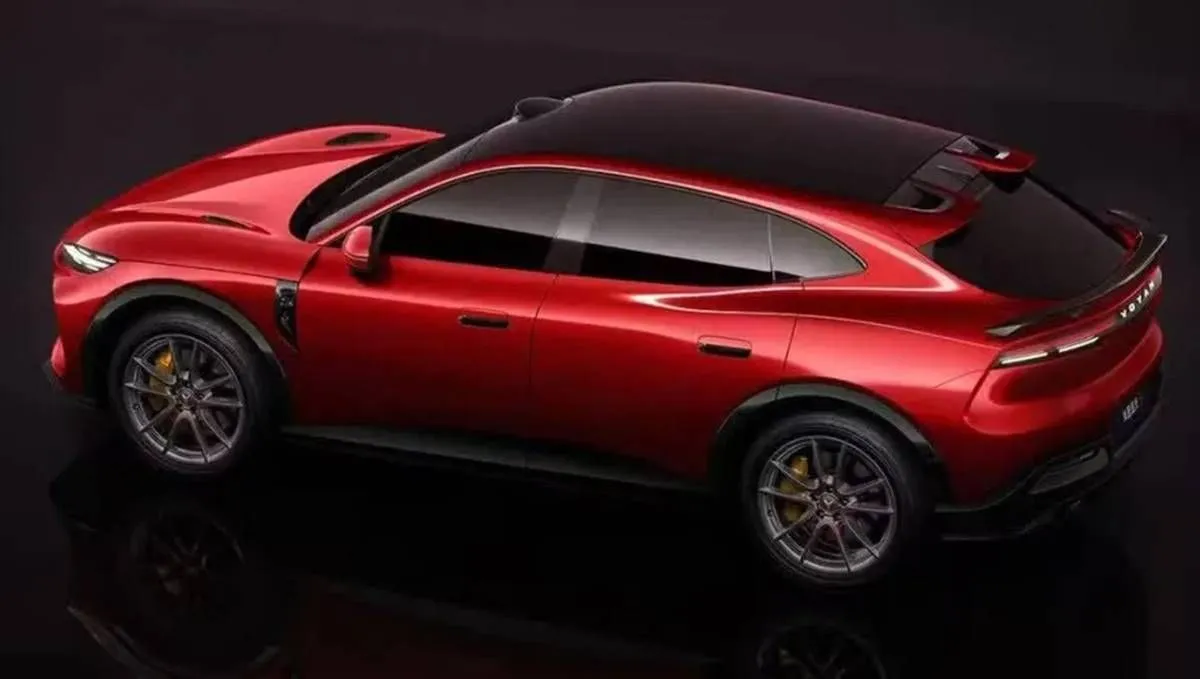
We are looking at an F-SUV with a body length of 5.05 meters and a width of 2.00 meters, while its wheelbase measures 3.00 meters. These proportions give it a striking presence and a spacious interior, along with a sporty silhouette that resembles the Ferrari Purosangue in some aspects, though it features a completely different mechanical setup.
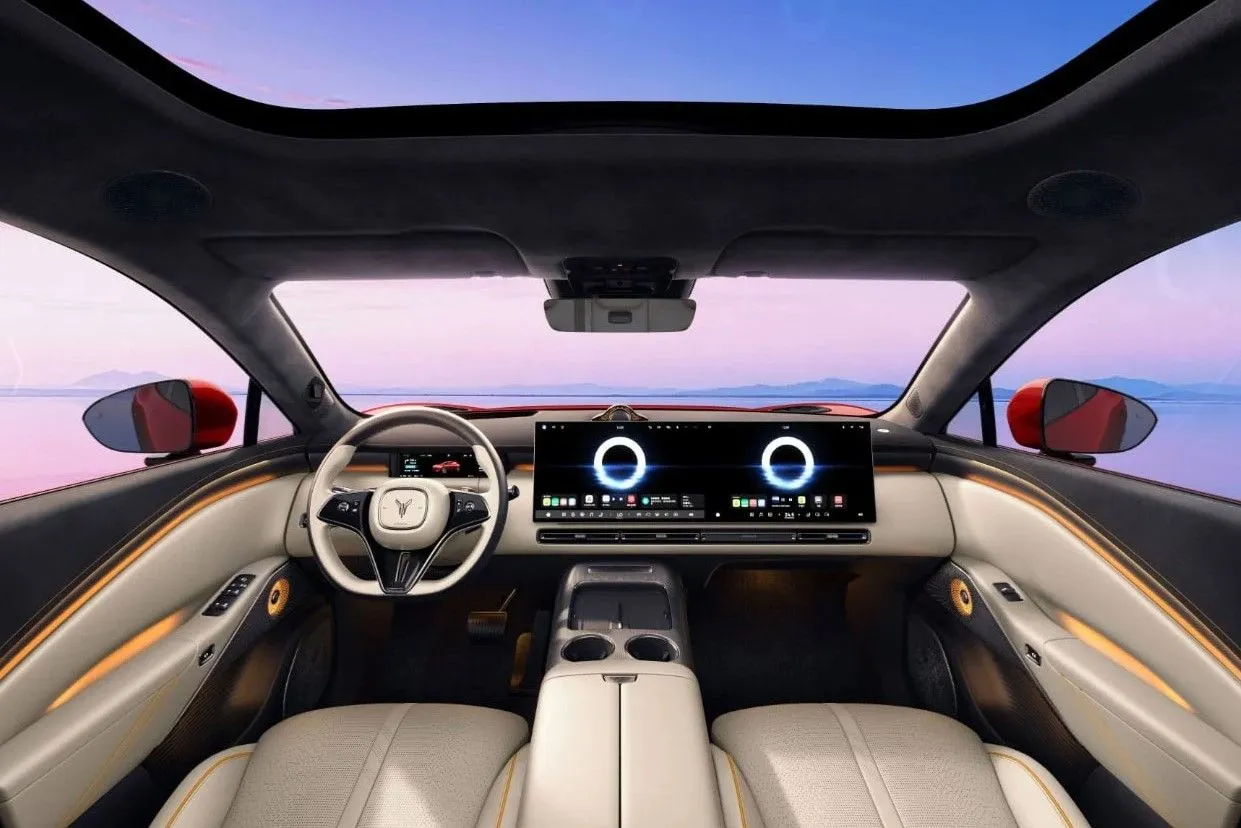
Inside, the Voyah features a modern design and strong technological integration. The multimedia system uses Huawei HarmonySpace 5.2, a platform that centralizes many of the car’s functions and aims to provide a connected experience between the vehicle and the driver’s devices. All of this is complemented by an approach designed to justify its position in Dongfeng’s premium segment.
But it is in the mechanical aspects where the Passion S truly shows its most interesting features. The range starts with a rear-wheel-drive version that produces 300 kW (408 HP), while the all-wheel-drive variant adds a second front engine of 175 kW (238 HP), raising the total power to 475 kW (646 HP). With this configuration, the manufacturer claims a 0 to 100 km/h acceleration time of just 4.5 seconds.
These figures enable the Chinese model to compete in performance terms with some of the most well-known sports electric SUVs on the market. Additionally, higher trims may feature air suspension, a solution designed to improve both comfort and dynamic handling of a vehicle that is clearly geared toward long-distance travel given its size and design.
Up to 740 kilometers of range and charging in just 10 minutes
Voyah offers two LFP chemistry batteries, with capacities of 81.6 and 98.1 kWh respectively. The version with the longest range combines the larger battery with rear-wheel drive, achieving an official range of up to 740 kilometers under the Chinese CLTC cycle. Based on our estimates, this would roughly equate to about 640 kilometers under the European WLTP cycle, though an official certification will be needed to determine the final figure.
The other major advantage is the charging speed. Thanks to its 800-volt architecture and a battery designed to handle charge rates of up to 5C, the manufacturer claims the Passion S can go from 20% to 80% charge in just 10 minutes. This figure is given under favorable conditions and depends on both the battery temperature and the availability of chargers capable of delivering the necessary power.
But perhaps the most notable aspect is the advanced driving assistance system. Voyah has once again turned to Huawei, which provides its Qiankun ADS 5 system, along with a suite of sensors that is unusual even among high-end electric vehicles. The Passion S comes standard with four LiDAR units: one main unit with 896 channels and three solid-state units designed to monitor different areas around the vehicle.
In total, the system has 33 sensors to monitor the environment and power the driving assistance functions. According to the manufacturer’s data, this configuration allows it to detect obstacles as small as 14 centimeters from a distance of up to 120 meters. This is a particularly useful capability for identifying small objects on the road, although having such equipment does not mean the car can operate without human supervision.
Voyah’s approach also raises an interesting point for reflection. While in Europe many brands still charge high fees for certain driving assistance packages, in China it has become common to find advanced systems included from the base versions. Another question is how these systems perform outside their home market and what functions might be permitted under European regulations.
And this brings us to the aspect that is likely of greatest interest to buyers: how much this technological setup actually costs.
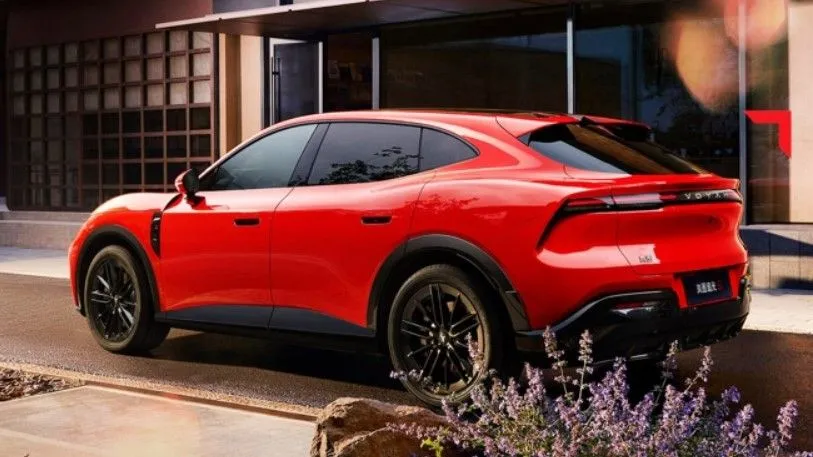
The Voyah Passion S has been launched in China in its Max version, equipped with an 81.6 kWh battery, at a price of 229,900 yuan, which is approximately 27,700 euros at the current exchange rate. At the higher end is the Ultra+ version, featuring all-wheel drive and air suspension, priced at 279,900 yuan, around 33,700 euros. Of course, these prices are likely to be very different if the vehicle makes it to Europe.
Here, an interesting possibility arises. Dongfeng and Stellantis have explored an industrial partnership that could facilitate the production and marketing of Voyah models in Europe. Options discussed include using Stellantis’ European facilities, including the factory in Rennes, France, though there is no confirmation yet that the Passion S will be manufactured there.
A local production strategy could help reduce some of the costs associated with importing from China, following a logic similar to that used by Stellantis in its partnership with Leapmotor. However, manufacturing in Europe also entails different industrial costs, so it would not guarantee prices close to those in the Chinese market.
As of now, the arrival of the Voyah Passion S in Spain has not been confirmed, nor are there official prices for our market. A hypothetical price range of around 60,000 euros could make it an interesting alternative to European luxury electric SUVs, but this is merely an estimate, not a price announced by the brand.
What this launch does demonstrate is that China’s industry no longer competes solely by offering cheap electric cars. It is also bringing advanced technologies to price segments where traditional manufacturers are finding it increasingly difficult to keep up. And although the Voyah Passion S will end up costing significantly more when it reaches Europe, if it does arrive there, its features make it clear that competition will not be easy at all.