
Toyota is preparing a radical overhaul for the Corolla: electric, hybrid, and plug-in models on the same platform
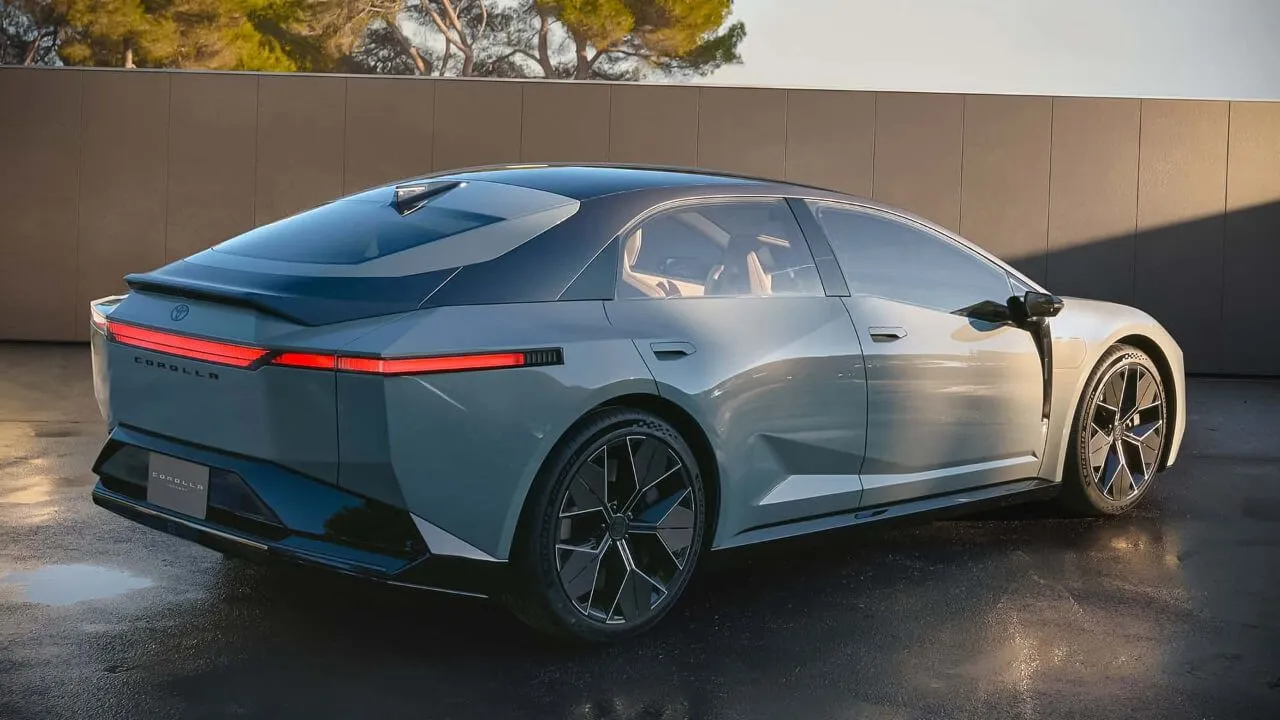
Toyota has for years pursued a strategy different from that of most of its competitors. While some manufacturers bet almost everything on electric cars, the Japanese brand has maintained confidence in hybrids, believing that the transition would not progress at the same pace across all markets. Now, far from abandoning this philosophy, Toyota is developing a new generation of models that will take this flexibility even further, with a technical solution that could profoundly transform its compact vehicle lineup.
During a meeting with journalists at Toyota’s European headquarters in Brussels, the company’s development chief, Hiroki Nakajima, revealed initial details of a new architecture designed to accommodate three types of propulsion: conventional hybrids, plug-in hybrids, and electric vehicles. The goal is to use a single technical platform for various body styles, from sedans to SUVs and even minivans, thereby reducing the need to develop separate platforms.
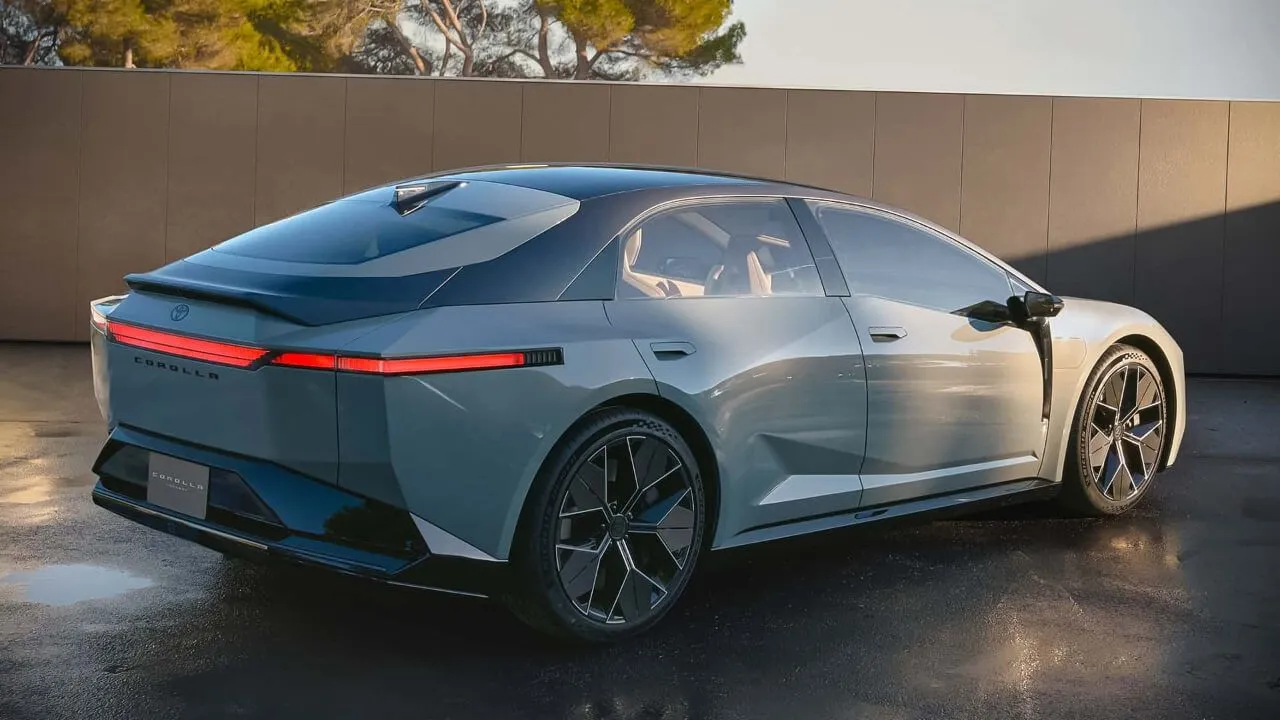
Toyota's explanation is quite simple. No one knows for sure which technology will dominate sales in five or ten years. In some markets, electric cars are advancing rapidly, while in others hybrids still account for a large portion of demand. For a global manufacturer, betting exclusively on one solution entails significant risks, especially since developing a new platform requires multimillion-dollar investments that must be recouped over many years.
With this strategy, Toyota aims to be able to adjust its production as demand evolves, without having to completely redesign its cars. The new architecture will be primarily focused on the compact segment, though its applications could extend to smaller models as well. In fact, one of the options under consideration is that future Toyota Yaris and Corolla models could share a more closely related platform, which would help simplify development and reduce manufacturing costs.
But making the same car capable of using internal combustion engines, hybrid systems, and high-capacity batteries is not exactly simple. Each technology has different requirements regarding space, cooling, and component layout. And this is where Toyota is focusing much of its efforts, with a new generation of engines and batteries that will take up less space.
Smaller engines and 20% thinner batteries
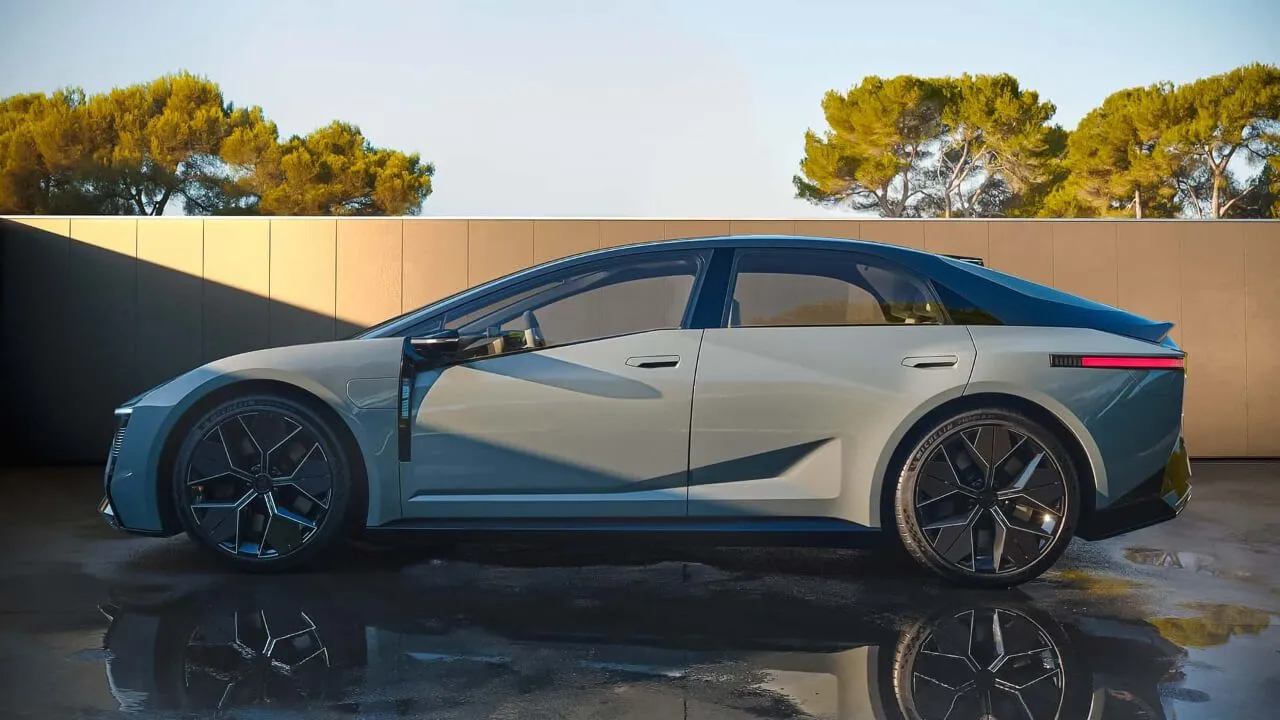
In the electric version, one of the most interesting advancements will be in the batteries. Toyota is developing a new design that will reduce their height by about 20% and improve space utilization by a similar amount. To do this, engineers have altered the layout of the electrical connections in the prismatic cells, moving them from the top to the sides.
It’s important to clarify that this improvement does not mean batteries will automatically provide 20% more range. What Toyota aims to achieve is reduce the space they occupy under the car’s floor, allowing the vehicle’s height to be lowered without compromising passenger space. This is a particularly interesting solution for the future Corolla, which could adopt a lower and more aerodynamic silhouette without sacrificing comfort.
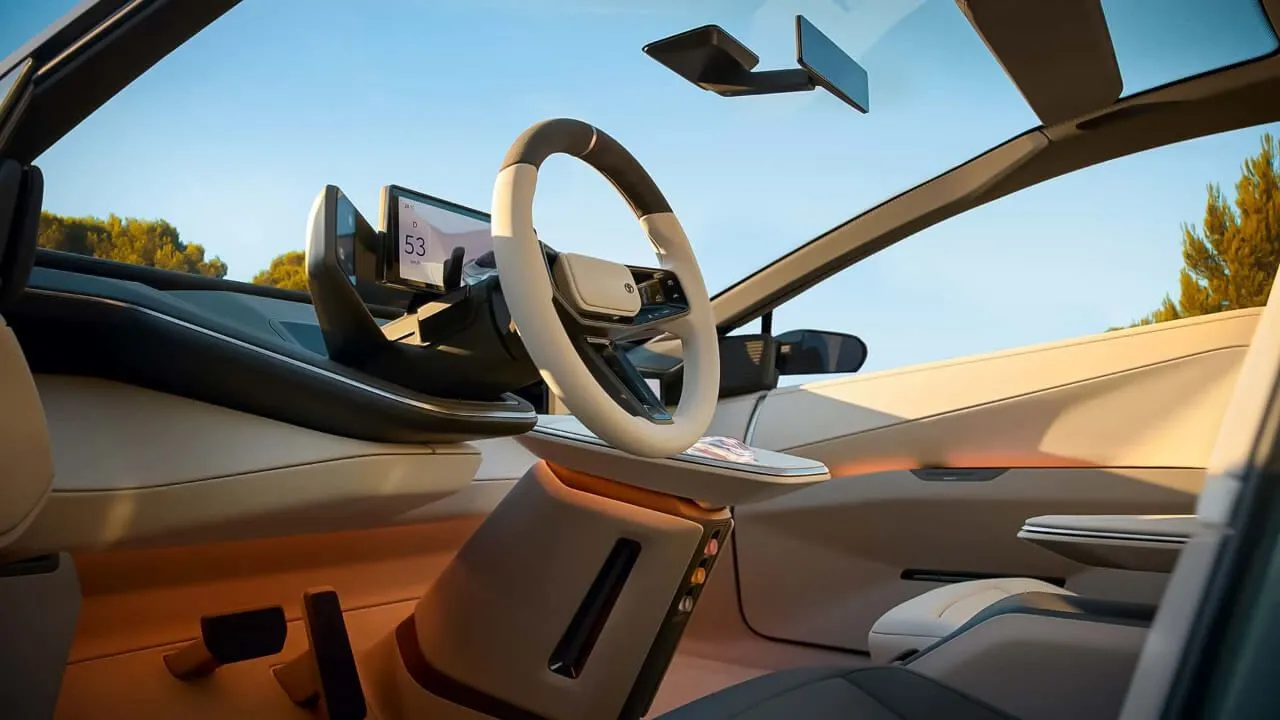
The company is also working on more compact electric propulsion units that integrate the motor, transmission, and power electronics. Combined with new batteries, they will allow engineers greater design flexibility and bring the proportions of electric models closer to those of their hybrid counterparts.
However, solid-state electrolyte batteries will not initially be part of this strategy for the compact segment. Although Nakajima has reiterated the goal of introducing this technology by 2027, Toyota believes it still needs to recoup the significant investments made in its conventional batteries. Therefore, the first models featuring this new architecture will continue to use more traditional lithium battery solutions.
The big question is when all of this will reach dealerships. Toyota has not yet confirmed a launch date for the new platform, although Nakajima has indicated that the next generation of its hybrid systems should begin to be sold around 2030. It also has not clarified whether the new batteries will be available from the start.
This strategy partially resembles that used by other manufacturers, though with significant differences. BMW, for example, has decided to maintain separate architectures, using the new Neue Klasse platform for its upcoming electric vehicles and an evolved version of its combustion engine architecture for certain hybrid and conventional models. Toyota aims to integrate a wider variety of propulsion systems within a single technical platform.
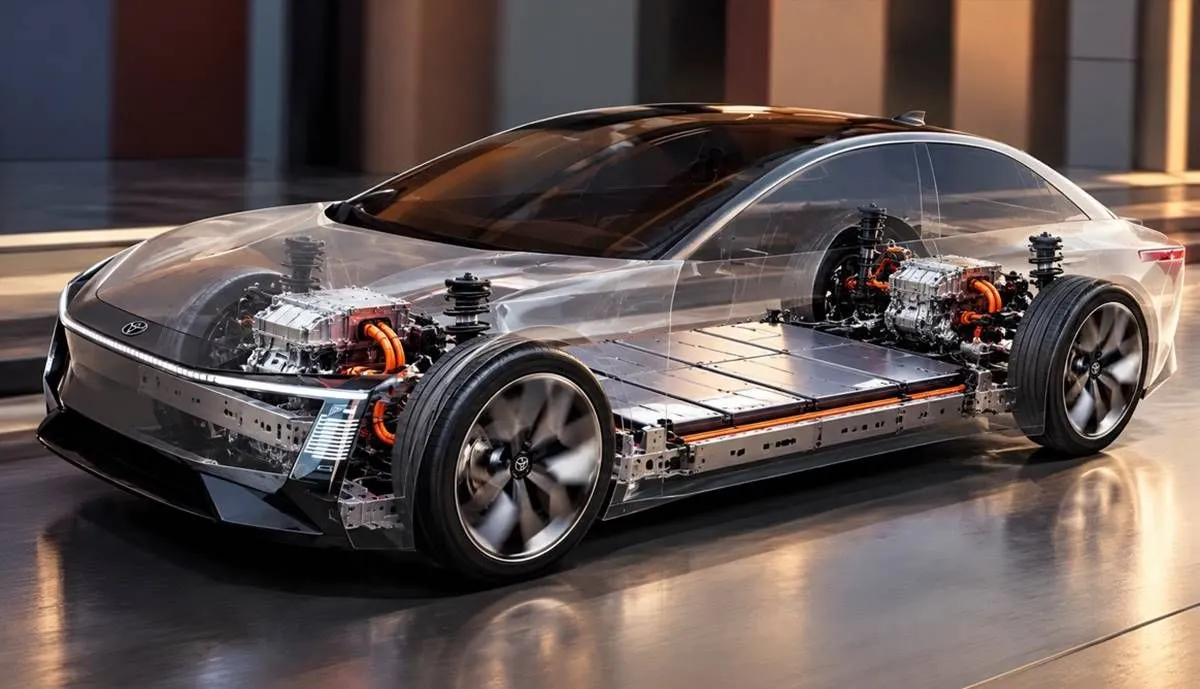
And here lies the main risk of this Japanese proposal. A platform designed exclusively for electric vehicles can make better use of available space, optimize weight distribution, and reduce certain structural complexities. An architecture that must also accommodate internal combustion engines and fuel tanks has to make compromises that could result in increased weight, higher costs, or less efficient use of space.
Toyota believes that economies of scale and industrial flexibility can offset these disadvantages. If demand for electric vehicles grows faster than expected, it will be able to increase production without relying on a specific platform. If hybrids remain dominant, it will have room to continue manufacturing them using the same base.
In short, Toyota is pursuing an electric transition without fixed deadlines, preparing its upcoming models to meet what drivers actually purchase. This strategy can be highly profitable from an industrial perspective, but its success will depend on something much simpler: ensuring that future Corollas and similar models remain competitive in terms of price, efficiency, and performance compared to rivals developed exclusively as electric cars.
So far, Toyota has explained how it plans to achieve this, but the most important details are still missing: weights, fuel consumption, range, manufacturing costs, and final prices. It will then be possible to determine whether this technological flexibility truly offers a benefit to customers or, on the contrary, ends up being too much of a compromise.