
Will the Tesla Roadster reach 100 miles per hour in less than a second? New announcements for 2028
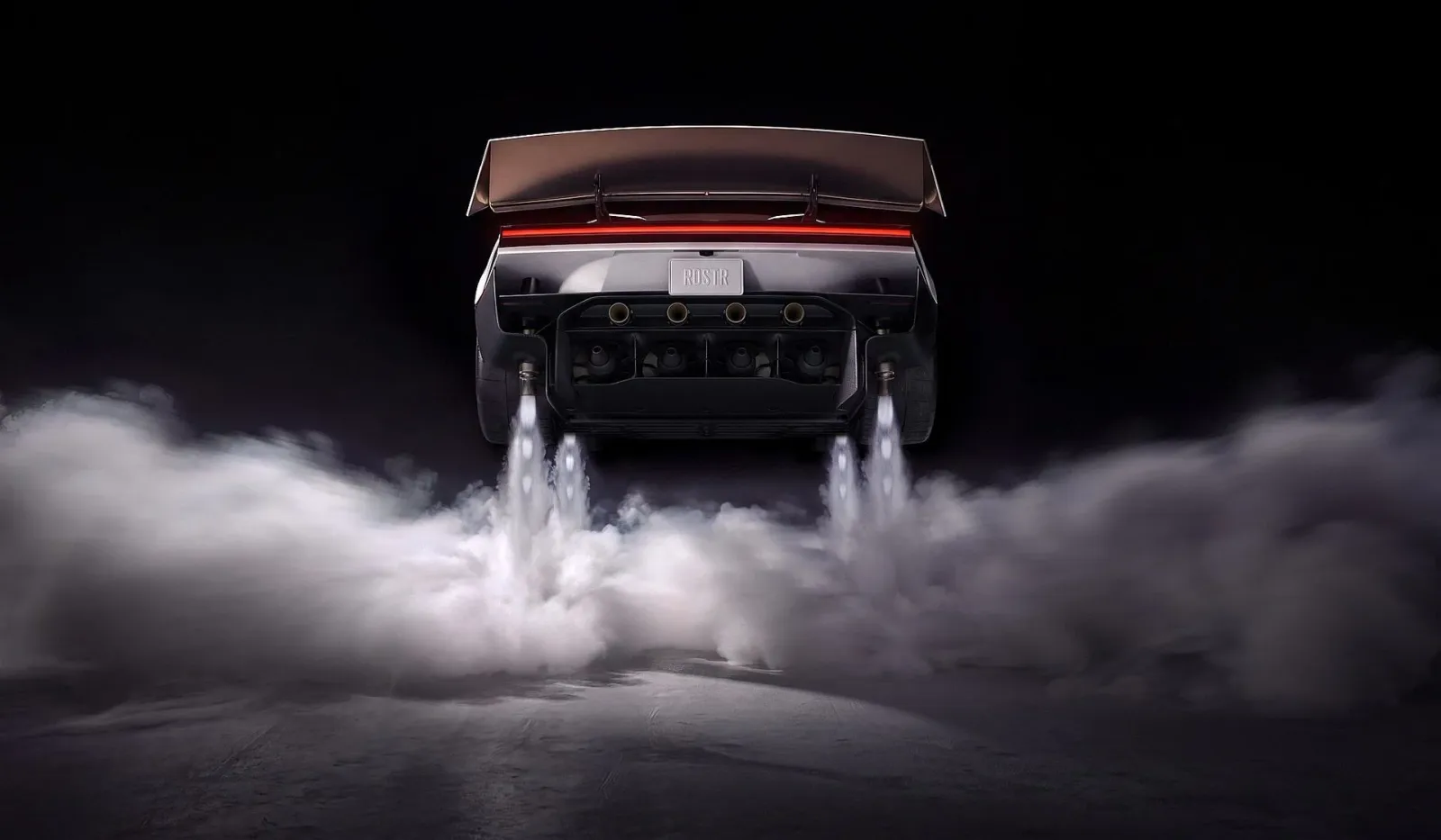
The new Tesla Roadster, according to the latest announcements, is set to go into production in 2028 and accelerate from 0 to 60 miles per hour (96 km/h) in less than one second. The vehicle is expected to use cold jet engines developed in collaboration with SpaceX, along with a system of fans that create negative pressure under the chassis. The promises are extreme, but the history of this model shows that the path from prototype to production line for the American manufacturer can be exceptionally tortuous.
In short:
The production version of the Tesla Roadster supercar is scheduled to hit the market in 2028.
The most powerful variant is expected to reach 60 mph in less than 1 second thanks to SpaceX’s technology.
Three versions are planned: Performance, Thrust, and a single-seater Rocket (“Invite Only”).
Experts and fans are approaching the announcement cautiously, keeping in mind past delays.
Sixty miles per hour in the blink of an eye. How is that possible?
The claims about the performance of the new Tesla Roadster exceed current limits in automotive engineering. The car is said to achieve lateral G-forces of up to 2g, which the manufacturer claims will challenge the laws of physics. The key to achieving acceleration under one second is a special optional package developed in partnership with SpaceX.
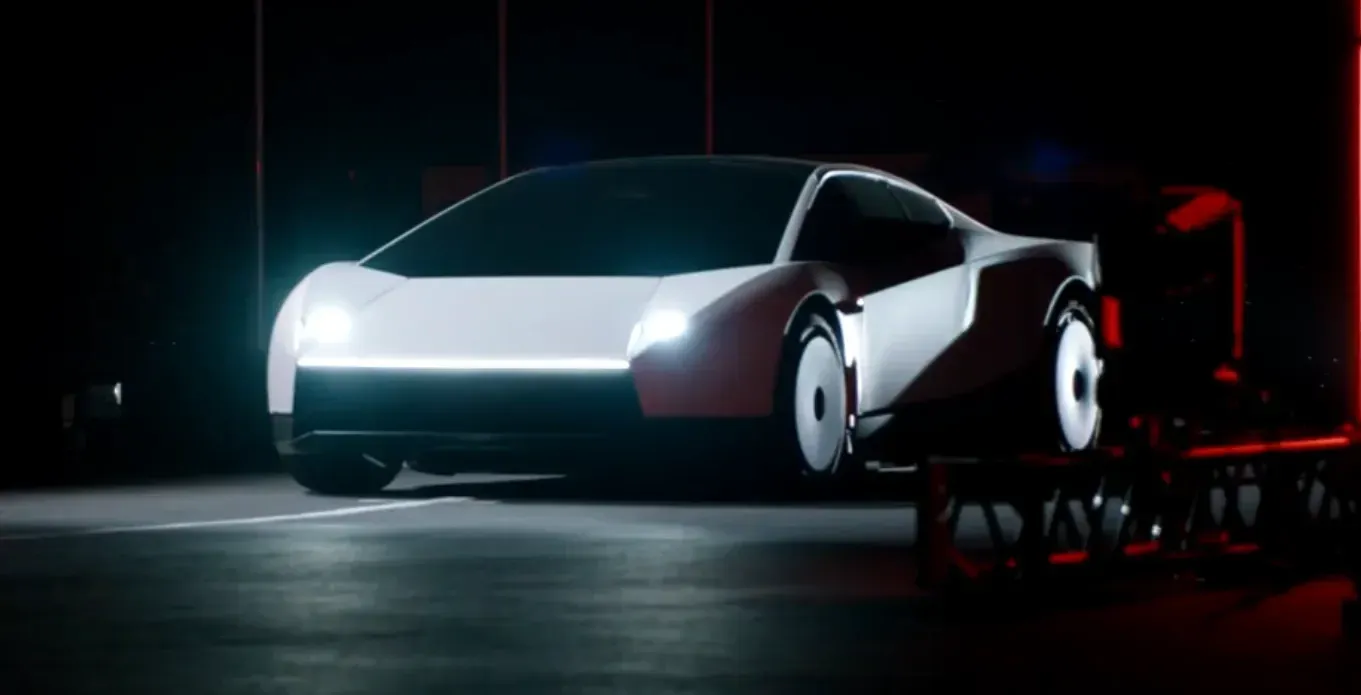
The design is intended to use 10 air-powered nozzles. Gas reserves will be stored in two tanks, each with a capacity of 600 liters, and the system is designed to automatically replenish pressure during normal driving. This solution is not only meant to assist with acceleration and braking but also to enable the vehicle to briefly lift off the ground and maneuver in mid-air.
Stuck to the asphalt thanks to fans
To maintain powerful performance on roads, the Tesla Roadster will feature an active “traction” system for the road surface. Based on a powerful fan that creates negative pressure under the chassis, this solution is intended to provide substantial downforce regardless of the vehicle’s speed. This concept, known from projects like Britain’s McMurtry Spéirling, allows for unprecedented grip in corners.
According to announcements, the offering will include three variants:
Performance – the base version, requiring a reservation deposit of $50,000.
Thrust – a variant with cold gas engines that can reach 100 mph in under a second, priced at a reservation fee of $250,000.
Rocket – an extreme, one-seater version with a full ejection system, available only by invitation.
A long history of promises and the original owners being forgotten
The history of this current project dates back to 2017, when the prototype of the second generation was first unveiled. At that time, it was claimed to achieve 0 to 60 mph in 1.9 seconds. However, the release date was postponed several times. The brand’s entire saga actually began much earlier—the first Tesla Roadster came out in 2006, with a 3.7-second time to 100 mph, proving that electric cars could be faster than gasoline-powered supercars.
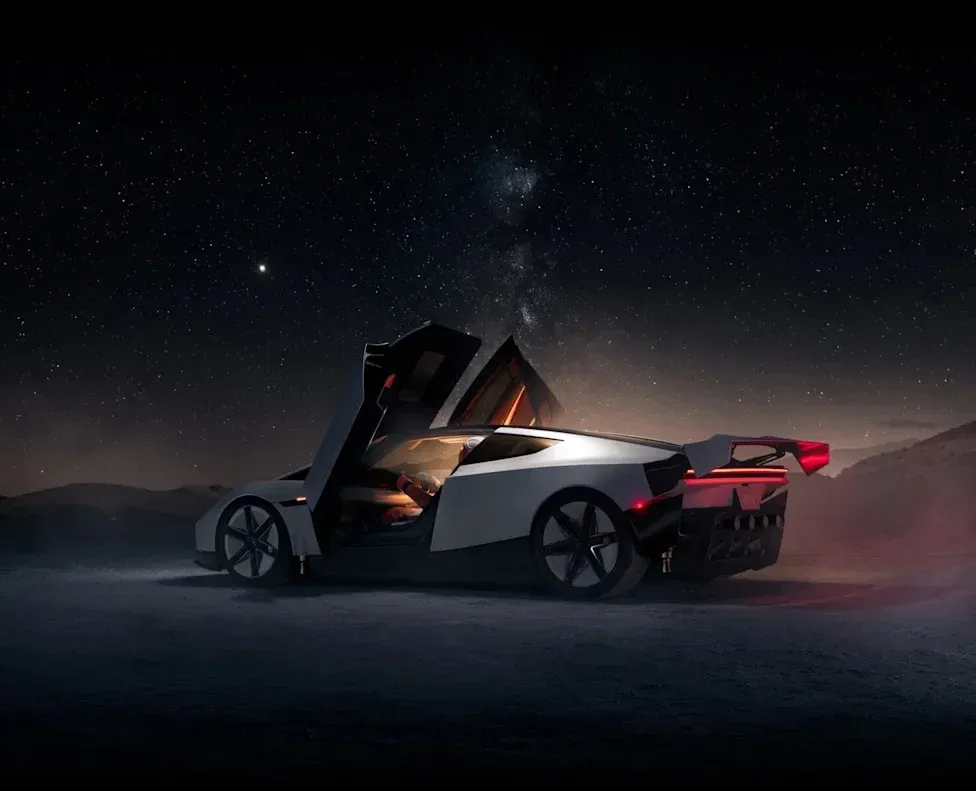
Interestingly, owners of the original models from 2008-2012 are facing numerous problems today. According to foreign technical media, users of the earliest vehicles feel abandoned by the company, as they cannot even schedule service visits through the official app, and the manufacturer no longer produces replacement parts. Independent workshops, such as those run by former Tesla employee Carl Medlock in Seattle, are primarily responsible for keeping these unique cars running.
Unanswered questions: battery, power, and order fulfillment
Despite the impressive announcements regarding jet engines and space capabilities, the manufacturer has still not revealed the key technical specifications. We do not know the battery capacity, official range, or exact power output of the propulsion system. It has also not been specified where production will take place exactly, nor how orders placed by customers in 2017 will be handled.
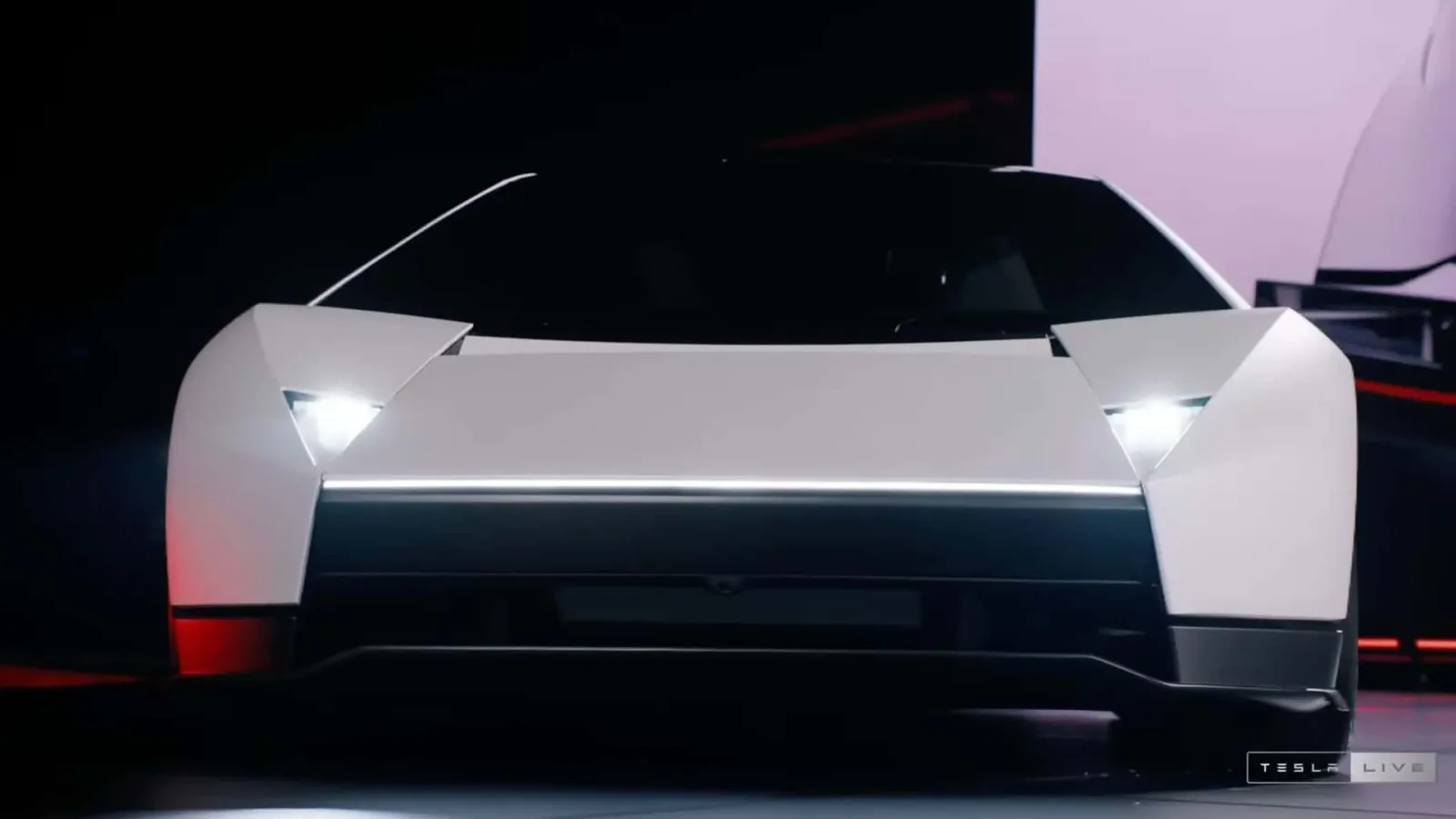
The launch scheduled for 2028 leaves a lot of uncertainty. The coming years will show whether these ambitious engineering claims can be turned into an approved vehicle suitable for road use, or if the project will face further technical and regulatory hurdles.
The editorial team of electromobilni.pl