
Tesla expands Supercharger network along South Korean highways
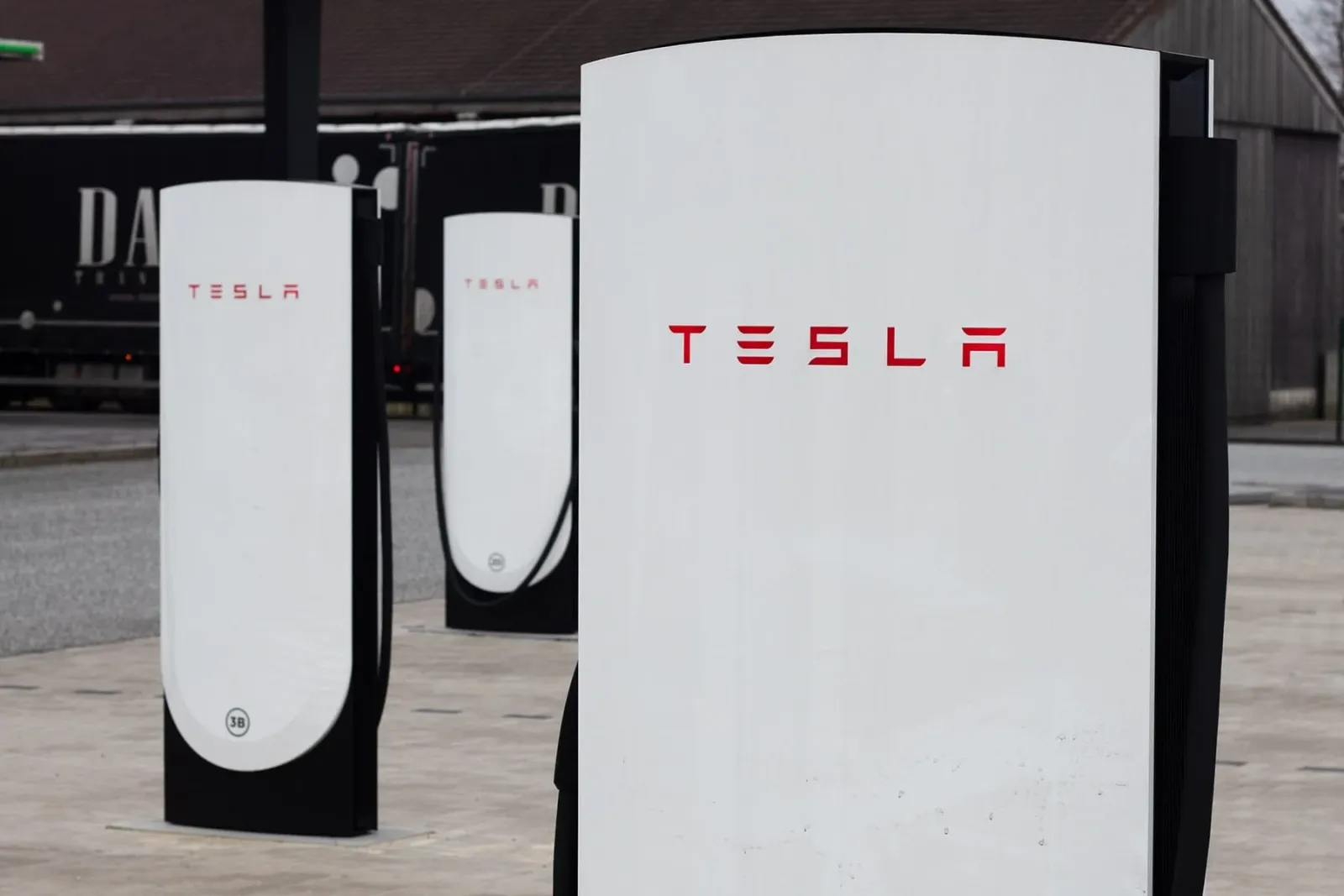
Tesla is expanding its Supercharger network in South Korea. As part of a program by the Korea Expressway Corporation, new fast-charging locations will be built at 21 highway rest areas.
The South Korean Supercharger network currently comprises around 180 locations.
Image: Daniel Bönnighausen
The stations are part of the Korea Expressway Corporation’s charging infrastructure programme for 2026. The new locations are distributed across service areas near Seoul, Yongin, Gangneung, Gyeongju and Andong, among others. In some cases, both directions of a service area are counted separately. Tesla has not yet announced specific opening dates. According to the company, the sites are either already under construction or still in the planning phase.
Tesla currently operates around 180 Supercharger locations in South Korea, with a total of more than 1,200 charging points. With the new facilities, the manufacturer is strengthening its network, particularly along long-distance routes. The expansion follows a tender by the Korea Expressway Corporation. Tesla participated in this alongside the South Korean charging operator GS ChargeBee and, for the first time, won a portion of a government-organised highway charging programme.
The overall programme envisages 392 charging points at 91 service areas. The participating operators are to install the infrastructure and then operate and maintain it over a period of ten years. It is not yet known how many charging points will be installed at the 21 Tesla locations or what charging capacity they will offer.
Tesla participates in highway charging programme for the first time
Tesla is not the only provider currently expanding along South Korea’s highways. The local charging operator Chaevi also received a contract from the Korea Expressway Corporation in 2026 and plans to install 131 fast chargers at 29 service areas. 82 of these will feature NACS connectors, increasing the number of publicly accessible charging points that Tesla vehicles can use without a CCS1 adapter.
As reported by _DriveTeslaCanada_, the network expansion coincides with a significantly growing EV market in South Korea. In the first five months of 2026, sales of battery-electric vehicles reportedly increased by 125 per cent to just over 162,000 units, according to government figures. The high demand even sparked a debate in the summer about allocating additional budgetary funds for EV incentives. Tesla itself has also strengthened its position in the South Korean market. In 2026, the Model Y temporarily led the country’s monthly sales statistics, and Tesla has since become one of the strongest import brands in South Korea.
Globally, the expansion is taking place at a time when Tesla has stabilised production and deliveries again. In the third quarter of 2026, the manufacturer produced around 464,000 vehicles and delivered just over 486,000. However, the majority were still Model 3 and Model Y.