
Government support for Chinese electric vehicle manufacturers has been reduced
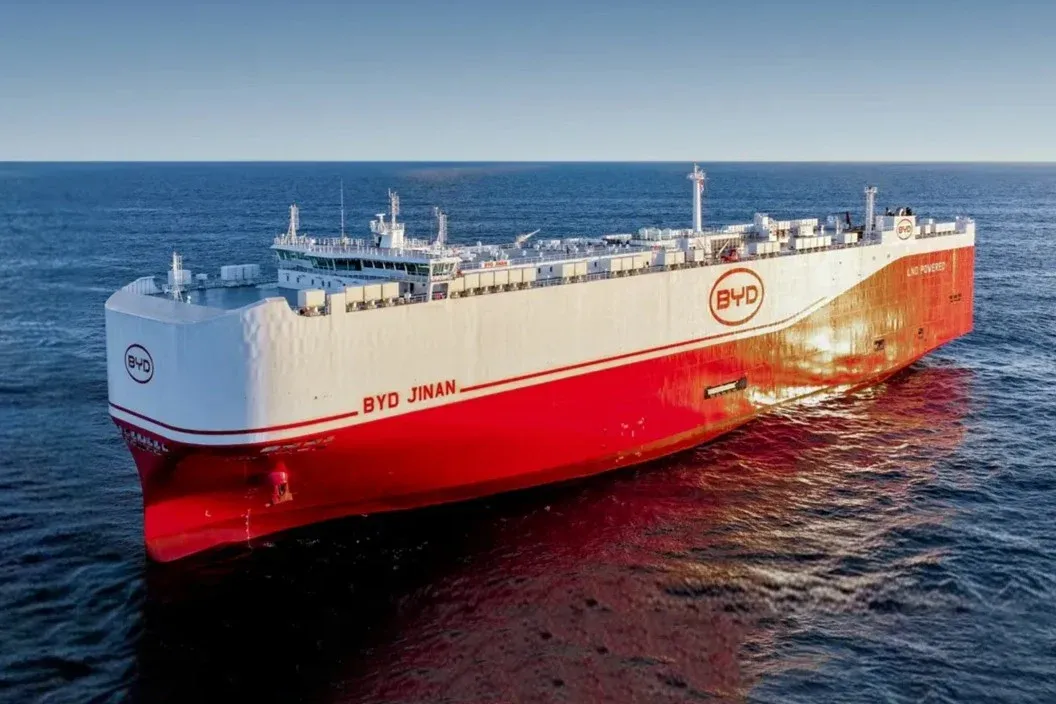
China is reducing the refund of export taxes for vehicles with alternative propulsion systems. Chinese automakers are under pressure as exports are a key driver of their growth, while domestic sales are showing signs of decline.
Image: BYD
The Chinese government is reducing state support for the export of vehicles with alternative drives (NEVs). Specifically, the Ministry of Finance and the state tax authority in Beijing have announced that the VAT refund for exporting battery electric vehicles and plug-in hybrids in the passenger vehicle sector, as well as electric buses and electric tractor units, will be lowered from 13 percent to 9 percent starting April 1, 2027.
The 13 percent refund previously covered all regular VAT charges incurred on purchased goods during vehicle production. This prevented double taxation of exported vehicles due to additional import VAT, allowing prices abroad to be set at lower levels accordingly.
By reducing the reimbursement rate to nine percent, four percentage points of tax will now remain as actual costs for manufacturers, since this difference will no longer be paid out by the government. Existing rules regarding the reimbursement and exemption from value-added tax remain unaffected by this measure.
China Gradually Reduces Support for Future-Ready Industries
The Chinese government did not provide a specific reason for these measures, but economists attribute them to the increased global competitiveness of Chinese industries. The government’s actions aim to curb aggressive price competition in international markets and encourage manufacturers to compete more through technology, brand quality, and service rather than government-supported discount prices.
The reduction in tax refunds is also another step by China to cut government subsidies for key future industries once they reach a certain level of market maturity. For example, VAT refunds on solar panel exports were eliminated starting April 1, 2026, while the refund rate for batteries is gradually being reduced and is set to be completely phased out by early 2027.
For Chinese automakers, the cut in tax refunds comes at a sensitive time, as their overseas business currently has to offset declines in the domestic market. According to data from the industry association CAAM, exports of vehicles with alternative powertrains rose by 130 percent in the first nine months of 2026 to nearly four million units, while domestic sales fell by 9.4 percent in September.
Analysts at Deutsche Bank estimate that the net profit of industry leader BYD will decline by about 5,000 yuan (around 670 euros) per vehicle exported starting from the second quarter of 2027. BYD sold over 1.34 million vehicles overseas in the first three quarters of 2026 – nearly 43 percent of its total sales. Other leading manufacturers such as Chery, Geely, SAIC Motor, Great Wall Motor, Changan, Leapmotor, GAC, and Xpeng will likely also be forced to offset the increased financial burden through higher efficiency, price adjustments, or lower margins.