
Bypassing weak batteries: Researchers extend the lifespan of electric vehicle batteries
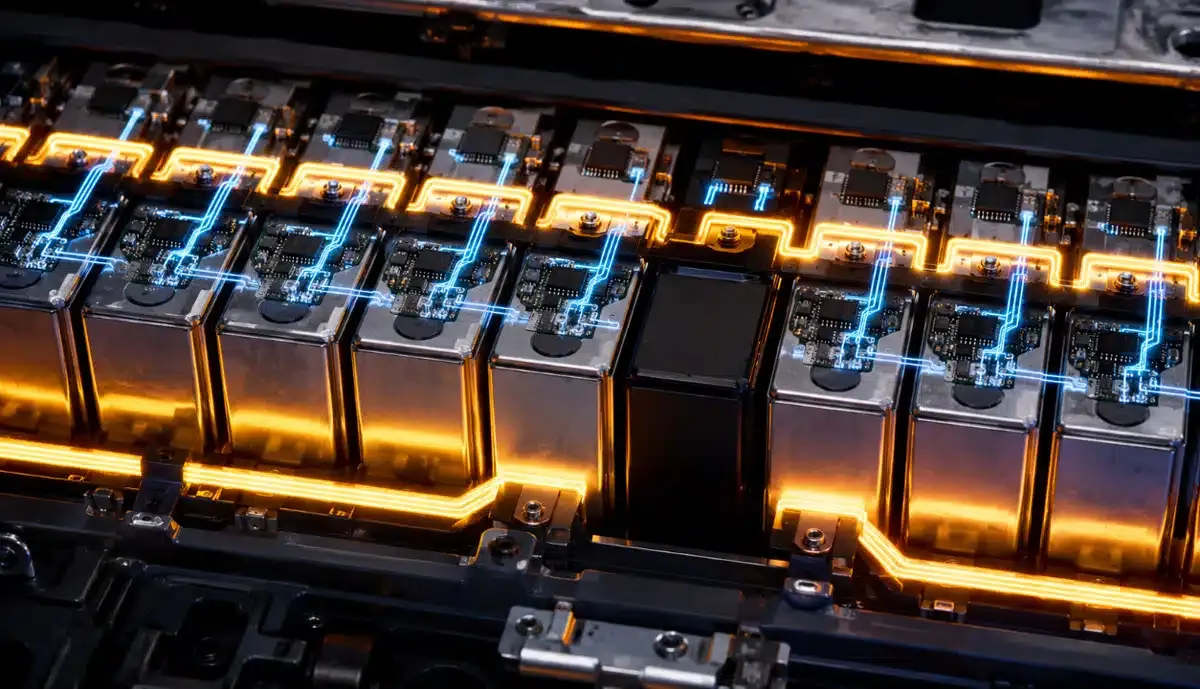
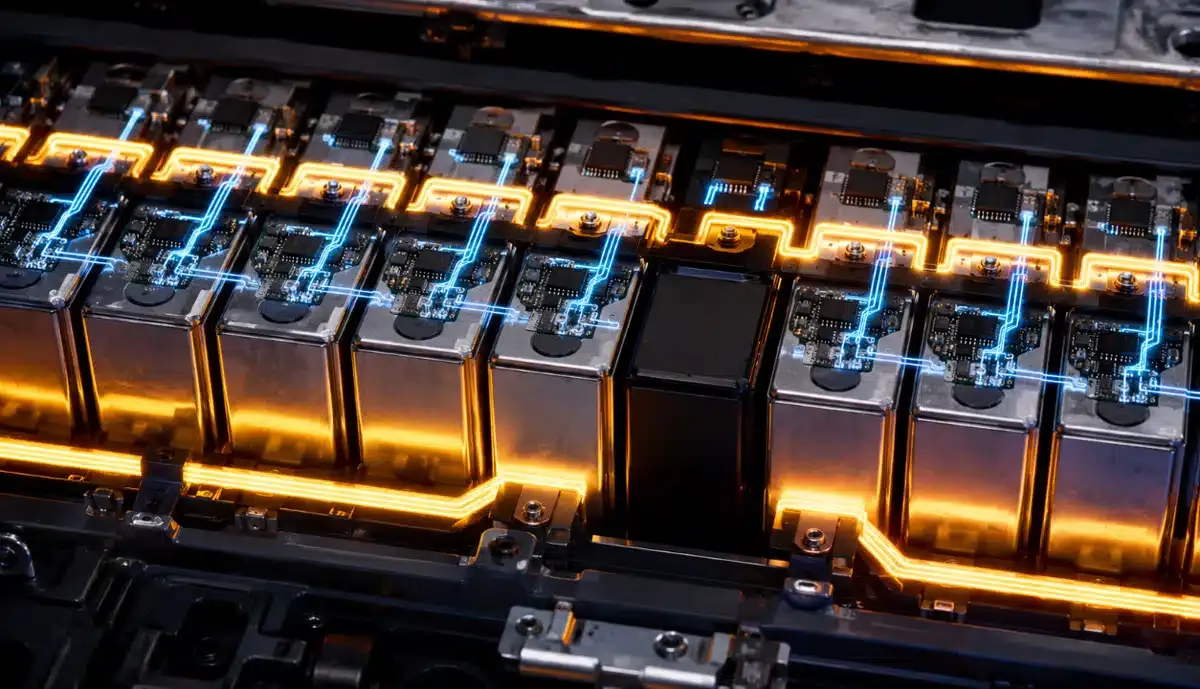
Image: AI | Albert Škegro
A new battery architecture could extend the lifespan of electric vehicle batteries by more than 20 percent under optimal conditions. This is shown in a study led by Sweden’s Chalmers University of Technology, published in the journal Nature Communications. The technology examined allows for bypassing weak battery cells and making better use of the remaining capacity.
Electric vehicle battery packs consist of numerous interconnected cells that degrade at different rates. In conventional battery systems, even a single weak cell can limit the lifespan of the entire battery pack. Therefore, researchers studied reconfigurable battery packs whose electrical connections can be altered using switches and control systems.
Model calculations show that individually controlling each cell can extend the battery life of certain high-voltage vehicles by more than 20 percent. This includes electric trucks and long-range electric cars. However, this figure represents a theoretical upper limit, as in practice multiple cells are likely to be controlled together.
In a computational example, the scientists considered an automobile battery with a capacity of 80 kilowatt-hours (kWh) and an annual driving distance of 12,000 kilometers. While the conventional battery pack was assumed to need replacement after ten years, the reconfigurable battery reached this point only after about eleven years, or roughly 14 months later. Due to its slower degradation, it also retained a higher residual value.
The technology has not yet been used in production vehicles but has already been tested in research and industrial prototypes. Additional electronics increase the cost of acquisition, which researchers say can be offset under many realistic conditions by a longer lifespan and higher residual value. Scientists see the greatest potential in high-voltage vehicles with long ranges and numerous cells connected in series.
The new architecture could also reduce the resource consumption in battery production. Since greater variations among individual batteries would be acceptable, the current effort required for testing and precise tuning could decrease. Additionally, more battery packs might be reused after use in electric vehicles, for example as stationary energy storage systems.
Also interesting
About the author
Thomas Langenbucher is an expert in electromobility with professional experience in the automotive industry and finance sector. Since 2011, he has been covering electric vehicles, sustainable technologies, and mobility solutions on ecomento.de. Learn more.
Reader interactions