
Russia proposes cheaper solar panels with longer lifespan and easier repair, based on an organic dye
10/16/2026 12:00
Updated to
10/16/2026 12:00
Research in solar energy continues to advance toward more efficient and durable devices. In this context, a group of scientists in Russia has presented an innovative method that could extend the lifespan of next-generation solar panels while simplifying their manufacturing process.
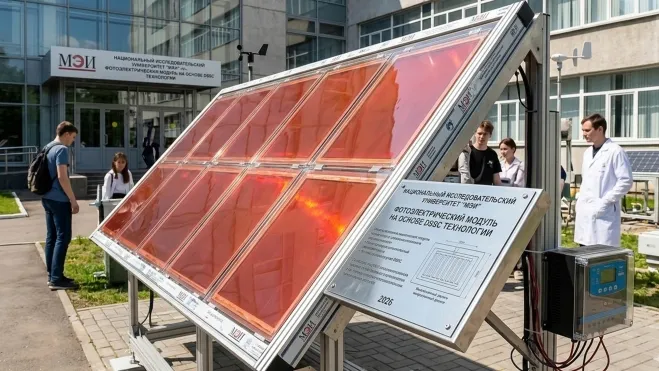
The development focuses on so-called dye-sensitized solar cells, abbreviated as DSSC in English, a technology considered third-generation among photovoltaic converters.
From Russia… an organic dye
The project was promoted by the National Research University (UNI), whose researchers propose a redesign of these solar cells using current collectors with microchannels.
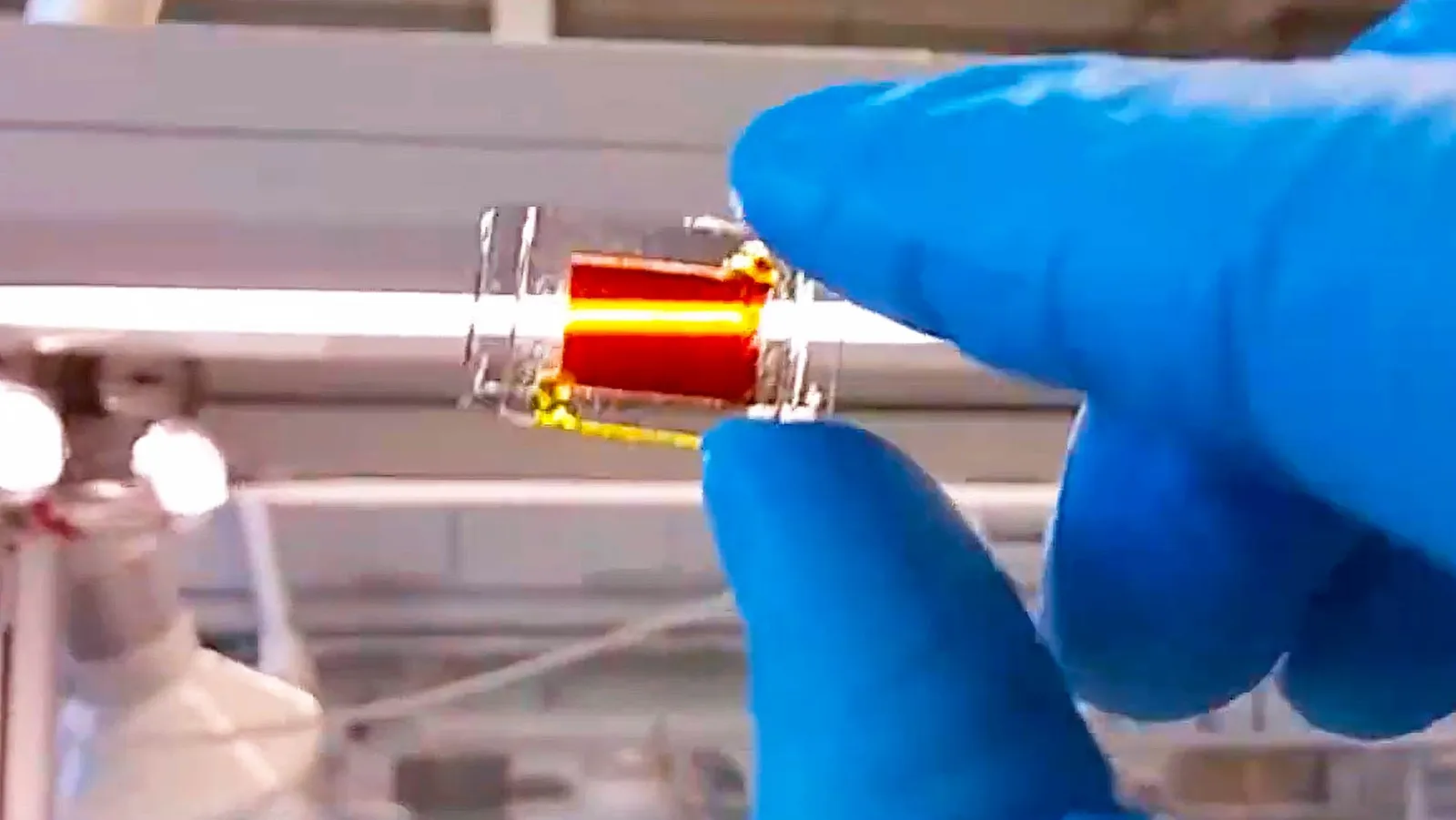
This system enables controlled circulation of liquid electrolyte within the device, a crucial element for the operation of this type of solar panels. According to experts, incorporating this structure not only simplifies the manufacturing process but also significantly improves the system’s durability and opens new possibilities for its repair or maintenance.
DSSC cells (Dye-Sensitized Solar Cells) operate differently from traditional solar panels. Instead of using only silicon to capture solar energy, they employ an organic dye capable of absorbing sunlight. When radiation hits this dye, electrons are released. These electrons then move to a semiconductor layer and flow into an external electrical circuit, generating electricity.
An electrolyte located between the electrodes of the solar cell also plays a role in this process. Its function is to regenerate the dye by returning the electrons it lost during the reaction. In this way, the energy conversion cycle can continue continuously as long as there is available sunlight.
The problem that Russian scientists have tried to solve is precisely related to the circulation and stability of that liquid electrolyte. Over time, limitations in the internal flow of the material can affect the performance and lifespan of solar cells. The introduction of current collectors with microchannels aims to avoid these limitations by facilitating a more efficient movement of the electrolyte within the device’s structure.
According to the rector of the National Research University, this development demonstrates the potential of DSSC solar cells to increase the utilization of solar energy. The academic leader emphasized that the new structures designed by the researchers enable overcoming some of the existing technological barriers in this type of photovoltaic devices.
In addition, the proposed system would allow for the design of customized circuits for electrolyte circulation within solar cells. This flexibility enables configurations tailored to various industrial or architectural applications, something that has been more difficult with conventional designs until now.
One of the main advantages of DSSC cells over silicon-based solar panels is their potentially lower production cost. This type of technology requires fewer investments in manufacturing and can also utilize a wider range of light frequencies. In practice, this means they can generate electricity even under diffused lighting conditions, when direct solar radiation is limited.
Another relevant feature of this technology is its structural versatility. DSSC solar cells can be manufactured on flexible substrates, which greatly expands their possibilities for integration. This would allow them to be incorporated into building facades, architectural elements, curved surfaces, or even portable electronic devices.
Researchers emphasize that these properties make DSSC a technology with broad application prospects in both the energy sector and fields such as engineering and architecture. The new method proposed in Russia could enhance this potential if it manages to improve two key factors for the expansion of solar energy: device durability and manufacturing simplicity.