
Renault confronts Nissan and Ford: it doesn’t want its electric cars to be copies of theirs
Sharing platforms and technology has become one of the main strategies for manufacturers to reduce development costs for electric cars. It is the shortest and easiest route. But it is not free of problems and risks. Renault has raised one such issue, believing that some of these collaborations have gone too far and wanting to change the rules for its future partners.
Renault Group’s new CEO, François Provost, used the Paris Motor Show to send a clear message to manufacturers using the French brand’s technology: sharing a platform is fine, but that doesn’t mean the cars have to be virtually identical. This warning directly affects Nissan, Ford, and Mitsubishi, with whom Renault has various industrial agreements.
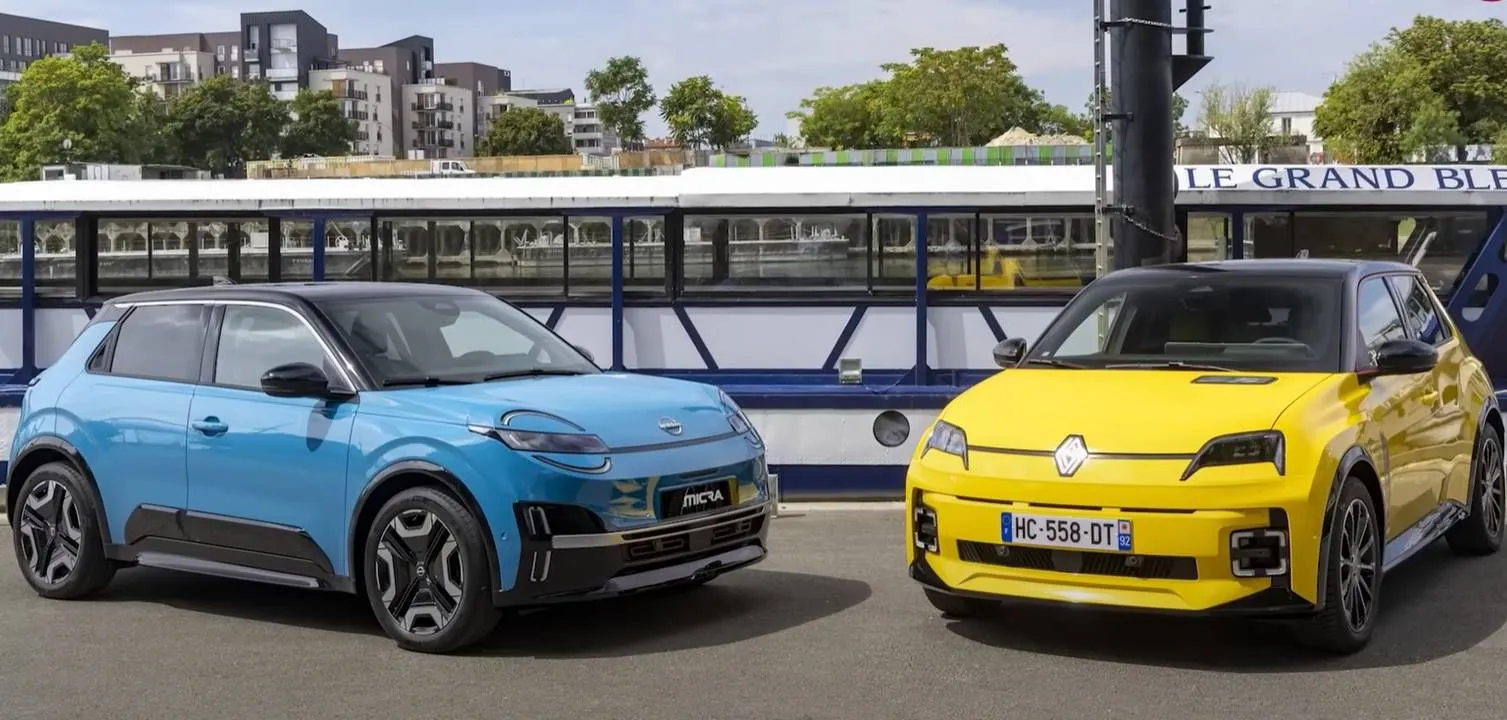
The origin of this shift in strategy lies with the new Nissan Micra, a model that uses the same platform as the Renault 5 and that, in some aspects, differs little from its French counterpart—mainly in terms of sales figures, obviously. We’re not just talking about sharing engines, batteries, or mechanical components, which is quite common in the industry, but also about an interior that is virtually identical and a body design where the main differences lie in the front and rear lighting units.
This situation has not fully convinced some Renault executives. According to internal sources cited by Autocar, there has been some dissatisfaction within the French company over the few changes Nissan has made to its new electric utility vehicle. It is a curious situation, given that Renault is actually responsible for manufacturing the Micra and that the two companies have maintained an industrial relationship for decades.
The issue also has an economic explanation. Renault offers its partners different levels of customization, which can go as far as developing specific body panels. However, the greater the differentiation, the higher the manufacturing cost. And one of the main advantages of these partnerships is precisely leveraging economies of scale to produce more affordable electric cars.
Renault wants future Ford and Nissan models to have their own identity

The provost believes the approach initiated by his predecessor, Luca de Meo, requires some adjustments. During his speech in Paris, the executive admitted that Renault had not demanded enough differentiation from its partners and assured that this situation would not recur in future projects.
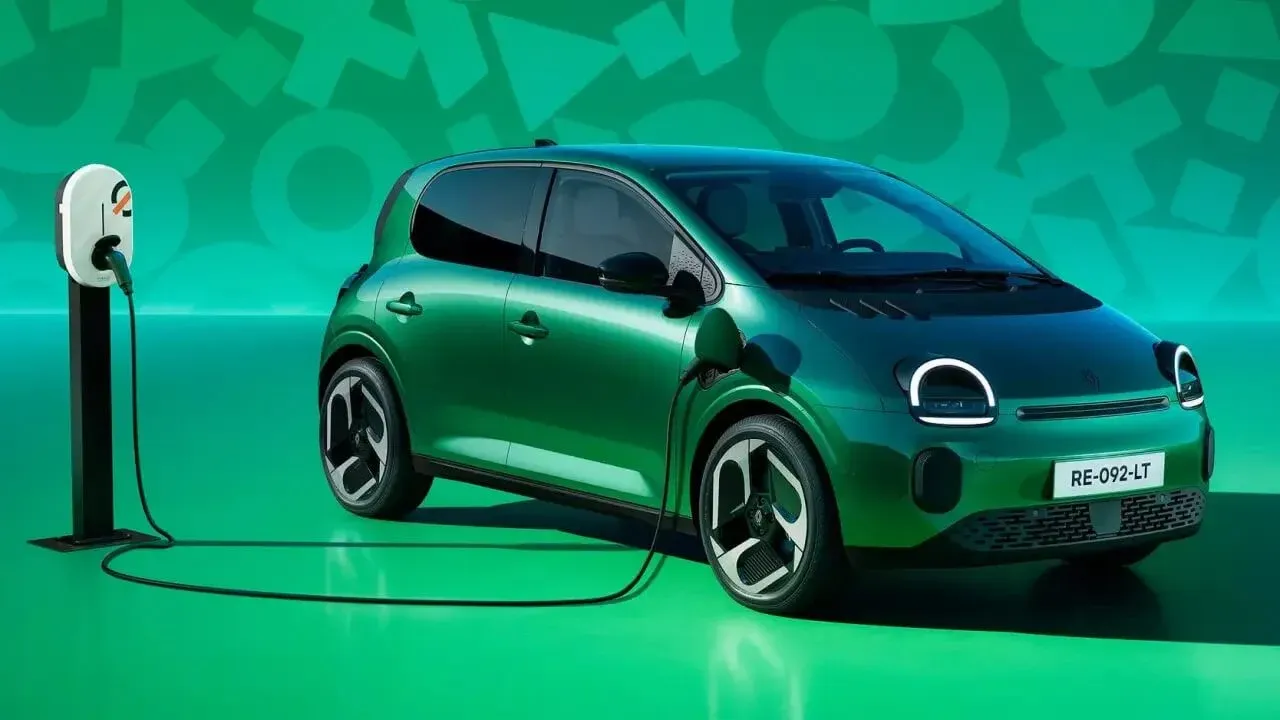
As an example of what he considers a well-structured collaboration, he cited the Renault Twingo and the Dacia Spring. These two cars share a technical base but feature distinctly different designs aimed at separate customer segments. For the French official, this should serve as a benchmark for future industrial partnerships.
"It's a change from my predecessor. I will never again reach agreements without sufficient differentiation," said Provost. This statement represents a significant shift in the group's strategy, especially at a time when Renault is expanding its role as a provider of technology and manufacturing capacity to other manufacturers.

That’s why Provost wants the terms to be clear from the start. His intention is to focus on a smaller number of collaborations, but with strategic partners interested in maintaining long-term industrial relationships, rather than one-off deals aimed merely at leveraging an already developed platform.
This issue is quite important for the future of small electric cars in Europe. Renault has managed to gain a favorable position thanks to its family of platforms for urban and compact models, which allow investment sharing across different brands. The Renault 5, Renault 4, and Twingo are some of the key models in this strategy, alongside projects from Nissan, Mitsubishi, and Ford.
But this approach also poses a commercial risk. If two manufacturers offer cars that are virtually identical, with the same technology and minimal aesthetic differences, customers may end up making their decision solely based on price, equipment, or the proximity of the dealership. This can result in two brands that should complement each other’s sales ending up competing directly against one another.
What Renault is seeking now is to maintain the industrial advantages of sharing components, engines, and batteries, while preventing its partners from ending up selling what consumers might perceive as a Renault with a different logo. This strategy makes sense from a commercial perspective, though it will also require the affiliated manufacturers to invest more money in developing their own identities.
The real test will come with Ford and Nissan’s upcoming electric cars. It will then be possible to see if Renault has found the balance between reducing production costs and ensuring that each manufacturer retains its own personality.