
Eight cars you can’t miss at SAHE 2026
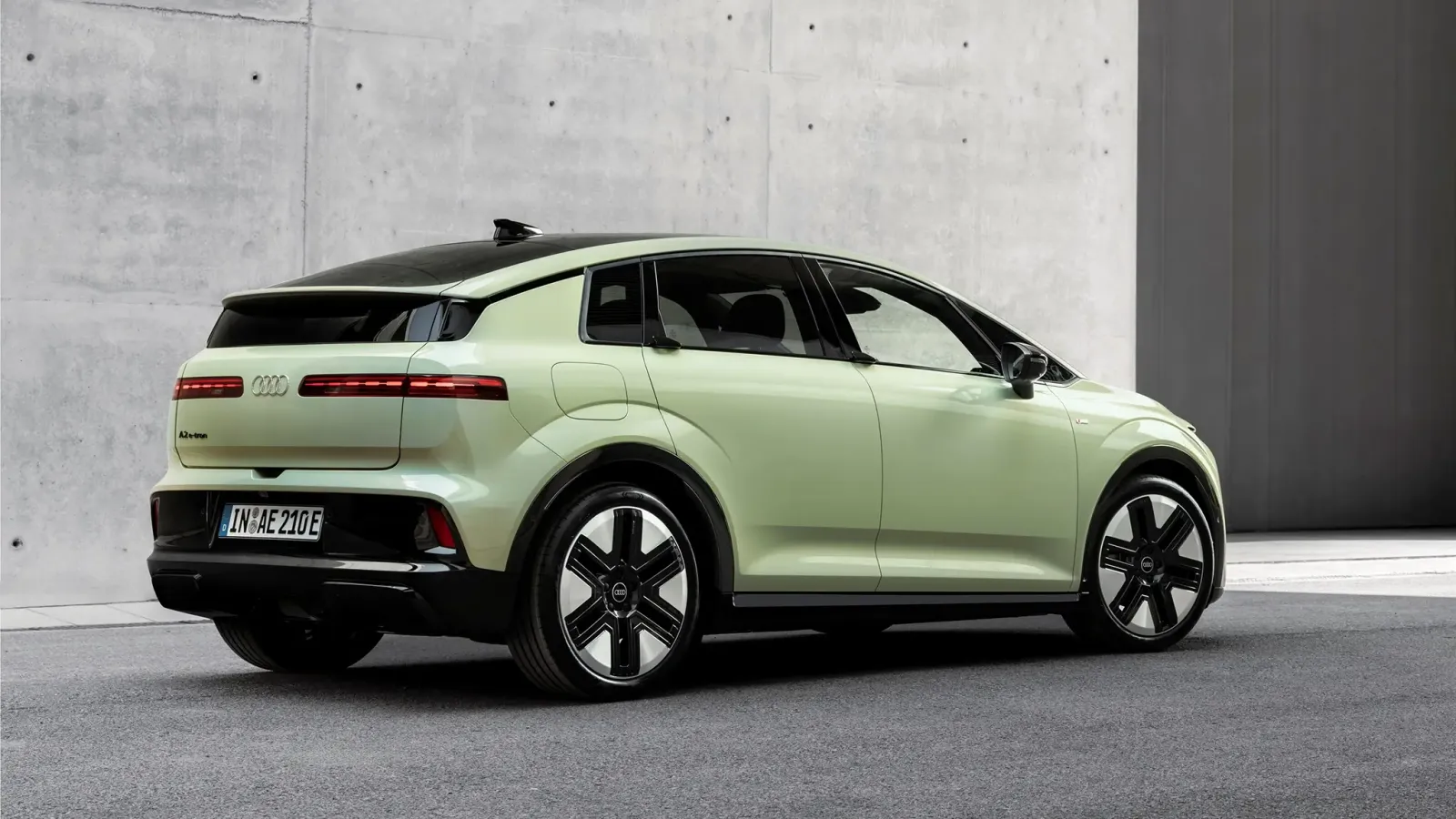
From the new Audi A2 e-tron to the Volvo EX60 with over 800 km of range, everyone will want to see these eight cars at the SAHE 2026.
Some cars have not yet reached dealerships, others will only appear on roads in the coming months, and a few have just launched in the Portuguese market. From October 16 to 18, some of them will converge at Alfândega do Porto, with the return of the Hybrid and Electric Automobile Show (SAHE).
In its 10th edition, SAHE brings together 32 brands and 101 models, featuring electric, hybrid, and plug-in hybrid vehicles. For those who prefer to clarify their doubts behind the wheel rather than relying on technical specs, test drives will also be available.
It’s three days of plenty to see. That’s why we’ve done the selection: these are eight cars that deserve a must-see stop at SAHE 2026.
ADVERTISING
Want to buy an electric car?
There are over 2000 used electric vehicles here.
Audi A2 e-tron
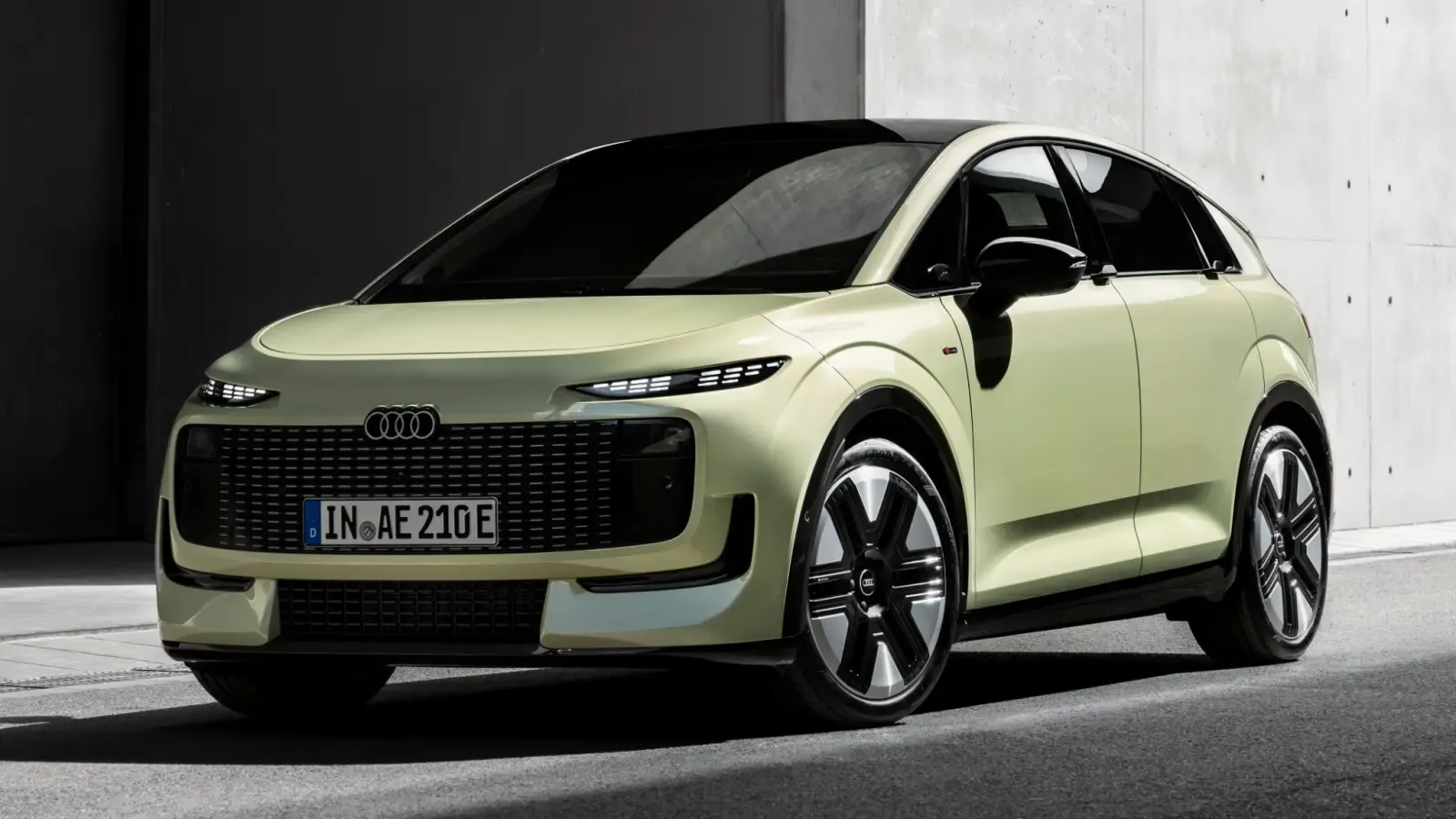
Some models deserve a second chance. The Audi A2 is one of them. When it first hit the market in 1999, it didn’t achieve the commercial success the brand had hoped for, and now it returns with a different mission: to position itself as the entry-level electric vehicle from the German brand.
The new A2 e-tron retains the original’s monovolume silhouette but adapts its design for the electric era. It measures 4.32 meters in length, features rear-wheel drive, and has an aerodynamic coefficient of just 0.24.
The range includes batteries with capacities of 52, 61, and 84 kWh, power outputs between 125 kW (170 hp) and 240 kW (326 hp), and a maximum range of 646 km (WLTP). Prices in Portugal start at 38,999 euros.
BMW i3
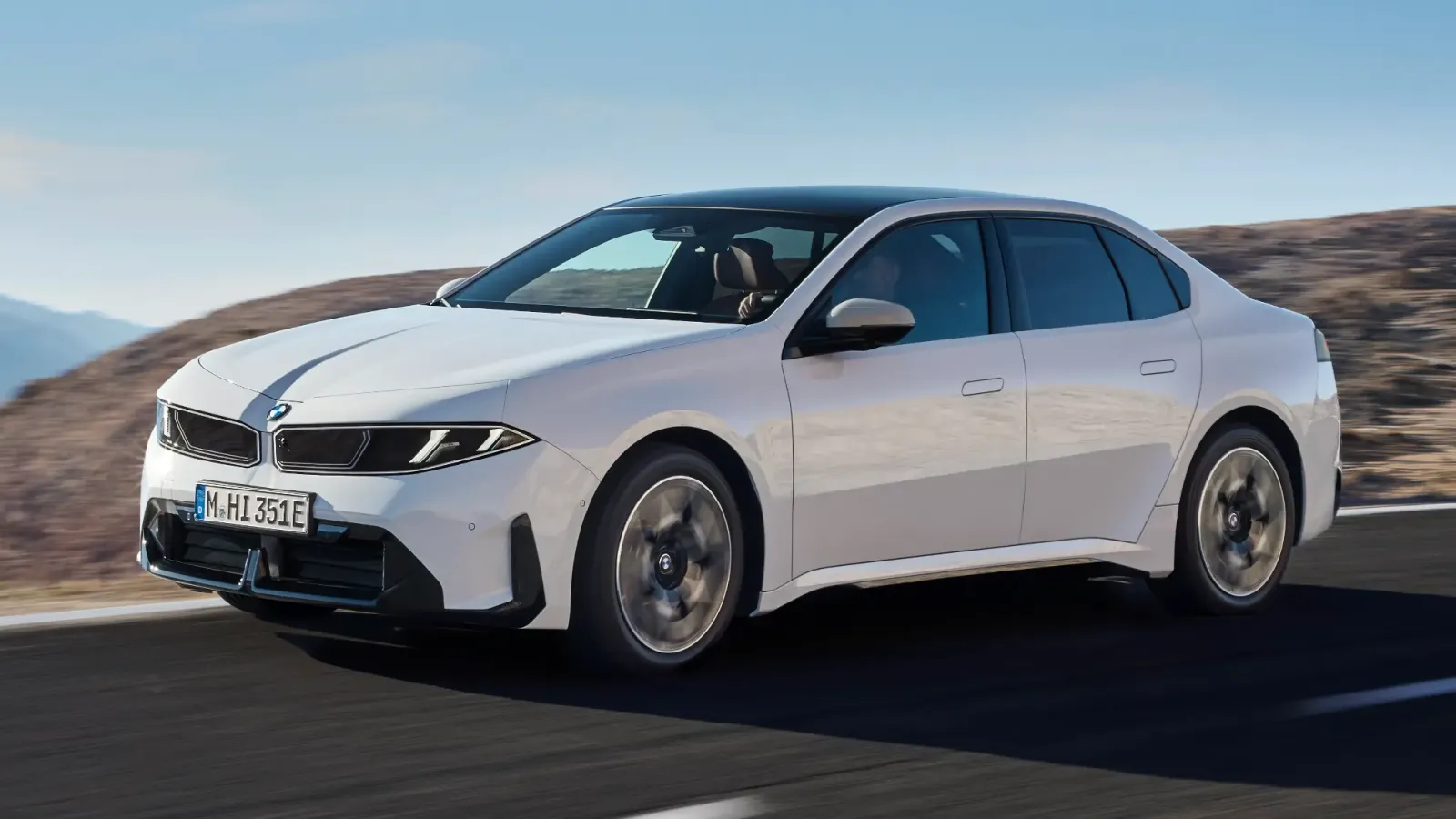
The BMW Series 3, one of the most important models in the brand’s history, has embraced full electrification (although it still offers a gasoline version), introducing a new generation of technology designed to address one of the biggest concerns for electric vehicle drivers: range.
For the i3, BMW claims a range of up to 912 km thanks to a 108 kWh battery and a lower, more aerodynamic body design. The charging speed can reach 400 kW.
The BMW i3 is expected to hit the market at the end of this year. The first version to arrive will be the 50 xDrive, equipped with two motors (one per axle) and all-wheel drive, delivering a total of 345 kW (469 hp) of power and a maximum torque of 645 Nm.
Later on, rear-wheel drive variants with smaller battery capacities will arrive, along with high-performance versions developed by BMW M. Prices start at 59,500 euros for the i3 40 xDrive and 65,500 euros for the i3 50 xDrive.
Changan Deepal S05 Ultra-Hybrid
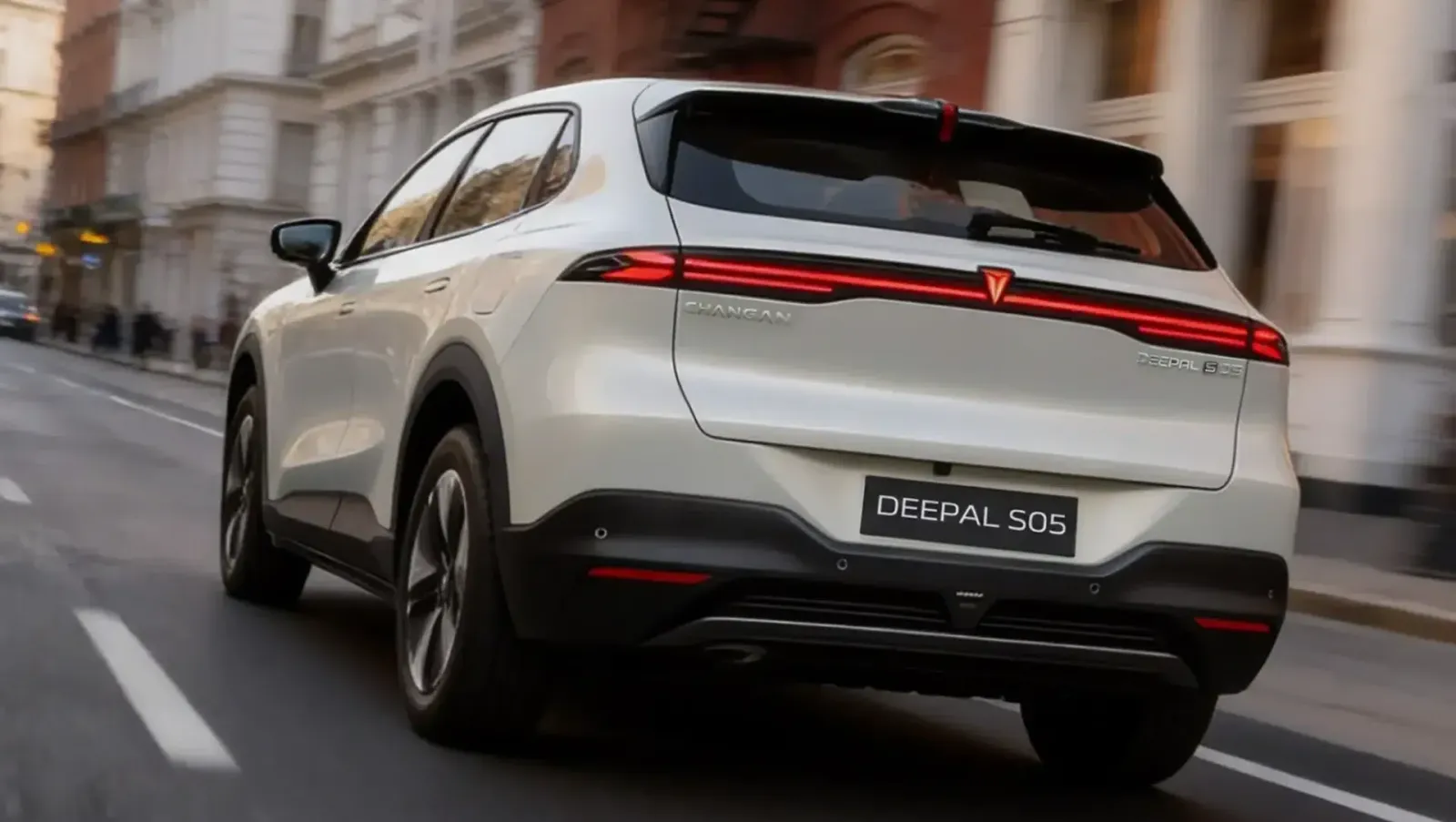
Not all the new models at SAHE are fully electric. The Changan Deepal S05 Ultra-Hybrid aims to combine the daily usability of an electric vehicle with the range of a car equipped with a combustion engine.
To achieve this, it relies on a system that combines a 172 kW (234 hp) electric motor with a 1.5-liter gasoline engine and an 18.4 kWh LFP battery. The combined maximum power reaches 190 kW (258 hp), while the electric range can go up to 100 kilometers.
But another figure catches more attention, as Changan claims a combined range of 1060 kilometers. The Deepal S05 Ultra-Hybrid is already available in Portugal, with prices starting at 33,990 euros.
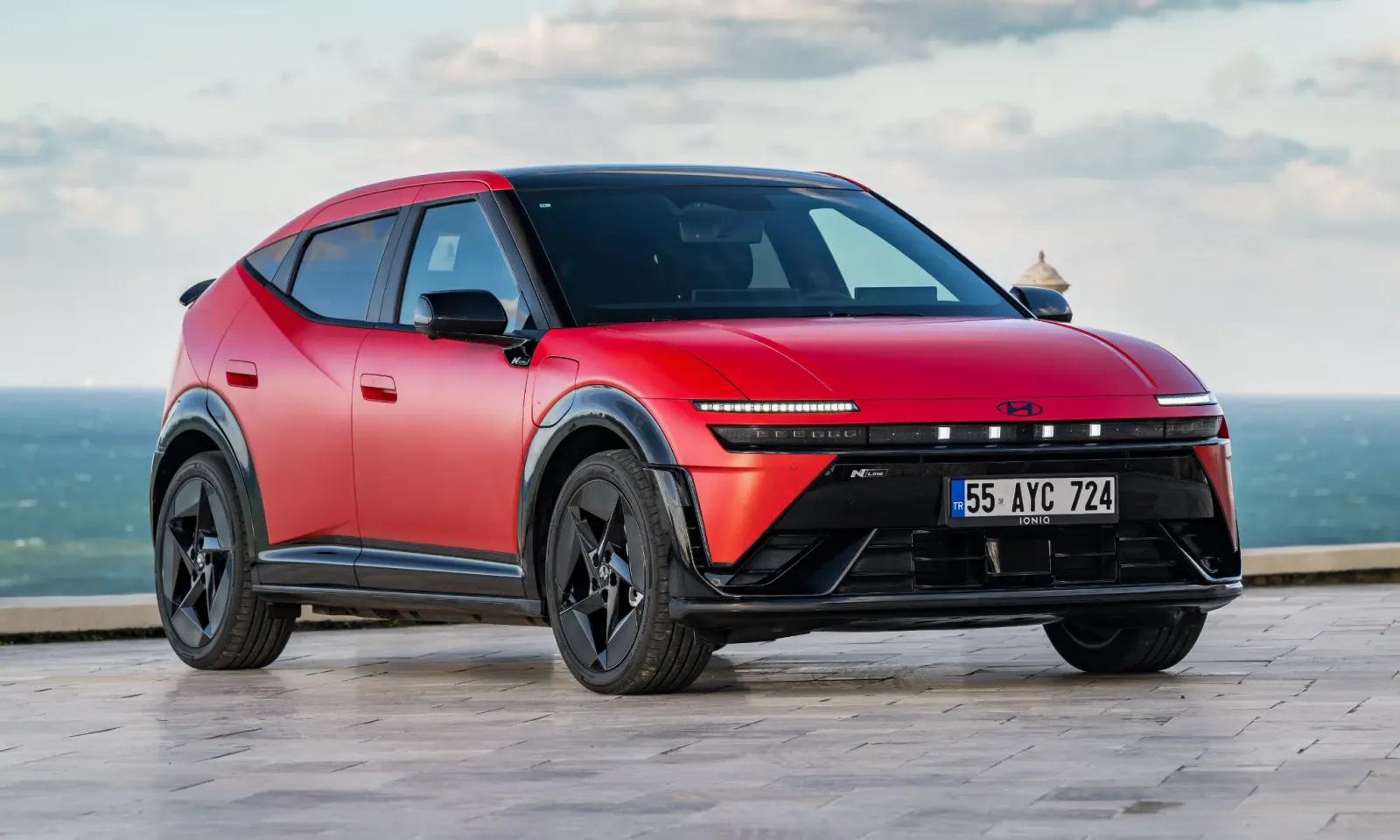
Hyundai IONIQ 3
In a compact electric vehicle, range and interior space don’t always go hand in hand. The Hyundai IONIQ 3 aims to challenge this notion: it measures just over four meters in length and promises a range of up to 490 kilometers (WLTP).
The Long Range version features a 61 kWh battery and an advertised range of up to 497 kilometers. There is also a Standard Range version with a 42.2 kWh battery and a range of up to 344 kilometers.
With an expected arrival in Portugal this autumn, the Hyundai IONIQ 3 already has fixed prices for the domestic market: it starts at 33,500 euros.
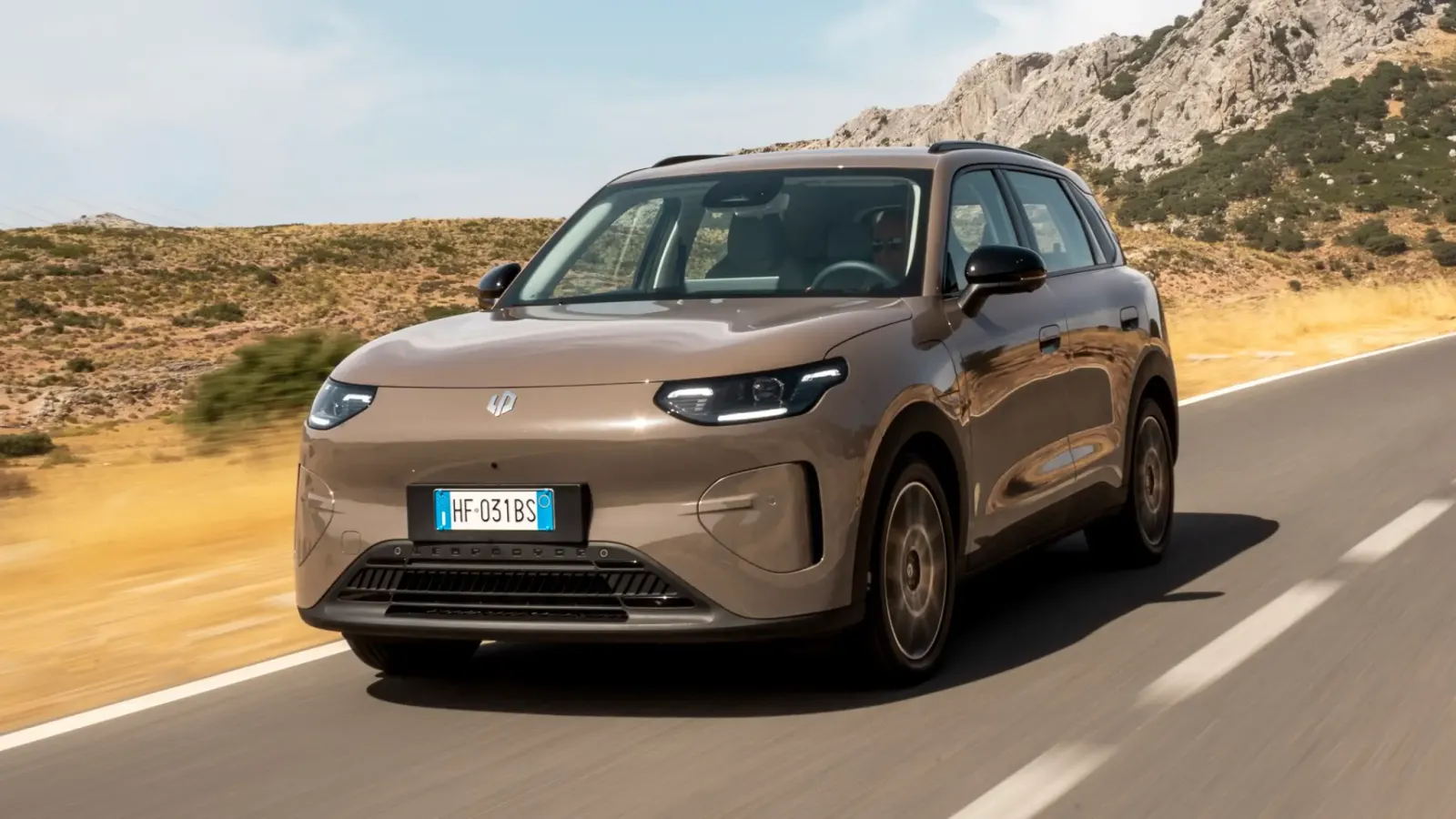
Leapmotor B03X
If there is one segment where Chinese brands want to gain ground in Europe, it is the compact SUV market. The Leapmotor B03X is another offering in this competition: it has a length of 4.2 meters, a 100% electric motor, and dimensions designed to appeal to those looking for a family car without having to move up to a higher segment.
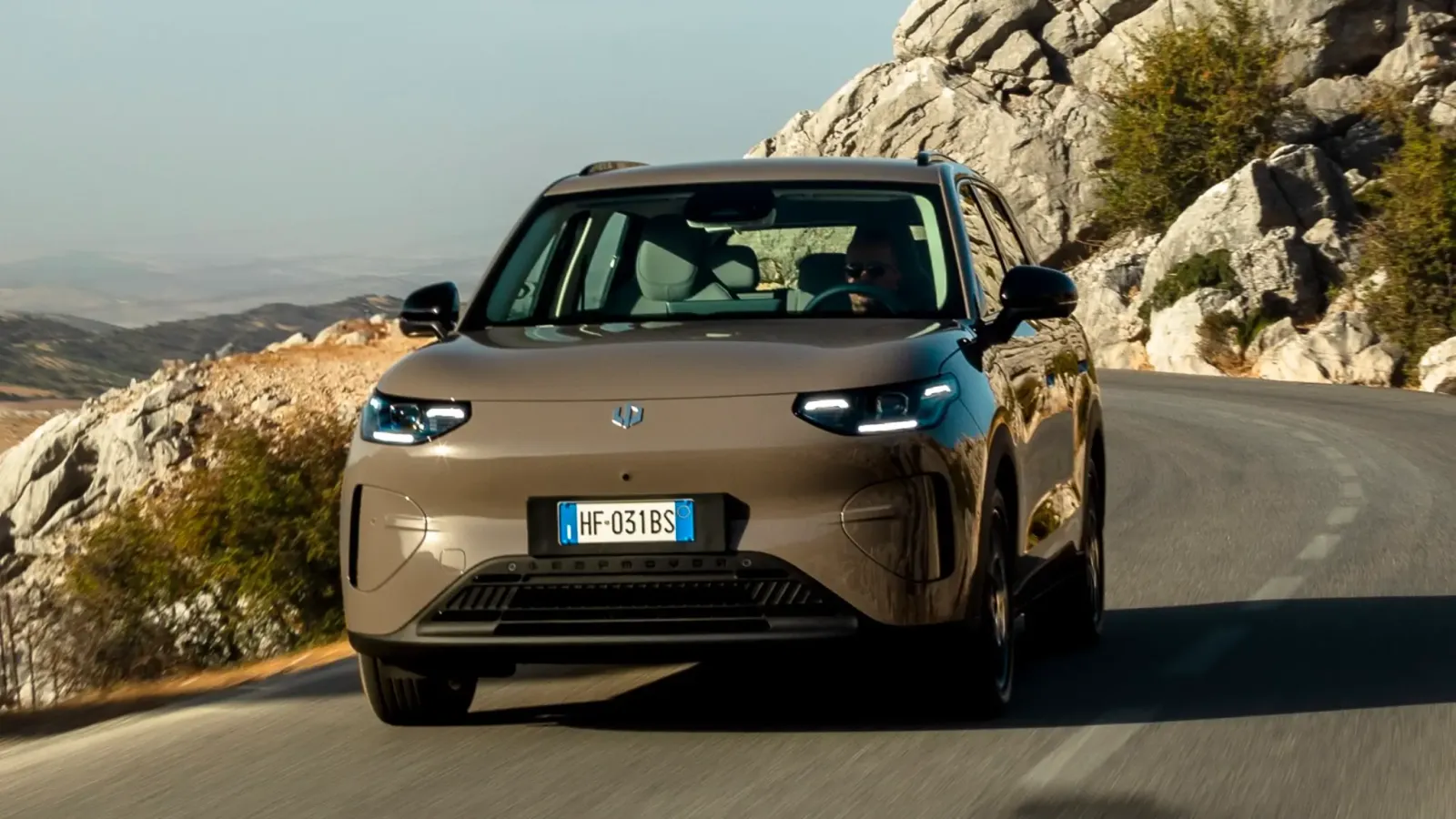
Introduced to Europeans at the Brussels Motor Show, the B03X promises nearly 400 km of range. The entry-level version features a 39.8 kWh LFP battery, delivering 130 kW (177 hp) and 292 km of range under WLTP combined cycling. The model I tested also uses LFP chemistry, but with an increased capacity to 53 kWh, a range of 382 km, and power output of 145 kW (197 hp).
The B03X is positioned below the B10 in Leapmotor’s lineup and is available starting at 24,265 euros for the Life Pro version.
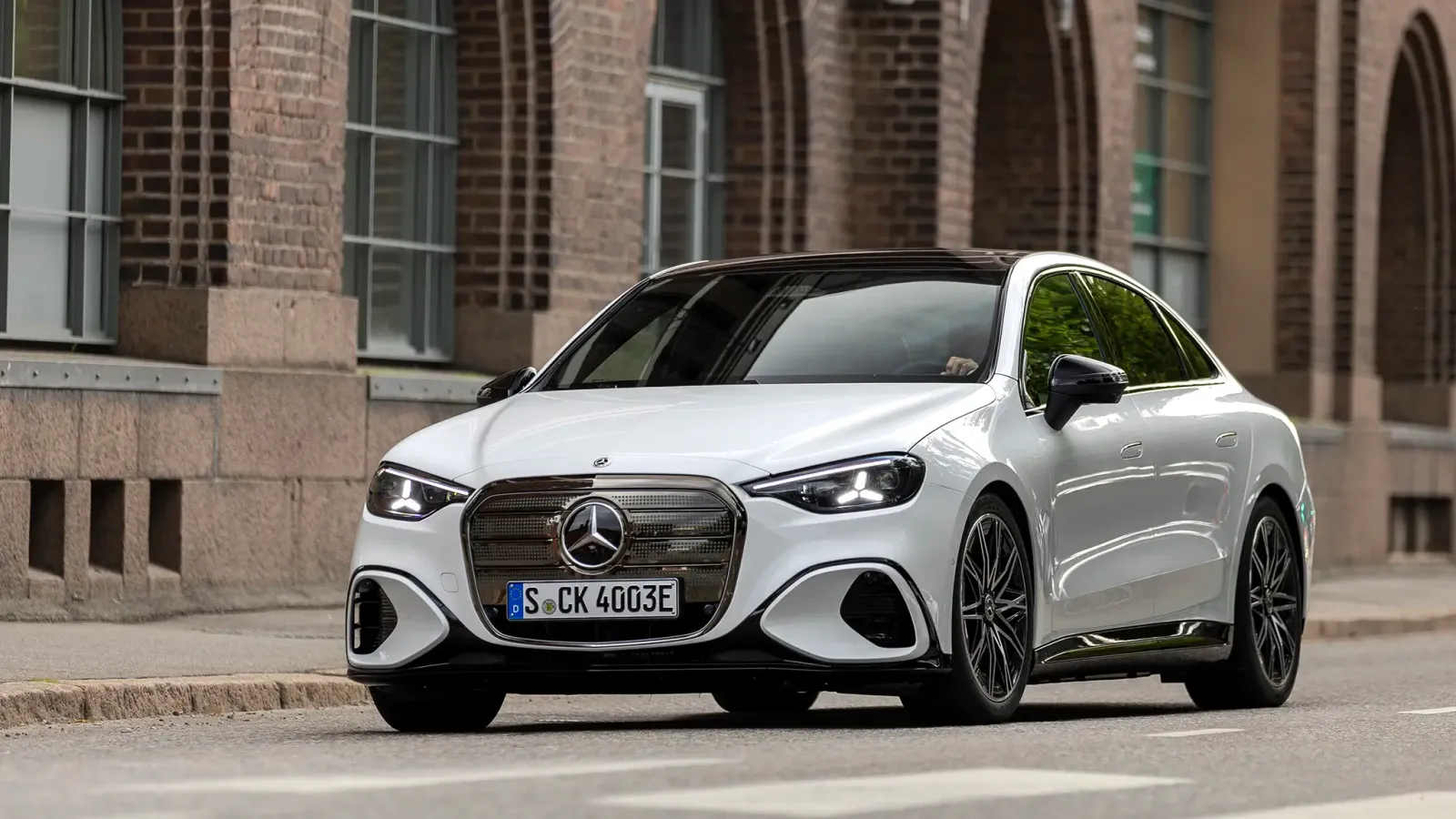
Mercedes-Benz Electric C-Class
For the first time in its history, the Mercedes-Benz Classe C features a version developed from scratch to be 100% electric. And despite its familiar name, almost everything beneath the bodywork is new.
The range includes versions with usable battery capacities of 85 kWh and 94 kWh, ranges that can exceed 750 km, and fast charging speeds over 300 kW. In the most powerful version, Mercedes-Benz claims a WLTP range of up to 762 km and the ability to recharge over 300 km in just 10 minutes.
The new Mercedes-Benz Classe C electric is already available for order in the C 400 4MATIC version, with prices starting at 70,600 euros.
In the video above, you’ll find everything you need to know about this model. But if you still have questions, you can watch it live during the three days of SAHE at the Soc. Com. C. Santos venue.
Volkswagen ID. Cross
The Volkswagen ID. Cross is positioned as the most affordable electric SUV from the German brand, with a starting price of 35,950 euros. At 4.25 meters in length and featuring a trunk space of 475 liters, it offers a compact design while still providing enough room for family use.
Built on the MEB+ platform shared with the ID. Polo, the ID. Cross will be available in three power levels: 85 kW (116 hp), 99 kW (135 hp), and 155 kW (211 hp). The range includes two battery options with capacities of 37 kWh and 52 kWh, enabling advertised average WLTP ranges of up to 316 km and 436 km respectively, though these figures are still subject to approval.
The new ID. Cross is expected to arrive in the domestic market at the end of December. However, this won’t be Volkswagen’s only new arrival at the show. The brand’s first electric GTI will also be on display:
Volvo EX60
There’s no other way to put it: the EX60 is one of the most significant launches in Volvo’s history. First, because it introduces a new generation of technology to the brand’s electric vehicles; second, because it serves as the 100% electric alternative to Volvo’s best-selling model for several consecutive years, the XC60.
With a typically Volvo design, the EX60 takes few risks in terms of aesthetics, and its interior appears somewhat conservative compared to its main competitors. However, the choice of materials and finishes is thoughtful, and its ride comfort is among the best in its class.
The range of the new Volvo EX60 starts with the P6 model, which features rear-wheel drive, 275 kW (374 hp), and a range of up to 620 km. However, it is the top-tier model that boasts the most impressive specifications. The EX60 P12 AWD combines 500 kW (680 hp) with a 112 kWh usable battery, offering a WLTP range of up to 810 km. Its 800 V architecture enables fast charging at up to 400 kW.
The EX60 is already available for purchase in Portugal, with prices starting at 67,906 euros. It is currently one of the electric vehicles with the longest range available on the market.