
NORWAY. Ecoenergy chargers blew fuses in 6 electricians’ equipment. The Ionity pilot project seems to have failed.
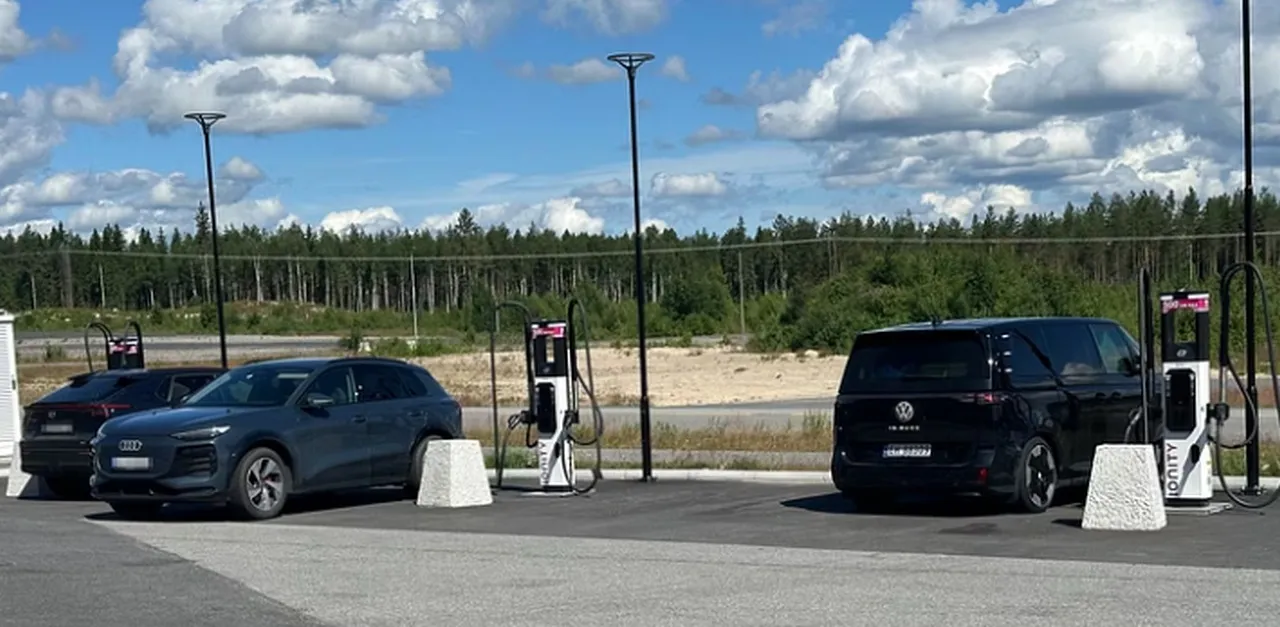
This is likely the first incident of its kind in the world. The Ekoenergetyka Polska chargers, installed on a pilot basis at one Ionity location in Norway, triggered pyrotechnic fuses, causing six electric vehicles charging there to become immobilized. The operator is already aware of the issue, as is the charger manufacturer, and the devices are set to be replaced this week.
Pyrotechnic fuse activation = a very serious problem
A pyrotechnic fuse is a fuse equipped with a small amount of explosive material. When the car’s computer detects severe overloads (such as hitting an obstacle), it decides to trigger the charge. The micro-explosion damages the connection and cuts off the car’s high-voltage system from the battery. This eliminates the risk of a wire carrying several hundred volts and capable of delivering hundreds of amps lying around loose. Meanwhile, the battery cells themselves only have a few volts, a value completely harmless to humans.
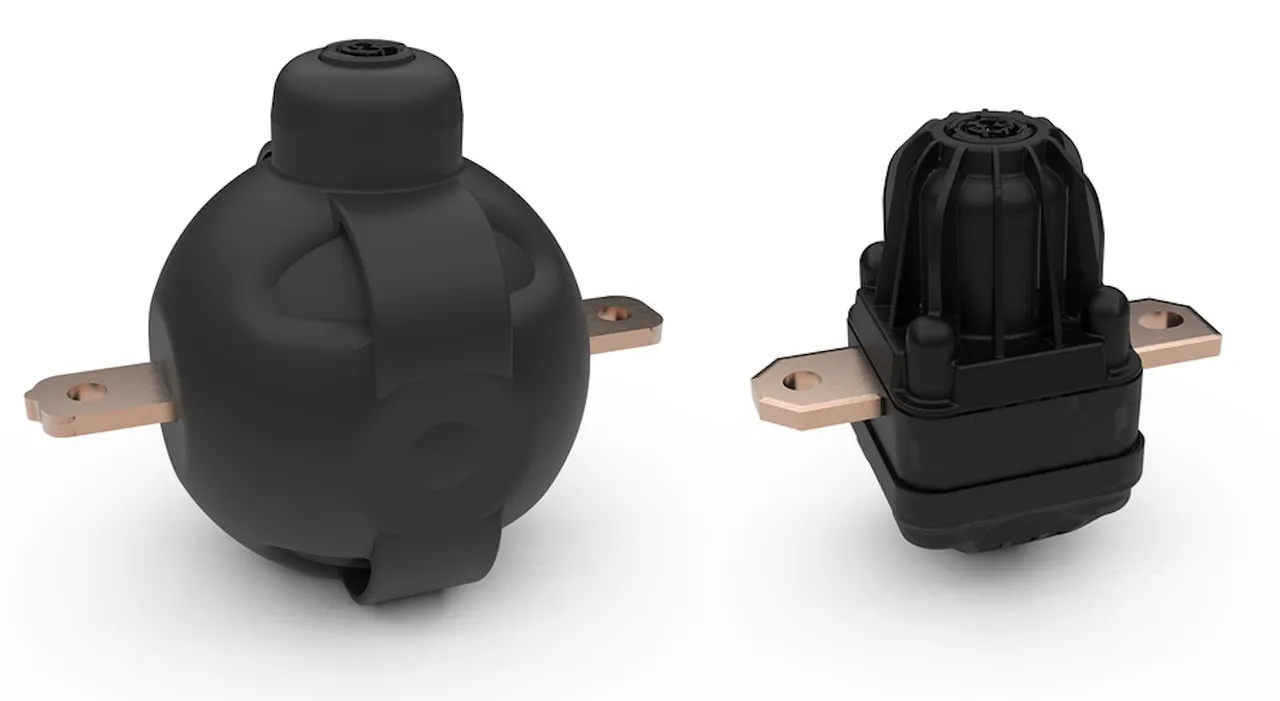
Astotec Automotive’s pyrotechnic fuses for systems up to 1,000 V
Chargers from Ekoenergetyka at one pilot Ionity station in Norway caused a charge to explode inside a fuse, according to William Jarbeaux from Out of Spec (Europe). It is unknown how this occurred. We can only assume that the devices supplied too high a voltage or current in the circuit, which logically corresponds to a short circuit in vehicle electronics and thus triggered the fuse. After all, it’s better to have a blown fuse than overheated batteries and fireworks under the car. Ekoenergetyka admitted to a problem with their equipment, while Ionity announced it would replace the chargers.
The disastrous Ionity station (c) Adressa.no, by: William Jarbeaux / X
The biggest trouble lies with six owners of electric vehicles that were “shut down” due to faulty devices. The pyrotechnic fuse is not a component that can be repaired manually. Once it triggers, most service centers initiate the “accident vehicle” procedure, which involves a series of costly tests. Some manufacturers require that the vehicle or battery be sent to a specialized facility or even to the manufacturer’s research center. Others refuse repairs and only offer to replace the entire battery at a fee.
The situation described above is specific; it might be possible to bypass the “accident vehicle” procedure if the charger manufacturer or charging station operator provides a declaration. However, it will definitely cost time and money.
Article Rating
Reader Ratings
[Total: 4 votes Average: 5]
Don’t miss new content — CLICK and FOLLOW Elektrowoz.pl on Google News. You might also be interested in the following ads: