
Fines of 200 euros for signs not even recognized by DGT itself: the unresolved problem on Spanish roads
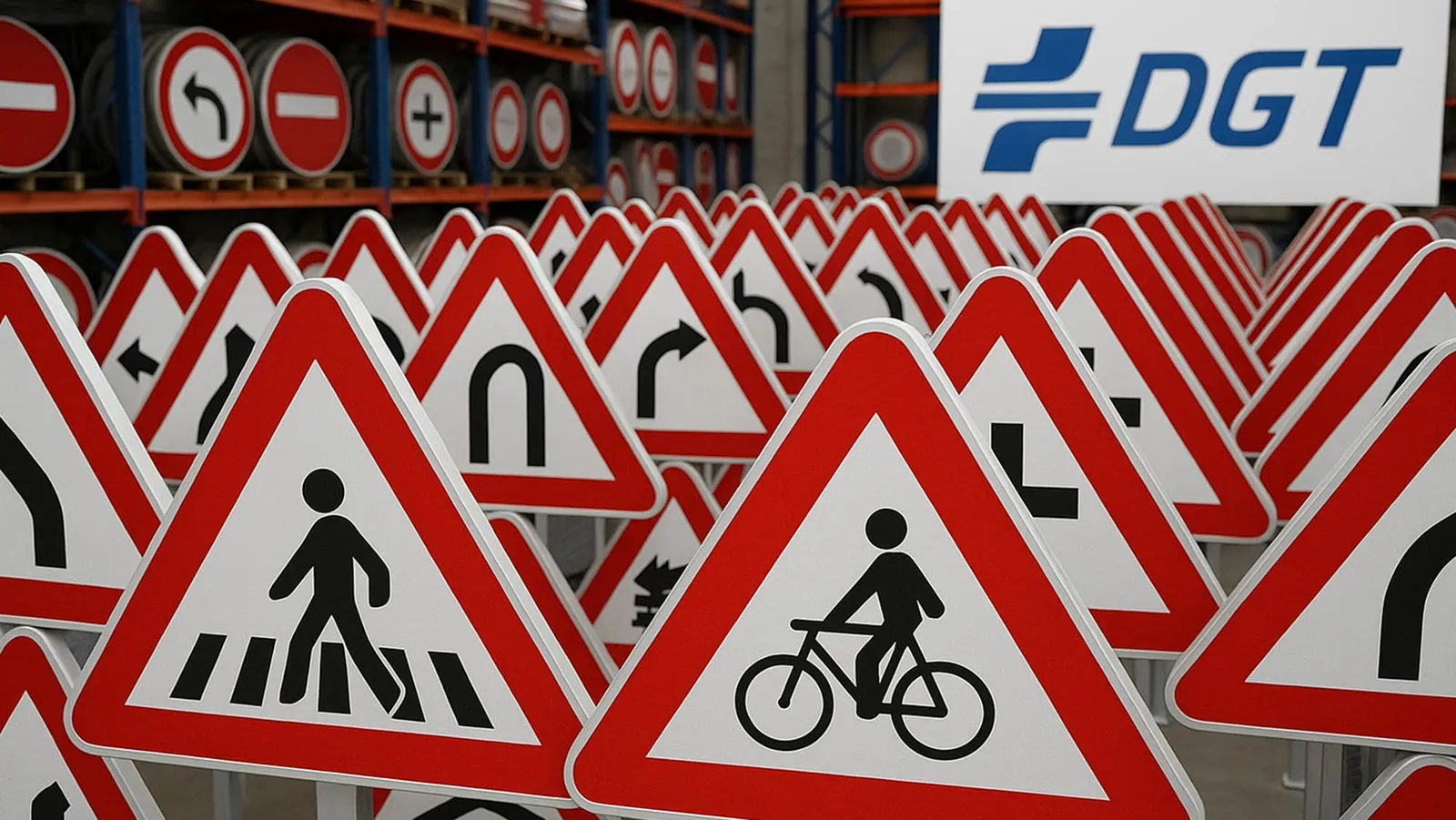
16/10/2026 10:00
Updated to
16/10/2026 10:00
In Spain, ignoring a traffic sign can result in a fine of 200 euros. However, there are signs installed on streets and roads that are not even listed in the official catalog of the Dirección General de Tráfico (DGT), raising doubts about their validity and whether drivers who fail to obey them can be fined.
This issue particularly affects signs created by some municipalities to regulate specific traffic situations, from certain driving restrictions to spaces reserved for electric vehicles. The presence of a sign that is not among those recognized by the state does not automatically mean that any fines related to it are valid.
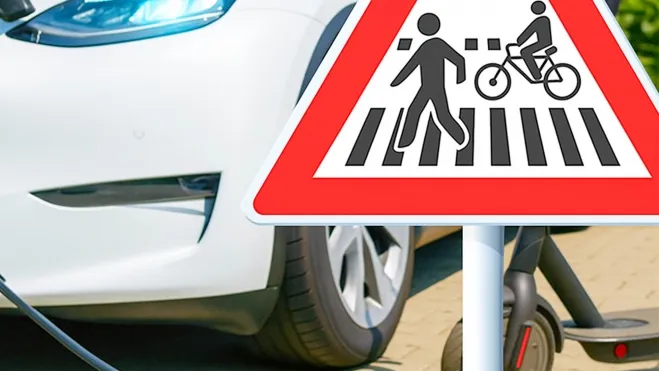
Signs not recognized in the DGT’s catalog can also result in fines
The Traffic, Motor Vehicle Circulation, and Road Safety Law recognizes in its Article 7 the authority of municipalities to regulate traffic through their own ordinances, while Articles 76 and 80 provide for a fine of 200 euros for disobeying signs set by the competent authorities, although enforcing this offense requires that the corresponding sign and restriction have sufficient legal backing.
This characteristic explains the presence of so-called 'ghost signs', a term used to describe markings that do not conform to official designs, and whose legality must be assessed individually. While a municipal ordinance may regulate certain restrictions, it does not constitute general authorization to replace the models established in the General Traffic Regulations.
The reform approved by Royal Decree 465/2025 aimed precisely to unify signaling standards after more than two decades without such a comprehensive review. It introduced a catalog that defines the characteristics of each sign, with Article 134 requiring that signs used on roads governed by traffic legislation comply with their technical and regulatory specifications.
The new regulations retain the old signs and regulate those for electric charging.
A prime example can be found in electric vehicle charging stations, where the expansion of such facilities led to the use of different pictograms before the current designs became standard. The updated catalog includes signs S-105d, S-105e, and S-105f to identify charging installations and stations that provide electricity along with other fuels.
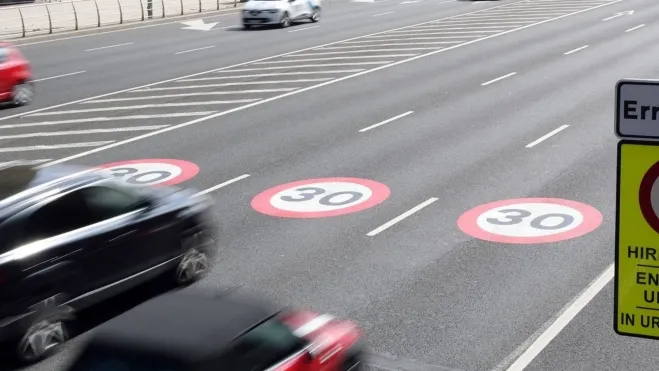
The implementation of the reform on July 1, 2025, also did not require immediate replacement of all existing signage, as the government allowed the old signs listed in the previous catalog to remain in use until they were renewed for conservation reasons, with the exception of those models that were removed, whose removal deadline ended on July 1, 2026. This provision does not constitute automatic legalization of municipal signs that are not covered by state regulations.
Therefore, a fine based solely on an unofficial sign may be subject to appeal if there are defects in the signage or a lack of legal coverage, although its cancellation will depend on the specific circumstances and applicable regulations. This also applies to private areas open to an indefinite number of users, where traffic laws may still be enforceable according to Article 2.