
Cheaper and with longer endurance: sulfur batteries aiming to compete with LFP and NCM
The search for alternatives to current electric vehicle batteries is prompting major manufacturers to explore technologies that until recently seemed reserved for laboratories. One such technology has just made significant progress thanks to an agreement that could open doors for it in the automotive industry.
The race to develop cheaper batteries with higher energy density and less reliance on expensive raw materials is far from over. Although LFP and NMC batteries currently dominate the market, other technologies are striving to gain a foothold, with some beginning to attract attention from major automakers. Among them are sulfur-based batteries, an alternative that has been under investigation for years and is now starting to play a key role in manufacturers’ development programs.
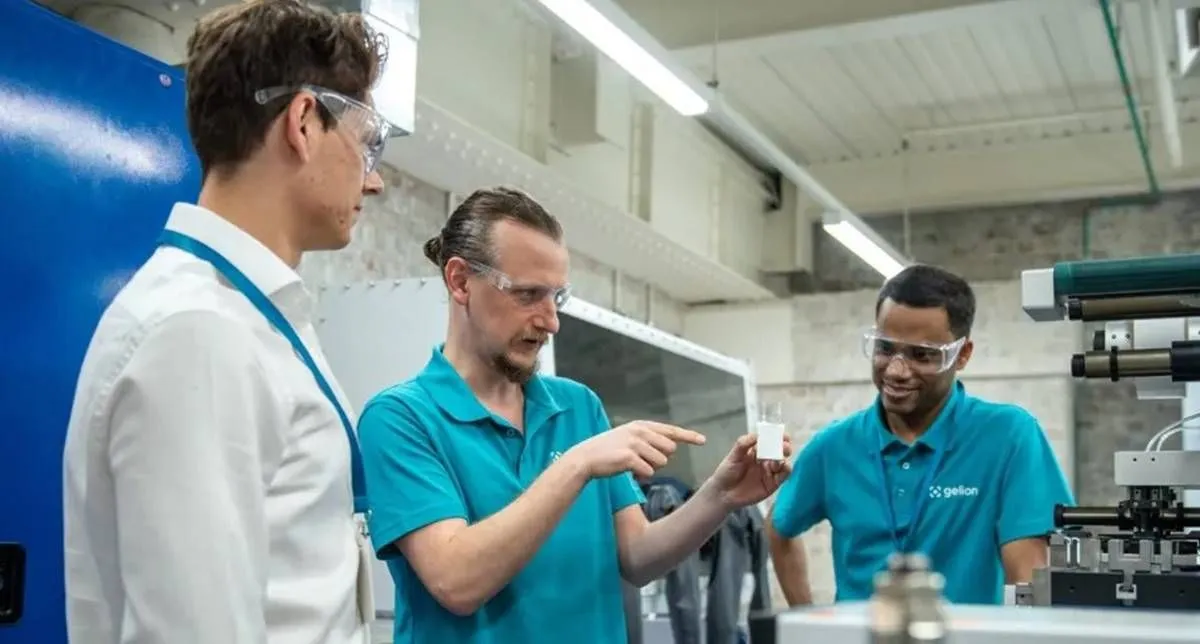
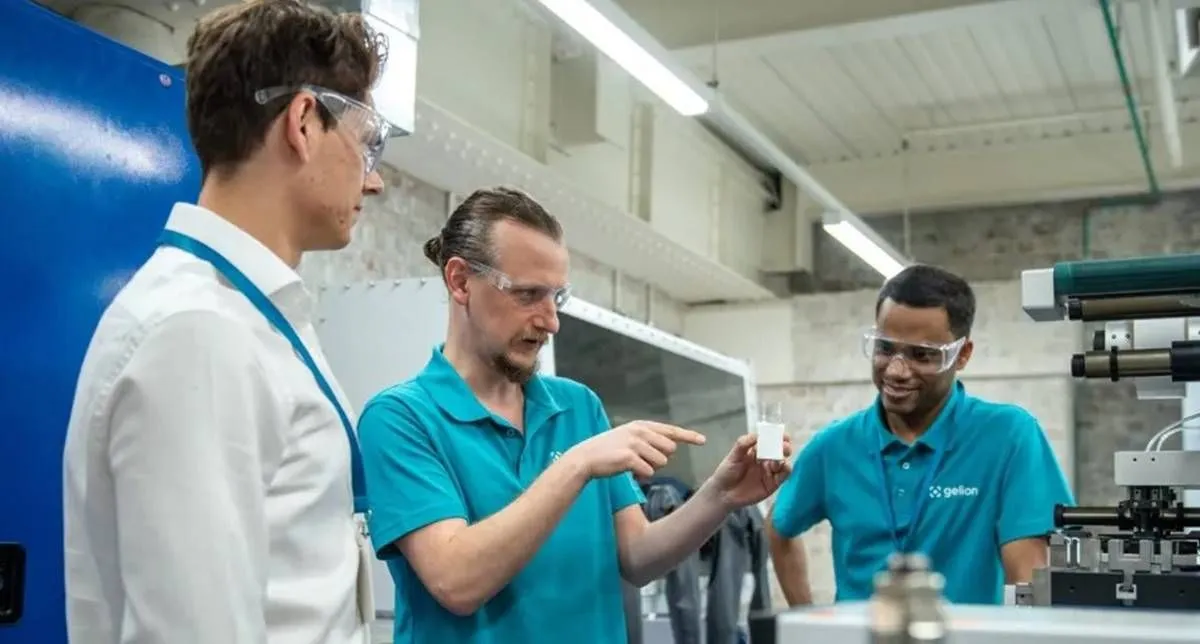
The latest news comes from Gelion, which has signed an agreement with one of the world’s largest automobile manufacturers to evaluate its sulfur-based NES cathode technology. The identity of the manufacturer has not been disclosed, but the announcement represents a milestone for the company, which claims to be working with other major industry players interested in exploring the possibilities of this solution.
The agreement, announced on October 6, involves a transfer of materials so that the manufacturer can conduct its own tests. Gelion will supply active material for sulfur-based cathodes, coated cathodes, and liquid electrolyte, which will be used to study various battery configurations for future electric vehicles. The goal is to determine how well this technology can be adapted to the needs of the industry, both in high-end models and vehicles for the general public.
A sulfur technology that could also be used in solid-state batteries
The use of sulfur as the active material for cathodes is particularly attractive due to its abundance and the potential of lithium-sulfur batteries to achieve high energy density. However, this technology also faces significant challenges, especially regarding its stability and capacity loss during charge and discharge cycles. Solving these problems is essential for it to compete with batteries that are already produced on a large scale, and that is precisely why manufacturer tests are so important.
But there is another detail that could prove even more decisive from an industrial perspective. Gelion claims its NES platform has the potential to be integrated into existing battery production lines without requiring major modifications. If it can demonstrate this, manufacturers might consider introducing new materials without incurring the huge investments needed to build entirely different facilities or radically transform their manufacturing processes.

This is not a trivial issue. The industry is investing billions in new battery factories, so any technology that requires replacing much of this infrastructure starts with a significant economic disadvantage. A solution that can make use of existing equipment would, at least on paper, have an easier path to large-scale production. That said, for now this is just a possibility that Gelion will need to prove, not an industrial capability that has already been validated by its new partner.
The collaboration is also interesting due to the range of applications it covers. The statement explicitly mentions both luxury electric cars and mass-market models, two segments with different priorities. While manufacturers in the former category can afford higher costs to achieve certain performance features, in the latter category every euro counts, especially since the battery remains one of the most expensive components in a car.
Of course, there is still a lot of work to be done. Gelion has not provided specific figures for energy density, range, charging speed, or lifespan regarding the batteries this manufacturer will evaluate. Nor has a timeline for industrialization, joint investment, or commitment to purchasing materials been announced. The agreement is currently in the technical evaluation phase, and its results will determine whether the collaboration can move to subsequent stages.
The announcement does confirm that manufacturers' interest in alternatives to current chemicals continues to grow. Gelion claims its technology is already being evaluated by other major automotive groups, and this new agreement expands its presence in the industry’s research programs. It is a positive sign for the company, though not yet enough to determine whether its cathodes will eventually be incorporated into a production electric vehicle.
In the end, the real test won’t be getting a major manufacturer to examine samples in their labs, but proving that these batteries can offer competitive performance, last for thousands of cycles, and be manufactured at a reasonable cost. Gelion has just secured an important opportunity to prove this, but transitioning from the lab to real-world use remains the outstanding challenge.