
"Requests come in every day": Spanish car dismantlers are noticing an increase in Chinese cars and the 'fear' of not having original parts.
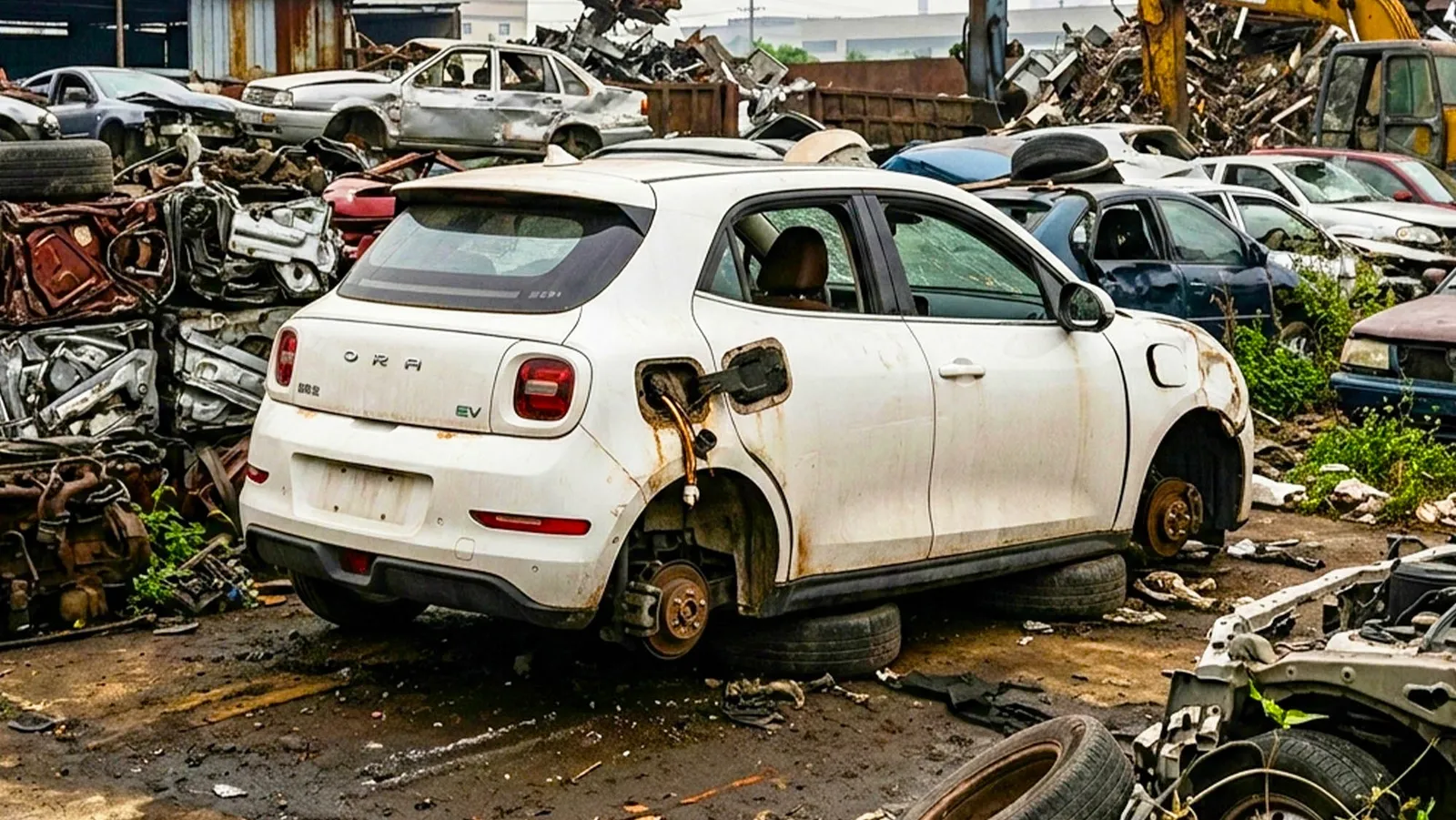
The presence of Chinese manufacturers in Spain’s automotive market continues to grow. Brands such as MG, BYD, Omoda, and Jaecoo have attracted thousands of buyers thanks to competitive prices, modern designs, and a strong focus on electrification.
However, as these vehicles become more common in the fleet, the repair industry is facing a challenge that has hardly been encountered before: the availability of spare parts and the time required to repair these models.

Workshops and dismantling facilities
Doubts arise when a breakdown occurs or an accident happens. Mechanics and drivers wonder how long it will take for the necessary parts to arrive so the vehicle can return to the road, and whether the brands’ logistics infrastructure has grown at the same pace as sales. In many cases, we are talking about components that are relatively common in any repair, such as mirrors, headlights, tires, or certain electronic elements.
Repair professionals have been warning about this situation for months. According to various workshops, some parts can take weeks or even months to arrive. As a result, vehicles remain immobilized for long periods, mechanics accumulate pending work, and owners are forced to wait longer than expected to get their cars back. This delay also affects insurance companies, which see rising costs associated with prolonged repairs.
Faced with this situation, some workshops have begun seeking alternative solutions to prevent vehicles from staying idle for so long. One of these is turning to the second-hand parts market from salvage yards, something that was uncommon even for relatively new cars until recently.
From the RO-DES recycling center, they explain that this phenomenon reflects the rapid growth of these brands in Europe. “The Chinese market is advancing very quickly, but its spare parts network is still catching up,” says their director, Esteban Alabajos.
This change has occurred in just over a year. According to Pablo Núñez, head of Desguaces Pablo e Hijos, not long ago they received few requests for spare parts for Chinese-made vehicles. Today, however, such requests arrive almost daily.
When repair shops inform customers that a new spare part will take too long to arrive, many prefer to install a used part so they can get their car back in use as soon as possible.
This change is altering the usual dynamics of the industry. Traditionally, salvage parts were mainly used in vehicles that were many years old or in models from brands with a strong historical presence in the market.
However, the occasional shortage of spare parts for some newer models is causing them to become a temporary solution even for relatively new cars.
Chinese brands arrive with a spare parts network in place
Although the recycling industry warns that some common parts, such as mirrors, headlights, or tires, may take longer than expected to reach workshops, Chinese manufacturers claim the situation is improving thanks to the expansion of their logistics network in Spain.
The brands themselves emphasize that they already have spare parts warehouses distributed across the country and assure that most of the components needed for maintaining and repairing their vehicles are available at these facilities. The goal is to ensure rapid delivery of parts and reduce the waiting times that still occur in some cases while the after-sales network is fully established.
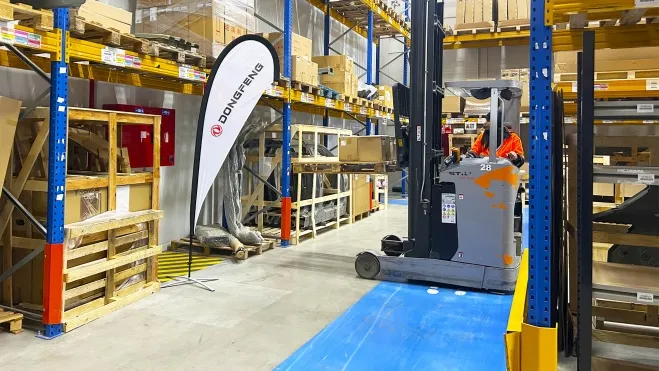
In fact, some brands have already begun strengthening their logistics infrastructure in Spain. An example is Dongfeng, for whom after-sales service has become one of the core pillars of its operations in Spain and Portugal. The brand operates a logistics hub in Mejorada del Campo (Madrid), in partnership with Kuehne+Nagel, from where it manages the supply of spare parts to the Iberian Peninsula and the Balearic Islands.
MG also has a 10,000 square meter spare parts warehouse in Cabanillas del Campo (Guadalajara) aimed at improving the distribution of components and speeding up repairs in workshops.
BYD’s main spare parts warehouse in Spain is located in Guadalajara (Castilla-La Mancha). It is the brand’s first parts logistics center in the country, opened in 2024 to supply workshops and dealerships in Spain and Portugal. The facility covers approximately 5,000 m² and can be expanded as demand grows. The center is operated in partnership with Cainiao, Alibaba Group’s logistics division, and works in conjunction with BYD’s European warehouse in the Netherlands. From Guadalajara, shipments of components are managed with delivery times of 24 hours for the Iberian Peninsula and 48–96 hours for the Canary Islands, according to the brand.
Omoda and Jaecoo’s central spare parts warehouse in Spain is located in Azuqueca de Henares (Guadalajara). From this logistics center, parts are managed and distributed to all of the company’s dealership network across the country. This location was chosen for its strategic position along the Henares corridor, near Madrid, which allows for rapid delivery of spare parts to workshops throughout the peninsula. Logistics are handled in partnership with Kuehne+Nagel, and the brand aims to keep around 98% of its model parts available, with deliveries to dealerships taking less than 24 hours in most cases.