
Is the easy export from China over? New restrictions will hit EV manufacturers hard
The Chinese electric vehicle industry is facing one of the most serious challenges in recent years. As the domestic car market slows down significantly, two simultaneous regulatory moves on either side of Eurasia could greatly restrict export growth, which has so far been the main driver of expansion for manufacturers in China.
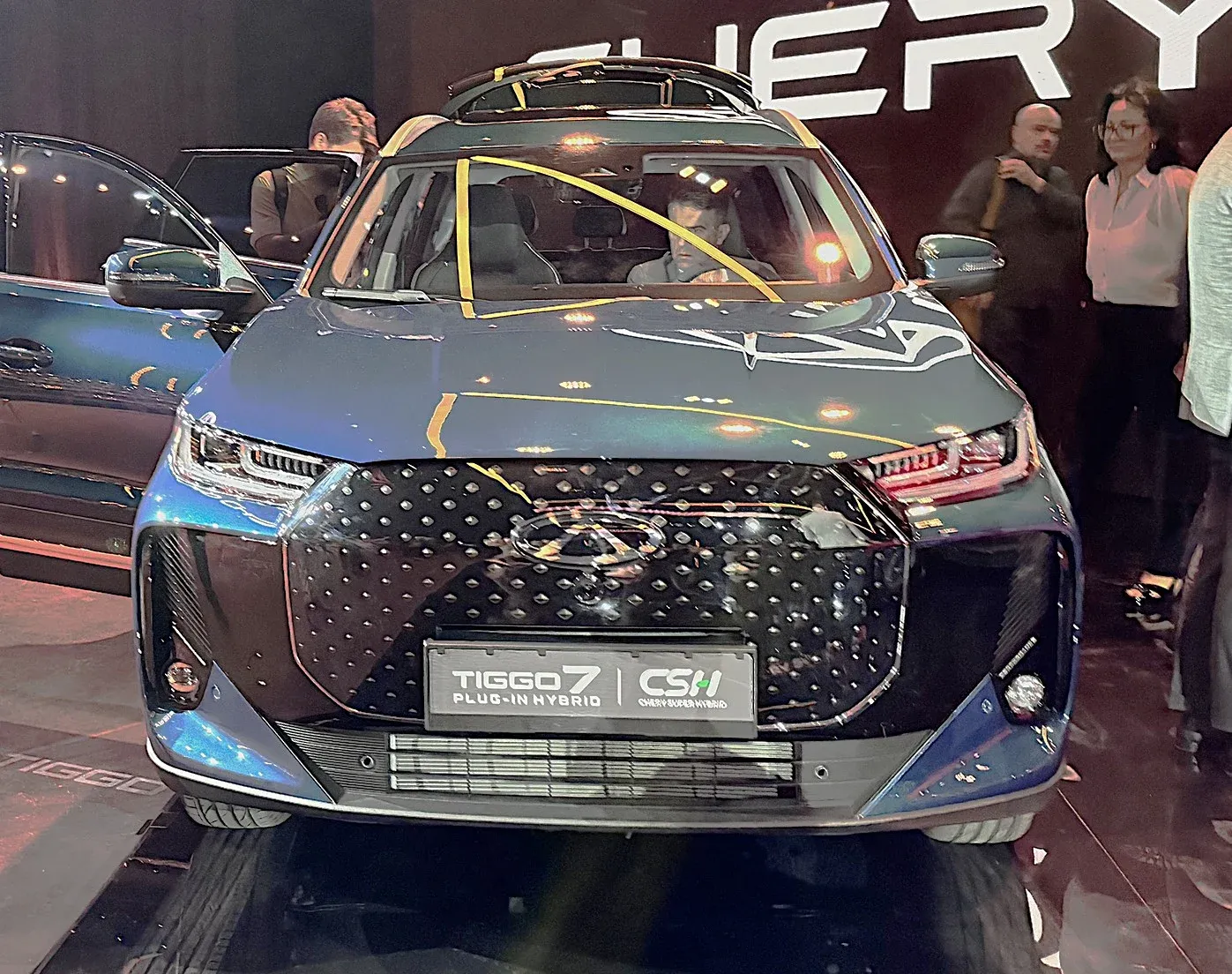
China and the European Union have reached a trade agreement that imposes limits on imports of Chinese hybrid cars into Europe. According to reports cited by Bloomberg, the European Commission initially plans to restrict imports to 350,000 vehicles per year, with the limit increasing by 6% annually for the next four years — we covered this on Elektromobilni.pl. Meanwhile, data from the European Automobile Manufacturers Association (ACEA) shows that 452,000 hybrid cars produced in China already entered EU countries in the first half of 2026.
Another blow
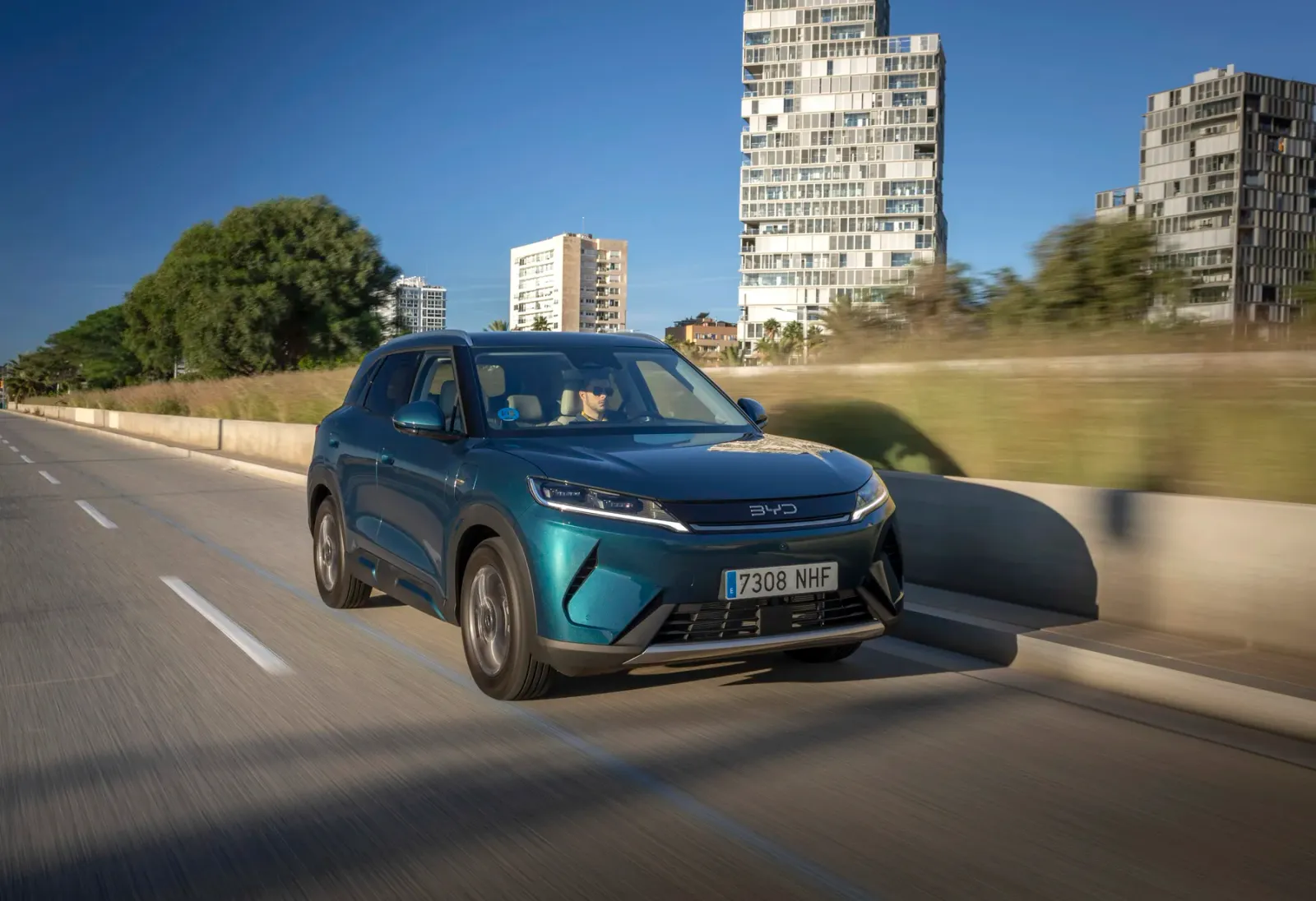
Worse still, a few days later Beijing announced another change. Starting next April, the VAT refund rate for exported electric vehicles will be reduced from 13% to 9%. According to analysts at Deutsche Bank, this means increased pressure on the margins of manufacturers exporting NEV vehicles, namely electric and hybrid cars. The bank estimates that for BYD, the net profit per car exported to Europe could decrease by around 5,000 yuan on average — writes the newspaper “South Morning China Post.”
The severity of the issue stems from Europe’s immense importance for the further development of Chinese brands. As Eric Han of Shanghai-based consulting firm Suolei notes, “Europe is the main growth market for Chinese electric vehicles, and imposing export limits is nothing short of a barrier for companies like BYD in achieving their ambitious growth plans.” The expert adds that manufacturers will be increasingly encouraged to shift their offerings toward more expensive, premium models targeted at European customers.
Paradoxically, the restrictions affect a segment that has become a way for Chinese companies to bypass previous trade barriers over the past two years. After the European Union imposed additional tariffs of up to 35.3% on fully electric vehicles produced in China, many manufacturers focused on exporting hybrids and plug-in hybrids, which were not subject to the same restrictions.
A poor time for changes
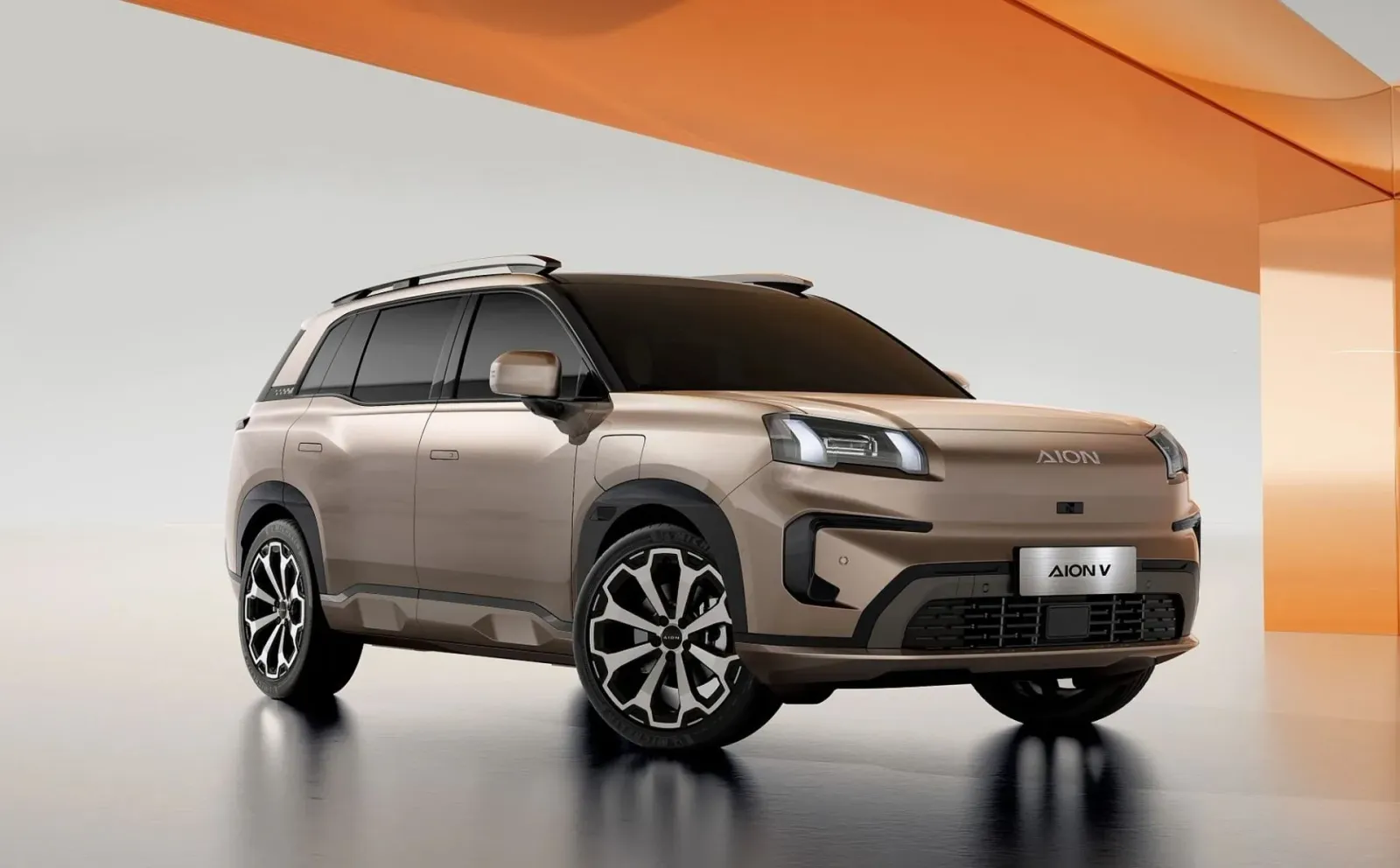
New decisions come at a particularly difficult time for China’s automotive market. Car sales in China fell 21.7% year-on-year in the first nine months of 2026, to 13.3 million units. Export thus remained a crucial safety buffer for manufacturers. According to forecasts by the China Passenger Car Association, overseas sales of Chinese vehicles are expected to rise to 12 million units this year, up from 8.3 million a year earlier — reports a Chinese newspaper.
Who is profitable?
Not all companies, however, are equally prepared for worsening conditions. According to the “South China Morning Post,” among nearly 30 Chinese manufacturers focusing solely on electric vehicles, only three companies achieved profits in the first half of the year: BYD, Leapmotor, and Nio. In such a situation, reduced export profitability could prove particularly devastating for smaller players. Industry insiders even speak of a “make or break” moment for some manufacturers. Deutsche Bank also believes that the effects of new regulations will be felt by even the largest conglomerates. The bank lowered its profit forecast for BYD in 2027 by 21%, estimating that export restrictions could reduce the brand’s sales in Europe by around 80,000 vehicles.
Who could benefit from this?
Rising trade barriers might simultaneously accelerate production investments by Chinese conglomerates on the Old Continent. Analysts at Morgan Stanley suggest that car factories operating in the EU could become particularly attractive assets for Chinese manufacturers looking to locate production closer to European customers, thereby avoiding tariffs and import limits. Battery and component manufacturers that already have production capacity in Europe could also benefit from this trend.
As a result, the latest decisions by Brussels and Beijing could mark the beginning of another phase in China’s automotive expansion. Instead of exporting larger volumes of finished vehicles, manufacturers will likely be forced to establish a stronger industrial presence directly in Europe. This means that competition for European customers will not diminish but may shift from car ports and terminals to factories located within the European Union, according to industry experts.
Oskar Włostowski