
Hybrid plug-ins under the microscope. In real driving conditions, they emit up to six times more than in WLTP tests.
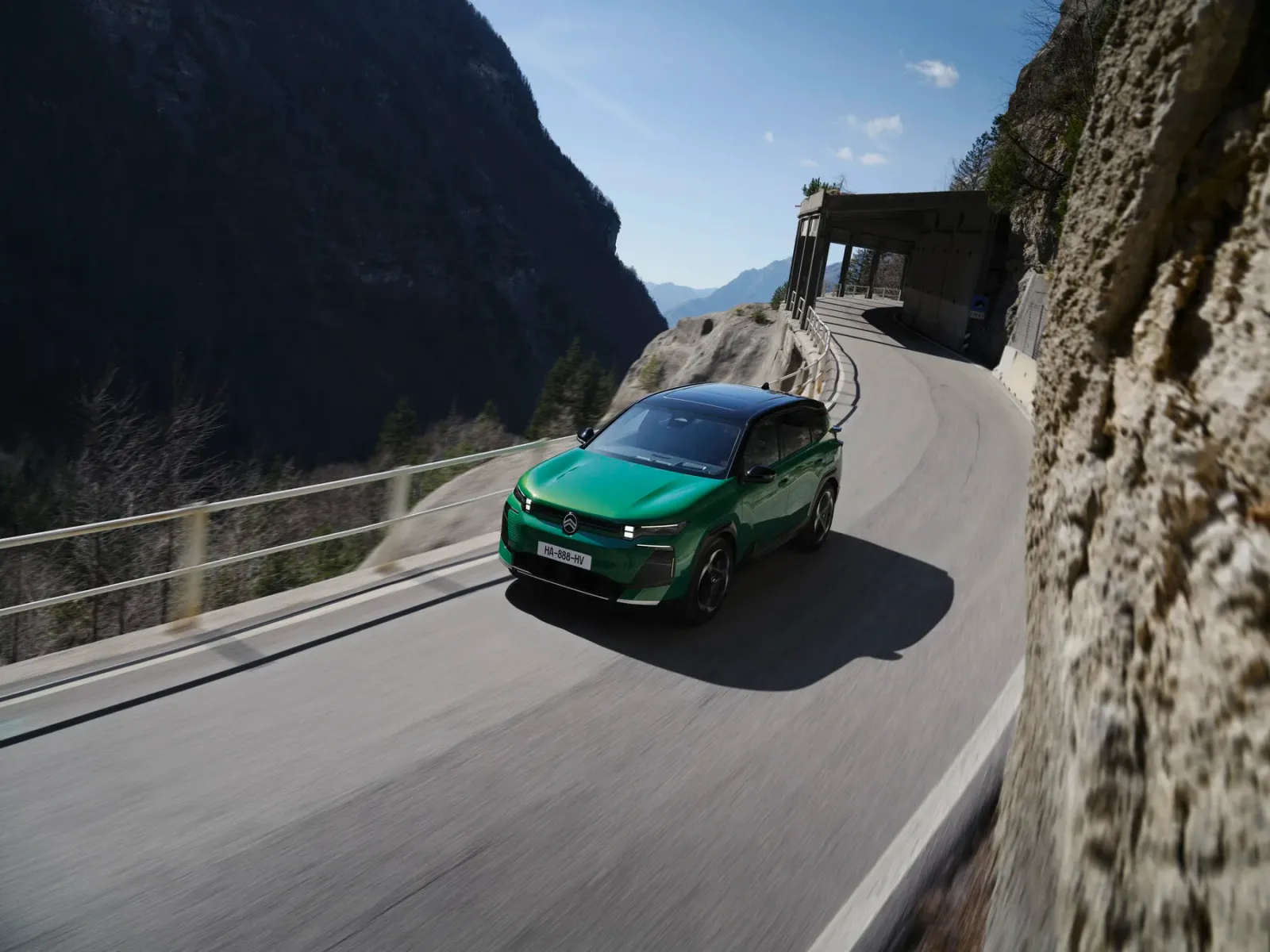
A plug-in hybrid on paper can look impressive. A large SUV with several hundred horsepower might have an official CO2 emission level of 20-30 g/km and fuel consumption around 1-2 l/100 km. However, there is a crucial condition: the vehicle must start its journey with a fully charged battery and cover a significant portion of the distance using grid electricity.
The European Union has been collecting real fuel consumption data from cars through onboard OBFCM devices for several years. The latest set of data, covering vehicles registered in 2024, includes around 220,000 plug-in hybrids.
Transport & Environment analyzed this data and came to a result that differs significantly from manufacturers’ figures. The average actual emission was 145 g CO2/km, compared to just 24 g/km in the official figures. That’s about six times more. A year earlier, the difference was five times greater.
PHEVs emit slightly less than regular gasoline cars
The comparison with gasoline vehicles and conventional hybrids is even more interesting. In the dataset analyzed, their average actual emissions were 169 g CO2/km. The plug-in hybrid, with emissions of 145 g/km, performed only about 14% better on average. Meanwhile, official homologation figures suggested a much larger difference.
This doesn’t mean that PHEV technology alone can’t reduce fuel consumption. What matters is how the car is used. If the owner charges it regularly and the electric motor is powerful enough, most daily trips can indeed be completed without burning gasoline. The problem is that the average user does this much less often than EU calculations had assumed over the years.
Only 27% of distance on pure electricity
According to an analysis of actual data, plug-in hybrids covered an average of about 40% of their distance in what’s known as the charge-depleting mode, meaning when energy stored in the battery is being used. This doesn’t mean, however, that the internal combustion engine remained off for the entire 40% of the distance.
Fully electric driving accounted for about 27% of the distance. In roughly one-third of the distance covered in battery-powered mode, a combustion engine was also activated. The reasons can vary: high power demands, low temperatures, driving strategy, or an electric motor that is too weak compared to the combustion engine. As a result, even in battery-depleting mode, T&E calculated the actual emission at 63 g CO2/km. The official figure for this mode was only 6 g/km.
The large battery alone does not solve the problem
Paradoxically, increasing electric range has not always led to a corresponding improvement in real-world performance. The average claimed range of PHEVs increased from 58 km in 2021 to 75 km in 2024. The share of new models offering over 70 km of range rose from 13% to 49% during this time.
At the same time, such vehicles are usually larger. Models with a range exceeding 70 km were on average 13% heavier in the analysis, and their internal combustion engines had 23% more power than those in vehicles with shorter ranges. When the battery runs low, weight and a larger engine start to matter. In PHEVs with a range over 70 km, the average emission when the battery is depleted was 200 g CO2/km, compared to 182 g/km in the group offering 50-70 km of range.
A stronger electric motor might be more important
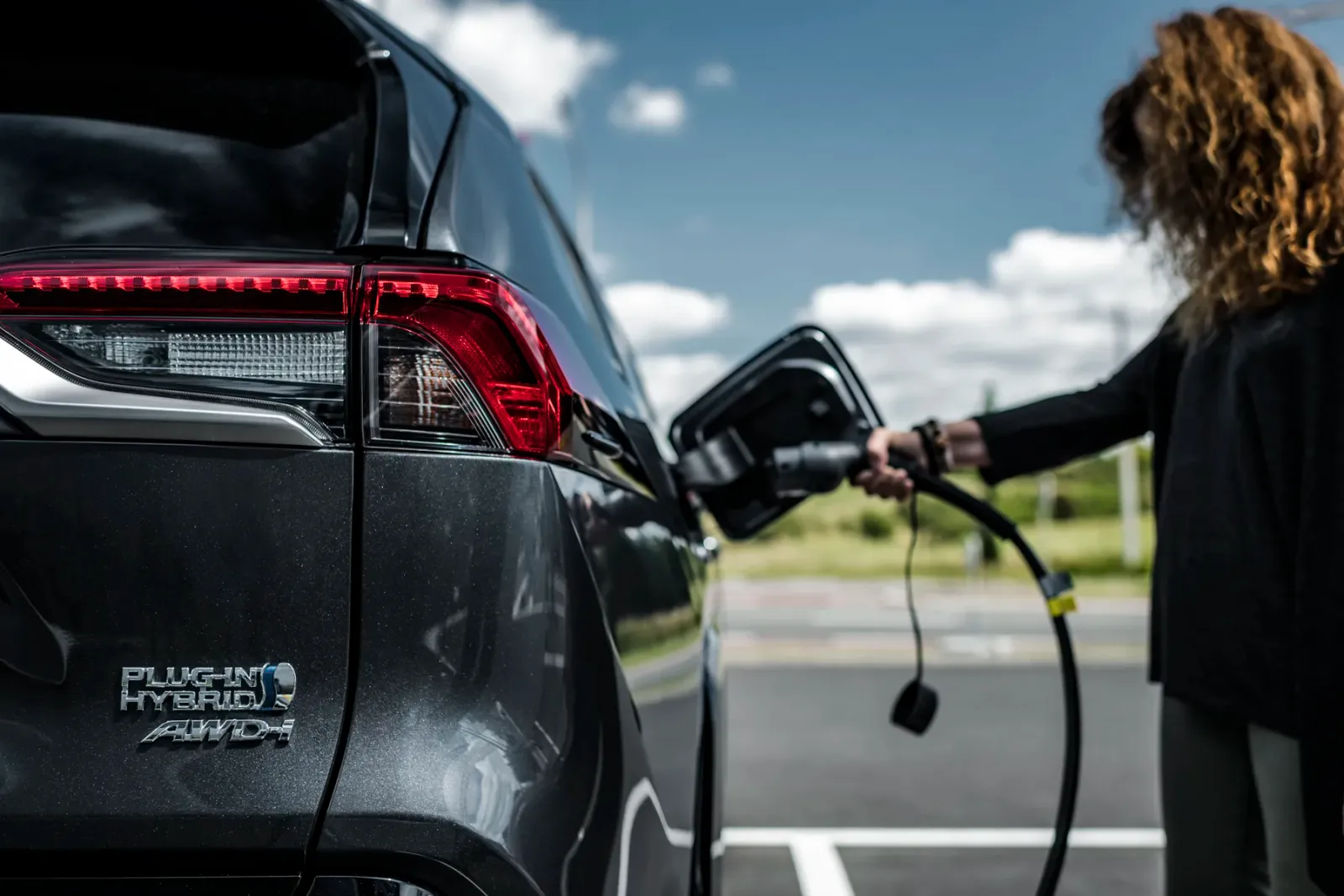
T&E suggests that a better indicator of plug-in hybrid quality than range alone could be the ratio of electric to combustion engine power. Vehicles with electric drives that provided at least 125% of the combustion engine’s power emitted an average of about 108 g CO2/km on the road. When the ratio was below 50%, it rose to as much as 227 g/km.
A even larger difference appeared when driving with a fully charged battery. Vehicles with more powerful electric motors achieved an average of 28 g CO2/km, while those with weaker electric engines reached 158 g/km. A good example is the BYD Seal U DM-i, which had one of the highest ratios of electric power to combustion power among the models tested.
The conclusion is simple: PHEVs perform best when their electric component is truly capable of driving the vehicle on its own in most situations, without the combustion engine needing to step in regularly to assist.
EU changes way of calculating emissions for plug-in hybrids
The huge difference between WLTP and real-world driving isn’t solely due to the laboratory fuel consumption test. The so-called utility factor, or efficiency coefficient, plays a very important role here. This assumption determines what proportion of the average range of a PHEV will be covered by electric power. The greater the electric range, the higher the proportion of electric driving assumed by the formula, and thus the lower the final official CO2 emissions become.
The old system was very optimistic. For a PHEV with a range of 100 km, it assumed around 90% of driving would be done on electric power. The first adjustment, applicable to new homologations starting in 2025, reduced this figure to roughly two-thirds. Another change will lower it to about 44%. It is set to take effect for new vehicle types on November 29, 2026, and a year later it will apply to all newly registered cars subject to these rules.
This does not mean the car will suddenly start using more fuel. What changes is primarily how its official range is calculated, so that it better reflects how PHEVs are actually used.
Manufacturers responded with larger batteries
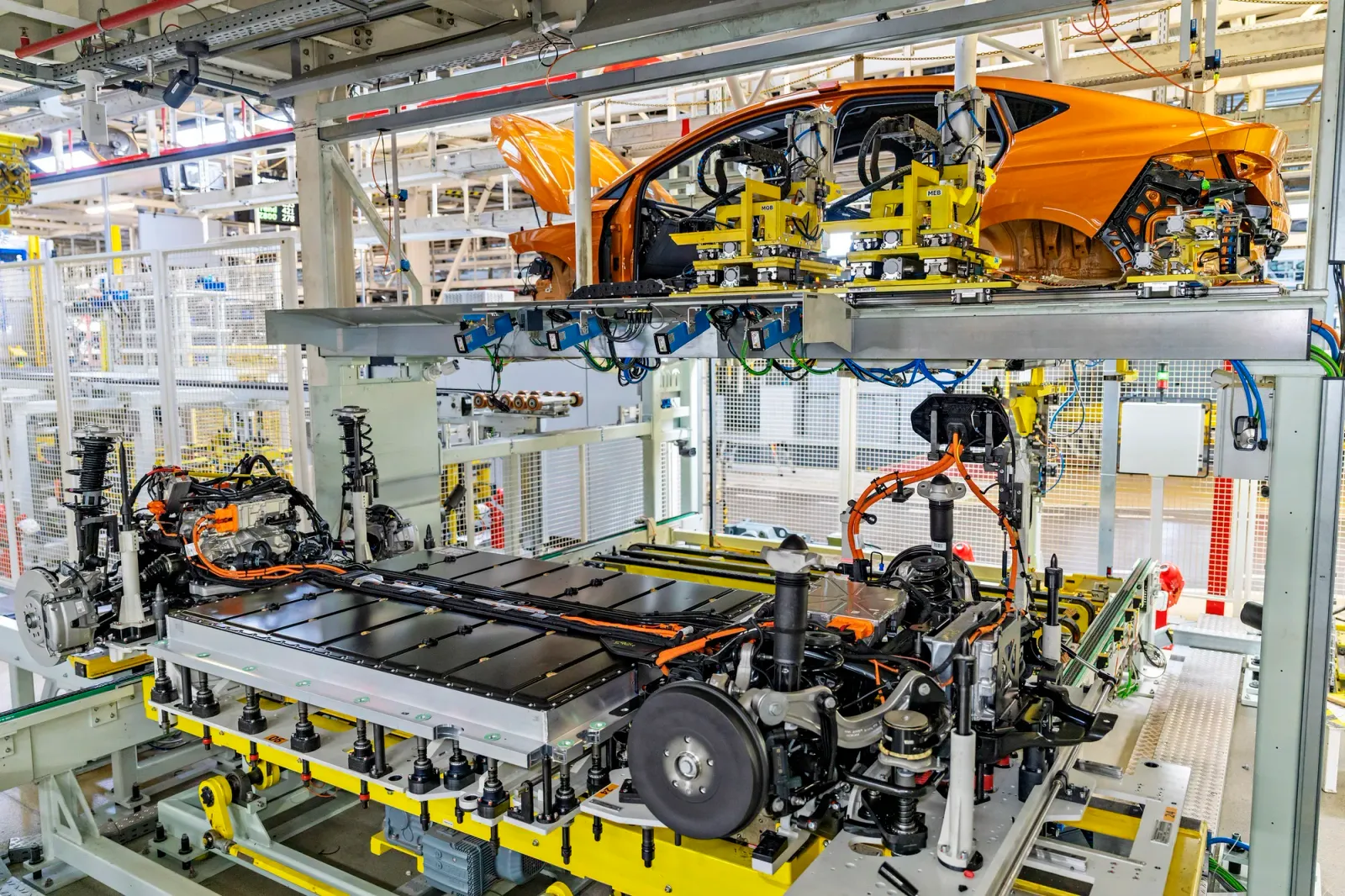
The first revision of the regulations has already produced an interesting result. T&E analyzed 20 popular models responsible for roughly half of European PHEV sales in 2025. Nine of them were significantly upgraded. The average battery capacity in these vehicles increased from 14 to 24 kWh, a rise of 68%. At the same time, the average electric range increased from 63 to 117 km—an increase of 85%.
In the Volkswagen Group, the Tiguan is a good example. Its electric range increased from around 55 to 119 km. As a result, despite a more realistic calculation method, the official emissions only rose from 32 to 36 g CO2/km. Similar changes occurred in other models as well, including the Cupra Formentor.
According to T&E’s calculations, the larger battery alone increased the production cost of the analyzed cars by around 1,000 euros on average, which is about 2% of their price. Meanwhile, manufacturers managed to offset three-quarters of the emission increase resulting from the change in efficiency factors through the modernization of the drive system.
PHEVs with 200 km of range? That could be the future of this technology
If EU regulations remain in their current form, manufacturers will have to continue enhancing the electric capabilities of plug-in hybrids. T&E estimates that by 2030, keeping official emissions below 50 g CO2/km will require an electric range of around 140-220 km, depending on the vehicle’s design.
In efficient models, less may be sufficient. According to simulations, the Toyota C-HR would need around 139 km, the RAV4 176 km, and a properly optimized Mercedes E-class about 179 km. In the larger and more fuel-intensive Volvo XC60, it would be around 220 km. Thus, the boundary between a large plug-in hybrid and an electric car with a combustion engine serving as a backup is becoming increasingly blurred.
The difference in fuel consumption also means specific cost implications
T&E also calculated how the gap between catalog values and actual fuel consumption can affect user costs. At the fuel prices assumed by the organization, an average PHEV registered in 2024 would cost the owner around 1810 euros per year in terms of energy and fuel. The figure derived from homologation data suggested around 1130 euros. The difference is 680 euros, which is approximately 2970 zł per year at current exchange rates.
However, this is a model calculation based on specific assumptions regarding mileage and fuel prices, not an account that can be attributed to every PHEV owner. A driver who charges the car at home daily and mainly drives short distances may achieve completely different results compared to a business SUV owner who rarely plugs it in.
A plug-in hybrid might still make sense. However, it must be used in line with its intended design.
The new data do not mean that every PHEV is inherently inefficient. Instead, they highlight the weakness of the previous system, which assumed much more frequent charging than actually occurred. A large battery alone is also not sufficient. Increasingly important will be the power of the electric drive, the vehicle’s efficiency after the battery is depleted, and most importantly, whether the user actually uses the charging outlet regularly.
And the EU’s adjustments may make achieving the listed 20 or 30 g CO2/km target less easy. Not because cars will suddenly start emitting more, but because their official figures will rely less on optimistic assumptions and more on what actually happens on the roads.
Piotr Sobczyk