
Fly and drive up and down
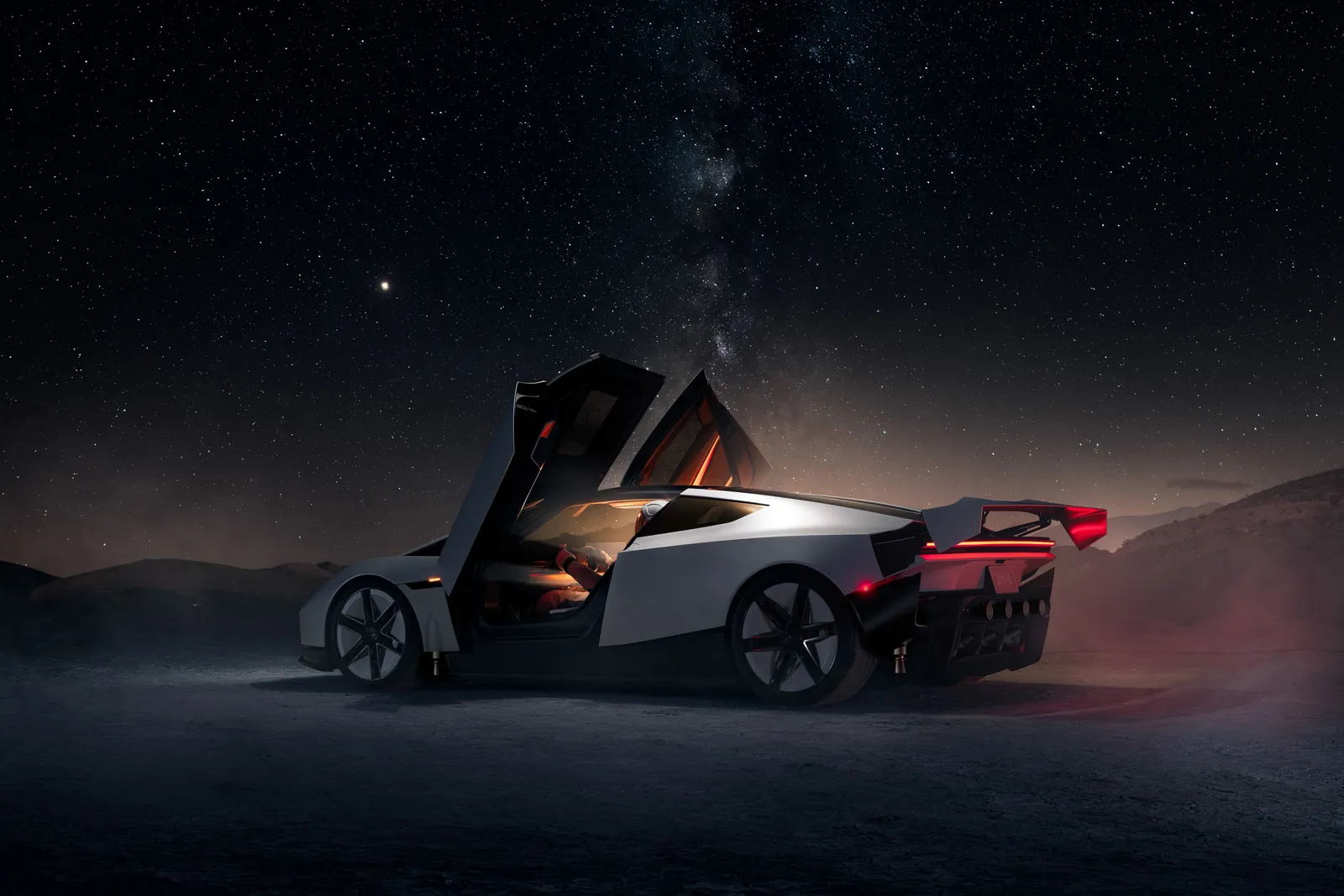
Tesla has unveiled a completely new version of the Roadster. The most extreme variant features ten pneumatic fans, while another uses flaps to push the car backward.
16.10.2026 08:55 | Updated 11:50
Tesla has shocked us once again. Most people thought they would see the Roadster we’ve seen since 2017 and had stopped waiting for.
Instead, it was a sports car much more inspired by the Cybertruck, a simplified design version of a Lamborghini, with hatchback doors in the style of that same Italian brand.
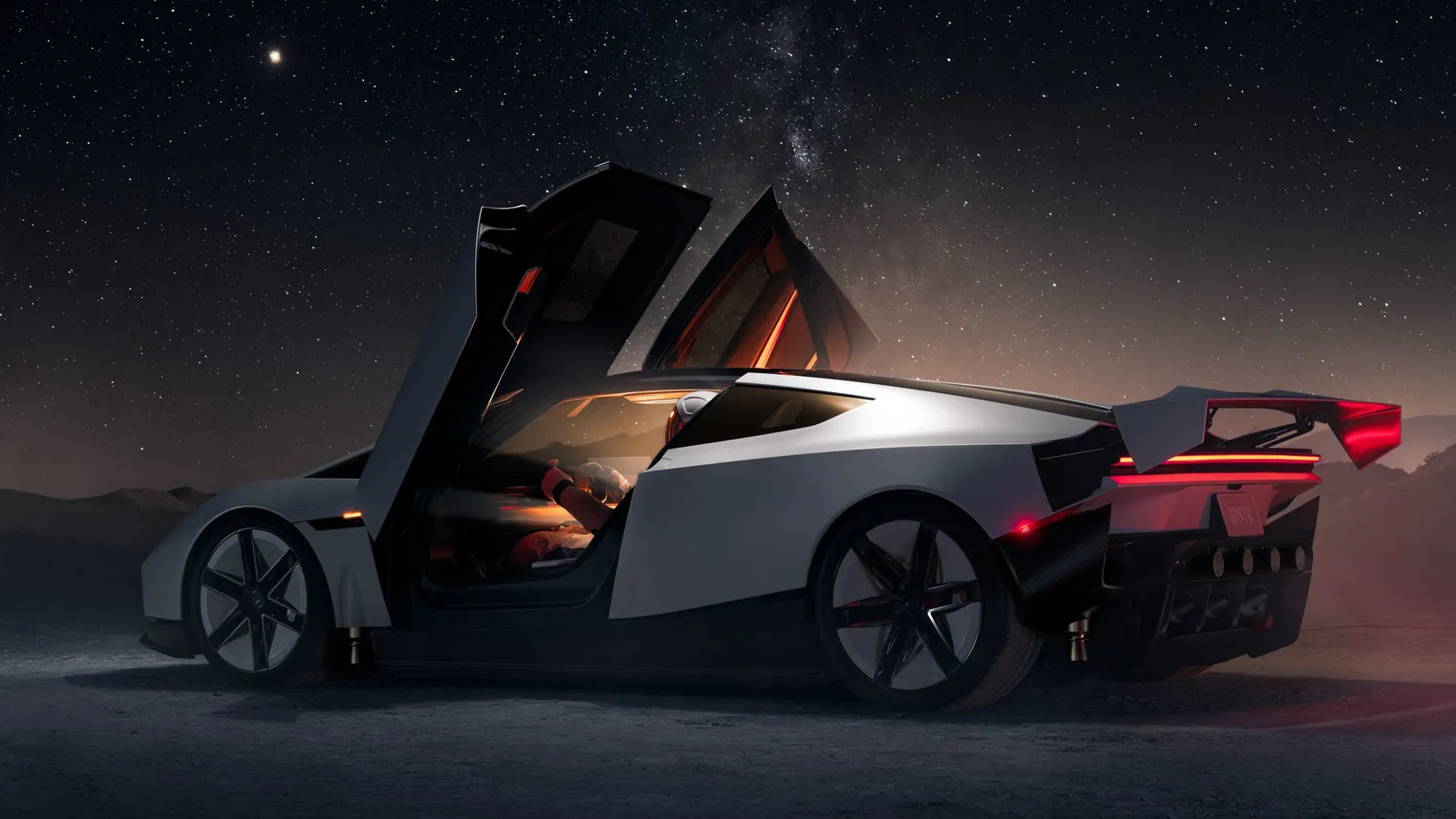
But it wasn’t the appearance that shocked those who saw it, nor those who thought they were watching an AI-generated movie before sleep finally took over.
What we saw when Tesla unveiled the new Roadster at an event in McGregor, Texas, was something entirely different from what we had expected.
Reverse Driving
Tesla chose an unusual way to demonstrate the car. They had built a steep ramp from a sharp slope that went up and down.
What was shown here wasn’t top speed or gravity, but rather the car slowly driving up the ramp and stopping while hanging upside down.

Spectacular, but not truly revolutionary. The British racing car McMurtry Spéirling, which set a lap record at the Goodwood Festival of Speed a few years ago, also gets stuck upside down on slopes. Still.
The technique is the same. Large fans create a vacuum that pulls the car toward the surface. According to Tesla’s chief technology officer, Lars Moravy, the fan system can generate a force equivalent to up to 2 g.
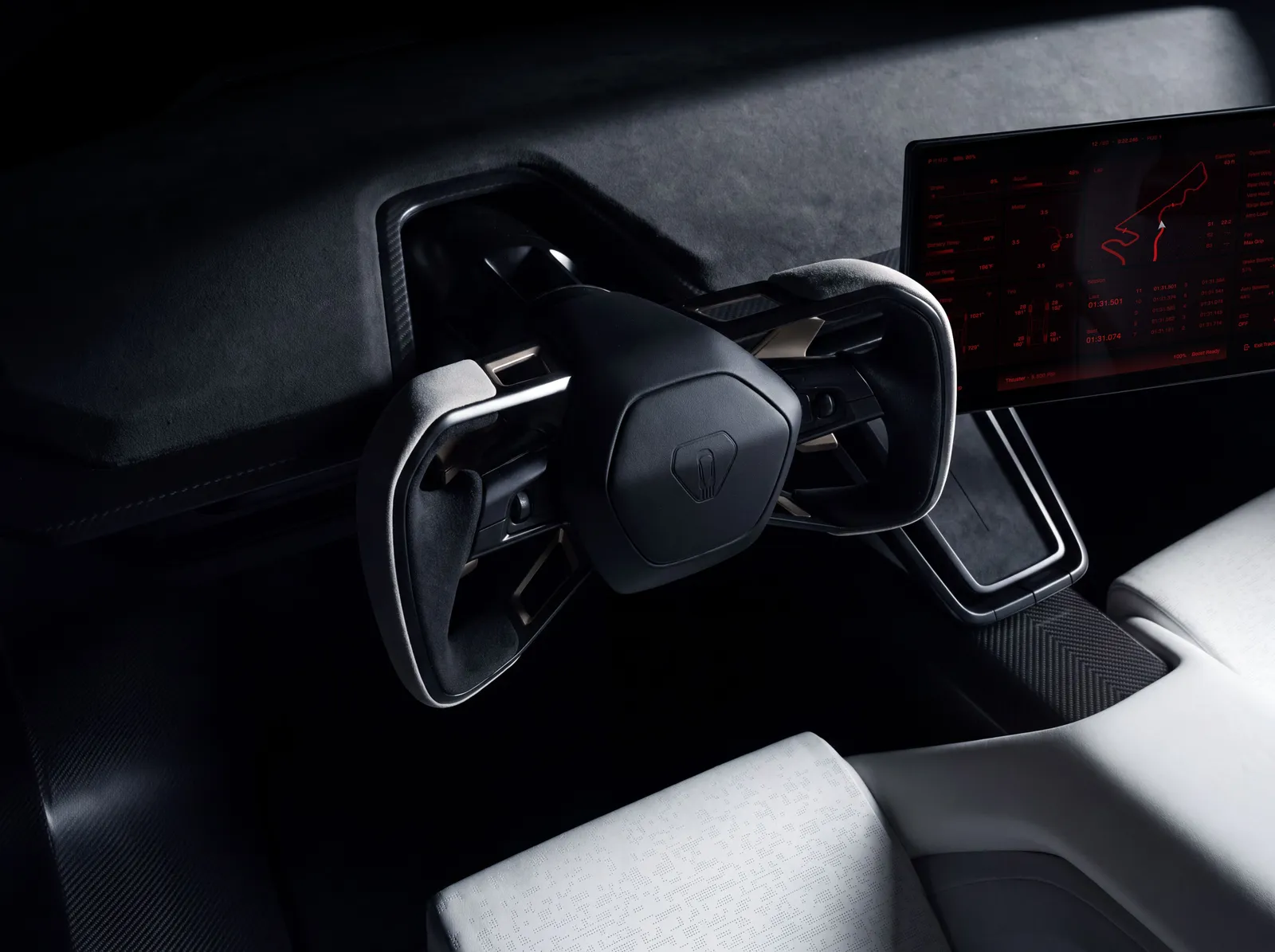
Musk believes this will give the car extremely high visibility and enable it to set lap records on various tracks.
Ten engines and 250 kilograms of compressed gas
But what happens next is even more surreal. After that, it drives off the ramp, performs a roll in the air, and lands back on its wheels.
We will clearly need to see more of this from the front of the car when the Roadster might go on sale in 2028. We say “might” because we’ve already waited for a while, and it still seems too wild to be true.
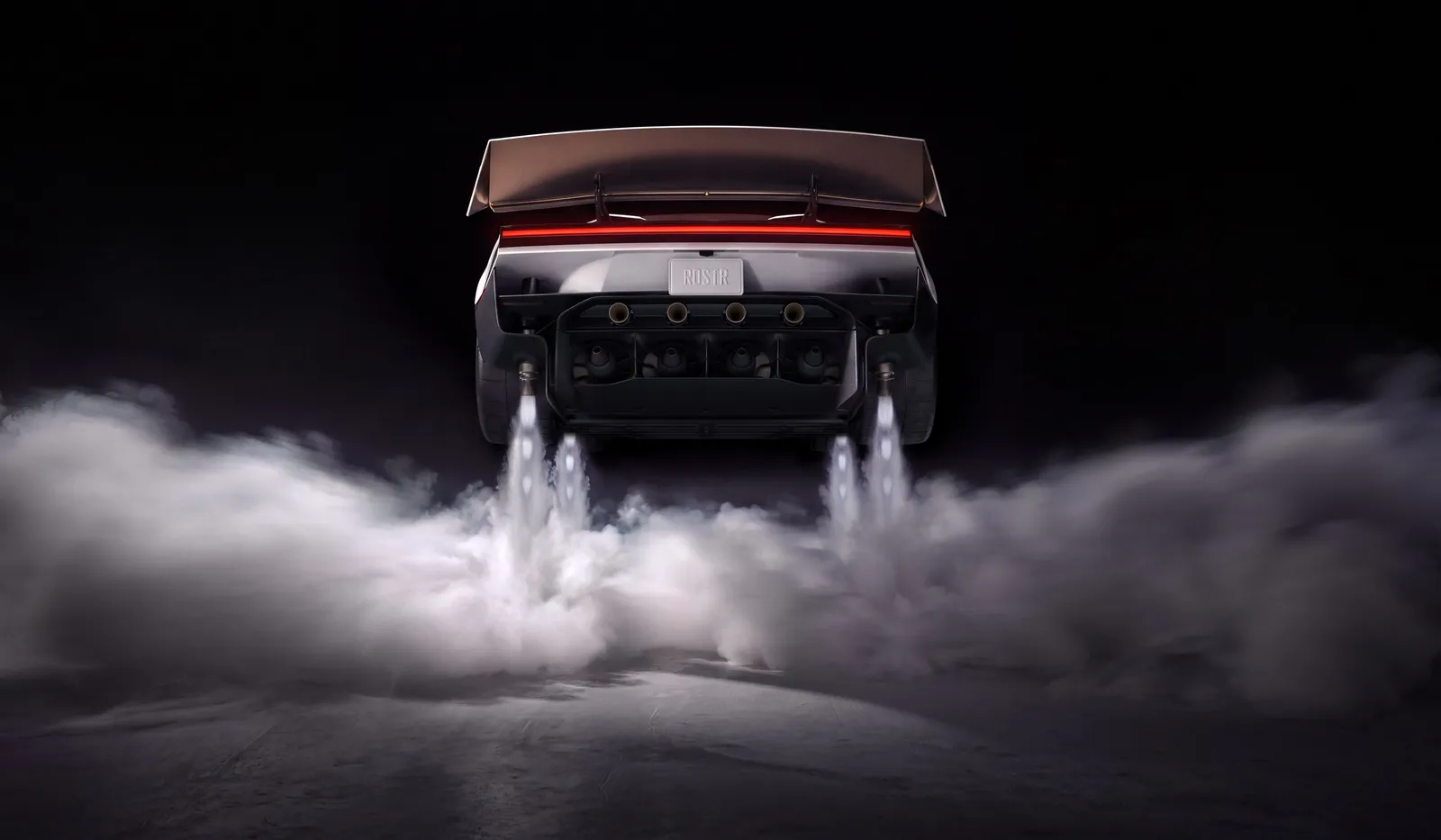
The extra feature you might not want to buy is likely called Rocket. The system consists of ten nozzles that use compressed gas to influence the car’s movements.
Tesla states that 250 kilograms of compressed gas serve as the propellant, and the system is supposed to fill the pressure tanks with compressed air automatically without you having to worry about it.

Whether such features can be approved for use on public roads is another matter.
Musk himself admits that these functions may not be legal in all markets. Tesla has also not confirmed whether the thrust system or pressure air nozzles will be approved for regular road use.
Aiming for 0.81 seconds
Tesla has long talked about an acceleration time of under one second from 0 to 60 mph, equivalent to 96.6 km/h. During the presentation, the company stated that the Roadster is rated at 0–60 mph in 0.81 seconds.
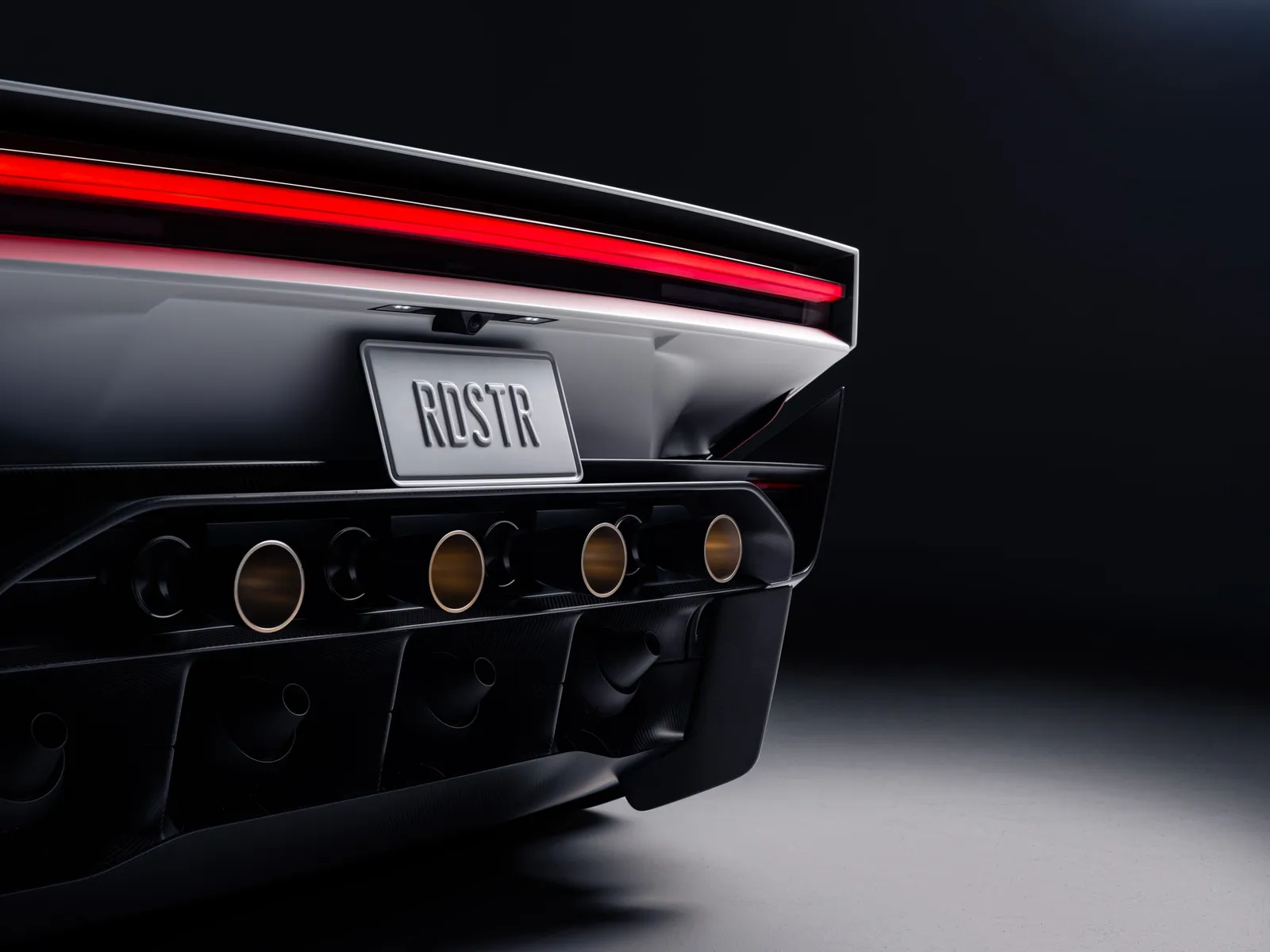
Musk claims the production version will be even faster. To achieve this performance, customers must choose the Thrust version, which Tesla says will be produced in limited quantities.
For now, the top speed will be around 370 km/h. Musk went even further by mentioning the long-term goal: half the speed of sound, or 600 km/h.
Three different versions
Tesla plans three variants of the Roadster:
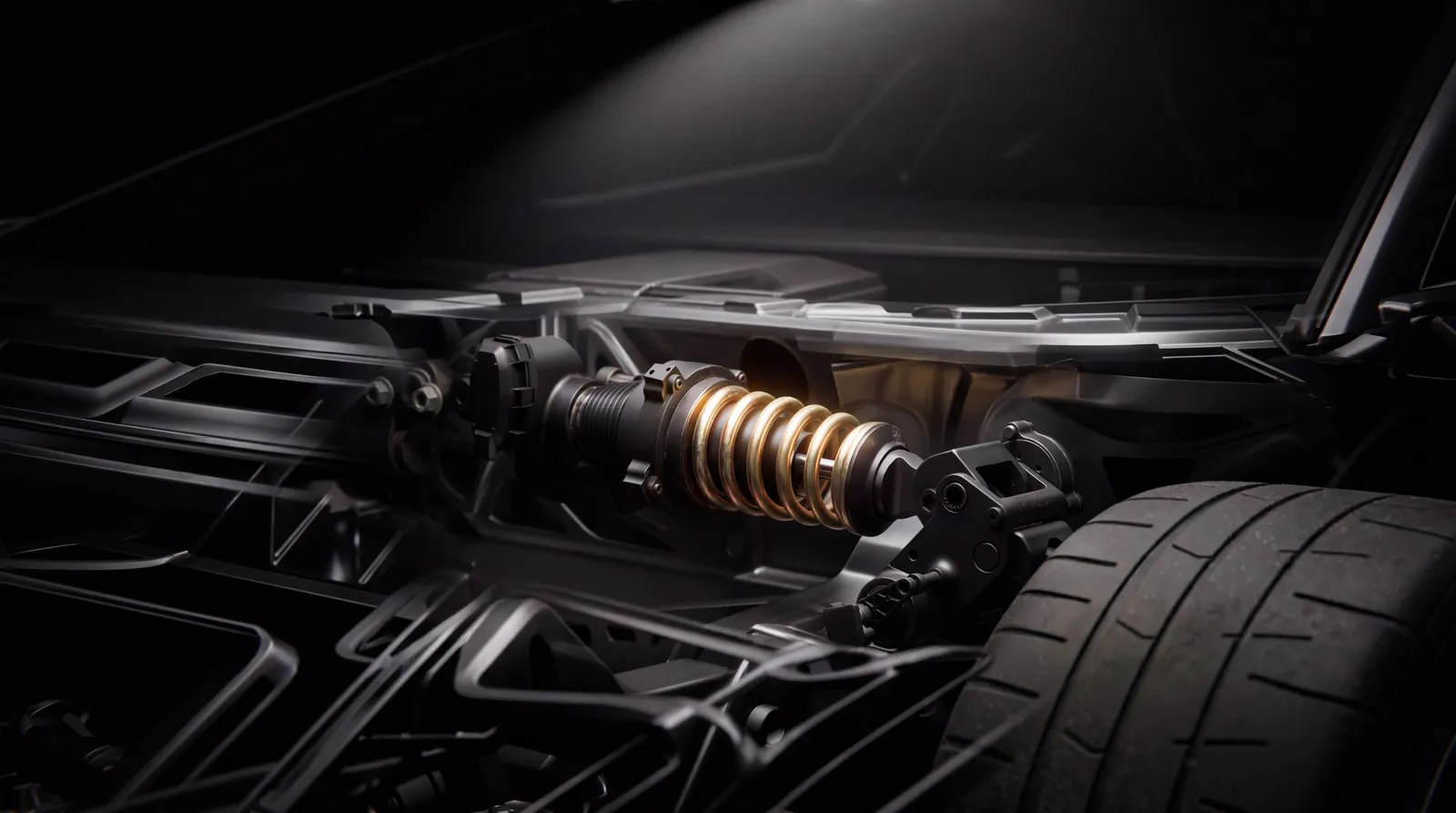
The Performance version will come with a downforce system that pulls the car toward the ground.
The Thrust version delivers the astonishing acceleration.
Rocket gives you the chance to fly and perform stunts in the air.
For all three variants, a refundable reservation fee of $50,000 must be paid within ten days of making the reservation.
We know that some people have already invested significant amounts in the previous Roadster version, with no option to withdraw that money.
Get technical details
There is still a lack of information before the Roadster can be considered a fully produced vehicle.
This appears to be a completely new car, not an improvement on the ones we’ve seen before, and the prototype is primarily built by the space company SpaceX.
It remains to be seen whether it will actually be fun to drive or even capable of driving at all. For now, it mostly seems like the founder’s own fantasy.
Tesla has not yet revealed the final price, number of motors, power output, battery capacity, range, or charging speed, nor has it been clarified which of the demonstrated features will be approved for road use.
The delivery timeline should also be taken with a grain of salt. The second-generation Roadster was first unveiled in 2017 and was originally scheduled for a 2020 release. Now Musk says sales will begin in 2028.
More like this?
Sign up for our newsletter
– get electric car news straight to your inbox!
Also read
The post Flyr og kjører opp-ned appeared first on Norsk elbilforening.