
Europe faces an industrial catastrophe: 150 car factories could close and Valeo points to the culprit
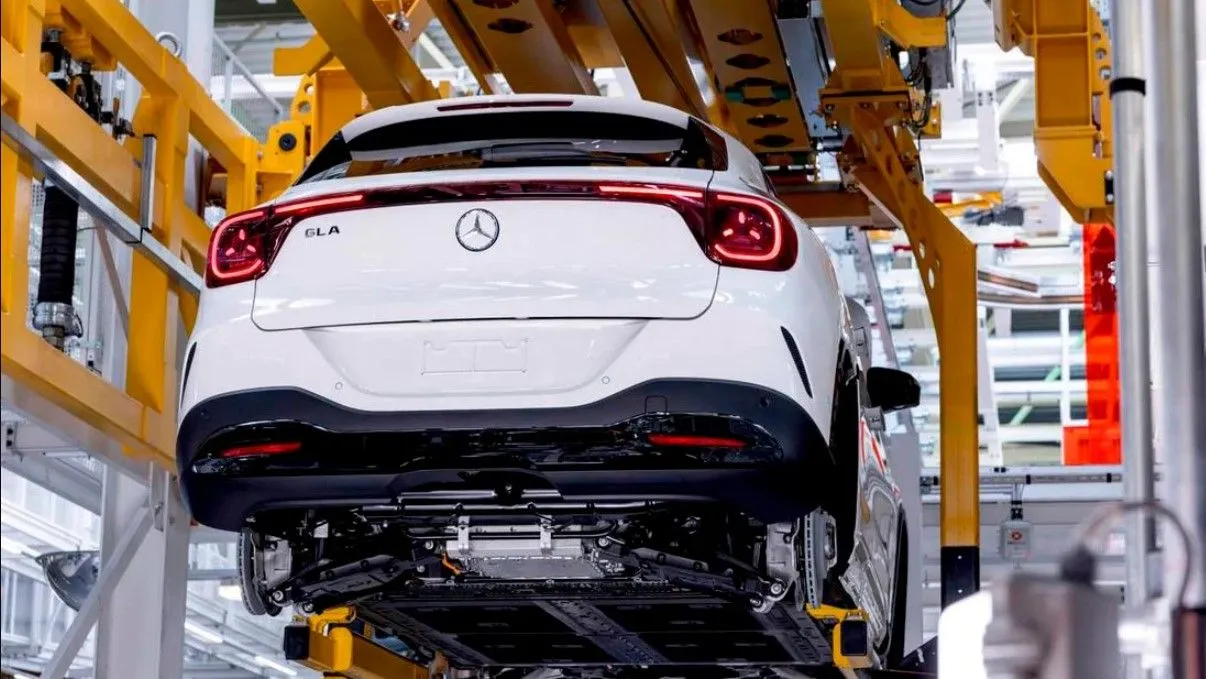
The European automotive industry has been facing problems for years, but the situation is now reaching a concerning level. Major manufacturers are cutting costs, reducing staff, and reorganizing their factories, while their suppliers struggle to adapt to a market changing at an unstoppable pace. Worse still, some of the industry’s key leaders warn that we have not yet seen the most severe consequences.
We are not just talking about the large plants where cars are assembled. Much of the risk lies in the extensive network of suppliers that provide engines, electronic components, lighting systems, transmissions, and numerous other parts needed to manufacture a car. These companies rely directly on orders from manufacturers, and when those reduce production, they are the first to suffer the consequences.
Valeo’s proposal calls for setting much stricter conditions for a car to be considered manufactured in Europe. According to Périllat, this measure could determine whether tens of thousands of jobs are preserved or if industrial decline accelerates, already affecting countries like Germany and France significantly.
The 75% that could save thousands of jobs in Europe
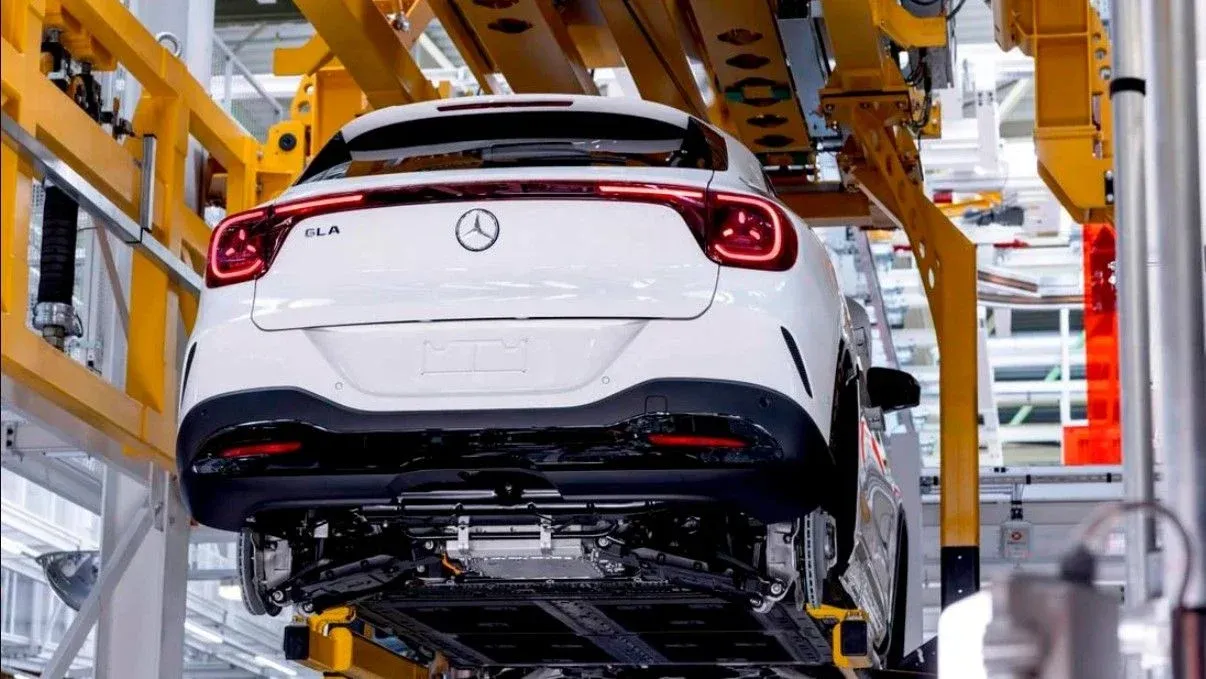
The debate centers on the upcoming Industrial Acceleration Act, known by its acronym IAA, an initiative through which the European Commission aims to strengthen industrial production within its borders and reduce reliance on foreign suppliers.
One of the proposals under consideration is to create a “Made in UE” designation, which would allow identifying cars whose manufacturing incorporates a sufficiently high proportion of European components. This classification could be used to determine which models are eligible for certain subsidies and tax incentives.
According to information published by the French media outlet L'Automobile Magazine, the European Commission is considering setting a minimum of 70% European content requirement. However, Valeo believes this figure is insufficient and calls for it to be raised to 75% of the car’s value.
It may seem like a small difference, just five percentage points, but Périllat argues that its consequences would be enormous. According to his calculations, each additional percentage point of European production creates around 15,000 jobs on the continent.
According to that estimate, raising the threshold from 70% to 75% could help preserve up to 75,000 jobs in the automotive industry. This figure illustrates just how much European suppliers stand to lose in these negotiations, though it should be noted that this is an estimate put forward by Valeo, not an independent forecast.
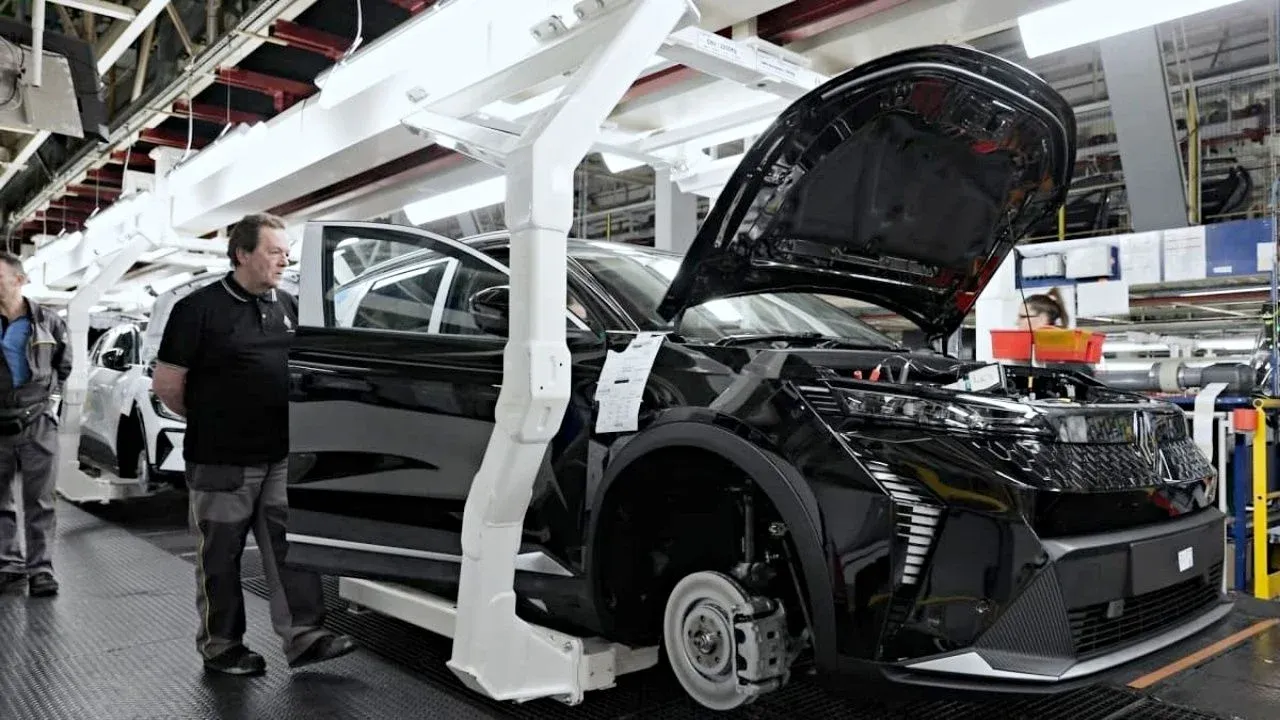
The executive believes that maintaining the 70% requirement could put as many as 150 factories at risk, while the lack of sufficiently ambitious legislation could further exacerbate the situation.
There is another important aspect to this proposal. Valeo wants European content to be calculated based on the value of components produced within the 27 countries of the European Union, preventing a car from benefiting from subsidies merely by having its final assembly take place in a European factory.
The significance of this distinction cannot be overstated. A manufacturer can import the battery, engine, electronics, and most of the components for an electric car from China, carry out the final assembly in Europe, and create only relatively limited local industrial activity. The goal is precisely to ensure that a larger proportion of the added value remains within the continent.
Périllat also does not rule out the possibility of special conditions being established for the United Kingdom, given its historical and industrial ties with the European Union. However, he believes countries like Morocco, where Renault maintains significant production activities, should not automatically receive the same treatment.
For now, the final terms of the future legislation are still under negotiation, so these percentages and their potential exceptions cannot yet be approved.
Valeo’s concerns are not unfounded either. The decline of Germany’s industry, traditionally the driving force behind European automobiles, is having increasingly visible consequences.
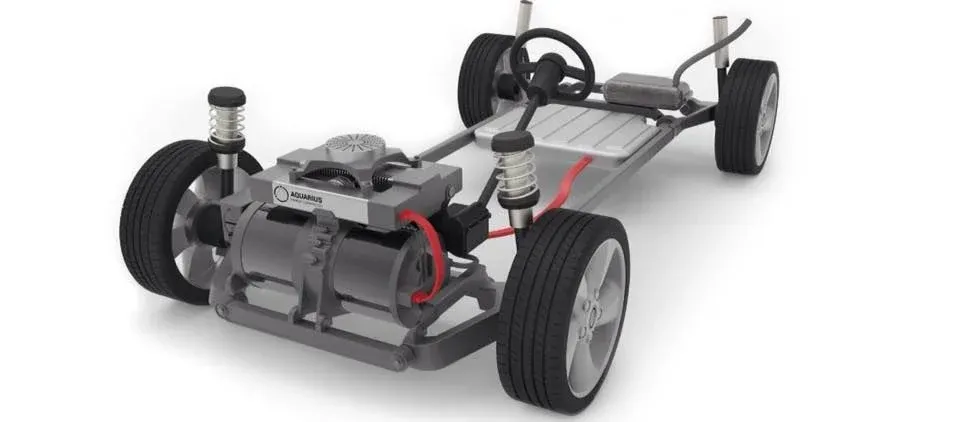
Volkswagen is undergoing a major restructuring of its operations, with significant workforce adjustments and cost cuts that also affect its suppliers. Mercedes-Benz is implementing similar measures, while BMW, which seemed to fare better against market challenges for a time, has also launched voluntary retirement programs.
But one of the most concerning examples is Bosch, Valeo’s main competitor, which has announced the elimination of at least 13,000 jobs by 2030. These cuts come on top of another 9,000 jobs that were previously announced to be cut starting in 2024.
In total, at least 22,000 jobs are affected by the various restructuring plans announced by the German giant. This situation illustrates how deeply the difficulties faced by manufacturers are impacting the entire supply chain.
Bosch’s unions have also directly asked European institutions to intervene to protect industrial production. Among their main demands is the creation of a “Made in EU” label to ensure that government subsidies help maintain employment and value creation within the continent.
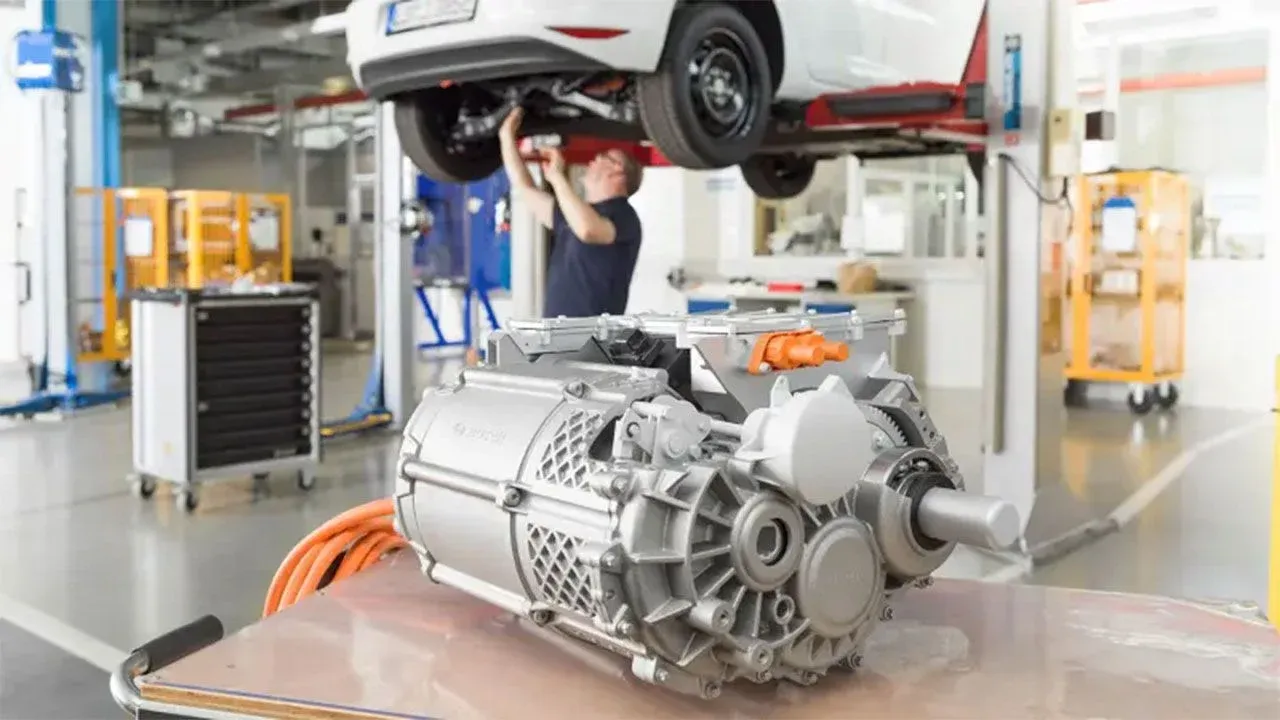
Chinese competition is one of the factors driving this pressure, though not the only one. European manufacturers also face high energy costs, the investments required to electrify their product lines, and a technological transformation that is profoundly changing automobile manufacturing.
In addition, electric cars require fewer mechanical components than combustion engine models, posing an additional challenge for companies specialized in thermal engines, exhaust systems, or conventional transmissions. This transition creates opportunities in batteries, electronics, and electric propulsion systems, but it does not guarantee that new jobs will emerge in the same companies or regions where old ones disappear.
Meanwhile, Chinese manufacturers are expanding their presence in Europe. Some have begun setting up facilities on the continent, but the real debate centers on determining how much industrial value these operations create and what proportion of components still comes from Asia.
This issue is particularly relevant for Spain, one of Europe’s major automobile producers with a vast network of supporting companies. Legislation that encourages local production of components could benefit Spanish factories and their suppliers, though it would also force manufacturers to review their supply chains and production costs.
In any case, setting minimum percentages for European content alone will not solve all the sector’s problems. Protecting local production can help preserve jobs, but it does not replace the need to improve competitiveness, reduce costs, and develop technologies capable of competing with those from China.
And here lies one of the major contradictions in European industrial policy. For decades, Western manufacturers took advantage of production in countries with lower costs to improve their profit margins. Now, as Chinese manufacturers use the same advantage and also have a highly competitive industry in batteries and electric vehicles, Europe tries to regain some of the production it has moved abroad.
The problem is that rebuilding an industrial supply chain is much more complicated than losing it. And while Brussels continues to negotiate the terms of its future legislation, companies keep making decisions about investments, employment, and factory closures that will likely be irreversible later on.
Valeo’s warning raises one question: Europe still has the capacity to defend its automotive industry, but it has less room to do so with each passing year.