
Europe will lose more than 200,000,000 internal combustion vehicles by 2050, but the transition to electric vehicles will proceed at two different speeds.
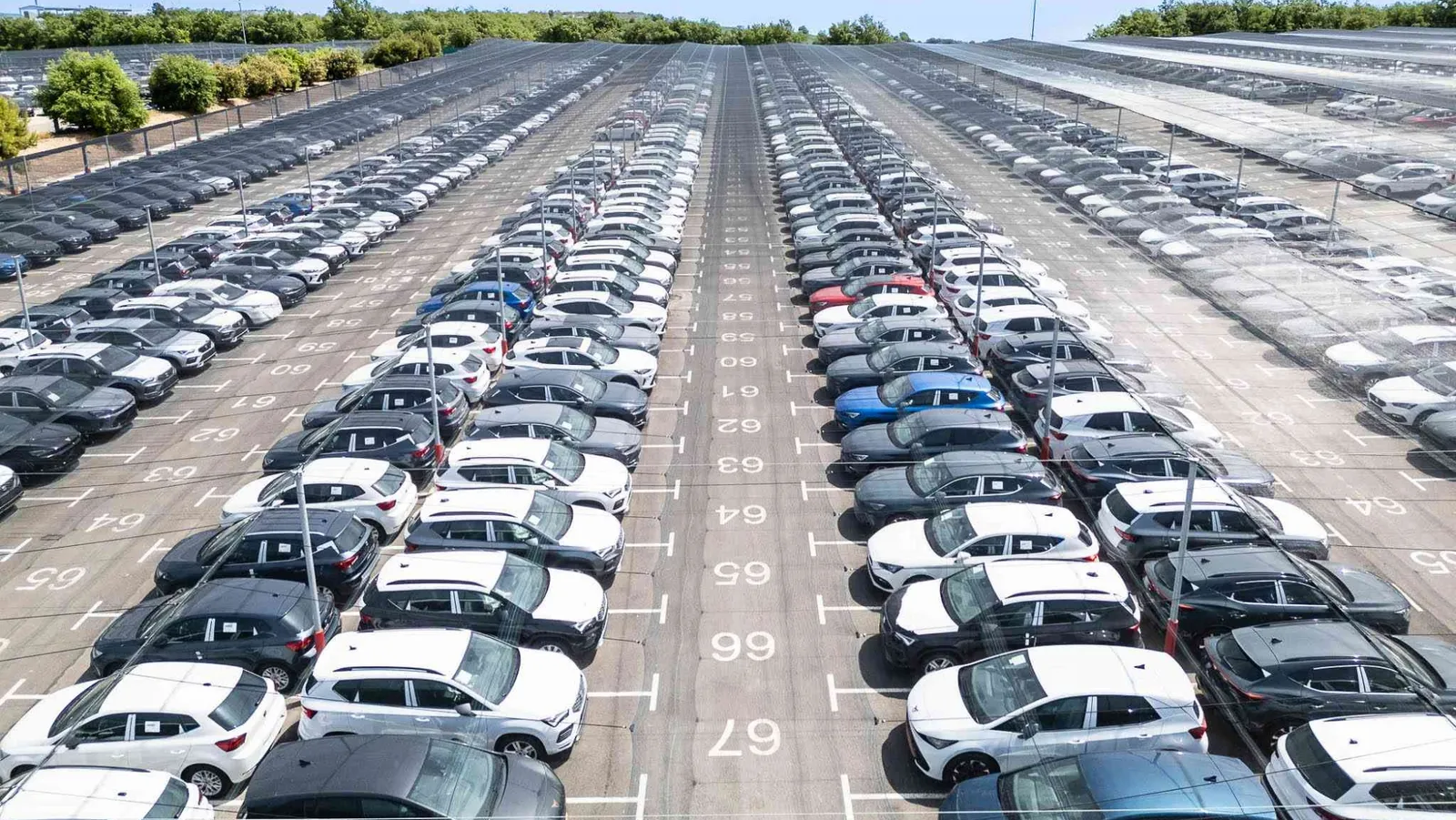
The transition to electric cars seems unstoppable, but it won’t happen at the same pace everywhere. Europe will be one of the regions where change occurs fastest, while other markets will retain a high presence of internal combustion vehicles for longer.
According to the new projections in DNV’s Energy Transition Outlook 2026, cited by Reuters today, Europe’s fleet of internal combustion vehicles will drop from around 284 million units currently to just 77 million by 2050. That represents a decline of over 200 million vehicles in less than 25 years.

Electrification will be the main driver of this change. DNV predicts that battery electric vehicles will come to dominate the global fleet by a large margin, although there will be significant differences between regions depending on subsidies, charging infrastructure, vehicle costs, and energy policies.
Europe will drastically reduce internal combustion vehicles
Europe will be one of the regions where the phase-out of traditional engines will progress fastest. The drop from 284 million to 77 million internal combustion vehicles means that approximately three out of four such vehicles will disappear from the European fleet by mid-century.
The shift coincides with a much broader electrification of the European economy. DNV estimates that electricity will nearly double its share in final energy demand by 2050, driven especially by transportation, buildings, and industry.

The evolution of the automobile will be one of the most visible aspects of this transformation. Europe already has stricter emission policies, an increasing supply of electric cars, and a much more developed charging infrastructure than most emerging markets.
Still, DNV does not expect European transportation to achieve net-zero emissions by 2050. The transition will be profound, but a portion of the fleet will remain dependent on fossil fuels, and other segments of transportation will be more difficult to electrify.
China will go even faster
China starts from a different position, but it too will undergo massive transformation. Reuters reports that the country currently has around 37.5 million electric cars, a figure that could exceed 360 million by 2050. Its advantage lies in a combination of a domestic industry, battery manufacturing, government support, and a charging infrastructure that has been growing rapidly for years. Additionally, it has a huge domestic market where manufacturers such as BYD, Geely, and SAIC have gained increasing influence.
DNV estimates that battery electric vehicles will eventually account for over 90% of the passenger car fleet in some of the most advanced markets. China and Europe are among the regions that will lead this transition in the coming decades.
This transformation is also having industrial consequences. DNV notes that Chinese manufacturers have increased their share in Europe, and traditional supply chains related to internal combustion engines are losing importance compared to batteries, software, and electronics.
The rest of the world will progress much more slowly
The situation changes significantly when looking at North America, India, Africa, or certain countries in Southeast Asia. In these regions, the price of electric cars, the availability of chargers, and public policies can considerably delay the replacement of internal combustion engine vehicles.

In the United States, for example, Reuters notes that the pace of electrification will be slower than in Europe due to regulatory changes and less political support. Nevertheless, DNV expects the share of electric vehicles to continue rising significantly in the coming decades.
India presents an even more distinct scenario. Its fleet of internal combustion vehicles will continue to grow for years before starting to decline sharply, while the shift toward electric cars will primarily occur starting from the 2040s.
In lower-income regions, the renewal of the vehicle fleet will necessarily be slower. Vehicles remain in use for longer periods, and significant additional investment is required in electrical and charging infrastructure before mass electrification can take place.
The key won’t be just how many electric cars are sold
Reuters also highlights an important factor: to measure the energy impact of this transition, it’s not enough to focus only on electric car sales. It’s also crucial to consider how quickly existing internal combustion vehicles are phased out of roads.
A country can achieve a very high proportion of electric cars among new vehicles and still keep millions of gasoline and diesel vehicles on the road for years. That is precisely why differences between Europe, China, and emerging markets can persist for decades.
The impact will also be felt in oil consumption. DNV predicts that demand for road fuels will drop sharply in Europe and China, while in some emerging economies it may remain relatively stable for much longer.
The ultimate outcome seems increasingly clear: DNV estimates that 84% of the world’s vehicle fleet will be electric by 2060. The question is no longer so much about the direction in which automobiles are heading, but rather how long it will take each region to get there.