
The Renault Captur will have an electric version and will be manufactured in Spain.
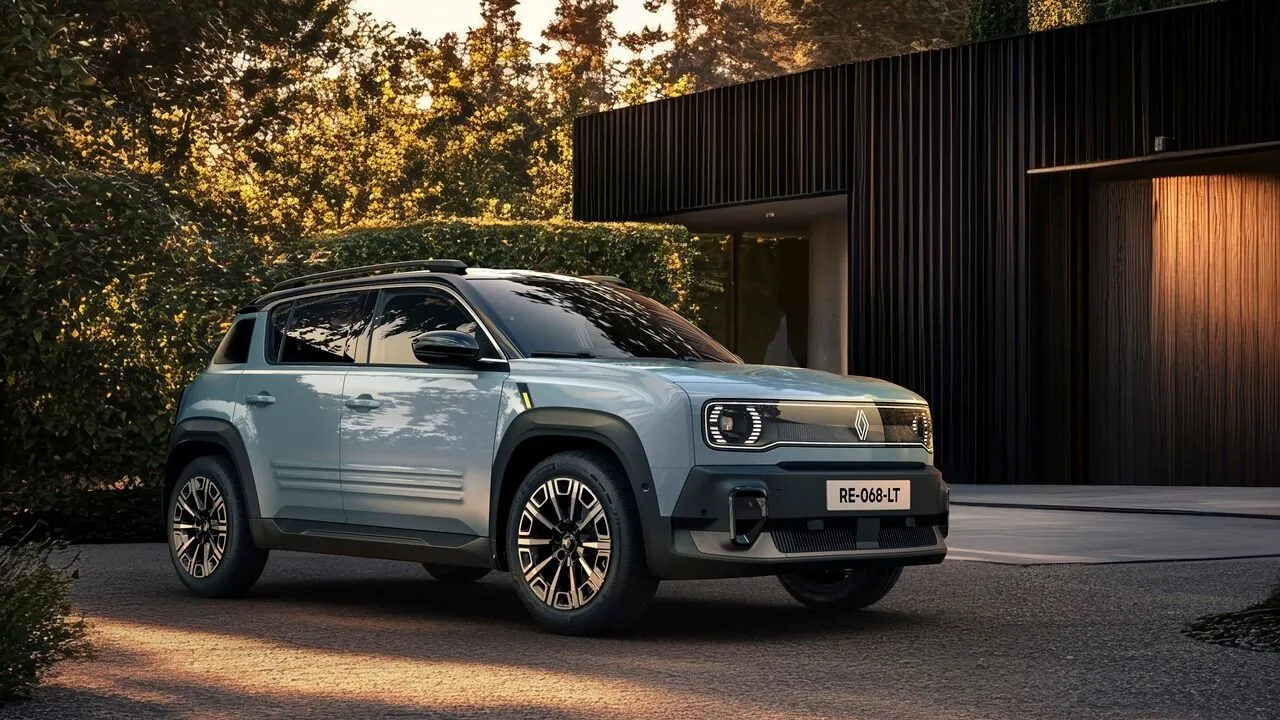
Recently, Renault confirmed the allocation of the RGEV Medium 2.0 electric platform to its plant in Palencia. This architecture will serve as the basis for at least three new models: the upcoming Renault Scénic and its twin, the Mitsubishi Eclipse Cross, as well as the new electric Rafale. The latter will be the first to arrive, with its debut scheduled for 2028, while the other two will have to wait until 2029.
The group’s other Spanish factory in Valladolid will continue to produce the conventional Captur and Symbioz models for now. These vehicles will undergo a major update in the near future, featuring a refreshed exterior and interior design, along with technological, equipment, and likely mechanical improvements.
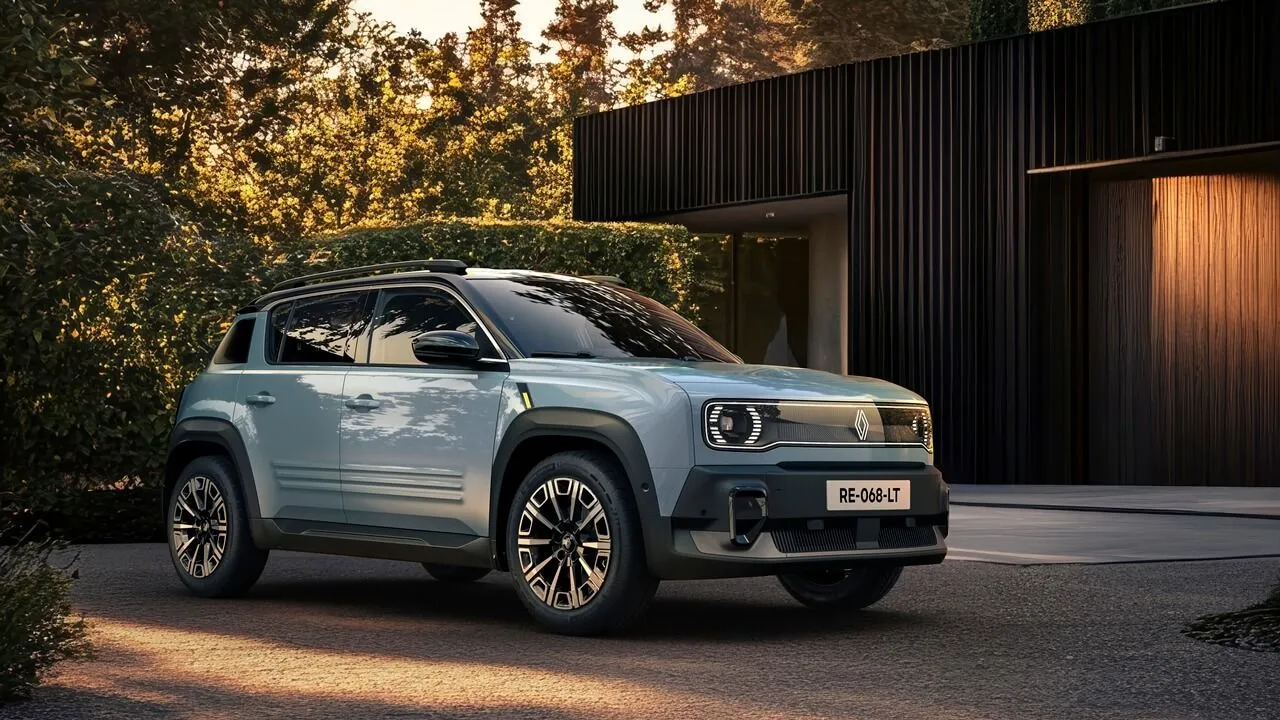
According to La Tribuna de Automoción, Fabrice Cambolive, CEO of the company, confirmed that the firm is also working on developing electric versions of the Captur and Symbioz. The executive even set a timeline for their market launch, which will occur at the beginning of the next decade. These new models will be part of their product strategy up to 2035.
Cambolive stated that the B-SUV segment will be refreshed using the same strategy as in the B-segment: “offering both a hybrid and an electric version simultaneously.” Currently, Renault already has an electric B-SUV in its lineup, the R4; however, the Captur and Symbioz are larger models, and given their greater versatility, their electric versions are likely to be more capable.
What will happen to the Renault Clio?
It’s interesting to note that the RGEV Small platform used in the Twingo, R5, and R4 shares many components with the CMF-B platform used in the Clio, Captur, and Symbioz. This should theoretically make it easier for the gasoline and electric versions of future Captur and Symbioz models to share the same body structure. In fact, the next Dacia Sandero and its SUV derivative are expected to be available with both propulsion technologies.
The executive views the electrification of the B-SUV segment as the culmination of his company’s electrification strategy. Once the Captur and Symbioz make the switch to electric mobility, it remains to be seen what will happen with the Clio, the brand’s best-selling model. Although it shares the same category (B segment) as the R5, the size difference between the two—3.92 meters for the R5 compared to 4.12 meters for the Clio—should allow them to coexist.
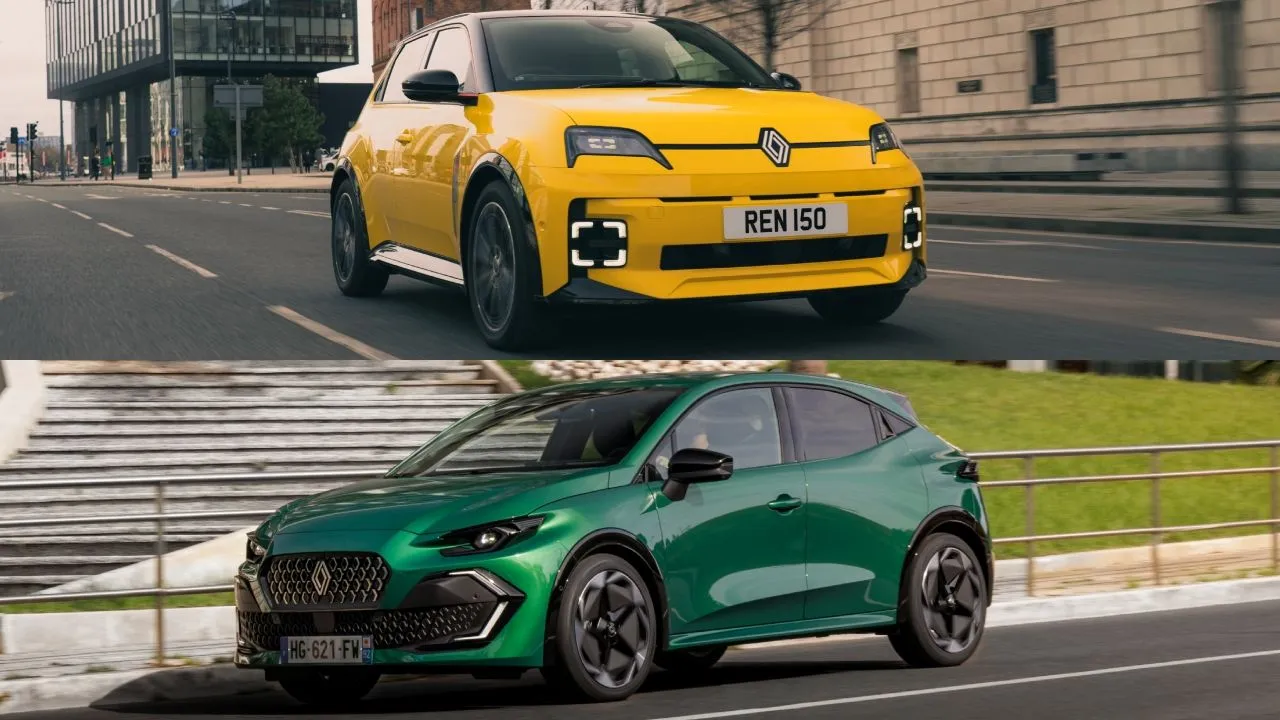
In addition, we must not forget that the aforementioned RGEV Medium 2.0 platform can be used in vehicles in the B+ segment. Will we see a seventh-generation Clio built on this advanced architecture, which features an 800-volt system compatible with ultra-fast charging? We will find out in a few years.
Source | La Tribuna de Automoción