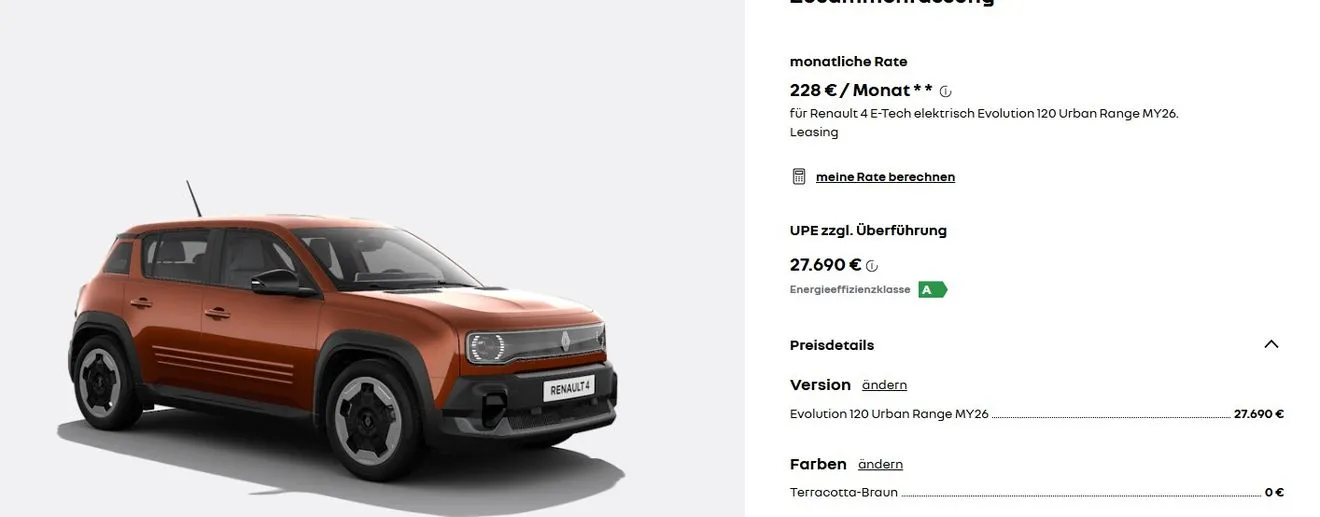
The Renault 4 has a lower price, improved equipment, and an added LFP battery.
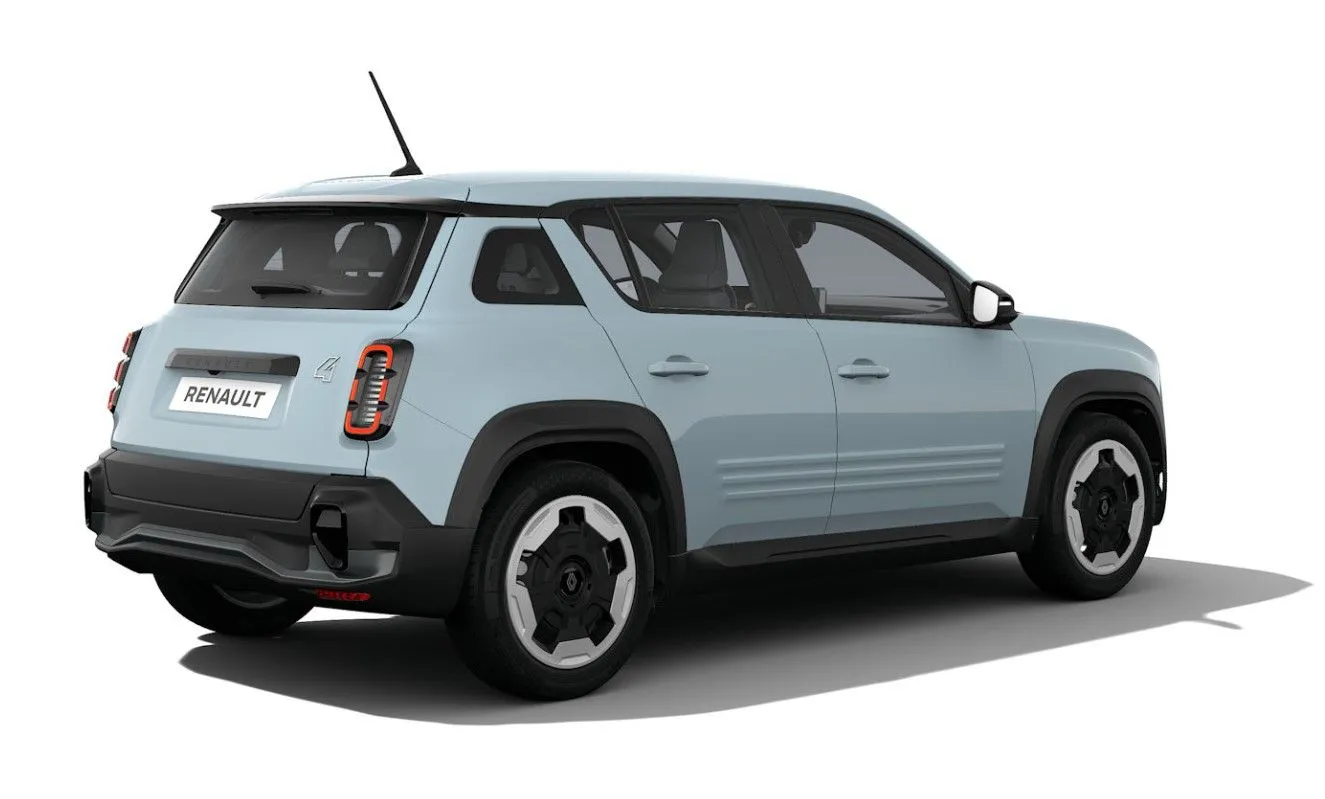
The electric Renault 4 E-Tech receives an update along the same lines as the recent one introduced for the Renault 5. The French brand has used this refresh to make minor design changes, upgrade the equipment, and adjust the prices of its electric crossover, aiming to establish itself among the more practical options on the market.
The changes come in time for the new model year and affect various versions of the range. Although the improvements to range are modest, Renault has added new driving assistance features and solutions designed to simplify daily use, both while driving and during charging. Additionally, the manufacturer takes this update as an opportunity to introduce a special edition inspired by the world of tennis.
The Renault 4 is cheaper and has improved range
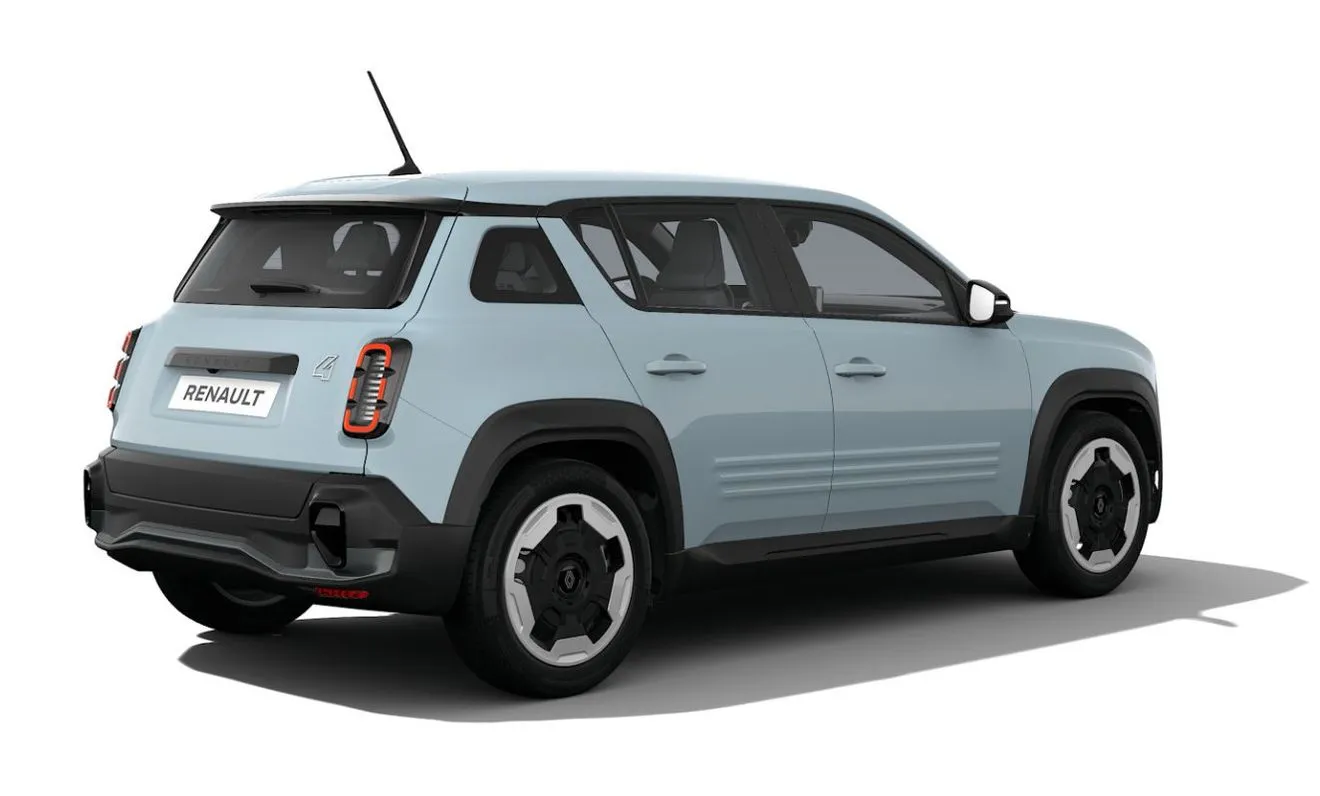
The range still offers two main mechanical configurations. The Urban Range version is equipped with a 40 kWh battery and a 90 kW (122 HP) engine, offering an approved range of 310 kilometers. The Comfort Range, on the other hand, features a 52 kWh battery and an 110 kW (150 HP) engine, achieving a range of 415 kilometers.
But undoubtedly the biggest new feature for this range is the arrival of the entry-level version. This Renault 4 is powered by an 80 kW (109 HP) engine derived from that used in the Renault Twingo electric vehicle, along with a 36.5 kWh LFP battery. The certified range reaches 305 kilometers under WLTP standards, a reasonable figure considering the more economical approach of this variant. We don’t have pricing details available yet, but it should cost around 25,000 euros before any discounts or promotions.
The version with a foldable canvas roof, called Plein Sud, also sees improved figures. In this case, the certified range increases by ten kilometers, reaching 402 kilometers. It’s a modest improvement, but it allows the Renault 4 to maintain its practical approach without sacrificing its retro-inspired body style and unconventional solutions for its class.
The exterior changes focus on the mirrors and the lower panel of the body, which have been revised to enhance aerodynamics. There’s no major transformation of the design, just a series of adjustments that allow for slightly reduced fuel consumption and an additional few kilometers of range without substantially altering the vehicle’s technical foundation.
Renault also expands its lineup with the electric Renault 4 Roland-Garros E-Tech, a special edition priced at 37,490 euros in Germany. Its body can be combined with Arctic White, Slate Gray, Pearl Black, and Terracotta Brown colors, always featuring certain elements in black, such as the front pillars and roof rails. Black 18-inch tires and silver decorative details with the Roland-Garros emblem complete its exterior design.
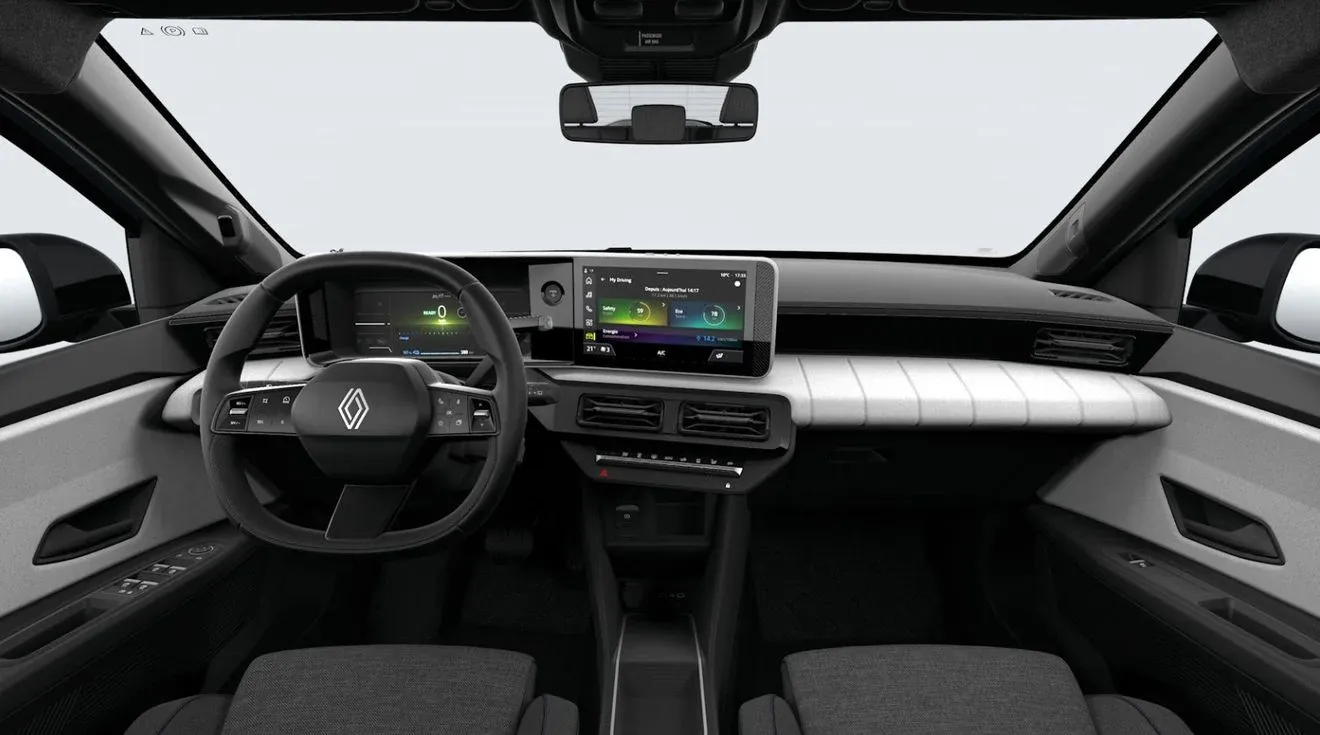
The interior maintains the same sporty theme, with light gray upholstery made from 100% recycled fabric and blue accents on the armrests, doors, and dashboard. The gear shift takes the shape of a tennis racket, while the backlit dashboard trim, wireless charging base, sand-colored floor mats, and aluminum trims on the door sills add a distinctive finish.
In this edition, the Comfort Range version achieves a range of up to 402 kilometers. In Germany, the foldable Plein Sud canvas roof is standard equipment, one of the features that sets this configuration apart from conventional versions.
More technology and new assistance functions
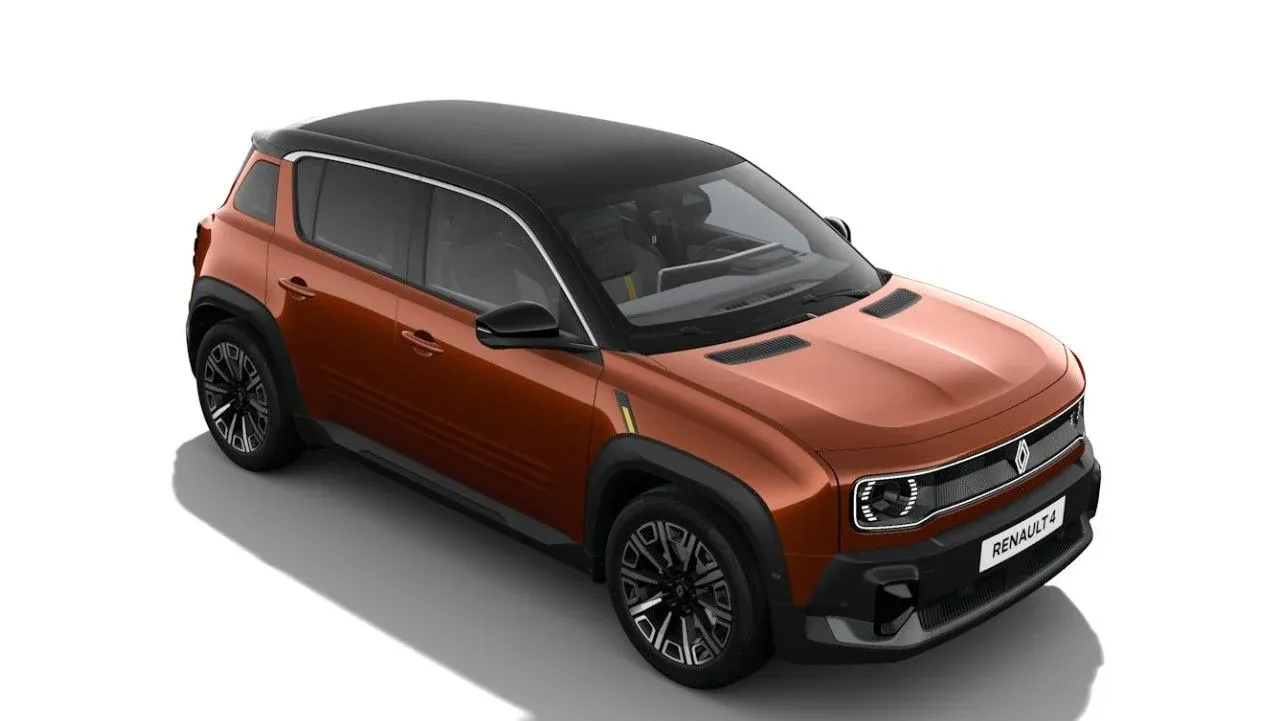
The update to the Renault 4 isn’t limited to range and price. The manufacturer has made improvements to the assistance systems and the functions for managing the battery. One of the new features is a 360-degree camera, which is now available as an option on the Techno trim level and comes standard on the Iconic and higher trims.
The management of recharges has also been improved. The driver can manually activate battery pre-conditioning, independent of navigation, to prepare the system before charging. Additionally, the My Renault app can send a notification five minutes before the scheduled charging time ends, allowing users to better plan their trips.
Among the new driving features is the eco-driving assistant, which analyzes road conditions and recommends when to take your foot off the accelerator to make better use of energy. The new intelligent automatic mode adjusts the vehicle’s response to each situation, prioritizing efficiency in urban areas and a more dynamic response when acceleration is needed to overtake. This function can be activated via the screen or voice commands.
Renault also introduces safety improvements. The emergency braking system can stop the vehicle if it detects that the driver is not paying attention to the road or is not keeping their hands on the steering wheel. This is complemented by an upgrade to the eCall emergency call system, which is now compatible with 5G networks.
Another innovation is the inclusion of a magnetic Qi2 standard wireless charging platform with ventilation. The electric rear door also offers greater convenience: it can now open automatically when the driver stands behind the vehicle with the key, without needing to move their foot under the bumper.
The Renault 4 Extra is ready for work
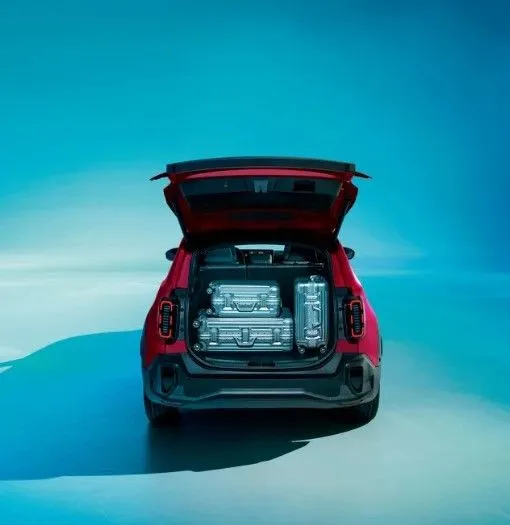
Renault is also preparing a commercial version of the model, the Renault 4 Extra, certified as an N1 industrial vehicle for the European market. This two-seater version starts with the Techno trim level.
Instead of rear seats, the Renault 4 Extra features a fixed thermoplastic cargo floor, a partition, and a cover for the cargo area, along with tie-down points to secure transported items. With a 52 kWh battery, the maximum payload reaches 330 kg.
The cargo capacity reaches 1,045 liters, with an additional 55-liter compartment in the trunk designed, among other things, for storing charging cables. The equipment also includes tinted rear windows, improved driving assistance systems, and a multimedia system with a 10-inch screen and navigation.
With this update, Renault strengthens the appeal of the Renault 4 in two areas: a lower entry price and more comprehensive technological features. The increase in range is modest, but the combination of a revised price, new functions, and a future commercial variant expands the possibilities for a model that revives a historic name with an offering tailored to current needs.