
Electric cars are approaching their major turning point: diesel vehicles will be the first to fall.
The transition to electric cars is entering a new phase in Europe. What seemed just a few years ago to be a trend driven mainly by a handful of enthusiasts is now beginning to reach a much broader audience, as manufacturers respond by expanding their offerings and narrowing the cost gap compared to gasoline models.
The change is also occurring in markets that until recently were progressing at a slower pace than expected. Germany, one of the major strongholds for diesel, is now showing signs of transformation that just a few months ago seemed destined to happen in five years or more. And while political debates about the future of internal combustion engines remain ongoing in Brussels, where efforts are being made to prolong the use of diesel and gasoline under pressure from large industry lobbies, consumers are already moving in a different direction.
The question is whether the market is reaching a turning point at which electric cars could become dominant much faster than expected. An analysis published by the German weekly Der Spiegel, based on data on costs, registrations, and model availability, identifies five factors that help explain why this possibility is gaining momentum.
Five reasons that could accelerate the shift to electric cars
This advantage already existed before the recent increases in fuel prices, but the rise in gasoline and diesel costs has widened this gap further. While the cost of electricity has remained relatively stable, the energy consumption of combustion engine vehicles has increased significantly. For those who drive many kilometers per year, this difference can result in substantial savings.
ICCT projections also suggest that this gap could widen in the coming years. Rising costs of fossil fuels, along with other factors such as increased expenses related to CO₂ emissions, may further enhance the economic advantage of electric cars.
The main obstacle remains the purchase price. For a long time, the high upfront cost has been one of the most common arguments cited by those who prefer conventional combustion engines. However, this difference is narrowing, and in certain segments of the German market, electric cars can now compete on price with equivalent gasoline or diesel alternatives.
In mid-range, mid-to-high range, and high-end models, that parity would have already been achieved in Germany according to ICCT. In smaller and more affordable cars, there is still progress to be made, although the arrival of new models is rapidly changing the landscape.
Affordable electric cars offer more for less money
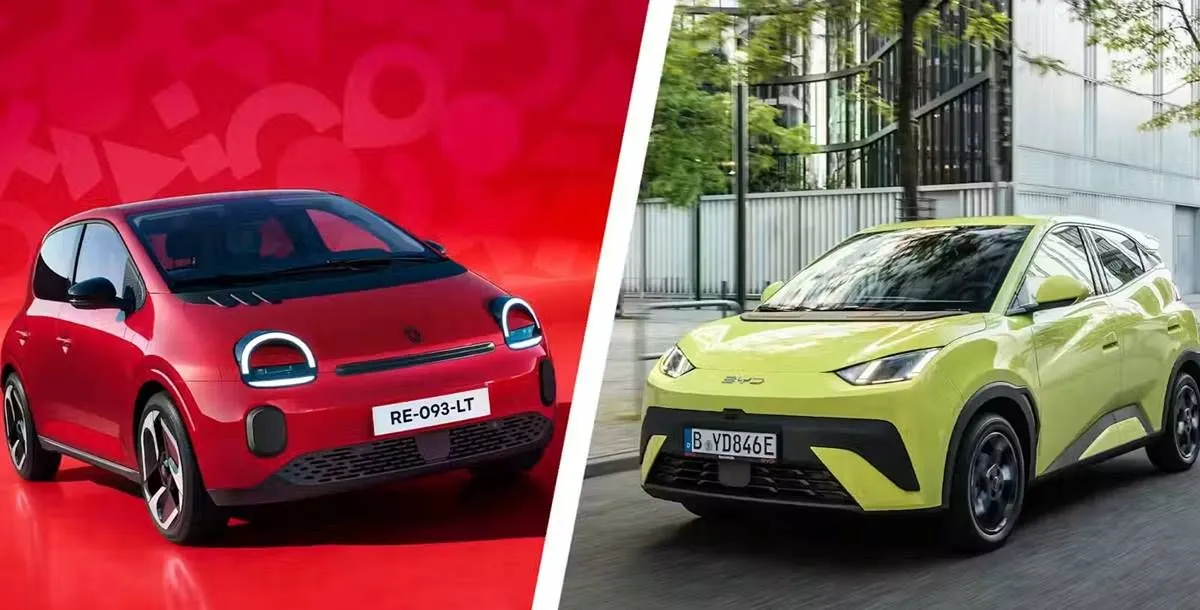
The evolution of the entry-level segment is particularly important, as it allows the transition to no longer rely solely on buyers with higher budgets. More and more electric cars are emerging with relatively affordable prices, sufficient range for daily use, and features that were previously reserved for more expensive models.
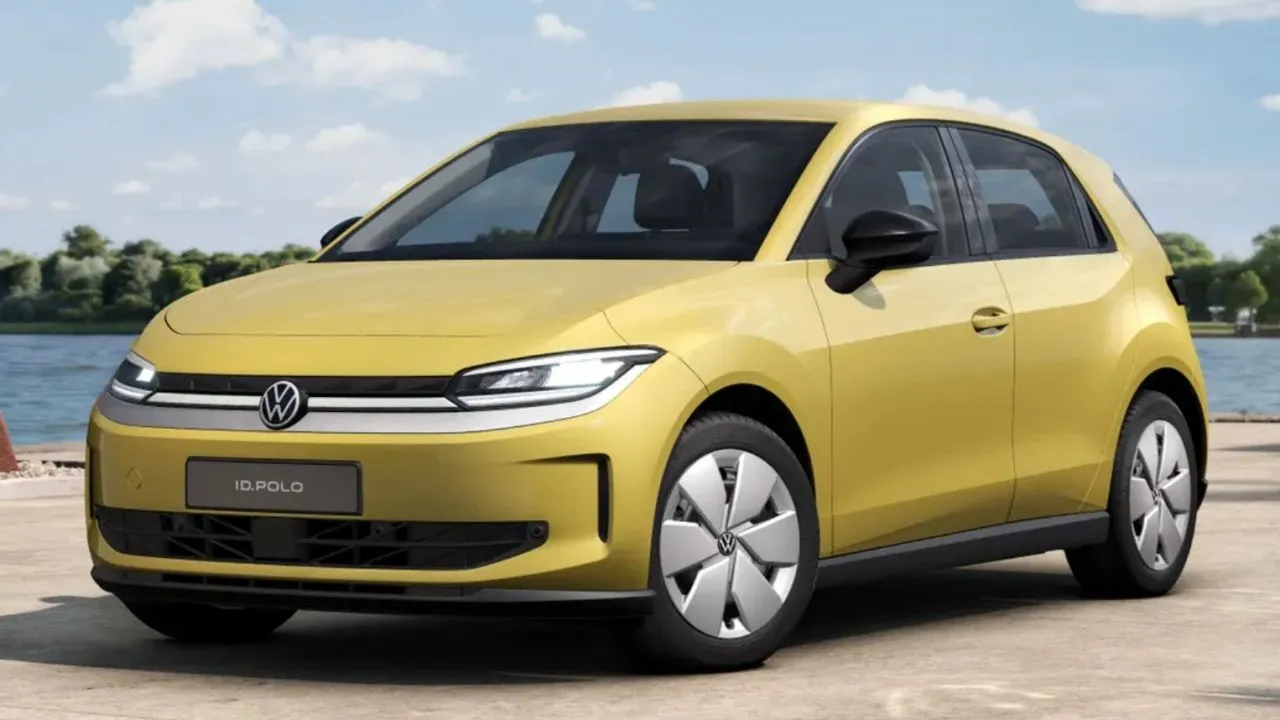
Among the top ten models are the Škoda Epiq, Volkswagen ID. Polo, Kia EV2, Cupra Raval, electric Renault Twingo, and Citroën ë-C3. The presence of these six new models compared to the previous edition reflects how rapidly the offerings in the most budget-friendly categories are changing.
The Volkswagen ID. Polo Life, for example, has a price of 29,270 euros before any discounts or promotions. It is a basic model with a range of 334 kilometers according to the WLTP cycle. The Renault Twingo electric Evolution costs 19,990 euros and has an approved range of 263 kilometers, while the Citroën ë-C3 Standard Range You offers a range of 311 kilometers at a price of 23,450 euros.
The competitive pressure is also affecting models that have been on the market for longer. According to data from German expert Ferdinand Dudenhöffer, the Opel Corsa Electric was selling for an average of 31,283 euros after discounts in June 2024. By September 2026, the transaction price had dropped to 20,240 euros, a reduction of 11,043 euros, equivalent to 35%.
This trend can accelerate technological change. If the purchase price approaches that of a combustion engine model and, in addition, the cost per kilometer is lower, the decision becomes less dependent on personal preferences. In cheaper electric cars, the time needed to recoup the additional initial investment can still be considerable, but this barrier decreases as prices fall.
There are more and more electric models to choose from
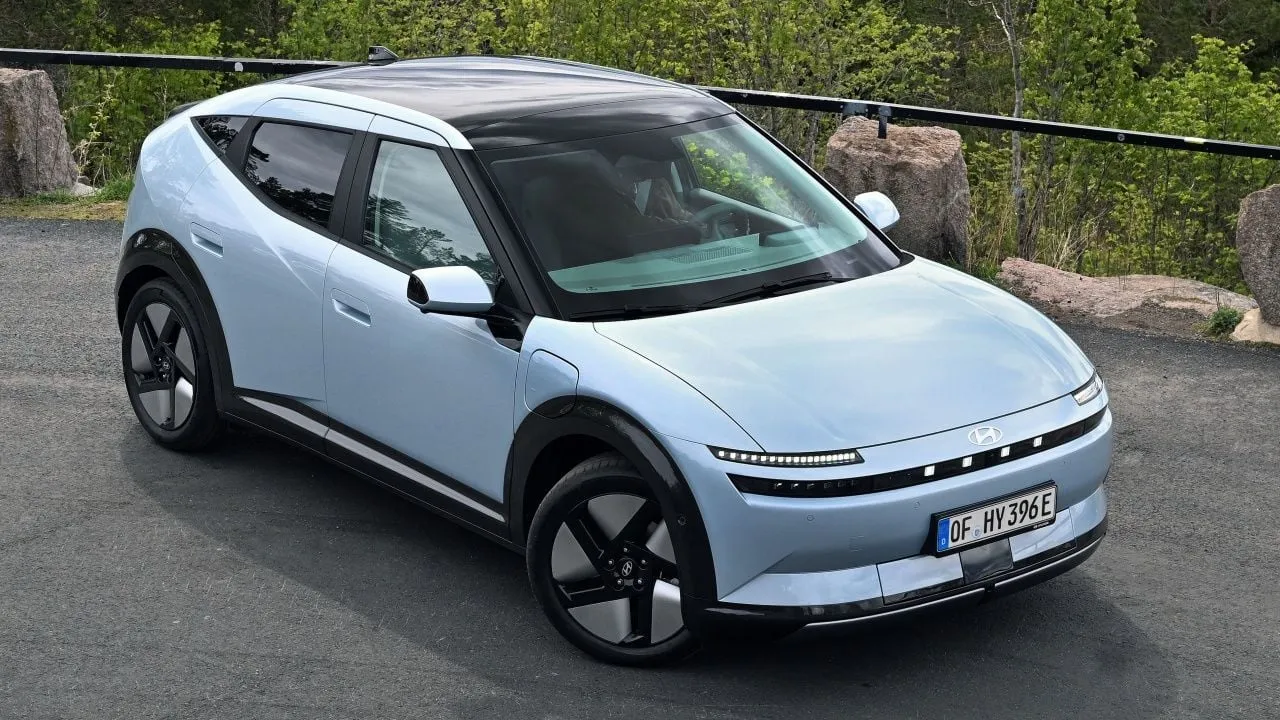
The variety of options is another factor that can accelerate the transition. Not all buyers are looking for the same car: some need a spacious family vehicle, others prefer an SUV, sedan, or urban model, and many want to continue buying from their usual brand.
According to data from the International Energy Agency (IEA) included in the analysis, slightly over 40% of the approximately 2,500 passenger car models available worldwide in 2025 were electric, including both pure electric and plug-in hybrid vehicles. Projections based on manufacturers’ announcements suggest that by the end of the decade, buyers will have access to more than 1,200 models in these two categories.
This trend contrasts with the supply of cars powered by internal combustion engines, whose number of models tends to stagnate. In Germany, the number of electric car models available quadrupled between 2020 and 2025, according to figures from ICCT cited by the publication. Dudenhöffer estimates that there are currently more than 170 electric car models in that market.
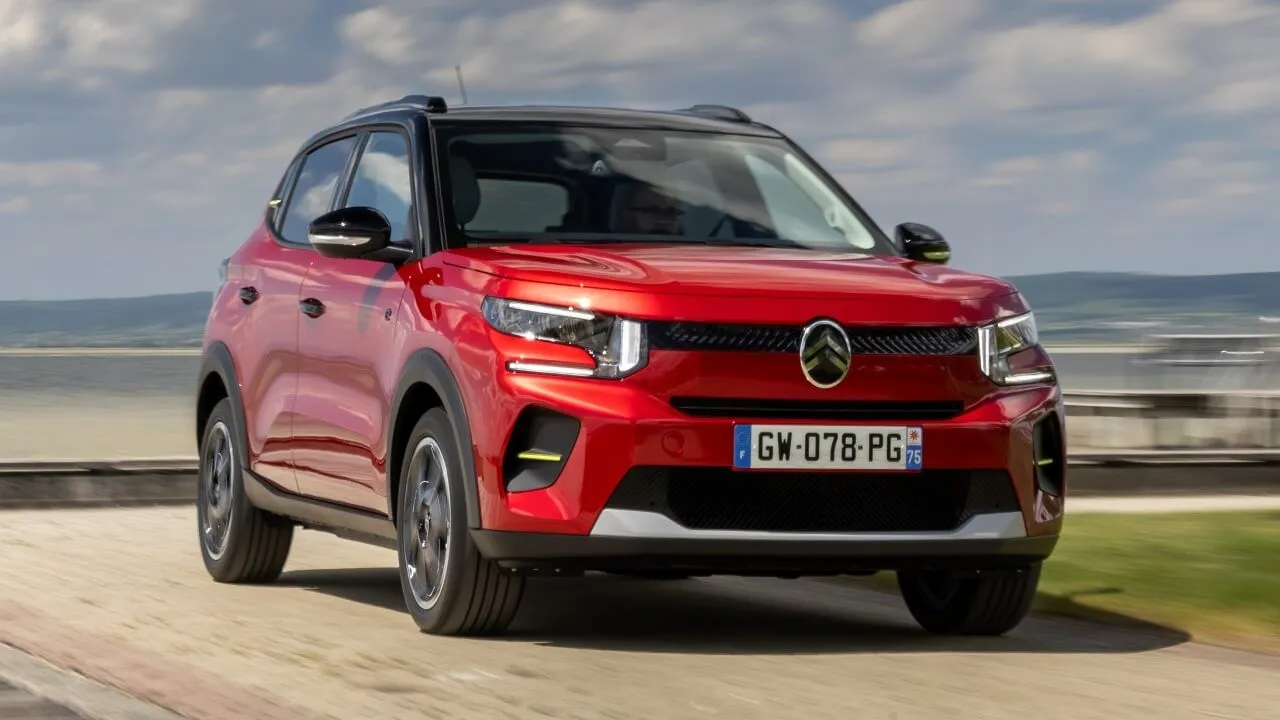
Having a suitable alternative is essential for drivers to make the switch. As long as no electric car meets their needs regarding space, range, price, or brand preferences, many buyers will continue to choose gasoline or diesel models.
However, expanding the electric lineup also forces manufacturers to make decisions about their traditional engines. Developing and maintaining numerous engine options and versions for the same model adds to industrial complexity. As brands focus their resources on electric cars, some internal combustion alternatives might disappear from catalogs.
The next BMW Series 3 is an example of this change: the German brand will not offer a diesel version in the next generation, according to information published by Der Spiegel. For drivers who have chosen this engine type for years, the disappearance of certain options could become a decisive factor in switching to another technology.
Electric cars are gaining ground across Europe
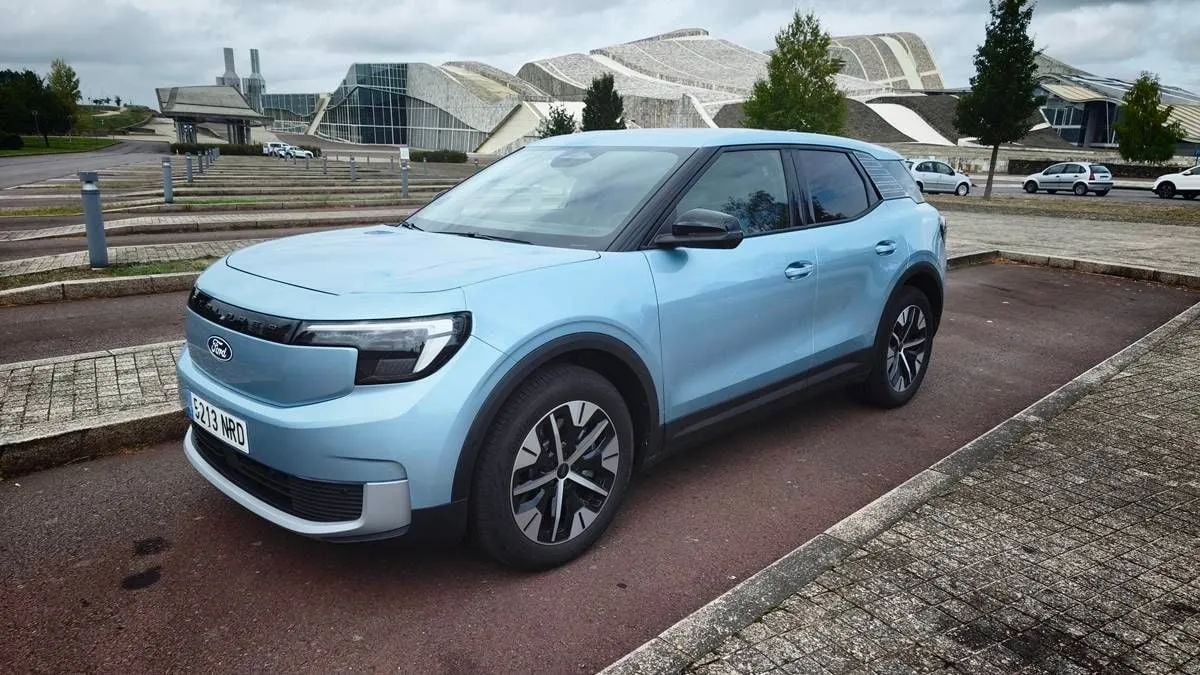
The expansion of electric mobility is not limited to Germany. Differences between countries remain significant, but there are increasingly more markets where electric cars account for a large portion of new registrations. Norway continues to lead, although other European countries are showing that change can also accelerate when there is an appropriate supply and favorable economic conditions.
Denmark is one of the most prominent examples. According to data cited by Der Spiegel for the period from January to August 2026, electric cars made up 81% of new registrations in the country. High taxes on combustion engine vehicles and purchase subsidies have helped drive this trend.
France is also gaining ground, and according to an analysis published on October 12, it reached a share of 41.7% in September. One of the factors behind this result is its subsidized leasing program, aimed at low-income households and allowing them to access certain electric models for less than 200 euros per month.
In Germany, pure electric cars accounted for a record 34.5% of new registrations in September, according to data from the German Federal Motor Transport Authority. This figure reflects a significant shift in one of the most important markets for Europe’s automotive industry.
Public policies are also playing an important role. In Germany, the government announced that it has approved 100,000 applications for the new electric vehicle subsidy since May. Meanwhile, European CO₂ emission limits continue to influence manufacturers’ decisions and encourage the introduction of new electric models.
The experience of more advanced countries leads Patrick Plötz, a researcher at the Fraunhofer Institute for Systems and Innovation, to suggest a relevant possibility: reaching the initial 20% or 30% targets may take years, but moving from 30% to 80% could happen much faster. If this trend repeats in other markets, the transition could progress at a speed that seemed unlikely just recently.
Germany Might Closely Match China’s Progress Faster Than Expected
China remains a global leader in the expansion of electric vehicles. Both in new vehicle sales and in the overall fleet size, this Asian country has a higher penetration rate than Germany. However, a report by consulting firm Berylls, which we discussed the other day, outlines a development that would have been hard to imagine just a few years ago: Germany could surpass China in the proportion of electric vehicles in its fleet.
The starting point is very different. In 2025, electric cars accounted for approximately 4% of Germany’s vehicle fleet—referring to registered vehicles rather than sales—compared to around 8% in China. The consultancy’s forecast predicts that electrification in Germany will accelerate significantly in the coming years, driven in part by European emission regulations, while growth in China will slow down.
Under this scenario, Germany could overtake China around 2032 or 2033. This is not a certain prediction but an assumption based on both economies developing according to the assumptions used in the calculation. The analysis itself notes that this represents an optimistic outlook for Germany.
Ploetz appears more skeptical and does not think it is likely that the European country will end up surpassing China. Nevertheless, this scenario offers another interesting insight: by the late 2030s, roughly one in every two cars on the roads in Germany could be electric.
This development would be comparable to what Norway has experienced, although there are significant differences between the two markets. When the proportion of electric cars reaches high levels, the change stops being limited to purchasing decisions and begins to transform infrastructure as well. In Norway, for example, some gas stations are removing fuel pumps to install charging points.
In summary, the transition does not depend on a single factor nor will it progress at the same pace in all countries. Purchase price, energy costs, government subsidies, and the availability of models will continue to influence the market. Yet the combination of these elements is beginning to outline a scenario in which electric cars could stop being a niche option much sooner than expected.
Diesel will be one of the first to suffer significantly, especially as certain versions disappear from catalogs and electric models become more competitive. The real turning point will come when switching to an electric car no longer represents an economic sacrifice or a compromise on mobility needs for most drivers. And that moment is closer than ever.