
From hybrid to over 600 km electric: Kia’s two paths to switching cars without hassle
Driving in cities comes with more and more constraints, such as low-emission zones. Factors like fuel consumption, parking ease, range, and operating costs now carry much greater weight when choosing a car. This is prompting many drivers to seek electric solutions, though not everyone is ready to make the full transition.
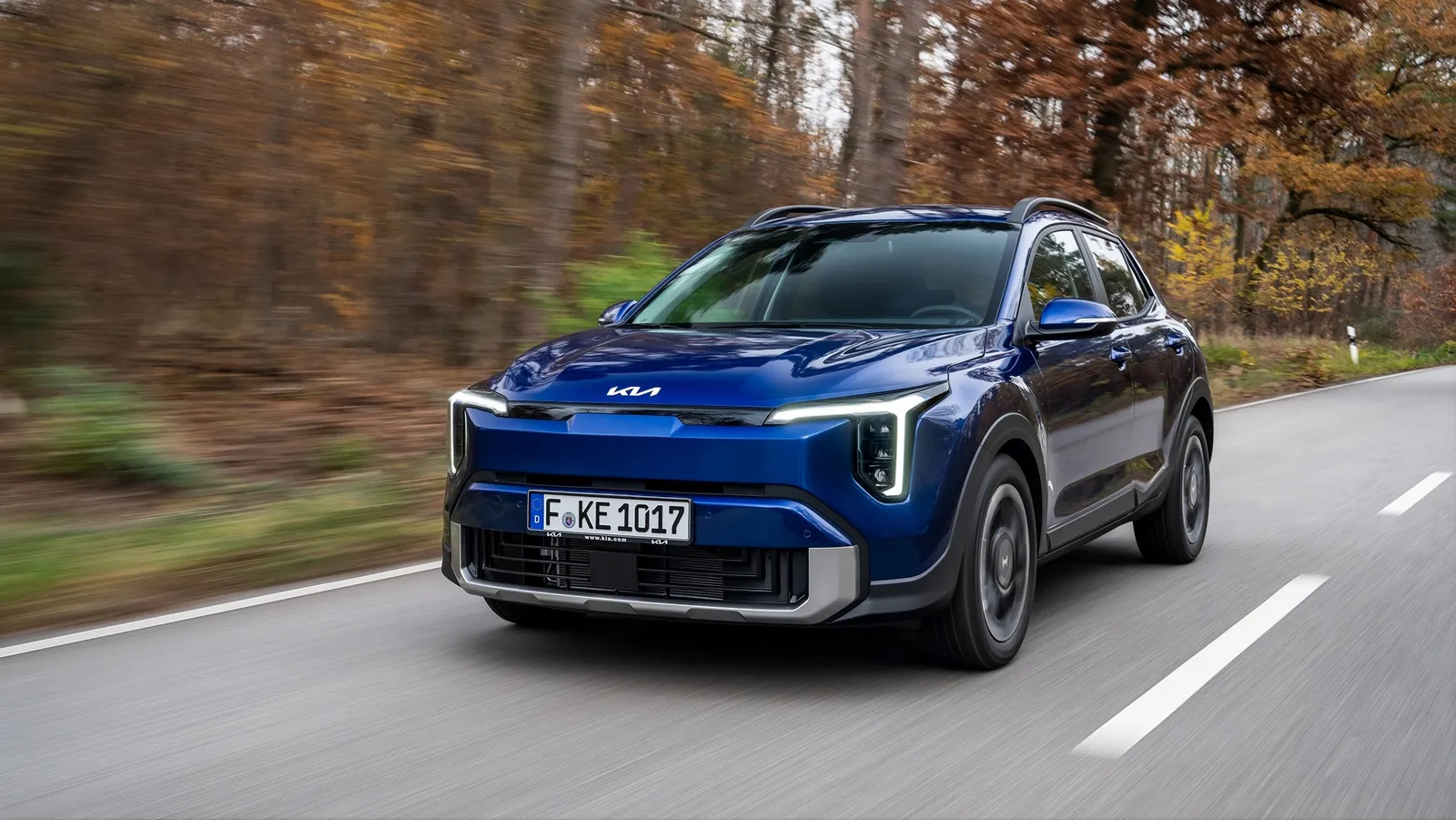
Kia approaches this shift from two distinctly different perspectives. On one hand is the Kia Stonic, an urban SUV at 4.16 meters long, designed for those looking for a practical, affordable, and easy-to-use car in daily life. Its 48 V MHEV microhybrid version delivers 115 horsepower and comes with the DGT ECO rating, but it doesn’t require plugging in.
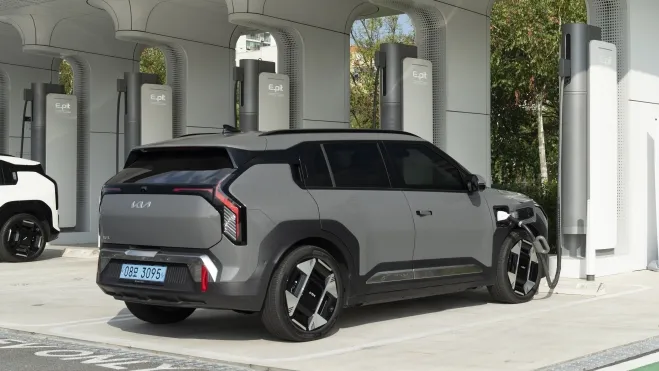
At the other end is the Kia EV3, a fully electric SUV aimed at those who want to eliminate internal combustion engines entirely without sacrificing range, technology, or ease of use. Kia claims a range of up to 605 km, a figure that allows for comfortable daily commuting and reduces the need for frequent charging.
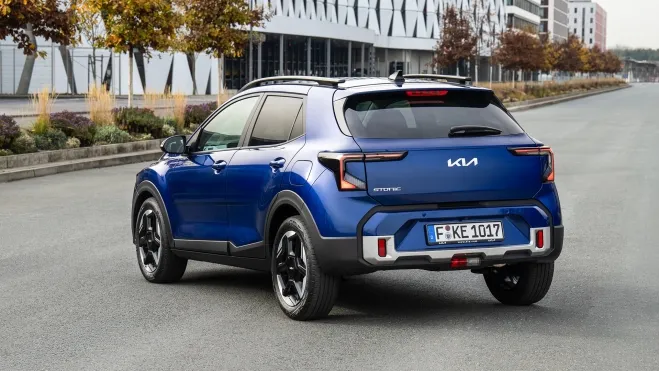
Stonic: Electrification Without Changing Habits
The Stonic represents the most straightforward option for those who want to take advantage of electrification without relying on a charging station. Its 48 V, 115 HP 1.0 T-GDi MHEV system uses mild electrification to improve gasoline engine efficiency and enables the ECO mode.
Kia reports an official fuel consumption range of 5.4 to 5.5 liters per 100 kilometers for this version, depending on the configuration. This figure, combined with its compact size, helps explain why the Stonic is particularly suited for urban use and for those who want a single vehicle that works well for both city driving and intercity trips.
At 4.16 meters in length, it maintains a size that makes maneuvering and parking easy, while still offering the driving position and versatility typical of an SUV.
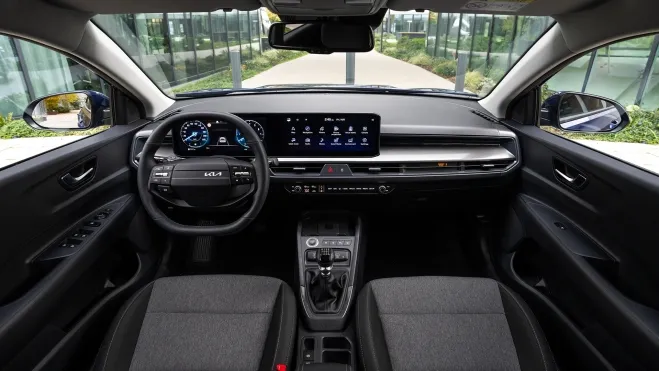
The Stonic can feature a dual 12.3-inch display, a smartphone-based digital key, wireless charging, and various driving assistants, bringing to the urban segment features that until a few years ago were reserved for higher-end vehicles.
Up to 605 km of range to make the switch
The Kia EV3 is designed for drivers who want to move directly to electric mobility but still consider range and charging times as key factors in making that decision.
The Spanish model boasts a range of up to 605 kilometers, a figure that allows for daily use without constant charging and enables longer trips as well. Kia also offers versions and configurations that can achieve even higher figures under specific testing cycles and conditions.
When it’s time to recharge, the EV3 can go from 10% to 80% charge in approximately 31 minutes. This makes it possible to undertake long journeys with relatively short stops and reduces one of the main barriers that have traditionally concerned potential buyers of their first electric vehicle.
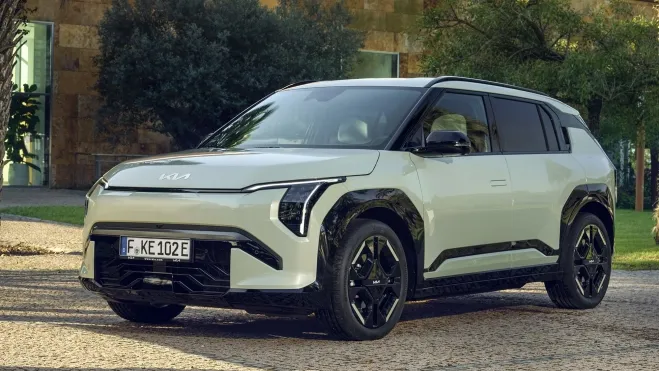
The shift to an electric car also brings additional advantages in the city. The EV3 features a distinctive ZERO label, zero local emissions, and an especially smooth and quiet driving experience in urban areas. Technologically as well, it is a step ahead. Its interior uses a panoramic screen layout and offers features like V2L, which allows using the vehicle’s battery to power external electrical devices.
ECO or ZERO label: two ways to make the transition
The choice between the two models depends primarily on each driver’s circumstances. For someone living in the city who wants to take advantage of the ECO rating and maintain their existing fueling routine, the Stonic hybrid offers a virtually seamless transition. It requires no charger installation or additional planning and retains the flexibility of a gasoline engine.
The EV3, on the other hand, is suitable for those with reasonable access to charging facilities who want to make a direct switch to an electric car. Its maximum range of over 600 kilometers and fast charging capability mean the transition isn’t limited to urban use only.
That is precisely where the difference between the two proposals lies. The Stonic facilitates a first step toward electrification; the EV3 enables the completion of the transition to fully electric mobility. In both cases, the goal is similar: to offer a car that is compact and easy to handle for daily use without limiting its functionality outside the city.