
At BMW, one out of three cars sold in Europe is now 100% electric.
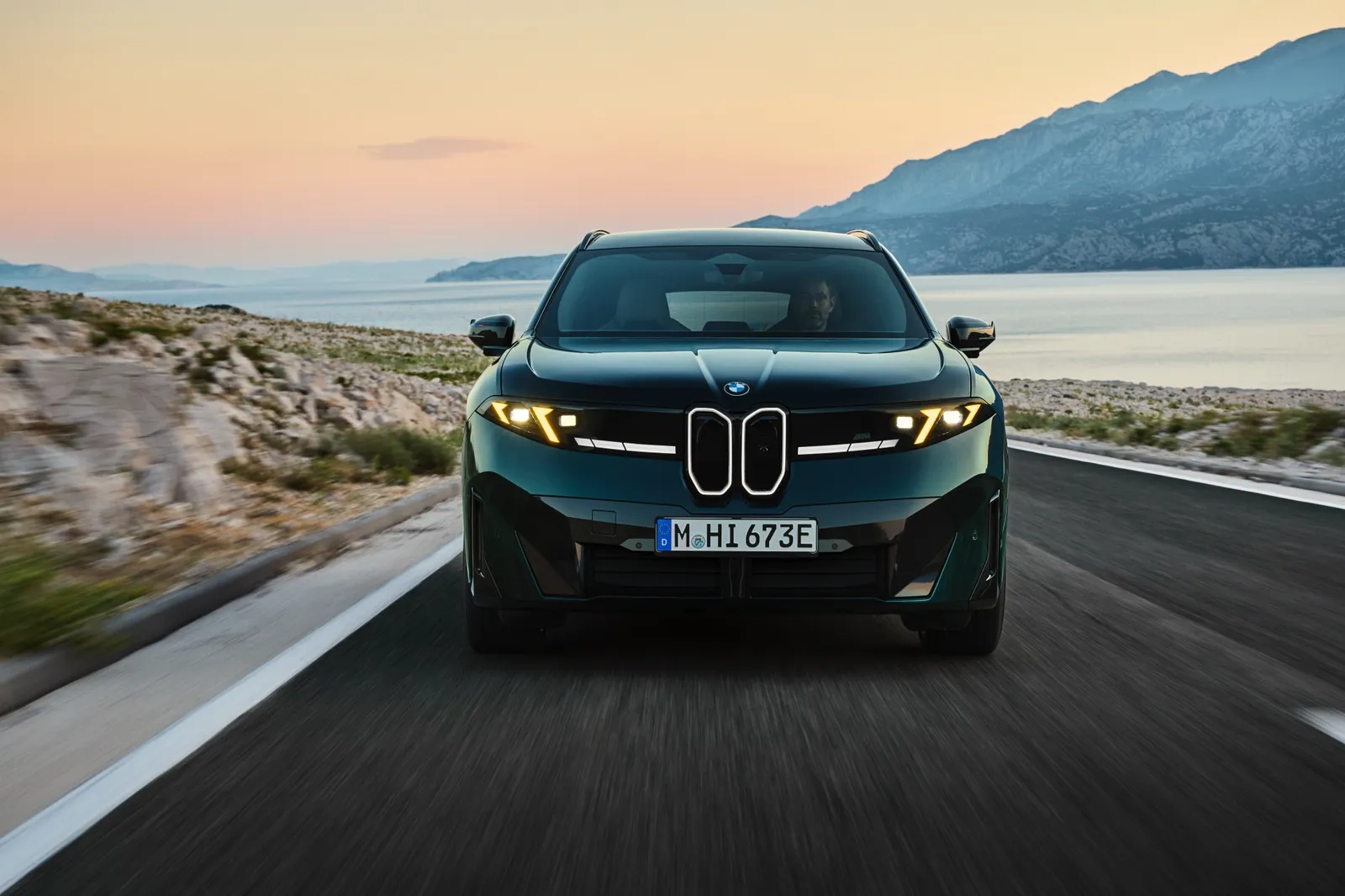
Electric vehicles are playing an increasingly important role in BMW Group’s sales. In the third quarter of 2026, battery-powered models accounted for nearly 35% of the manufacturer’s deliveries in Europe. This is remarkable growth, but it contrasts with the difficulties the group faces in China, where sales continue to decline sharply. Here’s an overview.
German automakers are going through a tough period with underwhelming results worldwide. Chinese competition is certainly a factor. Nevertheless, electric vehicles continue to gain ground in Europe. BMW provides further evidence with its sales figures for the third quarter of 2026.
EVs account for 34.7% of European sales
Between July and September 2026, the BMW group delivered 81,941 fully electric cars in Europe, representing a 37.5% increase compared to the same period in 2025. Battery-powered models now make up 34.7% of the group’s European deliveries. In other words, more than one out of three cars sold by BMW, Mini, and Rolls-Royce on the Old Continent run solely on electricity.
The growth is particularly significant in Germany, where electric vehicle deliveries rose by 38.5%. Globally, the group sold 110,257 electric cars in the third quarter, a 7.2% increase. Europe thus accounts for nearly three-quarters of its electric vehicle sales during this period.
Also read
Ten years ago, Tesla offered charging. Today, Stellantis offers diesel to sell off its inventory.
However, these positive results need to be viewed with caution. In the first nine months of the year, BMW delivered “only” 314,552 electric vehicles worldwide, a 2.7% decline. The recovery in the third quarter is not enough to offset the previous drop, but there is improvement! When including both electric vehicles and PHEVs (rechargeable hybrids), the total stands at 446,202 units since the start of the year, representing a 5.1% decline.
China continues to impact results
Across all powertrains combined, the group’s global deliveries dropped by 6.3% to 551,072 vehicles in the third quarter. The biggest challenge came from China, where sales fell by 24.8% during that period. In contrast, BMW saw growth in Europe (+2.7%) and the United States (+2.5%). However, these two markets were not enough to offset the difficulties in China. As a result, the group has experienced an overall decline of 4.9% since January.
Q3 2026
Trend (%)
Sales January to September 2026
Trend (%)
Total BMW Group sales
551,072
-6.3 %
1,707,799
-4.9 %
BMW Group’s all-electric sales
110,257
+7.2 %
314,552
-2.7 %
BMW Group’s electrified sales (BEV + PHEV)
150,795
-0.3 %
446,202
-5.1 %
A new generation of vehicles
BMW relies on its new generation of electric models to revitalize growth. The manufacturer reports having received over 100,000 orders for the new BMW iX3 in just one year—a result described as the best commercial launch in the company’s history. The i3 sedan is also generating strong demand. Mini is contributing to the group’s electrification efforts as well. Since the beginning of the year, the British brand has delivered 220,247 cars worldwide, 37.2% of which were electric models.
Also read
Chinese hybrid cars: Europe takes a radical step to protect its automakers
It remains to be seen whether this European momentum will enable BMW to regain global growth. For now, the success of its electric vehicles is not enough to overcome its difficulties in the Chinese market.