
Changan and CATL aim to increase battery capacity to 75 GWh.
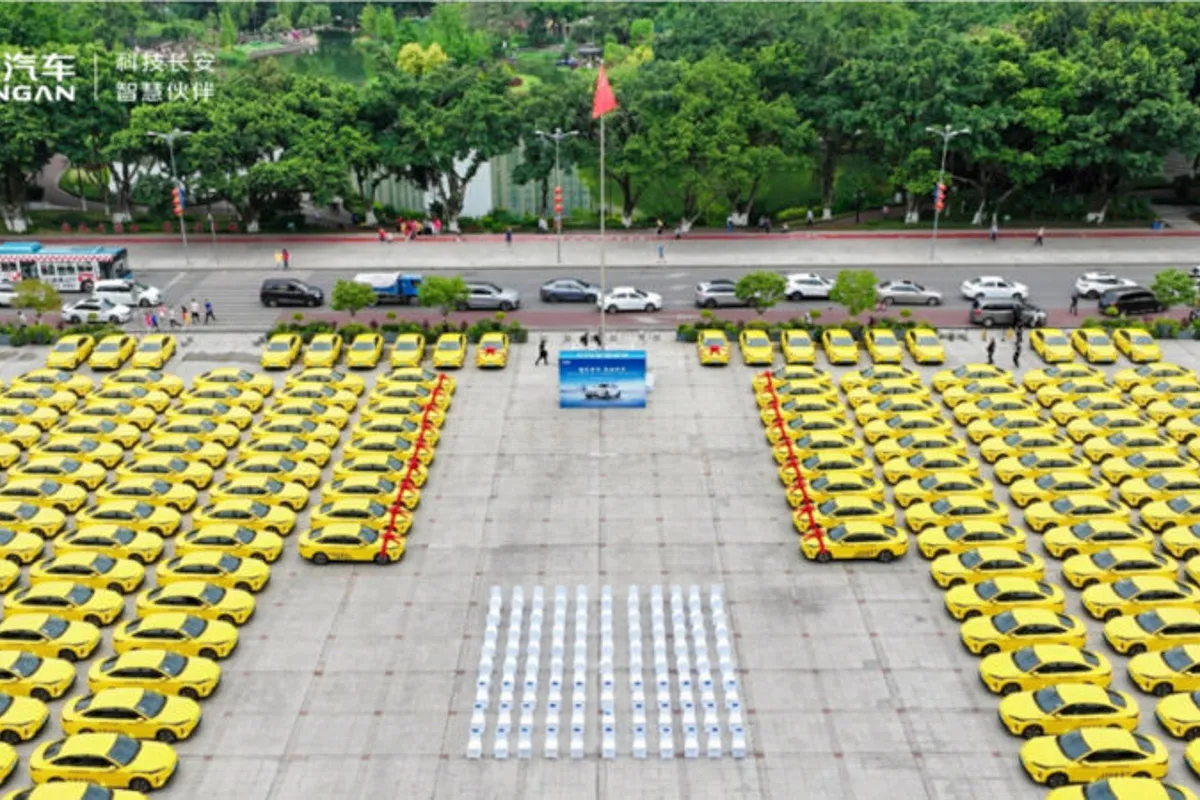
Changan and CATL aim to significantly deepen their partnership. In addition to expanding their combined battery cell capacity to 75 GWh, the partners also plan closer collaboration on solid-state and sodium-ion batteries.
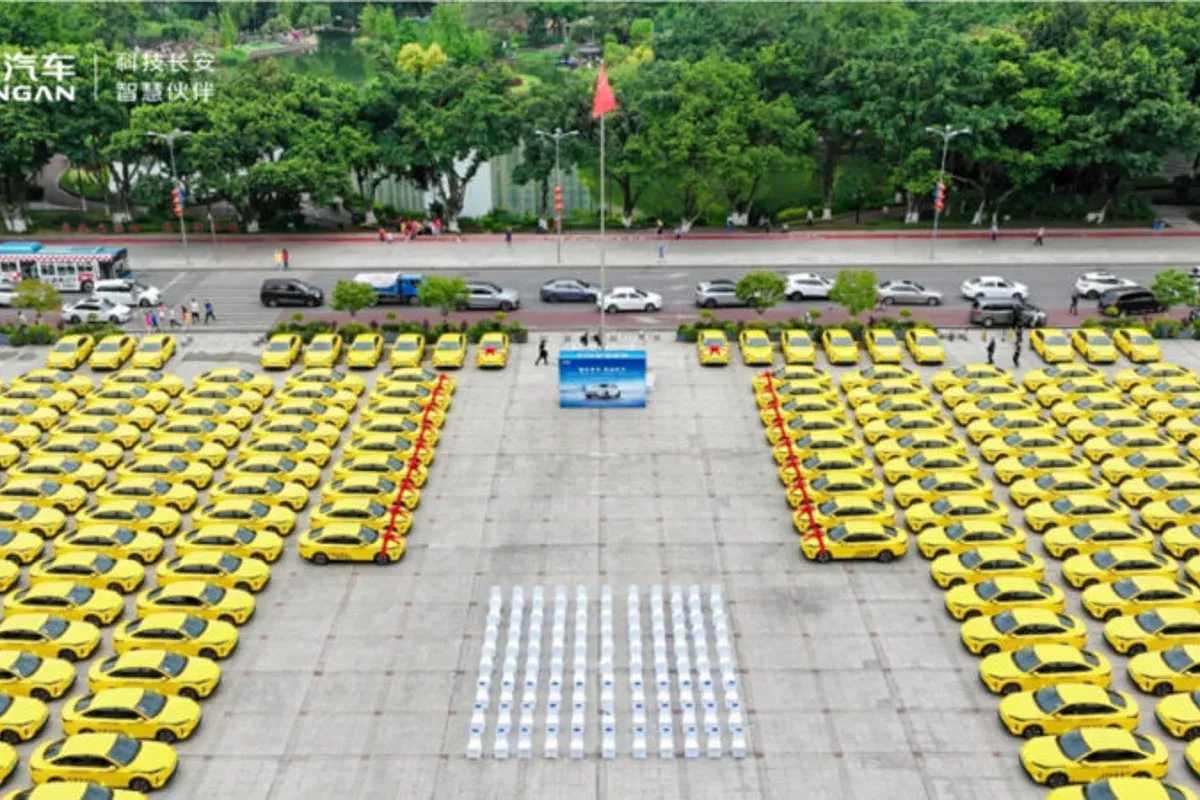
Changan is testing CATL’s sodium-ion batteries, among other things, in Oshan’s models.
Image: Changan
The Chinese automaker Changan and battery manufacturer CATL are expanding their joint battery production. As reported by Changan through a platform on the Shenzhen Stock Exchange, the production capacity of the CATL-Changan joint venture is set to rise from the previously planned 50 GWh to a total of 75 GWh.
According to the news portal CarNewsChina, an additional 25 GWh of capacity is planned for this purpose. The facility is set to cover an area of around 700,000 square meters in a high-tech zone between Chongqing and Sichuan province. The investment is estimated at five billion yuan. The new plant is expected to begin operations in 2027 and reach the additional 25 GWh capacity within three years.
CATL-Changan has been operating since 2023 and already supplies several electric vehicle brands under the group, including Avatr, Deepal, and Nevo. At the new facility, cells using CATL’s latest battery technology are planned to be produced, according to Changan. In addition to expanding capacity, Changan and CATL aim to deepen their technological collaboration, with solid-state and sodium-ion batteries at the core of this effort.
CATL Introduces Sodium-Ion Cells in First Models
In the field of solid-state batteries, Changan has been pursuing its own development plans for some time now. Under the name “Golden Bell,” the manufacturer promises batteries with an energy density of up to 400 Wh/kg. Changan also sets targets of a range exceeding 1,500 kilometers, over 5,000 charge cycles, and a 6C charging capability. The company aims to bring corresponding vehicles onto the road by 2026 and start commercial production in 2027. However, these figures should be regarded as development goals, as there is currently no evidence that such performance levels have been achieved at scale.
Meanwhile, China is also focusing on the standardization of solid-state batteries. At the end of August, a new standard for terminology and classification, GB/T 48093.1-2026, was released, aiming to establish clearer distinctions between all-solid-state, semi-solid-state, and hybrid cells. The standard will officially take effect in early 2028. Greater Bay Technology has previously introduced cells that have been tested according to the requirements of this new regulation.
In the field of sodium-ion batteries, Changan and CATL are working together more closely. In early 2026, CATL tested its Naxtra cells in several automotive projects, including those under Changan’s Oshan brand. A few weeks later, the Nevo A06 was launched as a model specifically featuring sodium-ion batteries.
The limousine uses a 45-kWh battery with CATL’s Naxtra cells and is expected to achieve a range of over 400 kilometers according to the Chinese CLTC standard. CATL claims an energy density of 175 Wh/kg for these cells. According to the manufacturer, this technology is increasingly approaching the level of today’s LFP batteries.
The announced deepening of the partnership thus combines greater production capacity in the short term with the development of future cell chemistries. For Changan, this also means better access to battery technology for its own electric vehicle brands.