
The BMW traveled 1213 km without charging. The new i3’s record-breaking distance even surprised the manufacturer.
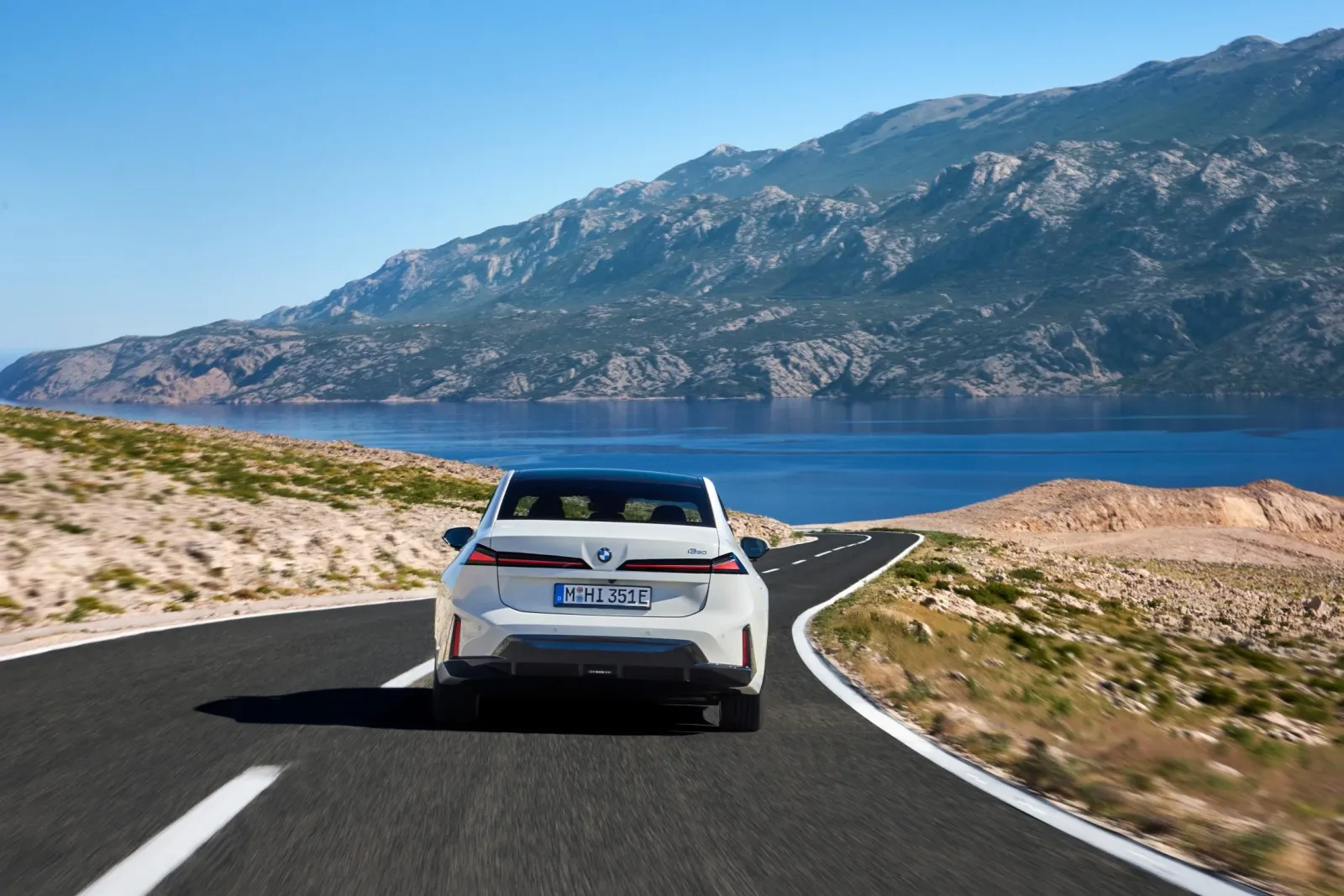
Can an electric car travel further than the manufacturer officially claims? BMW says it can. During a long-distance test in China, the new BMW i3 50L covered 1213 kilometers on a single charge, using only an average of 8.8 kWh of energy per 100 kilometers. The result is impressive, but it’s worth examining the conditions under which it was achieved, and those aren’t clear.
BMW showcased the capabilities of its latest battery technology in a spectacular way. In China, the BMW i3 50L’s battery completed a long-distance test by traveling 1213 kilometers on one charge and reaching the destination with just 1 percent of energy remaining in its traction battery. According to Car News China, this means achieving 118 percent of the model’s officially declared range and setting a new brand record for such tests.
It should be noted here that the “beem-ka” being tested is not the European i3 known from the past. It is a completely new electric sedan developed for the Chinese market, based on the Neue Klasse platform, which has become the foundation for the new generation of electric vehicles from this German manufacturer.
The most impressive aspect is not the distance itself, but rather the vehicle’s energy efficiency. According to the manufacturer, the average energy consumption over the entire route was only 8.8 kWh per 100 km. The journey included highways, national roads, and urban areas. For a large electric sedan, this is an exceptionally low figure. The manufacturer emphasizes that the car was equipped with a battery having a capacity of 113.4 kWh and an 800 V electrical architecture. A simple calculation shows that, with the stated average energy consumption, covering 1213 km required approximately 107 kWh of energy, which is consistent with the capacity of the battery used.
Despite the impressive result, it is difficult to consider this as an equivalent of the actual range that an average user will achieve in daily use. BMW did not disclose detailed information regarding the average speed during testing, ambient temperature, or the exact proportion of different types of roads. Yet for electric vehicles, these are factors that have a crucial impact on energy consumption (editor’s note).
New Class and New Generation of Batteries
The Chinese test coincided with a demonstration of BMW’s sixth-generation batteries, whose mass production has just begun in Shenyang. According to Car News China, the company invested 10 billion yuan (247 million zł) in the new manufacturing facility. Covering an area of 240,000 m², it is five times larger than BMW’s existing battery production infrastructure in the region.
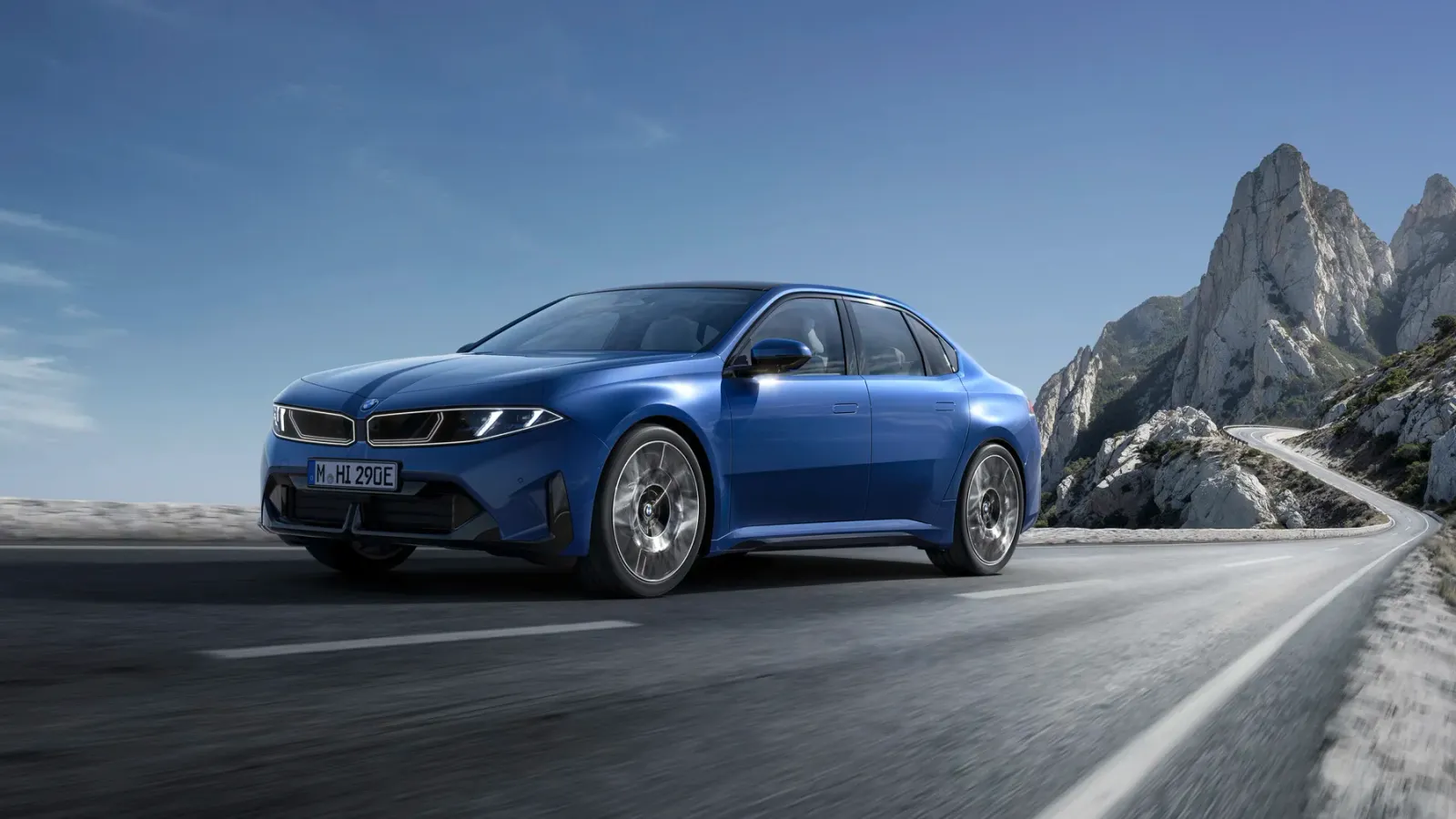
The new technology relies on large cylindrical lithium-ion cells and an 800 V high-voltage system. According to the manufacturer, it enables charging at up to 400 kW. BMW claims that under favorable conditions, ten minutes of charging is sufficient to restore enough energy for a drive of about 400 km.
It’s important to remember, however, that the maximum charging power is only achievable under specific conditions, as the actual speed of energy replenishment depends on factors such as battery temperature, its charge level, and the capabilities of the charging station itself.
More than just a range record
The record-breaking drive was achieved with a rear-wheel-drive version, but the new i3 lineup is set to be much broader. The manufacturer also plans a variant with two engines and all-wheel drive. Its system power is expected to be 345 kW, or about 470 horsepower, with a maximum torque of 645 Nm. Of course, differences between drivetrain versions can significantly affect fuel consumption. This means the record set by the 50L version may not be replicable by more powerful variants, and likely it won’t be.
On the occasion of the launch of production for the new batteries, BMW Group Chairman Oliver Zipse emphasized China’s importance to the company’s future. “The share of locally produced BMW models in China is set to rise to over 95 percent by 2030,” he said during the plant opening ceremony.
The potential is huge, but independent tests are still pending
The 1213 km distance achieved by the BMW i3 50L undoubtedly demonstrates the potential of the Neue Klasse platform and the new generation of batteries, but it raises more questions than answers. Without detailed data on driving conditions, it’s difficult to assess how close this test was to real-world usage. Only independent journalistic measurements and initial comparisons with competing models will show whether this record-breaking drive signals a new era of efficiency for electric vehicles or merely demonstrates capabilities achieved under tightly controlled conditions.
Oskar Włostowski