
BMW i3 covers 754 miles on one charge in Chinese endurance test
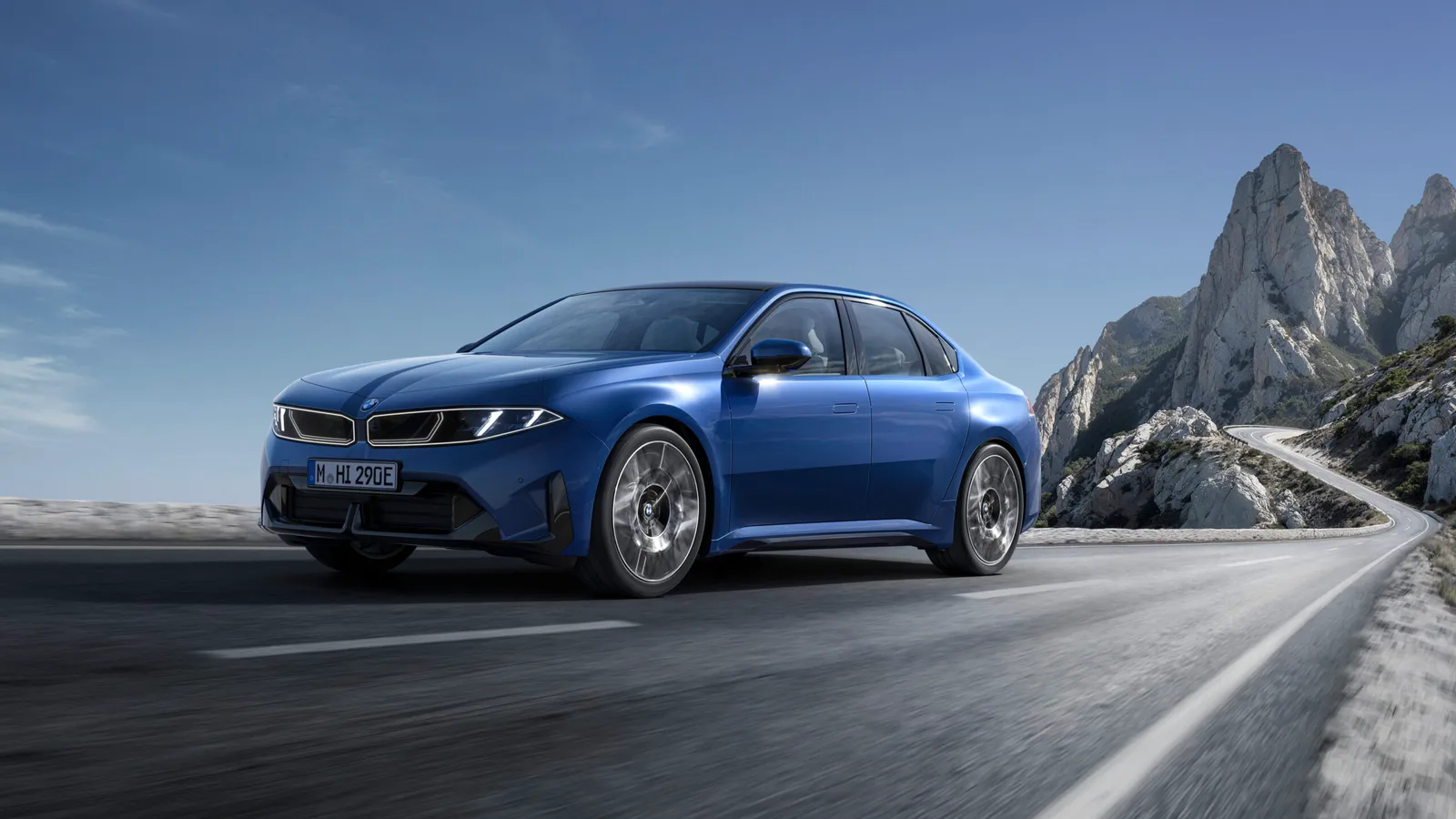
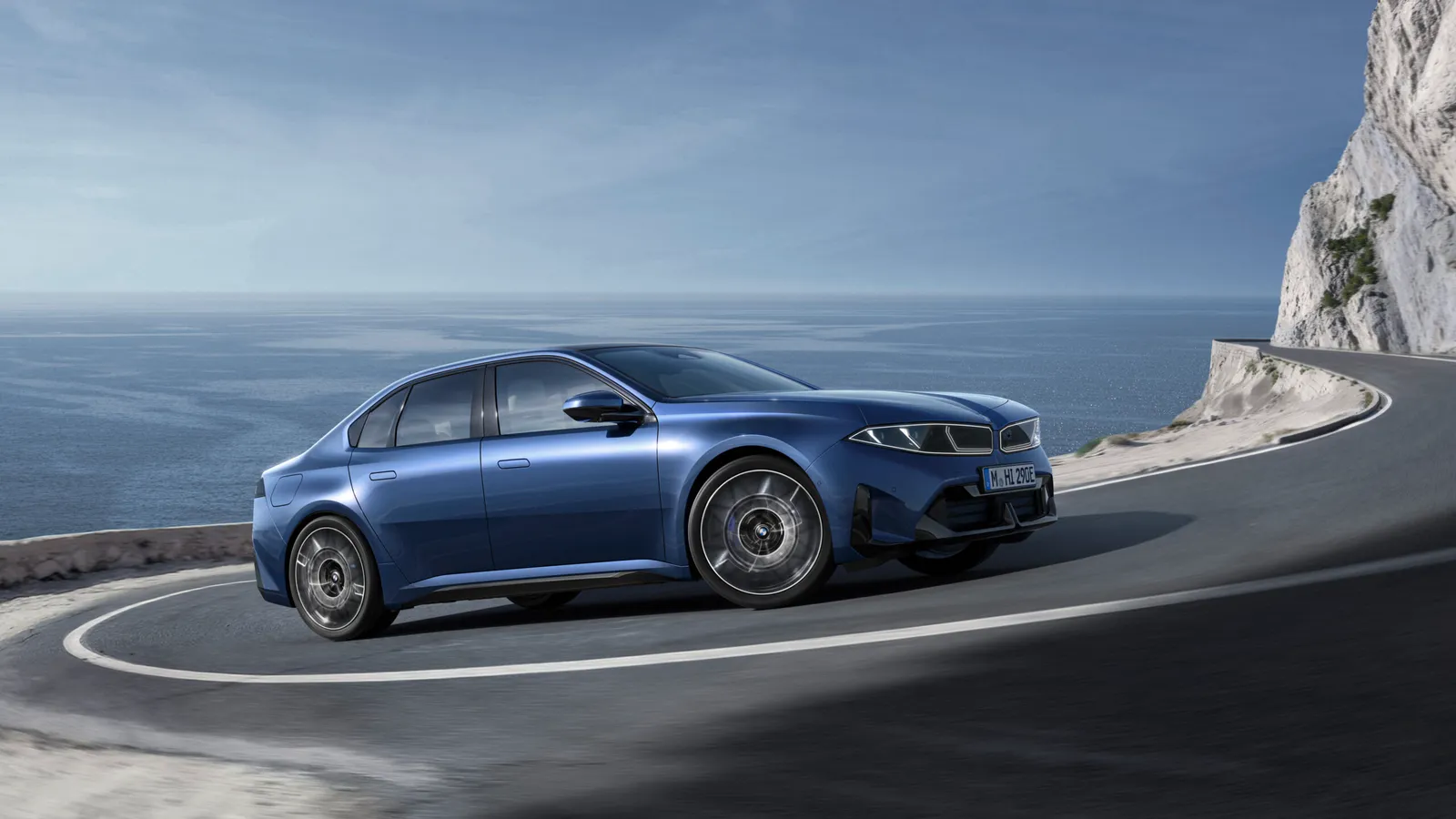
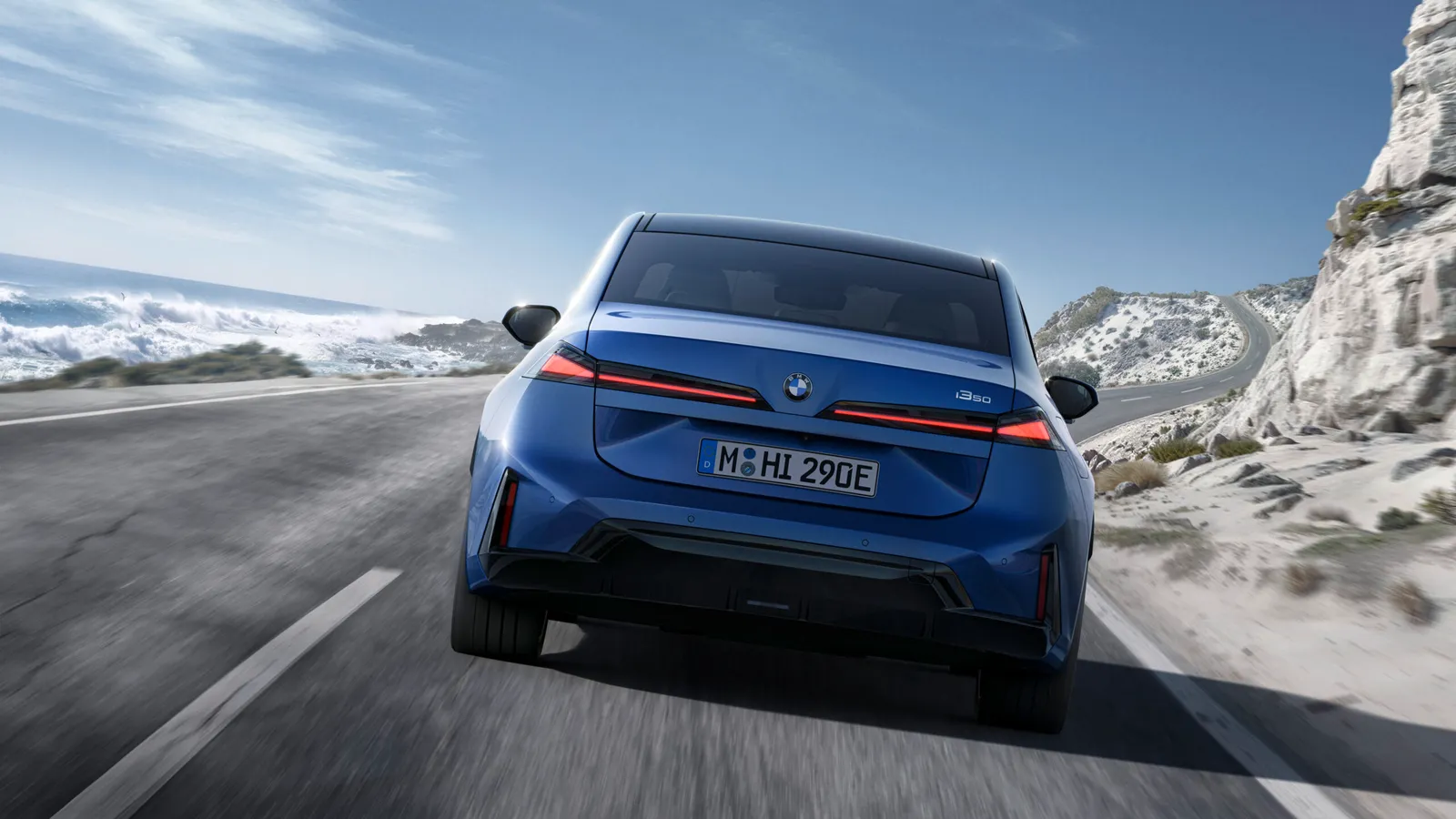
BMW’s new electric i3 saloon has travelled 1,213km, or approximately 754 miles, without recharging in China, finishing with 1% battery remaining. The manufacturer’s longest reported single-charge drive puts its latest battery technology in the spotlight, although missing details about speed make the result difficult to translate into everyday driving expectations.
The China-market i3 50L recorded average consumption of 8.8kWh per 100km, equivalent to around 7.1 miles per kWh. Its route combined motorways, national roads and urban streets, rather than taking place entirely on a closed test circuit. However, the achievement is an endurance demonstration, not an official range rating. BMW has not published the journey’s duration or average speed, two details needed to judge how closely the conditions resemble a typical long-distance journey.
The announcement coincided with the start of series production of BMW’s sixth-generation high-voltage batteries in Shenyang on 15 October. These batteries will supply Chinese-built Neue Klasse models, bringing the technology behind the company’s latest electric cars into local production.
For British buyers, the immediate significance is the potential of that shared technology, rather than a promise of 754 miles between charging stops. The long-wheelbase Chinese car is a different specification from the i3 offered here, and a single endurance run cannot establish its normal motorway range.
The reported test car carried a 113.4kWh battery. Multiplying its stated consumption by the distance travelled gives approximately 106.7kWh used, but that calculation alone cannot verify the remaining charge. Gross capacity, usable capacity and the basis of the consumption measurement must be distinguished before drawing conclusions.
Nor does the inclusion of motorway driving establish how much of the journey took place at sustained high speed. A route can contain several road types while still favouring efficiency overall. Without a detailed breakdown, the result demonstrates what was achieved on this particular run, rather than what every owner should expect.
BMW’s distance nevertheless exceeds the 1,202km covered by the Mercedes-Benz Vision EQXX on its Stuttgart-to-Silverstone journey in June 2022. The difference is 11km, or just under seven miles, placing the Chinese saloon beyond one of the best-known demonstrations of electric-car endurance.
There is an important distinction between travelling further and using less electricity, however. Mercedes reported consumption of 8.3kWh per 100km on that Silverstone trip, lower than the BMW’s stated 8.8kWh. The EQXX’s often-quoted 8.7kWh figure relates to its earlier 1,008km journey to Cassis.
The two drives therefore do not establish a direct efficiency ranking under equivalent conditions. Different routes, weather, speeds and battery capacities affect the outcome. The comparison is still striking because the EQXX was a research vehicle, whereas the BMW represents technology being introduced into its production range.
Mercedes’ Silverstone journey also included crossing northern France, travelling through the Channel Tunnel and completing laps of the British circuit. That published route provides useful context, illustrating why a headline distance becomes more meaningful when accompanied by details of how it was achieved.
BMW’s broader technical changes help explain why the Chinese result matters beyond an endurance headline. Its Neue Klasse programme introduces a new generation of electric-drive and battery technology, with the i3 following the iX3 as the second model in the family.
The company describes an electrical architecture operating at 800 volts, with the new i3 supporting DC charging at up to 400kW. BMW says charging can add as much as 400km of WLTP range in ten minutes under the specified conditions.
That charging capability addresses a different part of long-distance usability. Drivers rarely need to exhaust a battery before stopping, and a brief recharge can be more convenient than adapting an entire journey around maximising range. Both consumption and charging performance determine how easily an electric car covers a long route.
BMW’s latest cylindrical battery cells offer more than 20% greater energy density than the preceding generation, according to the company. It also claims improvements of up to 30% in range and charging speed, although those percentages should not be interpreted as guarantees for every configuration or journey.
The batteries use a cell-to-pack arrangement, placing cells directly inside the battery housing without a separate layer of modules. BMW says this makes better use of available space and helps accommodate the battery system in different vehicle designs.
A control unit called the Energy Master sits directly on the battery and combines essential power-supply and battery-management functions. Together, these changes show that the programme involves the battery’s packaging and control systems as well as its individual cells.
Shenyang is the third site in BMW’s global Gen6 battery production network, following Debrecen in Hungary and Irlbach-Straßkirchen in Germany. Further battery assembly locations in Woodruff in the United States and San Luis Potosí in Mexico are due to begin series production in the coming months.
The Chinese project involves investment of 10 billion yuan and a planned floor area of 240,000 square metres, according to CnEVPost. Construction began in May 2023, making the production launch the culmination of several years of preparation for local Neue Klasse manufacturing.
BMW had announced the investment as part of the twentieth anniversary of its BMW Brilliance Automotive joint venture. At that stage, the manufacturer said the battery project would create around 2,000 jobs, alongside plans to build Neue Klasse vehicles in China from 2026.
Locating battery assembly near vehicle production is intended to shorten transport routes and strengthen supply. It also means the technology demonstrated by the endurance car is supported by an expanding manufacturing network, rather than remaining confined to a development programme.
The i3 50L itself has been tailored to Chinese preferences. It has a wheelbase of 3,005mm, an increase of 39mm over the preceding China-built i3, with the endurance run completed by a rear-wheel-drive version.
Those differences matter when considering the implications for Britain. Body dimensions and drivetrain specification can influence consumption, while certified figures from different testing systems should not be treated as interchangeable. The Chinese drive is neither a WLTP test nor evidence that a UK car will reproduce its result.
BMW’s UK website currently lists a WLTP range of 453 to 566 miles across the new i3 Saloon range, depending on specification. The featured i3 50 xDrive M Sport with optional equipment is quoted at up to 519 miles.
BMW also cautions that those official figures are provided for comparison and may not reflect real-life results. Weather, passenger loads, tyre choice and use of cabin heating can all influence the distance available from a charge on any journey. For prospective owners, the relevant specification’s certified range remains the useful starting point, with independent road tests needed to establish consumption and charging performance on familiar roads.