
BMW delivered 110,257 electric vehicles in the third quarter. The recovery is thanks to Europe.
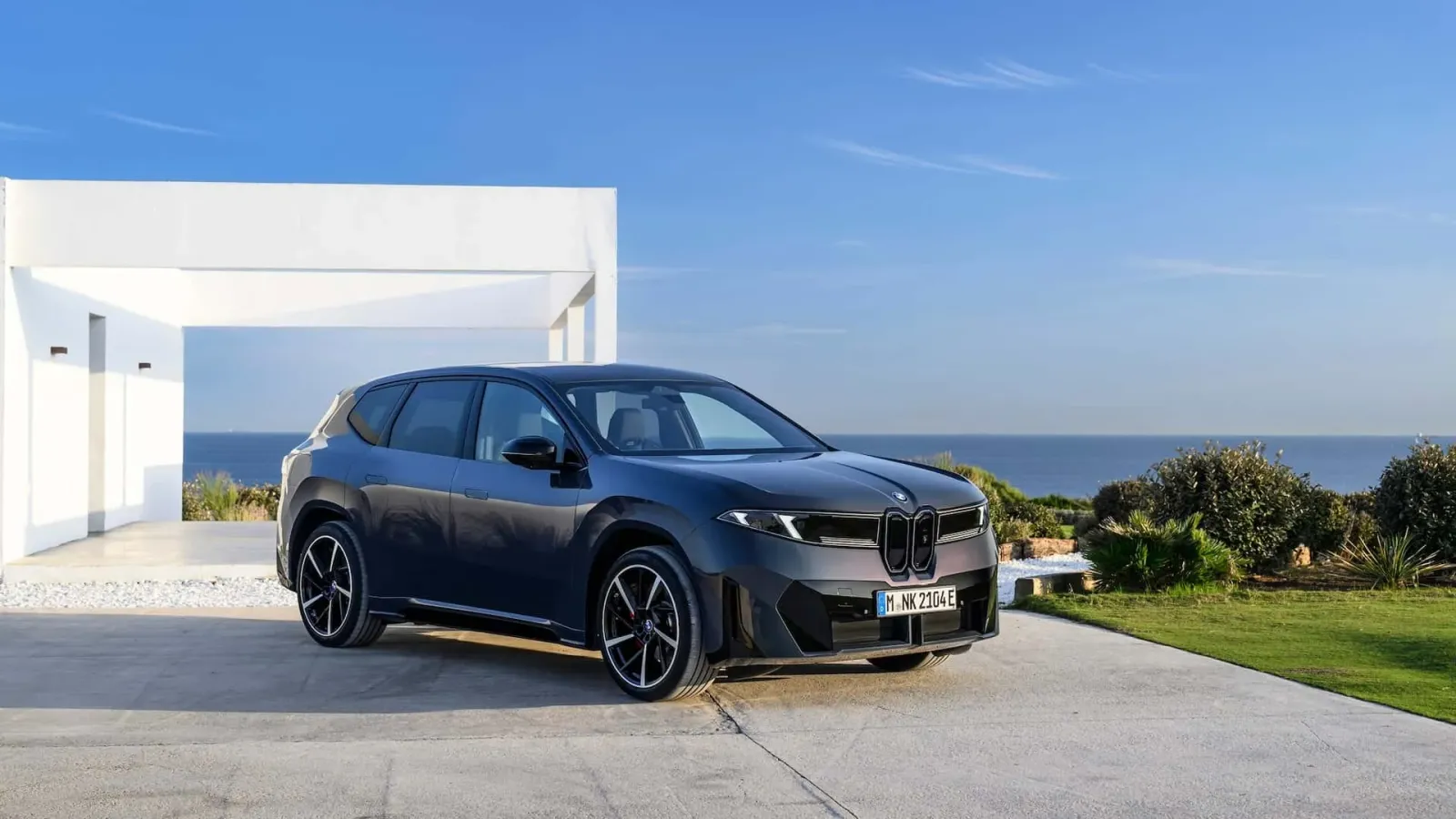
In the third quarter of 2026, BMW Group increased its global deliveries of electric vehicles by 7.2% year-on-year to 110,257 units. However, Europe was the main driver of this improvement, accounting for nearly three-quarters of the group’s electric vehicle sales.
The start of the year did not indicate good prospects. In the first quarter, BMW Group delivered 87,488 electric vehicles, 20.1% fewer than the previous year. The second quarter saw a recovery to 116,807 units, representing a 5.2% increase, and the period from July to September maintained this upward trend.
There is still a long way to go to fully recover the losses. From January to the end of September, BMW, Mini, and Rolls-Royce delivered 314,552 electric vehicles, 2.7% fewer than in the same period of 2025. Electric vehicles accounted for 18.4% of the group’s sales at the start of the year, but their share rose to 20% in the third quarter alone.
Europe drives BMW sales, while outside it they drop sharply
The biggest difference is evident when breaking down the results by region. In Europe, BMW Group delivered 81,941 electric vehicles in the third quarter, 37.5% more than a year earlier. In Germany, the increase was 38.5%, with battery-powered cars accounting for 34.7% of all vehicles the group delivered to European customers.
Excluding Europe, only 28,316 vehicles were sold. Based on BMW’s rounded figures, this represents a year-on-year decline of around 34.5%. So while the overall global growth looks good in the figures, it is not uniform. The biggest challenge remains China, where the group’s total sales, regardless of propulsion type, fell by 24.8% in that quarter.
The entire BMW Group delivered 551,072 vehicles from July to September, 6.3% fewer than the previous year. Electric cars were one of the few bright spots. Plug-in hybrids performed worse. After excluding BEVs from the total number of plug-in cars, there were 40,538 PHEVs, about 16.2% fewer than the previous year.
Mini plays a significant role in electrification. The brand delivered 220,247 cars in the first nine months, with 37.2% of them being electric versions. BMW did not provide an exact figure, but based on this proportion, there are approximately 82,000 units of the Cooper Electric, Aceman Electric, and Countryman Electric models.
The iX3 has received 100,000 orders, but these are not yet deliveries
BMW places its greatest hopes on the new generation of iX3, the first series model from the Neue Klasse. The manufacturer reports over 100,000 orders in Europe received within a year. By July, 50,000 units were expected to leave the factories. However, it is important to distinguish between orders and production versus vehicles actually delivered to customers.
The lineup is expanding rapidly. Alongside the iX3, there is the electric i3, and BMW has also confirmed the i3 Touring hatchback. The recently unveiled iX4 uses iX3 technology in an SUV coupe body style. Larger models like the iX5, a refreshed i7, and a cheaper Neue Klasse model scheduled for 2028 are also in development.
Compared to German competitors, BMW’s share of electric vehicles appears strong. It stood at 20% in the third quarter, while Mercedes had 16.8%, and Volkswagen Group around 12.5%. Volkswagen itself increased BEV deliveries in Europe by 19.6%, but saw a global decline of 4.7%.
BMW thus has a strong European presence with the well-received iX3, but it cannot yet claim a global return to growth. The next test will be the November launch of the extended iX3 for China. It is there that the Neue Klasse must prove it can do more than just improve results in Europe.
LovEV Newsletter
Want more content like this?
Sign up — we’ll send you a weekly summary once the newsletter starts.