
The Autohändler-Verband demands subsidies for young used cars
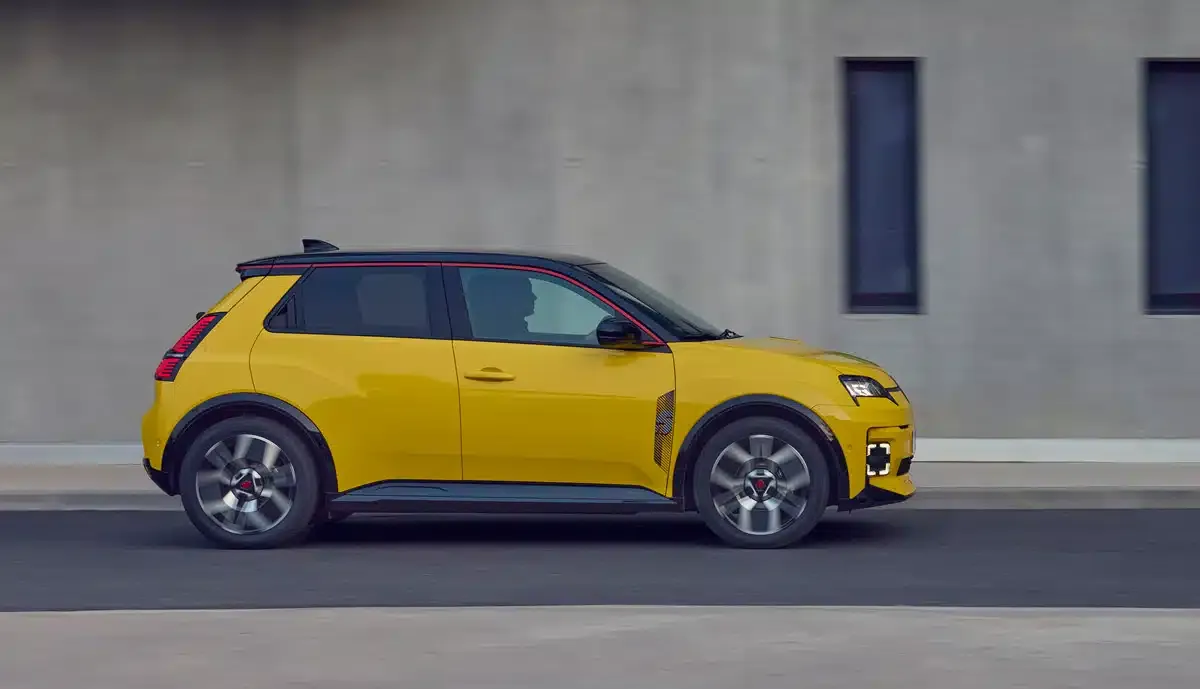

Image: Renault (illustrative)
The Association of German Automobile Dealers (VAD) is calling for expanded incentives for electric vehicles to include young used cars up to 14 months old. The subsidy available for new electric vehicles, as well as certain plug-in hybrids and range-extender electric cars, which has been in place for half a year, has increased customer interest, especially in cheaper models, according to the association.
At the same time, rising fuel prices and an increasing range of vehicle options are contributing to higher demand, according to VAD. Given the observed customer interest, the organization is confident that electric mobility will gain traction even without subsidies, bans, or quotas.
According to an analysis of subsidy figures from the Federal Agency for Economic Affairs and Export Control (BAFA), German manufacturers have so far benefited disproportionately little from these incentives. Between January and July 2026, U.S. electric vehicle manufacturer Tesla accounted for 18.51 percent of the subsidized vehicles, despite its market share in the overall electric vehicle market being only 6.54 percent. In contrast, VW’s passenger cars accounted for 5.15 percent of the subsidized vehicles with a 13.34 percent market share, while BMW accounted for 3.64 percent with an 8.66 percent market share.
According to the VAD, subsidizing used cars would particularly benefit German corporate brands that are strongly represented in this market segment. It could also encourage more people with lower incomes to opt for electric vehicles. The association expects an increase in the current 5.5 percent share of subsidized vehicles, as well as positive effects on new car sales. Expanding these subsidies would, in its view, support the climate and transport policy goal of faster market penetration for electric vehicles.
The VAD critically evaluates the EU’s potential “Local Content” requirements. Due to internationally interconnected supply chains, the association fears additional bureaucracy, difficulties in defining criteria, and costs, especially for the auto trade. Therefore, it advises against this regulatory-intensive approach.
Also interesting
About the author
Thomas Langenbucher is an expert in electromobility with professional experience in the automotive industry and finance sector. Since 2011, he has been covering electric vehicles, sustainable technologies, and mobility solutions for ecomento.de. Learn more.
Reader interactions