
Two out of three urban buses sold in Europe are already electric, so Mercedes is ending the development of new diesel models.
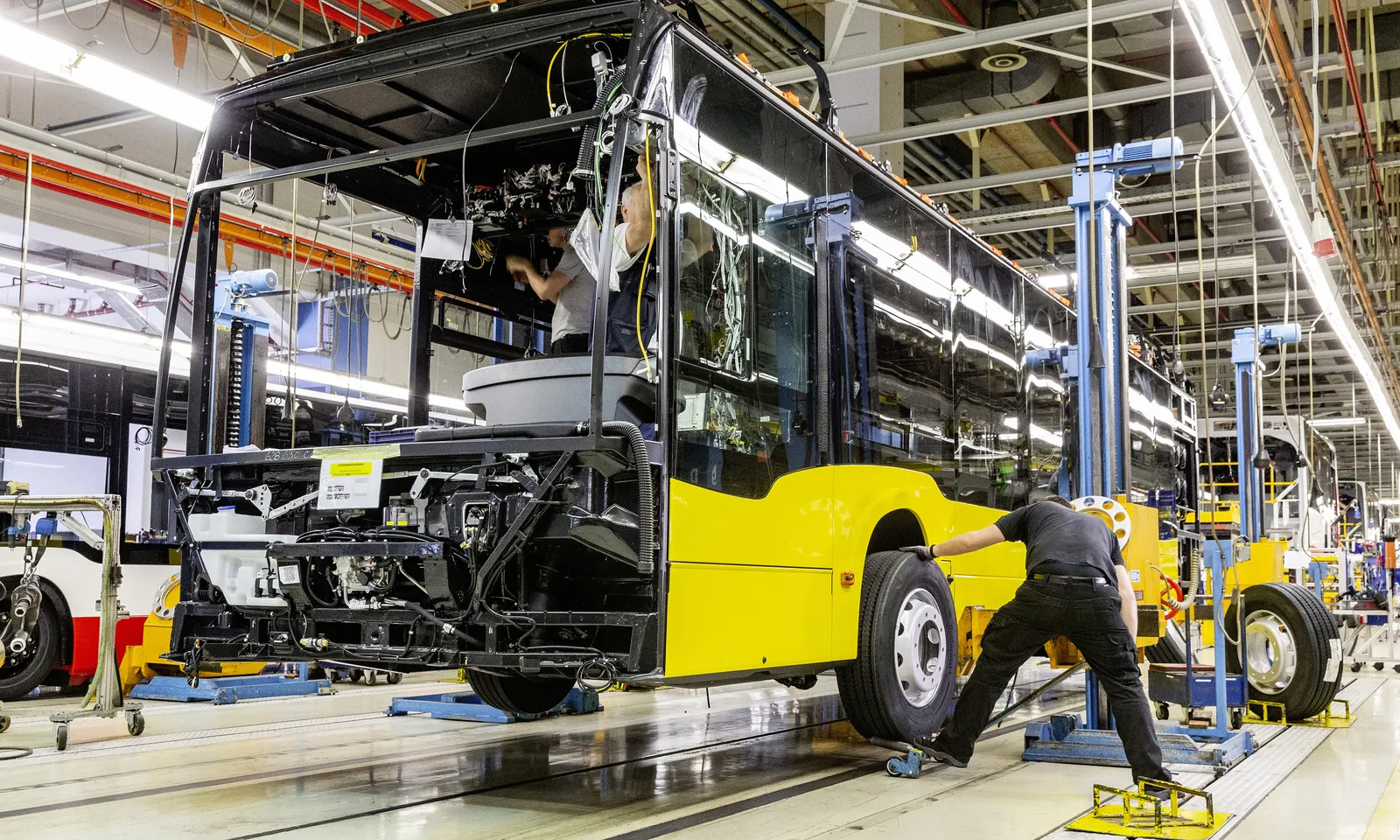
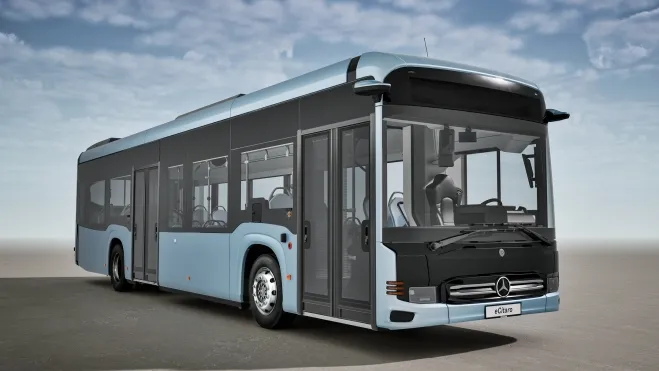
Daimler Buses has made a decision that marks a turning point in its industrial strategy. The group’s bus division will stop investing in the development of new urban models with diesel engines and will focus its efforts on electric vehicles. This was confirmed by its CEO, Till Oberwörder, in an interview with Electrive, where he explained the reasons behind this transformation that will make the Mercedes-Benz eCitaro the star of its urban lineup.
The company has an especially ambitious goal: by 2030, all new urban buses it sells in Europe will be electric. This decision comes after realizing that the electrification of public transportation is advancing at a much faster pace than in other segments of the automotive industry. According to Daimler Buses’ internal calculations, 2 out of 3 urban buses sold in Europe in 2025 already had electric propulsion. This proportion has led the manufacturer to abandon new investments in diesel engines for this type of vehicle.

Daimler Buses stops developing new diesel urban buses
This change represents a break from the strategy followed until now. When Mercedes-Benz launched the eCitaro in 2018, it started with the architecture of the conventional Citaro and adapted it to incorporate electric motors and batteries. This approach allowed for a faster entry into the market, but the manufacturer believes it has reached the technical limits of that platform.
For this reason, Daimler Buses has decided to focus its development resources on an architecture designed specifically for electric vehicles. The new generation of the eCitaro will arrive in 2028 and will abandon the platform shared with the combustion-engine versions. The goal is to improve efficiency, simplify manufacturing, and reduce operating costs for transportation companies.
The decision does not mean that existing diesel buses will disappear immediately from the roads, but rather that Daimler will stop developing new urban buses using this technology. The company will also adopt a different strategy for intercity buses and coaches, where it believes batteries and hydrogen could coexist depending on the requirements of each route.
A new electric generation in 2028 with LFP batteries
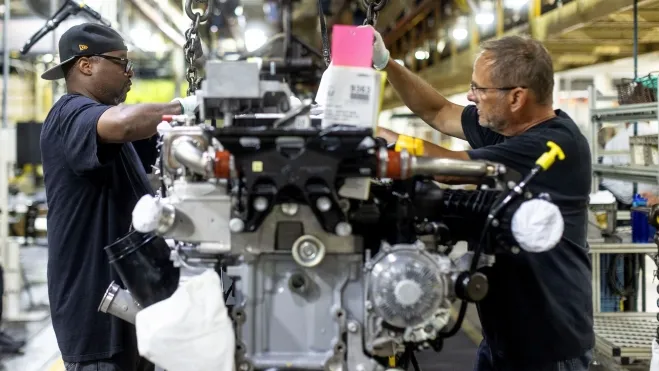
The future Mercedes-Benz eCitaro will feature significant technical advancements. One of the key changes will be the replacement of the currently used nickel-manganese-cobalt (NMC) batteries with lithium-iron-phosphate (LFP) chemistry. According to Oberwörder, this technology offers a longer lifespan and eliminates the need for cobalt in the cells.
The new architecture will also have a modular design, ready for various body configurations and battery capacities. Daimler Buses aims to leverage this flexibility to produce different variants based on the same technical platform, which will simplify production and allow vehicles to be tailored to the specific needs of each operator.
However, the manufacturer does not guarantee that the purchase price of the new eCitaro will be lower than that of the current model. Oberwörder believes that what is truly important is reducing the total cost of ownership, including energy consumption, maintenance, and the vehicle’s service life. The manufacturer is confident that the new platform and LFP batteries will help achieve this.
The goal is to electrify virtually all urban routes in Europe
Daimler Buses’ executive believes that battery technologies planned for the coming years will enable coverage of almost all urban bus routes in Europe. For this reason, the company has also decided to give lower priority to developing hydrogen fuel cell versions for this segment, although its future platform will be ready to incorporate them if there is sufficient demand.
The transition, however, will also depend on infrastructure. Oberwörder notes that electrifying a fleet involves not only replacing vehicles but also installing chargers, adapting garages, and ensuring adequate electrical connections. Daimler Buses Solutions, the subsidiary specializing in such installations, already has around 100 projects completed or in progress.
The manufacturer also calls for continued government support to accelerate the transformation. European regulations require that CO2 emissions from new urban bus fleets be reduced by 90% by 2030 compared to 2019. For Daimler Buses, achieving this goal is possible, but it requires stability in investments.