
0.19 euros/kWh: Price war begins in Europe’s fast charging for electric cars
For years, one of the main arguments against electric cars has been the high cost of fast charging, especially for those who don’t have a garage and rely on public charging stations. For convenience’s sake, it’s not the same to arrive home and plug in immediately as having to go 15 or 20 minutes to a charger on purpose. It’s also economically costly since public charging is more expensive. However, the situation is starting to change, and increasing competition among service providers is leading to offers that seemed unimaginable not long ago.
The latest example comes from France, where the price war over ultra-fast charging has reached new heights, with effective rates dropping as low as 0.19 euros/kWh. This figure is not only significantly lower than usual prices for such infrastructure but may even be cheaper than charging at home, depending on the electricity tariff subscribed to.
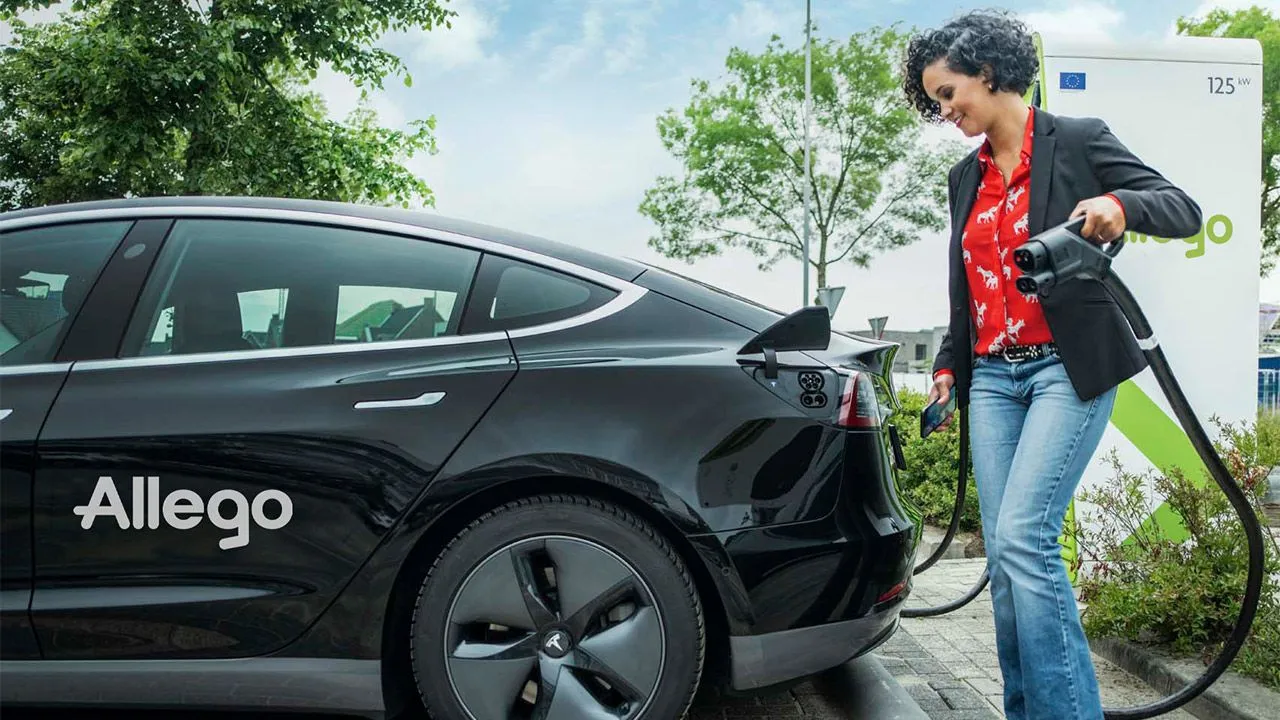
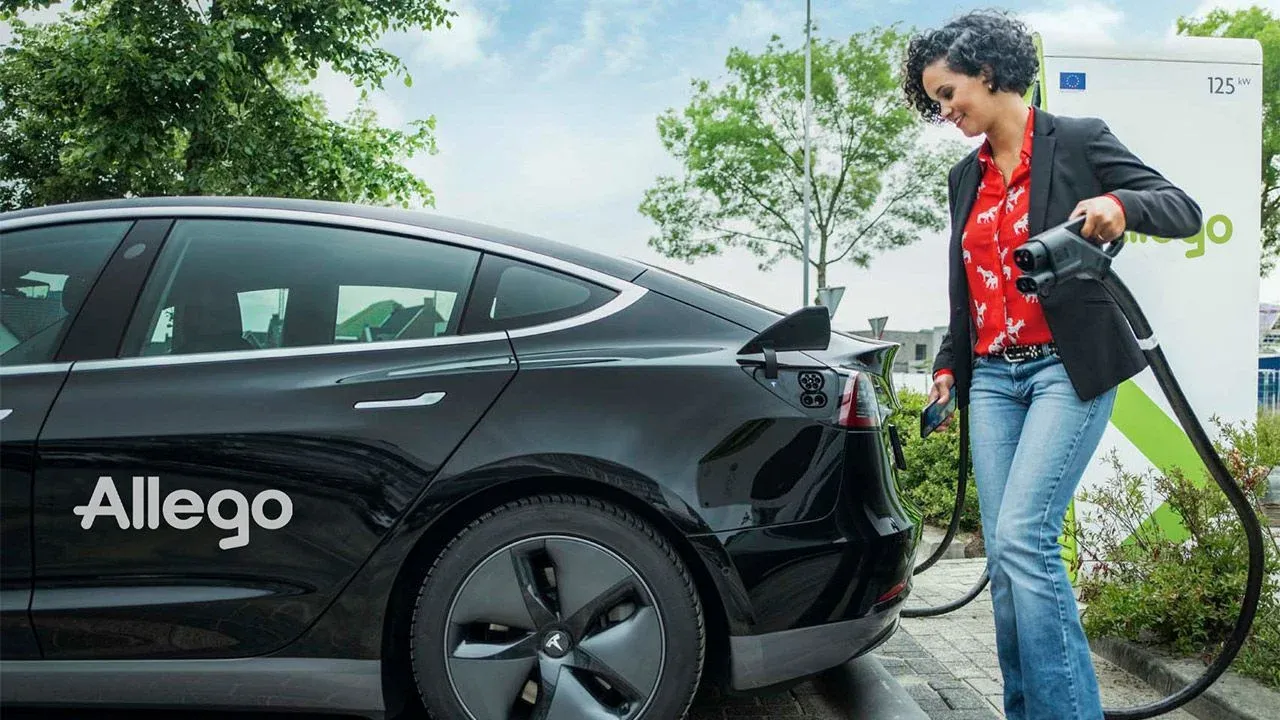
Behind this initiative is the Dutch operator Allego (which only needs a “G” added at the beginning to have a perfectly spelled name) that has launched a promotional campaign at 250 stations in France and Germany, valid from October 15th to December 31st, 2026. The process is relatively simple, though it comes with certain conditions: for each kWh charged, the user receives 0.20 euros in credit that can be used later to pay for additional charging sessions.
In the free plan, the regular price of 0.59 euros/kWh becomes an effective cost of 0.39 euros/kWh after using the credit. But it is in the subscription plan where the most attractive rate appears, as the starting price is 0.39 euros/kWh and, after applying the promotional discount, the effective cost drops to just 0.19 euros/kWh.
This means that an electric car with an average consumption of 20 kWh/100 km could cover that distance for only 3.80 euros in electricity. This is a particularly competitive figure considering that, with the regular rate of 0.59 euros/kWh, the same distance would cost 11.80 euros.
On a 1,000-kilometer journey, the theoretical difference would be 80 euros, going from 118 euros to just 38 euros. Of course, these figures do not include charging losses or subscription costs, and they require making use of the entire accumulated balance later on.
The challenge is no longer installing more chargers, but ensuring they are used
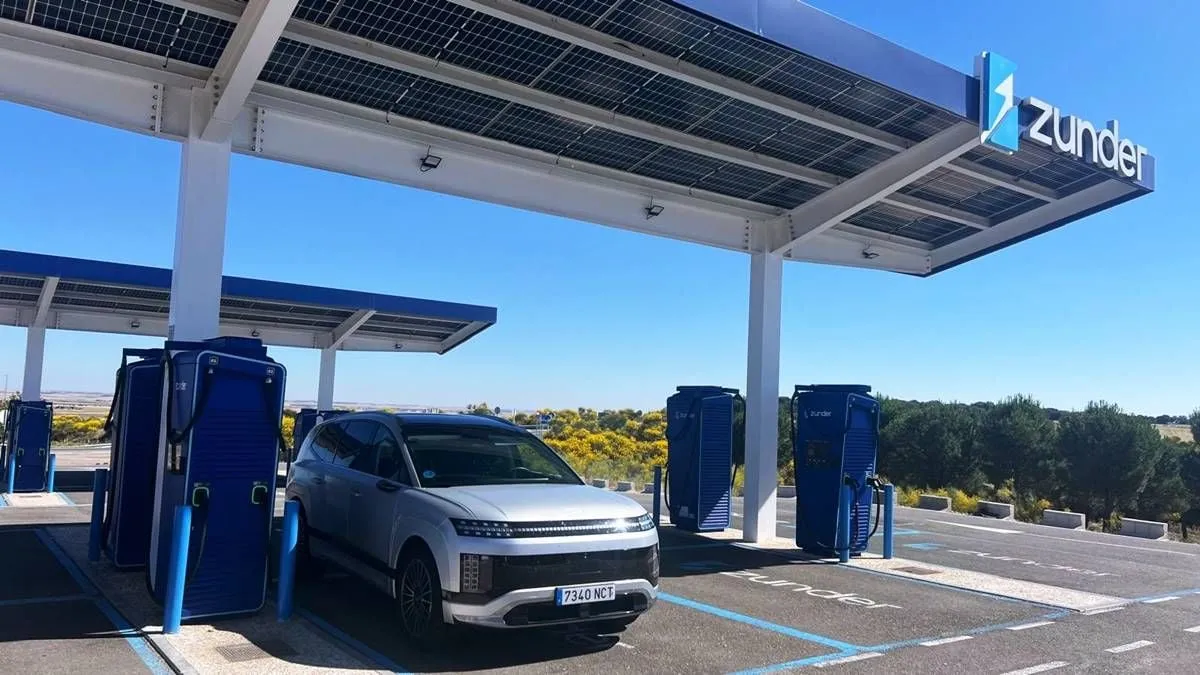
The most interesting aspect of this promotion is not just the price, but what it may indicate about the development of Europe’s charging market. Over the past few years, operators have made significant investments to expand their networks, install more powerful equipment, and cover the main transportation routes. But once the infrastructure is in place, another challenge arises: finding enough customers to make the stations profitable.
In this case, the campaign applies to a selection of locations that currently have relatively low usage. Of the 250 participating stations, 55 are located in France, with only seven of them situated on highways. The rest are mainly found in supermarket parking lots, shopping malls, restaurants, and cinemas.
This distribution is particularly significant. Operators compete not only to offer the highest charging capacity or the best location but also to persuade drivers to choose their facilities over those of competitors. And when a station remains unused for much of the day, temporarily lowering prices can be a way to attract customers and improve occupancy.
For users, this shift in strategy could be good news. Increased competition opens the door to discounts, promotions, and differentiated rates that can reduce travel costs. However, this does not necessarily mean that regular prices will drop to the levels of the most aggressive offers.
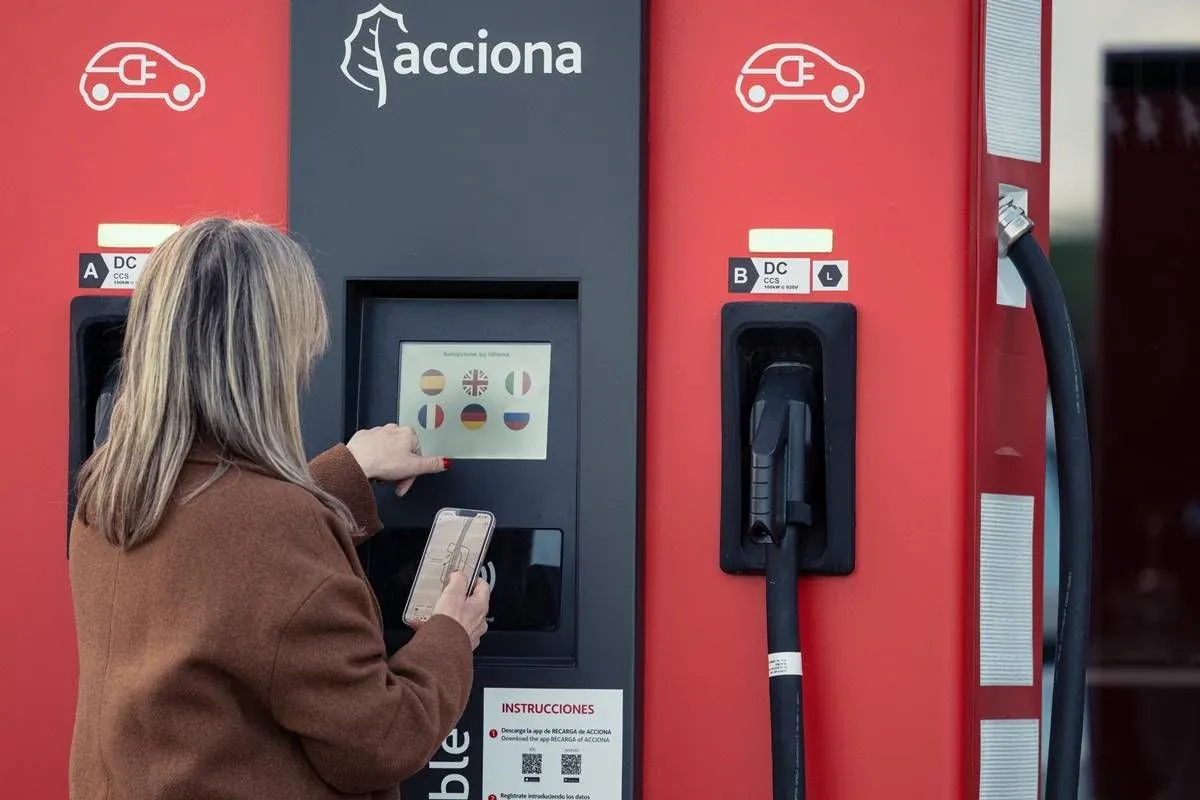
In fact, the French promotion has some significant limitations. The discount is not applied directly to the bill but instead accumulates in a virtual account within the operator’s app. To take advantage of it, future top-ups are required, so drivers who only use a charging station occasionally will not be able to realize the full savings advertised.
In addition, the lowest price requires subscribing to a paid plan, whose cost must be included in the calculations. Not all charging stations participate in this campaign either, so it’s necessary to check in advance which ones are included. The upside is that there are no time restrictions, and the promotion is active 24 hours a day.
How much does it cost per kilometer this way?
We can estimate the impact of these rates for someone who travels frequently or doesn’t have a place to charge. For an electric car with an average consumption of 16 kWh per 100 km, the difference between paying Allego’s standard rate and taking advantage of its more competitive promotion is significant.
We used three scenarios as references: the regular rate without a subscription, the promotion with free charging, and the promotion with an Allego Plus subscription, which costs 9.99 euros per month.
Charging cost comparison
Plan
Price per kWh
Per 100 km
15,000 km per year
5 years (75,000 km)
No subscription or promotion
0.59 euros
9.44 €
1,416 €
7,080 €
Promotion without subscription
0.39 euros
6.24 €
936 €
4,680 €
Promotion with Allego Plus subscription
0.19 euros
3.04 €
456 €
2,280 €
As we can see, the differences are substantial. On paper, considering the monthly subscription, this option allows for savings of around 840 euros per year, or about 4,800 euros over five years, compared to charging without a subscription. Of course, it’s also important to note that even with the most expensive option—occasional charging without a subscription—it remains cheaper than refueling a diesel or gasoline car, especially in France where costs are much higher than in Spain.
Will we see a price war in our country? It’s inevitable, as the growing number of cars leads to an expansion of charging networks, thereby increasing competition to attract new customers. The question now is who will be the first to initiate the price war.