
VW ID.Cross in testing: Spacious, but has weaknesses in charging
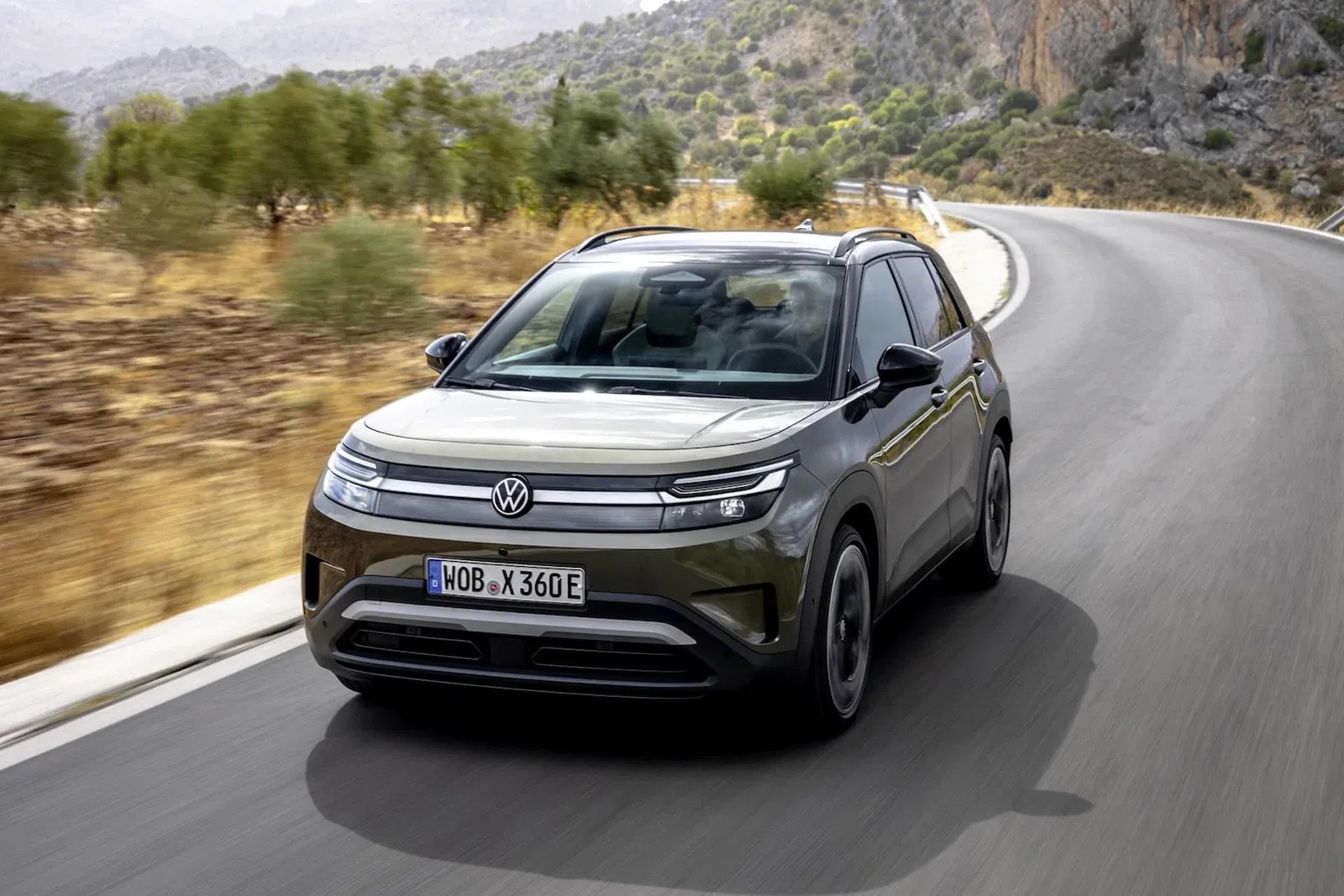
The Volkswagen ID.Cross appears exactly as it should: as a mature and more spacious version of the electric Polo. Its success seems assured—even though the price is higher than ever.
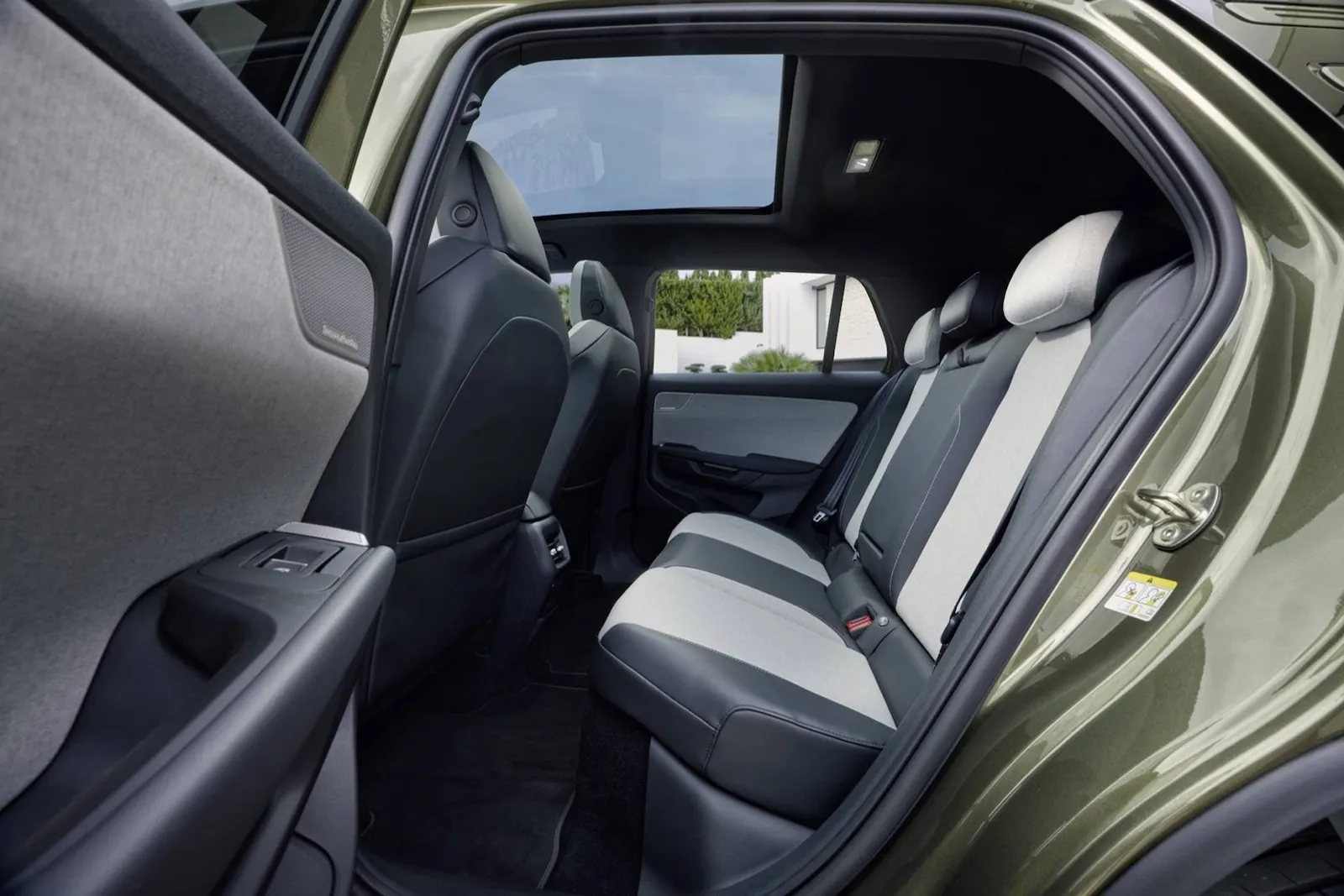
At 4.15 meters in length, this Wolfsburg vehicle is a true compact SUV that caters to current market demands. This segment is particularly popular in Europe, resulting in a wide range of vehicles with internal combustion engines, electric powertrains, or hybrid systems. Thanks to its well-thought-out interior design, the larger sibling of the ID.Polo offers significantly more space inside for four, and optionally five, passengers, with a wheelbase of 2.60 meters. Its cargo area can be expanded from 475 liters to as much as 1,345 liters by folding down the rear seats. An additional 25 liters is available under the hood for small items or charging equipment.
Just like the ID.Polo, the ID.Cross also offers two battery sizes to choose from. The entry-level models are equipped with a small LFP battery with a net capacity of 37 kWh, which can be paired with either the base versions delivering 85 kW/116 hp or 100 kW/135 hp. This provides a range of just over 300 kilometers, and the maximum charging capacity is only a modest 88 kW — so this electric Polo isn’t really suited for long-distance travel.
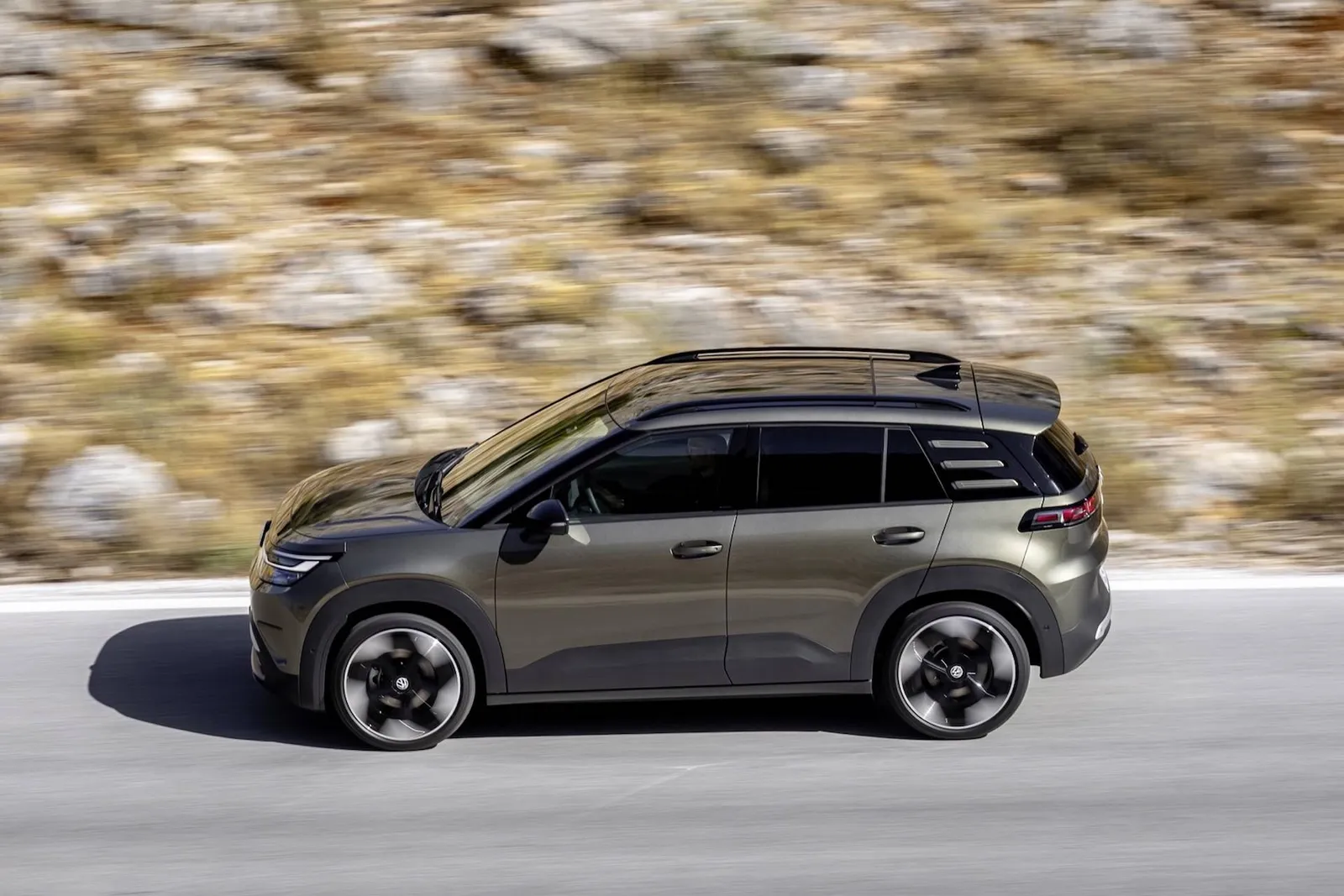
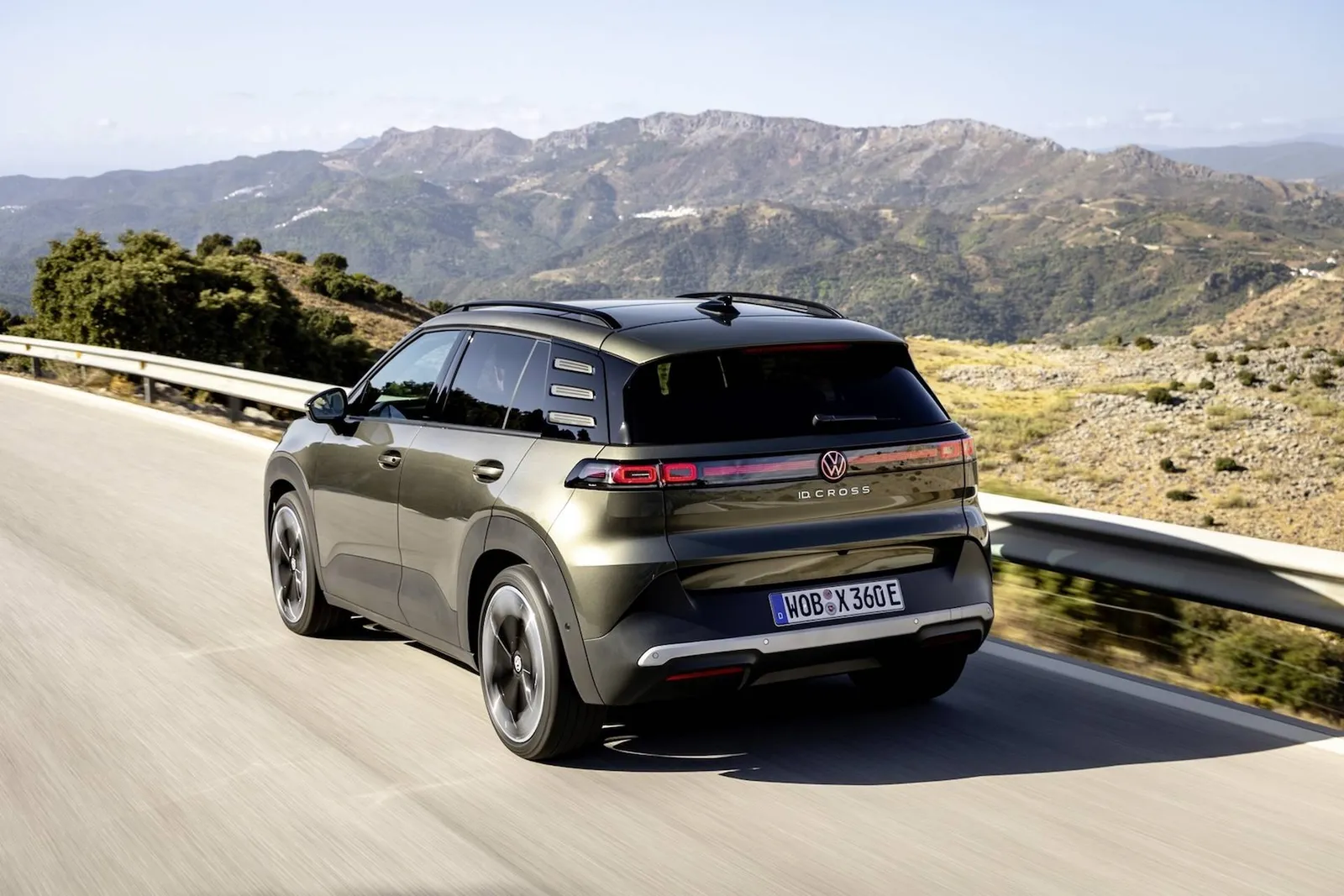
The larger 52 kWh NMC battery is paired with the more powerful 155 kW/211 hp engine in the Life and Style trims, while the R-Line gets an even more powerful 166 kW/226 hp engine. Thanks to a standard energy consumption of 14.2 kWh, the WLTP range is just under 430 kilometers. Even the larger battery pack can only be charged at 105 kW — not much for a new electric car from the 2027 model year. As a result, charging from 10% to 80% at a charging station takes almost 25 minutes.
Well-balanced and finally more comfortably equipped
For those who don’t just drive in the city or on local roads, a larger battery pack and thus a more powerful engine are essential. Once started, this 1.6-ton small SUV shows its close resemblance to the ID.Polo. Its suspension is well-tuned, neither soft nor overly stiff. This allows the electric model to handle poor road conditions effortlessly, while its direct steering provides genuine driving pleasure, enhanced by the responsive electric motor.
The interior deserves special praise. Volkswagen has clearly made an effort to create a more comfortable and high-quality cabin than in previous ID models. Premium fabrics are generously used on the dashboard and trim panels, resulting in an appearance that is far more inviting than the usual sea of synthetic leather or shiny plastic. Although the upper areas of the door trims still feature hard plastic, nothing about this feels unpleasant considering the price and vehicle class. A bigger criticism is the exposed metal surfaces painted in the car’s color on the door frames; they appear cheap and out of place for a crossover that quickly costs around 40,000 euros.
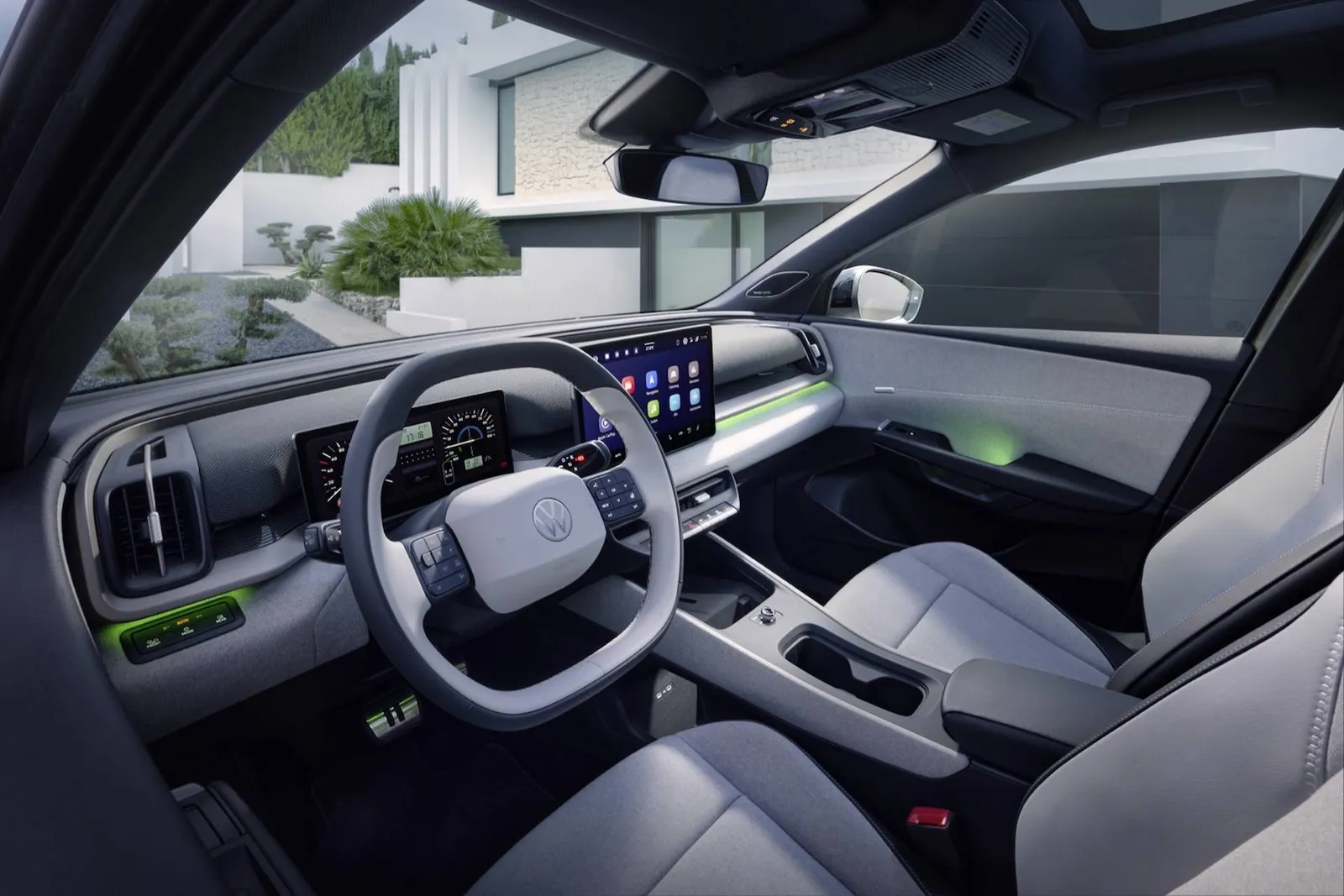
The optional Harman-Kardon system delivers even more brilliance. With 425 watts, ten speakers, and a separate subwoofer, it offers an audio setup that is unusually high-quality for this vehicle class. The infotainment system has also improved significantly: it is intuitive, easy to navigate, and far removed from the frustrating user interfaces of earlier ID models. The digital dashboard in retro style—a tribute to the Golf I—remains a playful detail that some may appreciate. This version with a 52-kWh battery comes at a steep price: at least 39,110 euros.
Driving Modes and the Question of Extra Cost
Some features, such as mode selection, would still be preferred by drivers through physical buttons. The Eco, Comfort, Sport, and Individual modes are available for all variants, with the “Individual” mode allowing separate configuration of details like steering, driving dynamics, noise level, lighting assistance, and climate settings. Higher-end trims offer the adaptive suspension control DCC either as an option or standard, which while providing a pleasant driving experience in this class for those who prefer a sporty setup, is nothing more than a very nice novelty.
In addition, the R-Line features progressive steering and is 15 mm lower to the ground. The difference between softer and stiffer settings is noticeable, especially on highly uneven roads. Choosing the Comfort mode makes the driving experience smoother; tightening the dampers gives the car more control and reduces its tendency to roll.
There is something satisfying about smoothly driving the ID.Cross through traffic while coordinating the accelerator pedal with the regenerative braking effect. Volkswagen demonstrates that the strengths that impressed in the ID.Polo have been successfully transferred to a more spacious model. The biggest challenge likely comes from increasingly powerful Chinese competitors, which often offer more features and a larger battery capacity with faster charging at a lower price.
Volkswagen counters this with a clear commitment to design, perceived quality, and technical engineering. It remains to be seen whether this will be enough to convince buyers to pay a premium for a Volkswagen over alternatives from the Far East.