
Lithuania’s Lakes and Pine Woods: Aukštaitija, Anykščiai and Dzūkija
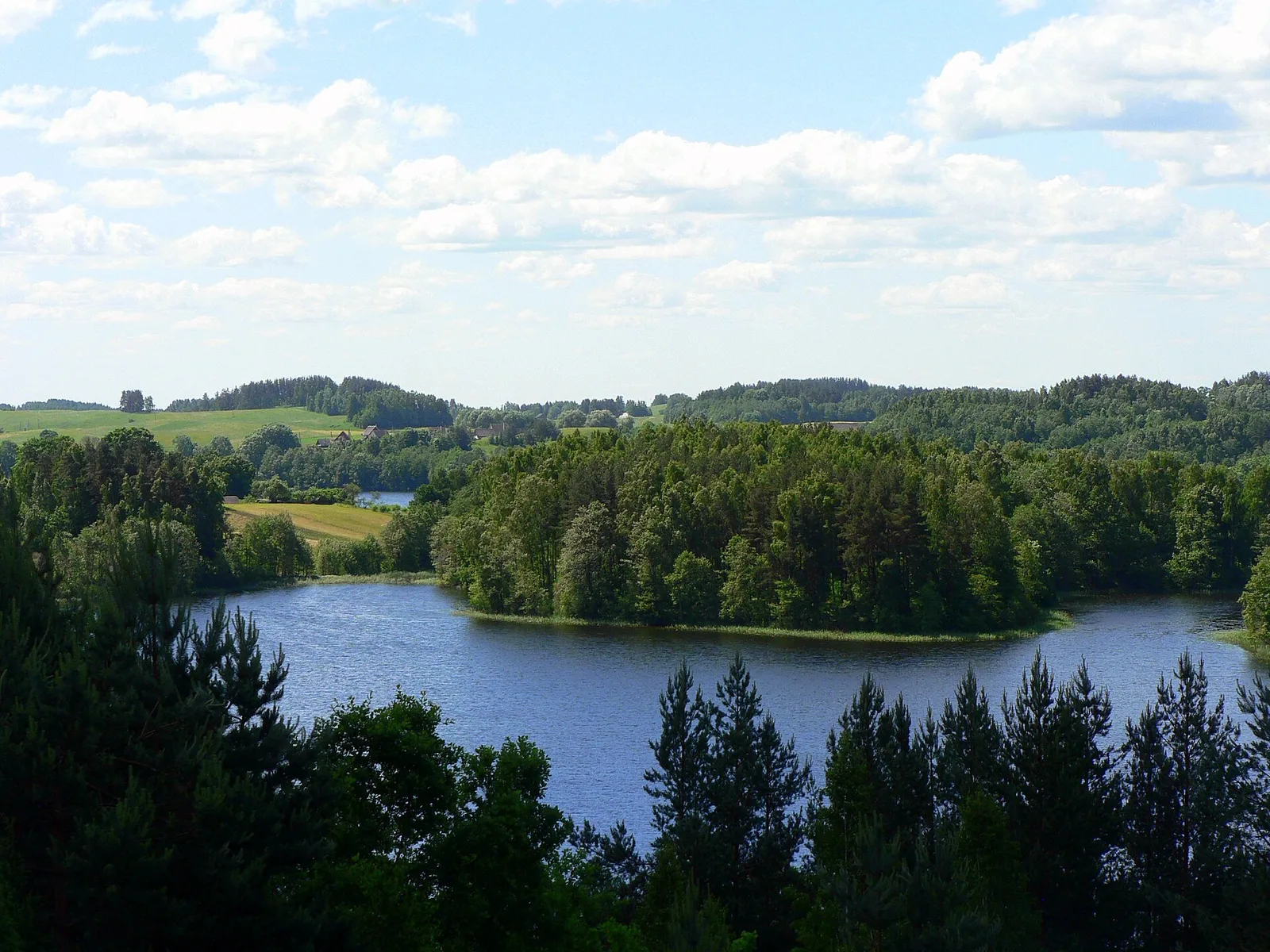
Eight days through the green north-east and the sandy south of Lithuania, a country of thousands of lakes, pine forests and wooden villages. From Vilnius the road leads to the hill forts of Kernavė, an early capital of the Grand Duchy above the Neris, and on to the lake country of Molėtai, where an observatory and the futuristic Museum of Ethnocosmology share a hilltop. In Aukštaitija National Park, the oldest in the country, a wooden church, a nineteenth-century watermill and the view from Ladakalnis hill open onto a chain of lakes joined by streams. Zarasai and the ancient Stelmužė oak lead to Anykščiai, with its treetop walk above a pine grove celebrated in poetry and the great Puntukas boulder. The second half belongs to Dzūkija: the hill fort of Merkinė above the Nemunas, the baroque church of Liškiava, the wooden village of Zervynos and the spa town of Druskininkai, where the painter Čiurlionis grew up. Fast chargers are easy to find in Vilnius, Utena, Anykščiai and Druskininkai; inside the national parks, plan to charge at your lodging.
Season: Best from late May to September, when the lakes are warm enough for swimming, the forests smell of resin and the long evenings stay light until after ten. In August the pine woods of Dzūkija fill with mushroom and berry pickers, and roadside stalls on the Varėna road sell chanterelles and bilberries. Late September turns the woods around the Anykščiai treetop walk gold; winter is cold and snowy and very quiet in the parks, while Druskininkai stays lively with its spas and indoor ski slope.
Eight days through the green north-east and the sandy south of Lithuania, a country of thousands of lakes, pine forests and wooden villages. From Vilnius the road leads to the hill forts of Kernavė, an early capital of the Grand Duchy above the Neris, and on to the lake country of Molėtai, where an observatory and the futuristic Museum of Ethnocosmology share a hilltop. In Aukštaitija National Park, the oldest in the country, a wooden church, a nineteenth-century watermill and the view from Ladakalnis hill open onto a chain of lakes joined by streams. Zarasai and the ancient Stelmužė oak lead to Anykščiai, with its treetop walk above a pine grove celebrated in poetry and the great Puntukas boulder. The second half belongs to Dzūkija: the hill fort of Merkinė above the Nemunas, the baroque church of Liškiava, the wooden village of Zervynos and the spa town of Druskininkai, where the painter Čiurlionis grew up. Fast chargers are easy to find in Vilnius, Utena, Anykščiai and Druskininkai; inside the national parks, plan to charge at your lodging.
Day by day
Molėtai
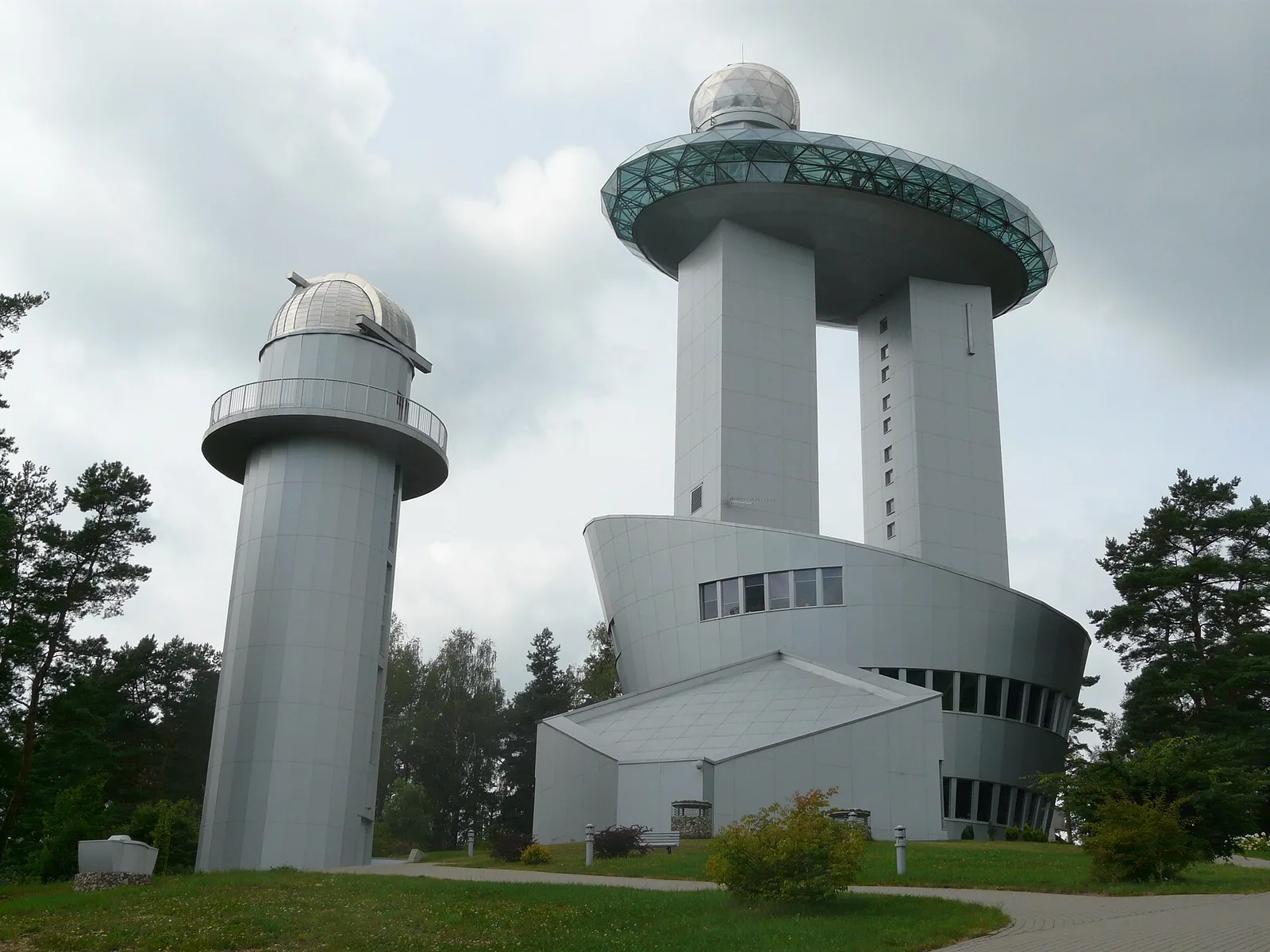
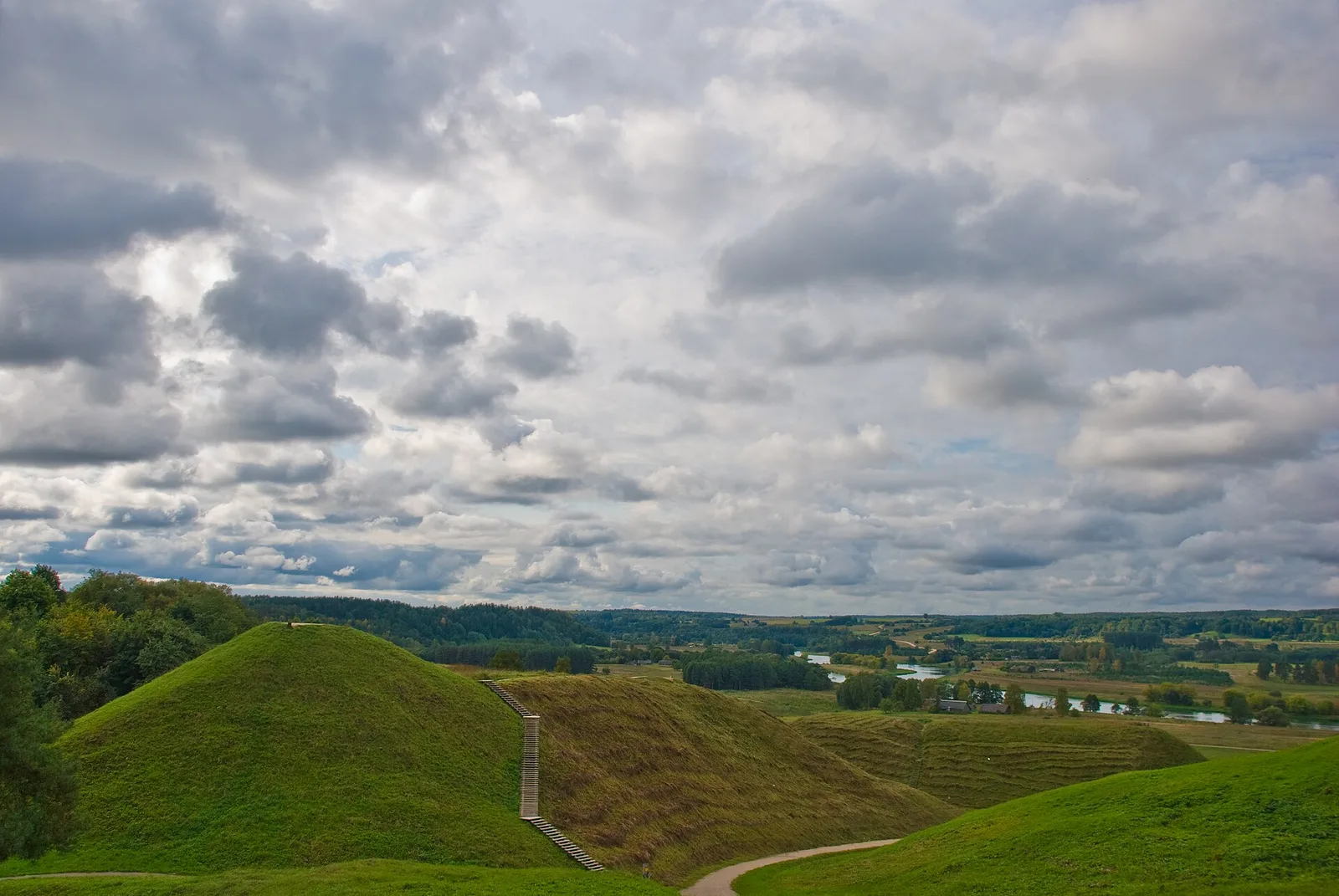
Leave Vilnius to the north-west along the Neris and stop at Kernavė, where five steep hill forts rise above the river meadows. In the thirteenth century this was an early capital of the Grand Duchy of Lithuania, a wooden town of craftsmen below the castle mounds; today the UNESCO site has a small museum, and the climb to the top of the mounds gives a wide view over the bends of the river. In the afternoon cross gentle farmland to Molėtai, a town ringed by lakes, and drive up to Kaldiniai hill, where the white domes of the astronomical observatory stand beside the Museum of Ethnocosmology, a building that looks like a ship from another planet.
Why stop hereCharge nearby: Ignitis ON (Ignitis ON Molėtai market) — typical arrival 35%, about 40 min to 90%. Why stop here: Molėtai Observatory and Museum of Ethnocosmology. Access: walk from the overnight — leave the car.
Palūšė
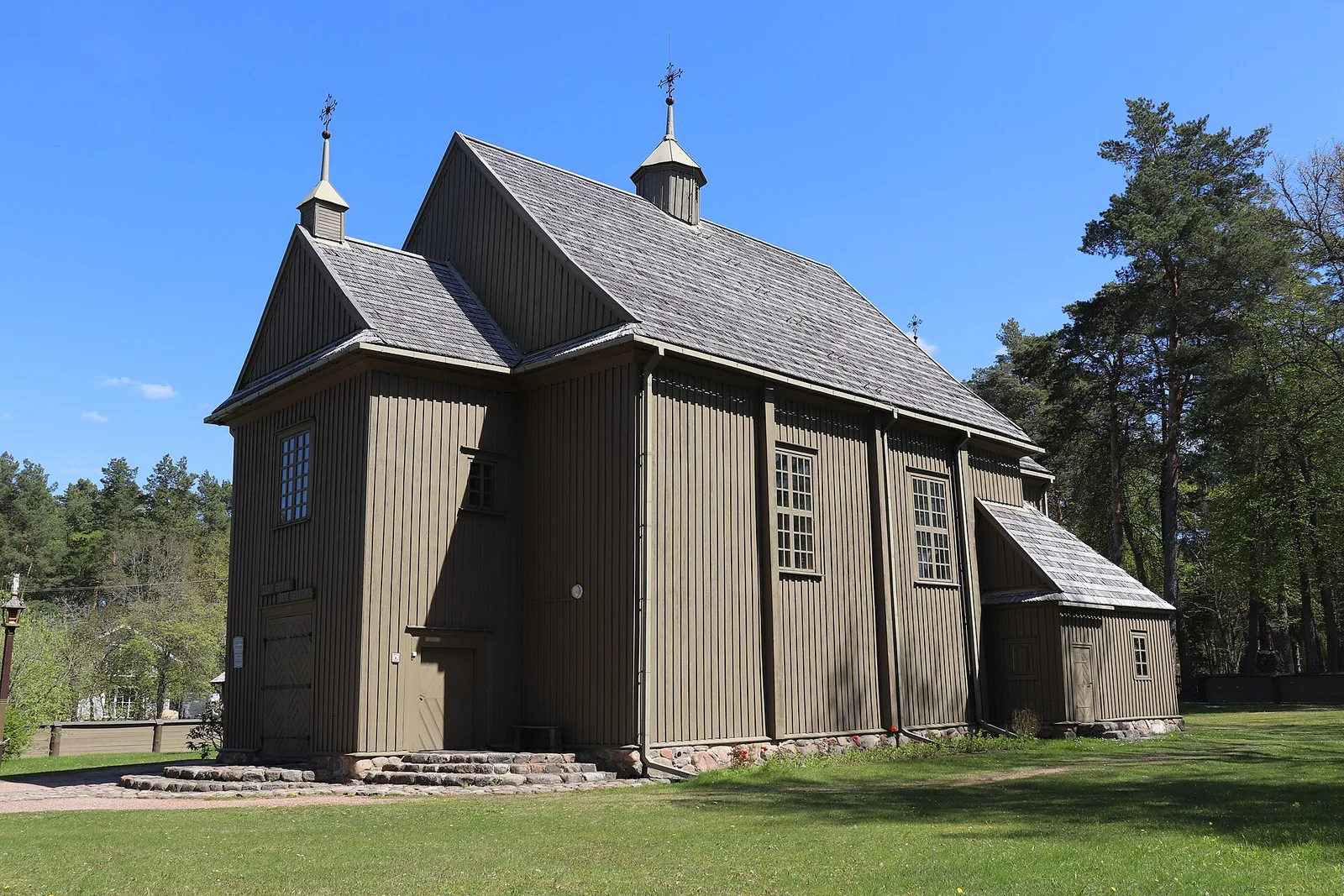
A slow morning among the lakes of Molėtai, with a swim from one of the small beaches or a walk on the paths around the observatory hill. Then the road turns east through Labanoras Regional Park, a wide country of pine forest, heath and clear lakes, to Palūšė on Lake Lūšiai, the gateway to Aukštaitija National Park. Its wooden church of St Joseph, built in the middle of the eighteenth century with a separate bell tower, is one of the oldest in Lithuania and stands in a grove right by the water; in the evening the lake is often still enough to mirror the pines.
Why stop hereWhy stop here: St Joseph’s wooden church, Palūšė. Access: walk from the overnight — leave the car.
Palūšė
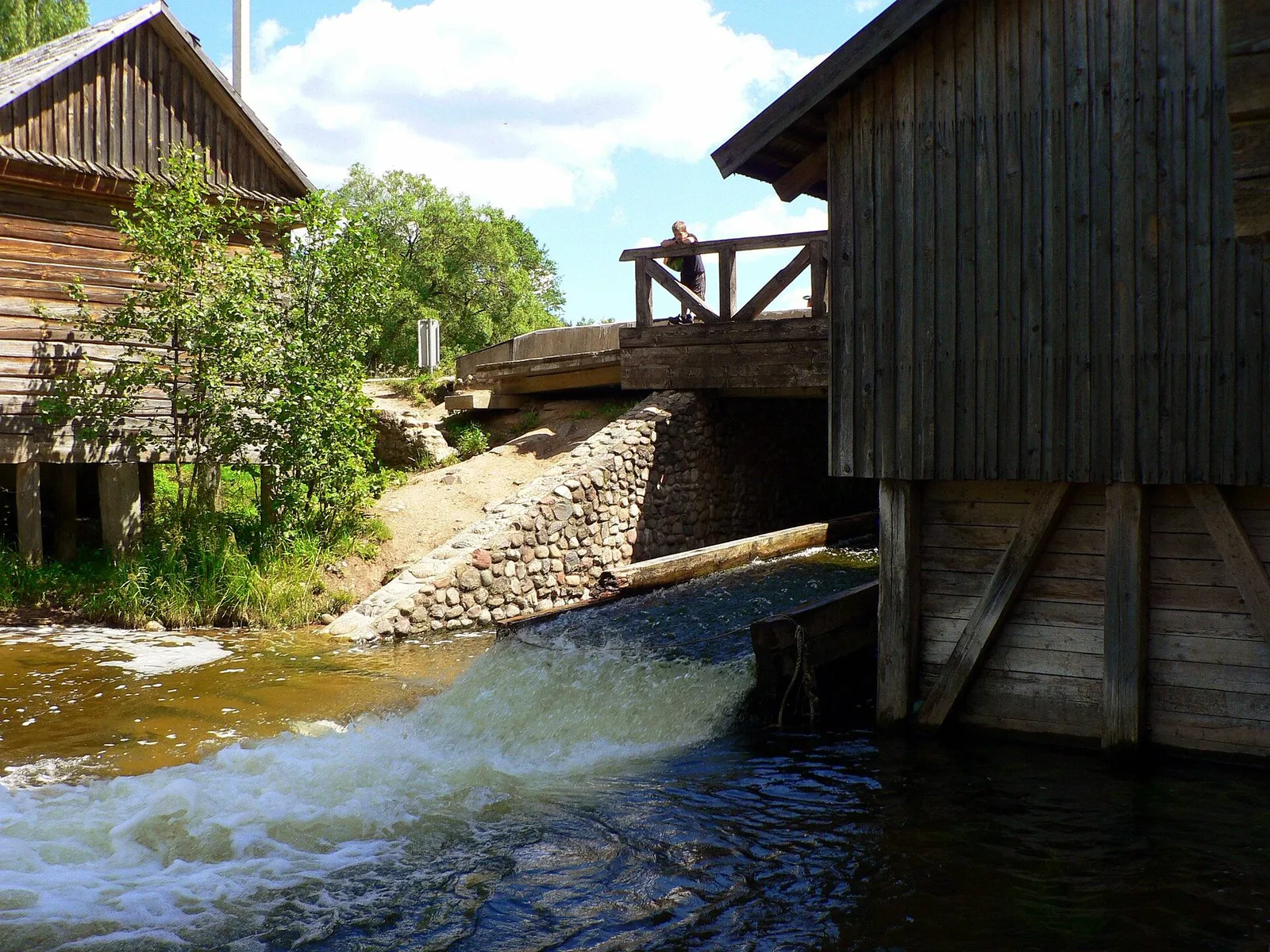
A day inside the national park, which protects more than a hundred lakes linked by streams and forest. Drive the gravel roads to Ginučiai, where a nineteenth-century watermill still stands on the Srovė stream below an old hill fort, and climb Ladakalnis hill for the view over a cluster of lakes scattered among the woods. Stop at the beekeeping museum in Stripeikiai, with its carved hives and wooden figures of the old bee gods, and spend the late afternoon on the water: canoes and kayaks can be hired at Palūšė, and the lake routes run for kilometres between wooded shores.
Why stop hereWhy stop here: St Joseph’s wooden church, Palūšė. Access: walk from the overnight — leave the car.
Anykščiai
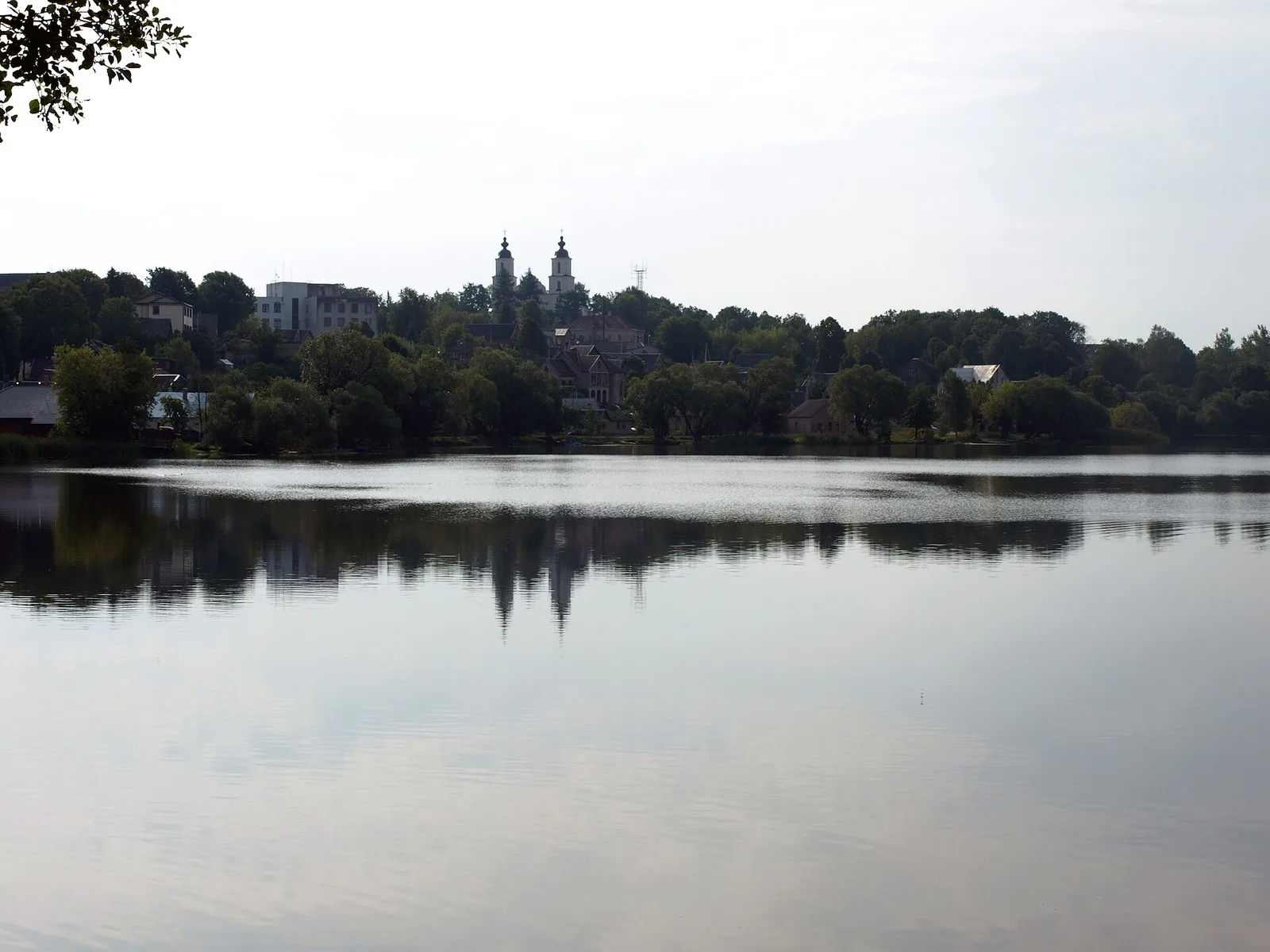
Drive north-east through Ignalina to Zarasai, a small lake town near the Latvian border, where a curving viewing platform on the shore looks out over Lake Zarasas and its islands. A short detour leads to Stelmužė, where an oak many centuries old, counted among the oldest trees in Europe, grows beside a little wooden church. Then turn south-west past Utena, the largest town of the region and a good place for a charging stop, to Anykščiai on the Šventoji river, the town of writers, where the twin towers of St Matthew’s church are the tallest in Lithuania.
Why stop hereCharge nearby: Ignitis ON (Ignitis ON Maxima Anykščiai) — typical arrival 30%, about 40 min to 90%. Why stop here: Anykščiai treetop walk, Puntukas boulder. Access: walk from the overnight — leave the car.
Anykščiai
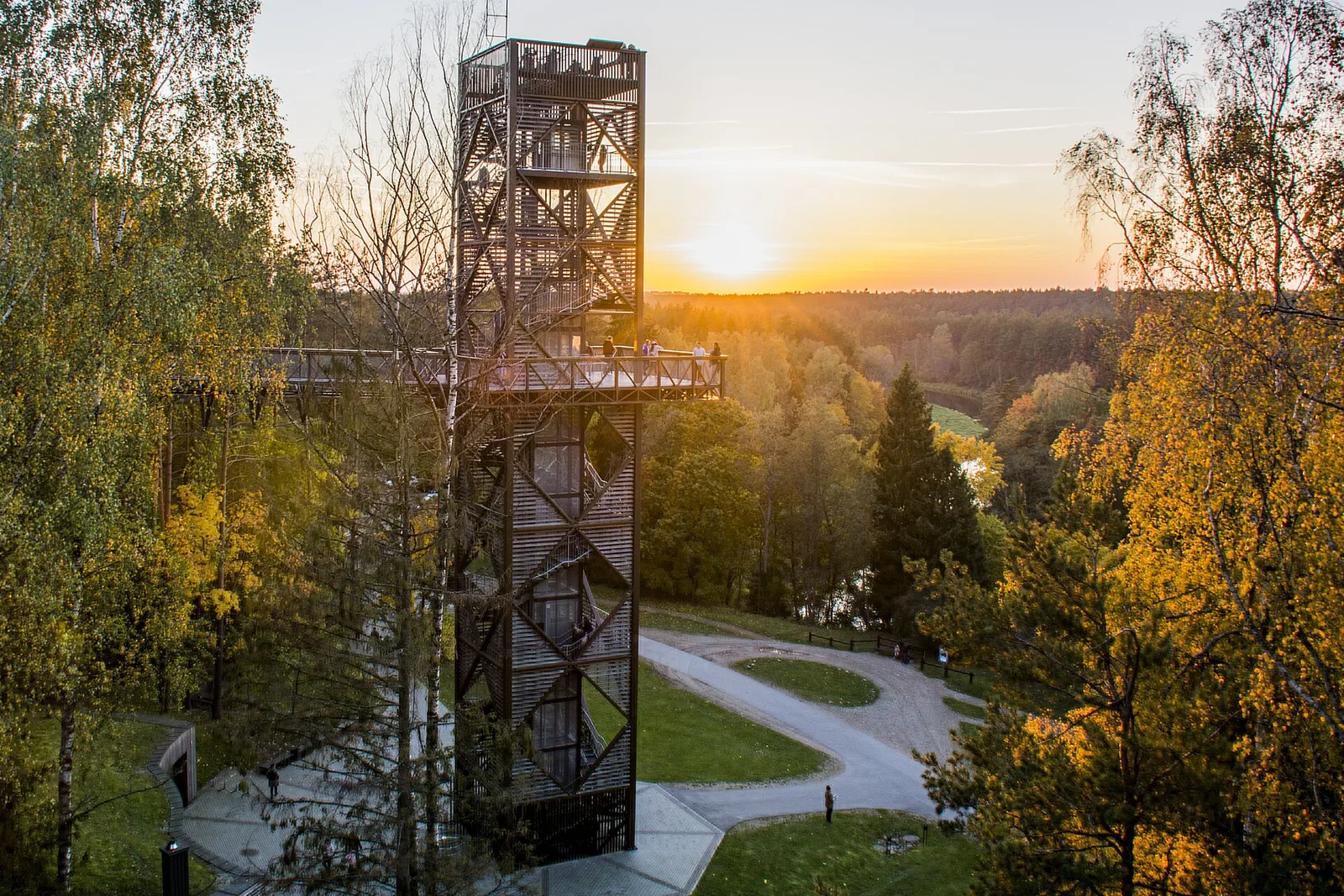
A day in the pine grove sung by the poet Antanas Baranauskas. The treetop walk winds through the crowns of the trees to an observation tower above the Šventoji valley, and a forest path leads on to Puntukas, one of the largest boulders in Lithuania, carved with the faces of the pilots Darius and Girėnas, who died in 1933 after flying across the Atlantic. In summer the old narrow-gauge railway runs from Anykščiai into the countryside, and the Horse Museum at Niūronys shows carts, sleighs and a village smithy.
Why stop hereCharge nearby: Ignitis ON (Ignitis ON Maxima Anykščiai) — typical arrival 30%, about 40 min to 90%. Why stop here: Anykščiai treetop walk, Puntukas boulder. Access: walk from the overnight — leave the car.
Druskininkai
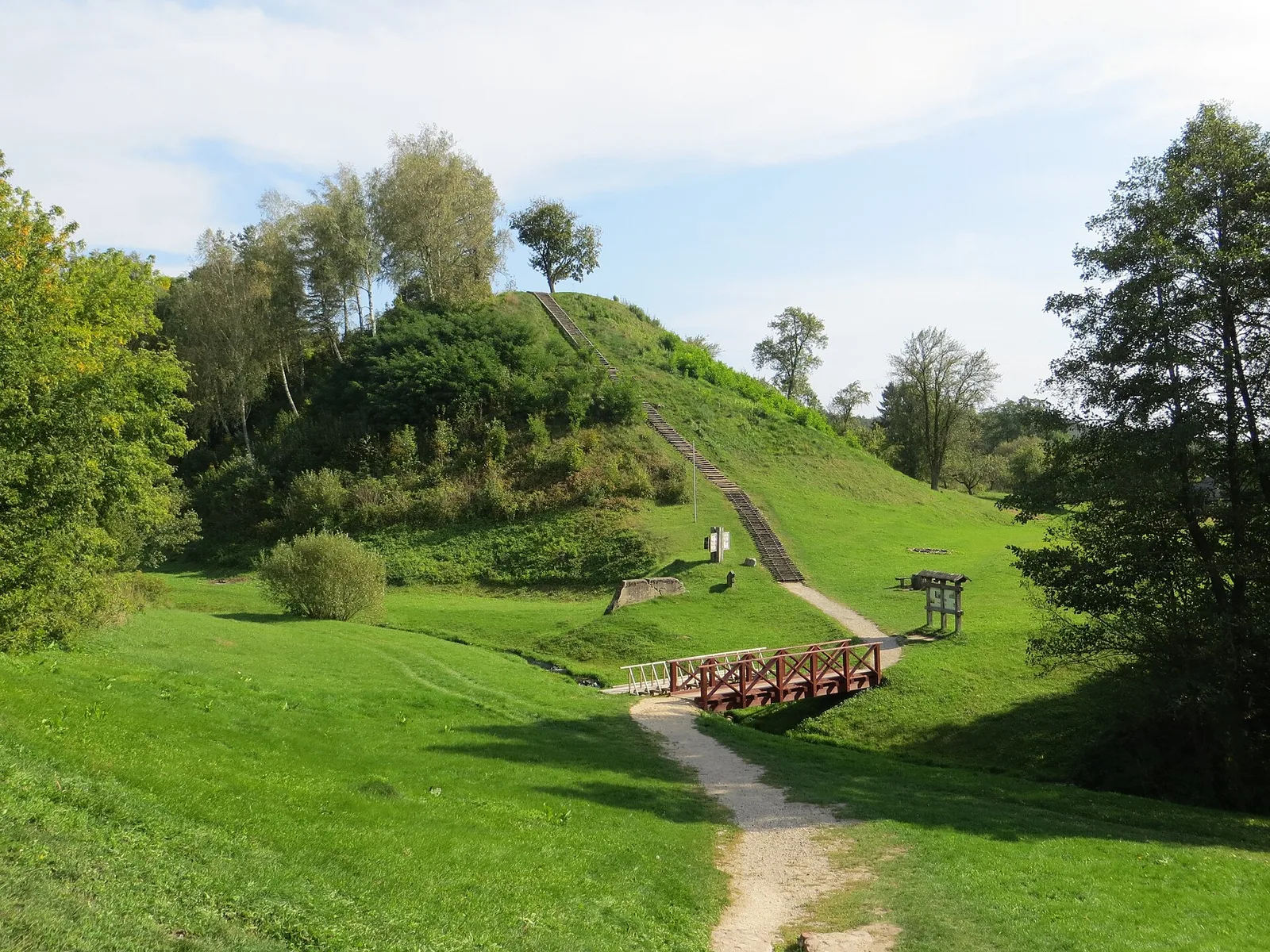
A long transfer day to the south. Charge in Anykščiai, skirt Vilnius on the ring road and follow the main road south through the forests of Dzūkija, past Varėna, where in late summer roadside stalls sell chanterelles and bilberries. At Merkinė, where the Merkys flows into the Nemunas, climb the wooden steps of the hill fort for the view over both valleys; the little town also has a handsome church and a museum in its former Orthodox church. The last kilometres follow the Nemunas to Druskininkai, the old spa town among the pines.
Why stop hereCharge nearby: Ignitis ON (Ignitis ON Druskininkai) — typical arrival 30%, about 30 min to 90%. Access: walk from the overnight — leave the car.
Druskininkai
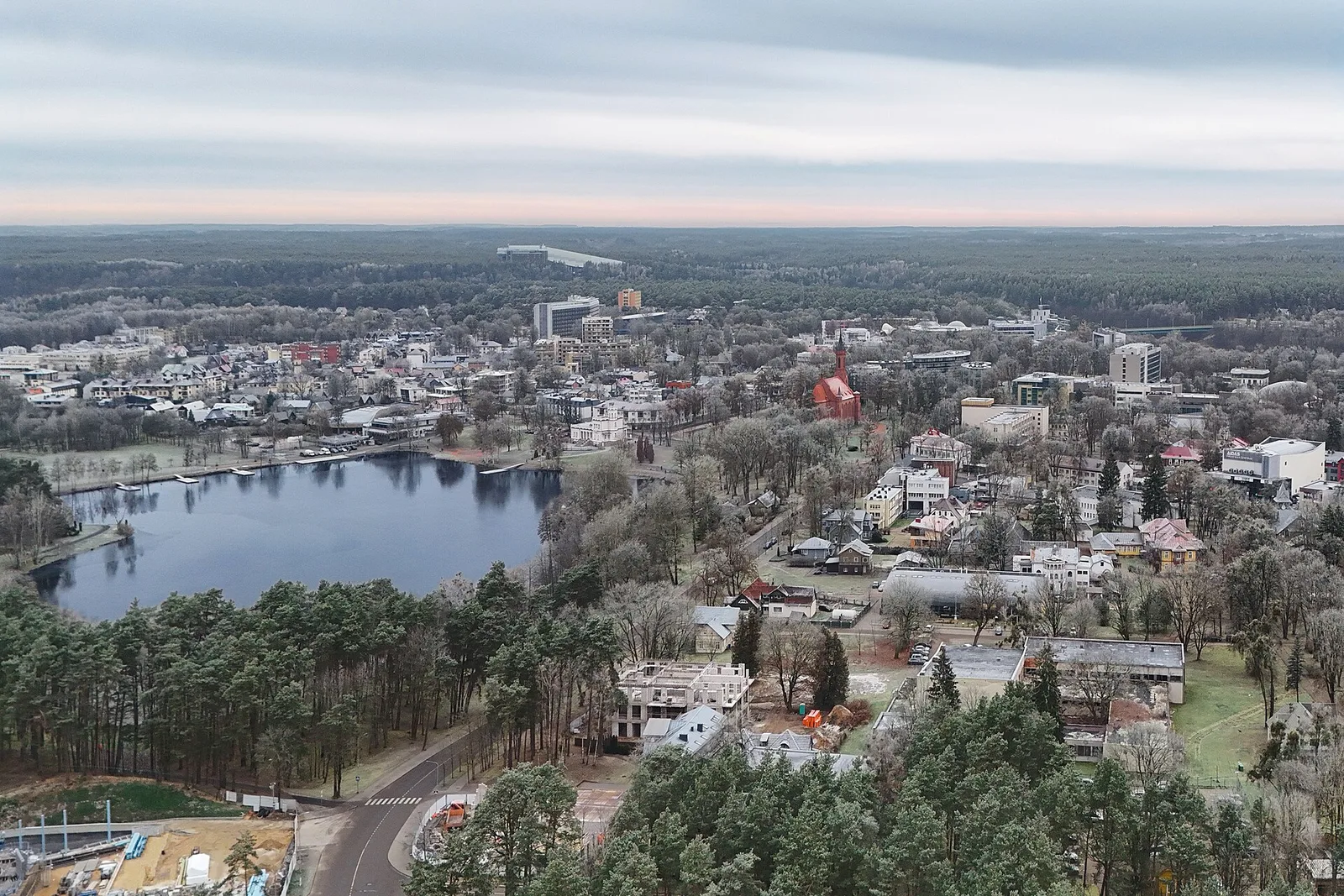
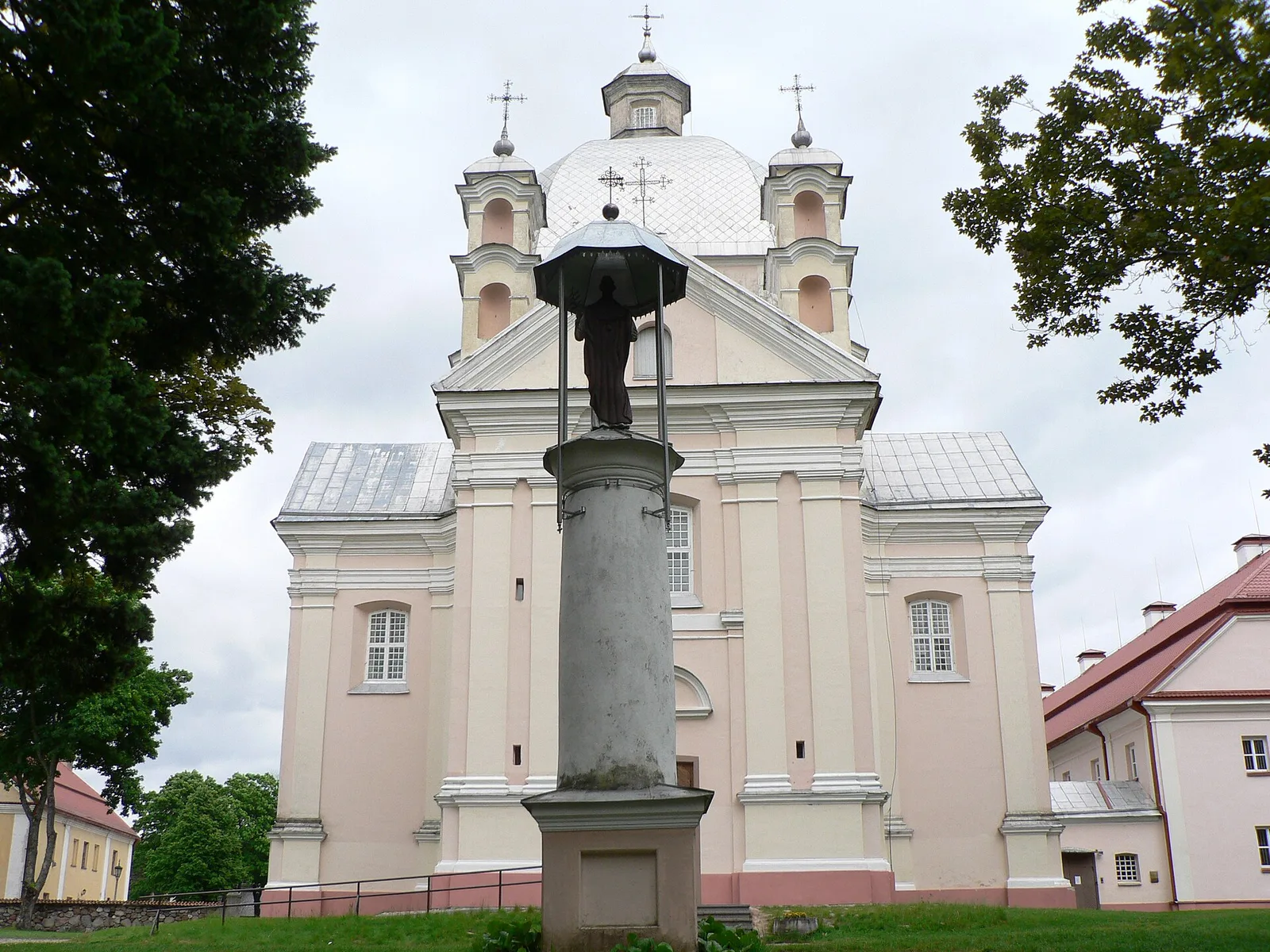
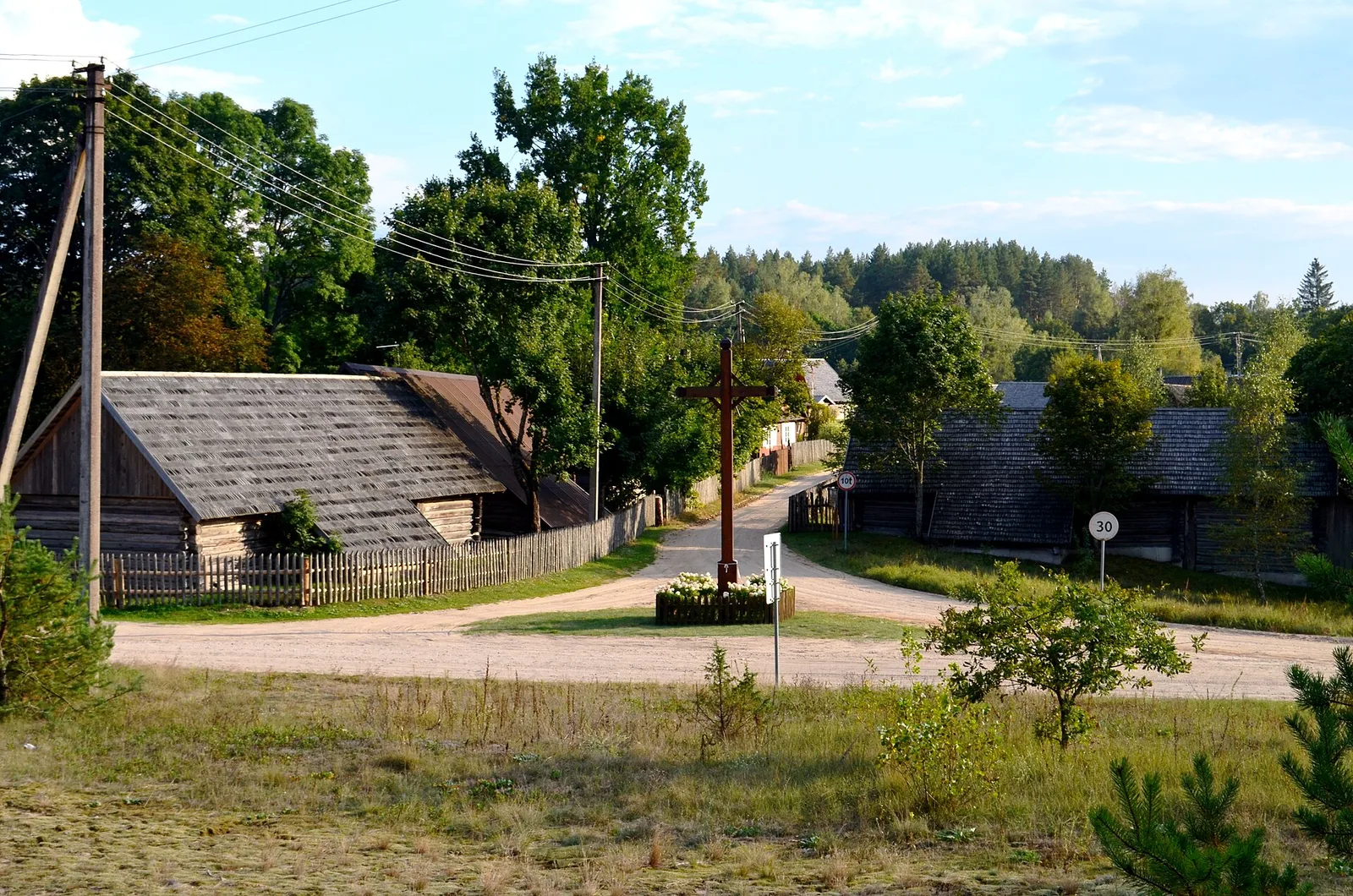
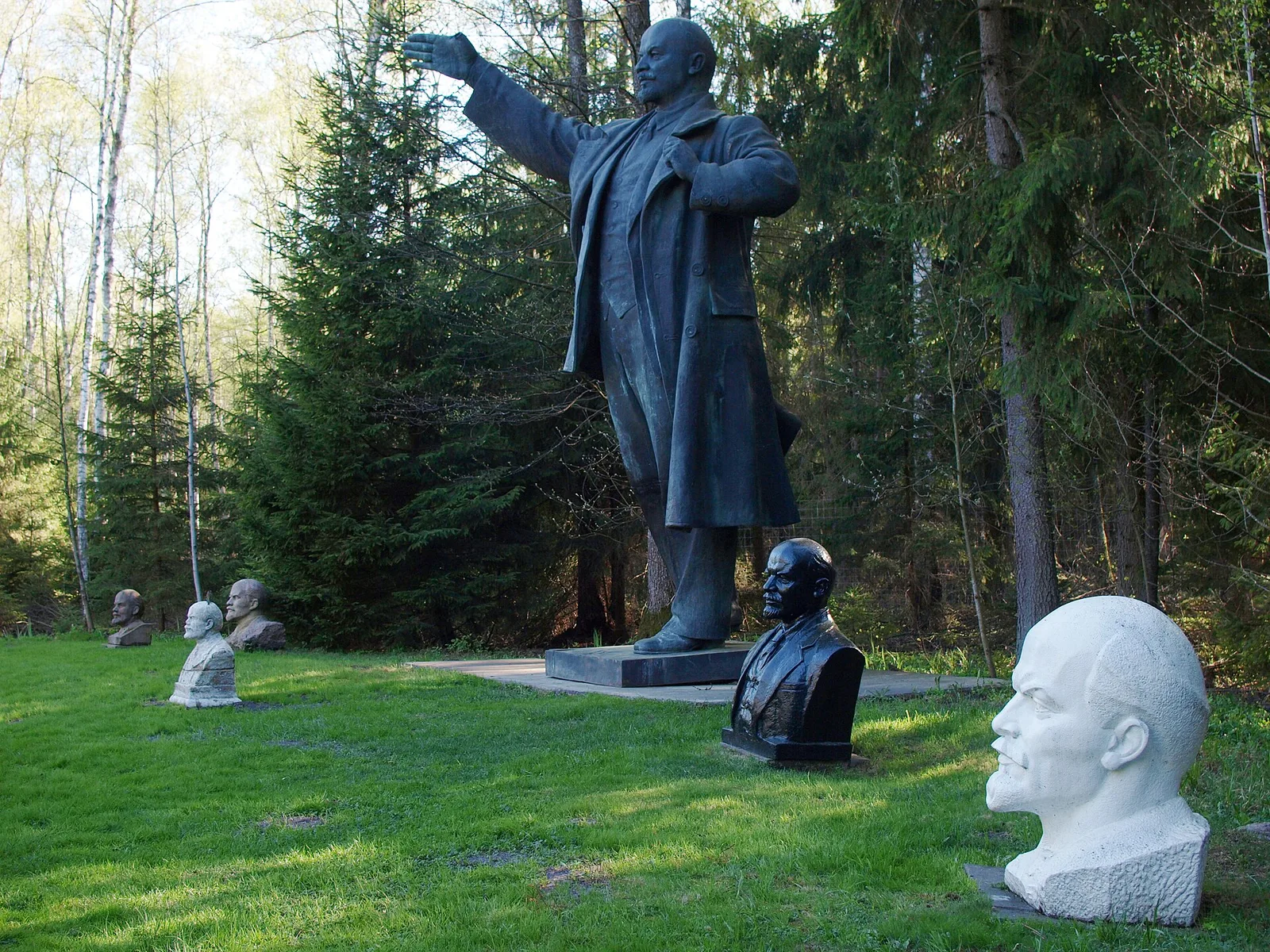
Morning in Druskininkai, the spa town of wooden villas and parks along the Nemunas where the painter and composer Mikalojus Konstantinas Čiurlionis spent his childhood; his family house is closed for reconstruction, but every summer the Piano Music Summer, the oldest series of its kind in Lithuania, carries on in a gallery nearby. A short drive leads to Grūtas Park, where Soviet statues taken down after 1991 stand among the trees, and on to Liškiava, with its baroque church and Dominican monastery below a castle hill above a bend of the Nemunas. In the afternoon go deep into Dzūkija National Park to Zervynos, a village of wooden farmhouses scattered along the clear Ūla river, and walk the sandy paths through the pines.
Why stop hereCharge nearby: Ignitis ON (Ignitis ON Druskininkai) — typical arrival 30%, about 30 min to 90%. Access: walk from the overnight — leave the car.
Vilnius
The road back to Vilnius takes about two hours through the forests. Leave time for the capital itself: climb Gediminas Hill for the view over the baroque domes and red roofs of the Old Town, wander through the courtyards of the university and finish in Užupis, the artists’ quarter across the little Vilnia river, before a last charge and the end of the journey.
Why stop hereCharge nearby: Stuart Energy (LTLab Charging Hub Vilnius) — typical arrival 40%, about 25 min to 90%. Why stop here: Gediminas Hill, Užupis. Access: walk from the overnight — leave the car.
Places along the road
Quiet charging pauses
- Stuart Energy in Vilnius — a calm stop on this leg, about 25 min.
- Ignitis ON in Molėtai — a calm stop on this leg, about 40 min.
- Ignitis ON in Zarasai — a calm stop on this leg, about 25 min.
- Ignitis ON in Utena — a calm stop on this leg, about 20 min.
- Ignitis ON in Anykščiai — a calm stop on this leg, about 40 min.
- Ignitis ON in Varėna — a calm stop on this leg, about 25 min.
- Ignitis ON in Druskininkai — a calm stop on this leg, about 30 min.