
In Poland, winter tires are not mandatory, but AC might be an issue. Abroad, it’s easy to get a fine.
In the article:
- There is no legal requirement to use winter tires in Poland
- In Germany, road conditions matter, while in Lithuania specific dates do
- The absence of winter tires does not automatically prevent claim denial under car insurance, but the situation with roadside assistance is more complicated
- What about all-season tires?
Winter tires? No regulations required. Here in Poland
Polish laws do not specify a date by which drivers must install winter tires. Therefore, there is no legal obligation to change tires on November 1st, December 1st, or when the first snow appears.
This is also confirmed by the police. The mere fact of driving on summer tires in January is not grounds for issuing a fine. However, the tires must meet general technical requirements. If they lack tread wear indicators, the tread depth must be at least 1.6 mm. Severe damage that exposes the tire carcass is also unacceptable.
But these are Polish regulations. Exceeding these limits can completely change the situation, as there are no uniform rules regarding winter tires in the European Union. Each country sets its own rules.
Lithuania does not consider the weather. The date matters.
The simplest rules apply in some countries that designate a specific period for using winter tires.
In Lithuania, winter tires are required from November 10 to April 1. In Estonia, the basic period runs from December 1 to March 1, the same as in Latvia. Latvia currently requires winter tires with an alpine symbol; the M+S marking alone is no longer sufficient.
In Slovenia, the requirement to use winter tires lasts from November 15 to March 15, but it may also apply outside this period if winter conditions arise. Instead of four winter tires, a set of summer tires and chains is allowed in certain cases.
The regulations in Croatia should be read in a similar way. From November 15 to April 15, winter equipment is required, but this does not mean an absolute mandate to use winter tires. Cars up to 3.5 tons can use four suitable winter tires or summer tires with a tread depth of at least 4 mm, provided they have chains or approved alternatives.
Bulgaria is another interesting case. From November 15 to March 1, tire requirements apply, but even summer tires can meet them as long as the tread depth is at least 4 mm. Therefore, speaking of an absolute “mandate for winter tires” would be an oversimplification.
Germany: No fixed date, snow is enough
The German system works completely differently. There is no statutory period from November to March. It is legal to drive on summer tires even in January if the conditions are good.
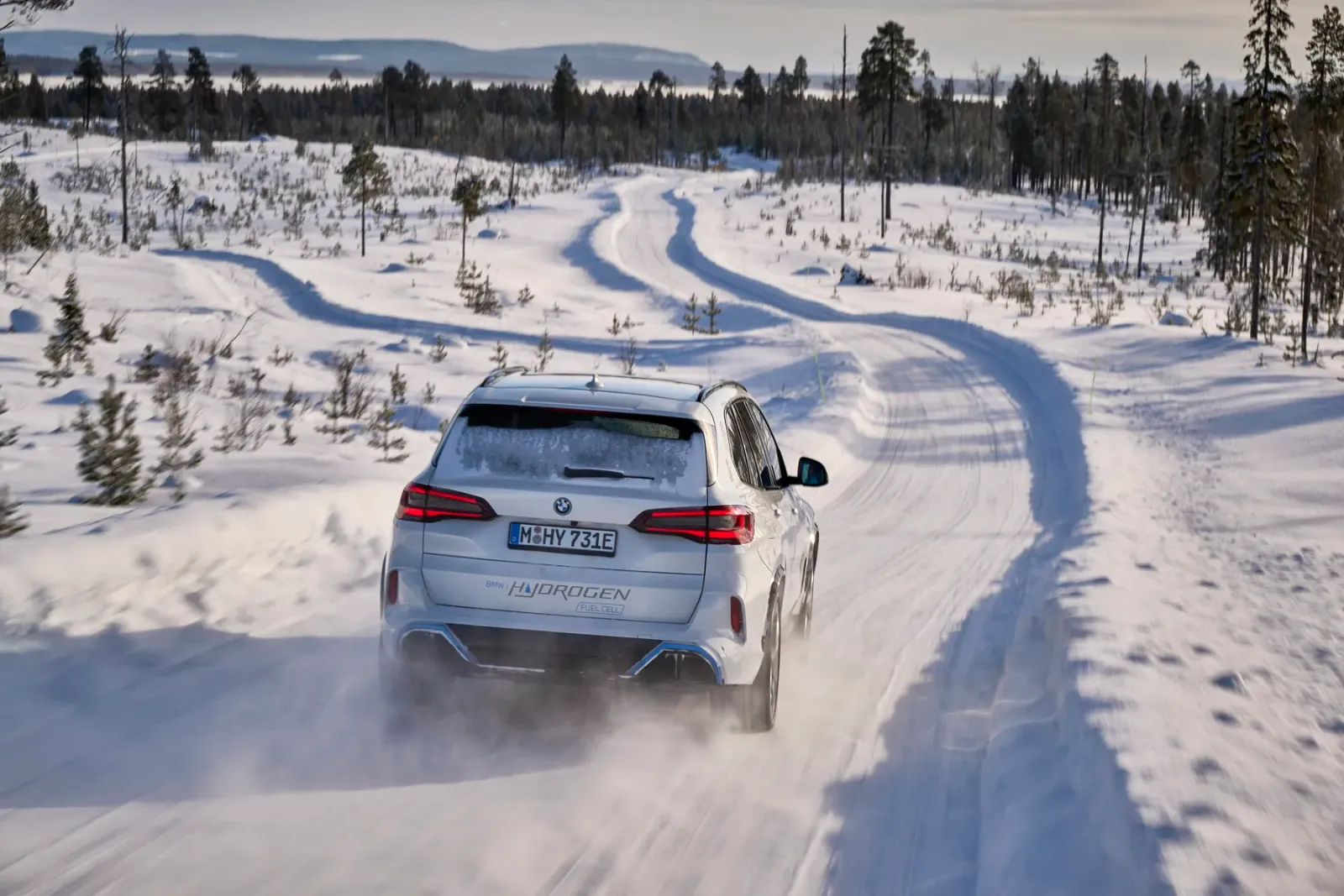
However, as soon as ice, snow, slush, ice, or frosty surfaces appear, the vehicle must have appropriate winter tires. Starting in October 2024, tires marked with 3PMSF – Three-Peak Mountain Snowflake, which is a symbol of a mountain with three peaks and a snowflake, are required in such conditions. The M+S marking alone is not sufficient.
This means that a Polish driver can cross the German border on summer tires on a sunny December day without breaking the rules. But if it starts to snow and the surface becomes typical of winter, continuing to drive would no longer comply with local requirements.
Austria and the Czech Republic tie the date to weather conditions
In Austria, regulations for vehicles up to 3.5 tons apply from November 1 to April 15, but only when winter conditions prevail on the roads—such as snow, slush, or ice. In such situations, appropriate tires must be installed on all four wheels.
Therefore, a dry highway in Austria in January does not automatically mean a requirement to use winter tires. The issue arises when conditions change.
Czechia uses a similar mechanism. From November 1 to March 31, winter tires are required when there is a continuous layer of snow, ice, or frost on the road, as well as when weather conditions suggest such phenomena may occur during travel. The minimum tread depth for passenger cars there is 4 mm.
In Slovakia, this rule applies to passenger cars from November 15 to March 31, when roads are covered with snow, ice, or frost. The required tires must have at least 3 mm of tread depth.
North Europe has similar regulations
In Finland, the use of winter tires is required from November 1 to March 31, but only when weather conditions or road conditions demand it. Current winter tires without studs must bear the 3PMSF marking.
In Sweden, the period for passenger cars runs from December 1 to March 31 and also requires winter conditions to be present. Swedish regulations consider snow, ice, slush, or frost on any part of the road to be such conditions. The tire must have the 3PMSF symbol or be a studded tire, with a minimum tread depth of 3 mm. These rules apply to cars with foreign license plates as well.
Romania does not set a specific date. Winter tires become mandatory on roads covered with snow, ice, or black ice. The same applies in Luxembourg, where the requirement is triggered by actual winter conditions rather than a date on the calendar.
France and Italy: it depends on the location
In France, the requirement does not apply to the entire country. It is in effect from November 1 to March 31 in designated municipalities located in 34 mountainous departments, including the Alps, Pyrenees, Jura, Vosges, and Massif Central.
In such areas, one can use four appropriate winter tires or carry anti-skid devices that allow at least two drive wheels to be equipped. Starting in 2024, for a tire to be considered a full-fledged winter tire meeting these requirements, it must have the 3PMSF marking.
In Italy, there is no single rule for the entire country. Different regions and road authorities can impose their own requirements, usually from November 15th to April 15th. The requirement is indicated by signs and may mean that snow chains are necessary. In the Aosta Valley, the period starts as early as October 15th.
Spain has similar locally determined rules – snow chains or chains may be required on certain roads based on signs or decisions by authorities, especially in mountainous areas.
Denmark has changed its rules, but there is still no formal mandate for snow chains
Starting in July 2025, Danish regulations place greater responsibility on drivers to choose tires suitable for the conditions. A vehicle cannot be equipped with tires that are “clearly inappropriate” for the current or expected road surface.
The Danish transport authority emphasizes that it is not a formal requirement to have winter tires. However, if a driver has summer tires and snow, ice, or slush appears, it may be impossible to continue driving the car.
Be careful in the Balkans too
If a winter trip takes you further south in Europe, the regulations can also be surprising. In Bosnia and Herzegovina, winter equipment is required from November 1 to April 1, regardless of the weather. However, these do not always have to be winter tires — summer tires with at least 4 millimeters of tread, along with appropriate “anti-skid devices,” are also permitted.
In Serbia, from November 1 to April 1, winter tires are required when there is snow, ice, or black ice on the roads. The minimum tread depth is 4 mm. North Macedonia, on the other hand, requires appropriate winter equipment from November 15 to March 15.
Outside Poland, there is no general requirement for passenger cars in countries such as Belgium, the Netherlands, Ireland, Portugal, the United Kingdom, Hungary, Cyprus, and Malta. Switzerland also does not have such a universal requirement.
Switzerland, however, is a good example of why “no obligation” does not mean complete freedom. The local authorities make it clear that a driver who blocks a snowy road or causes an accident due to inappropriate tires may face consequences.
All-weather tires might suffice, but check the rating
In many countries, there is no need to have traditional tires sold as “winter” tires. A good all-weather tire can also meet the requirements.
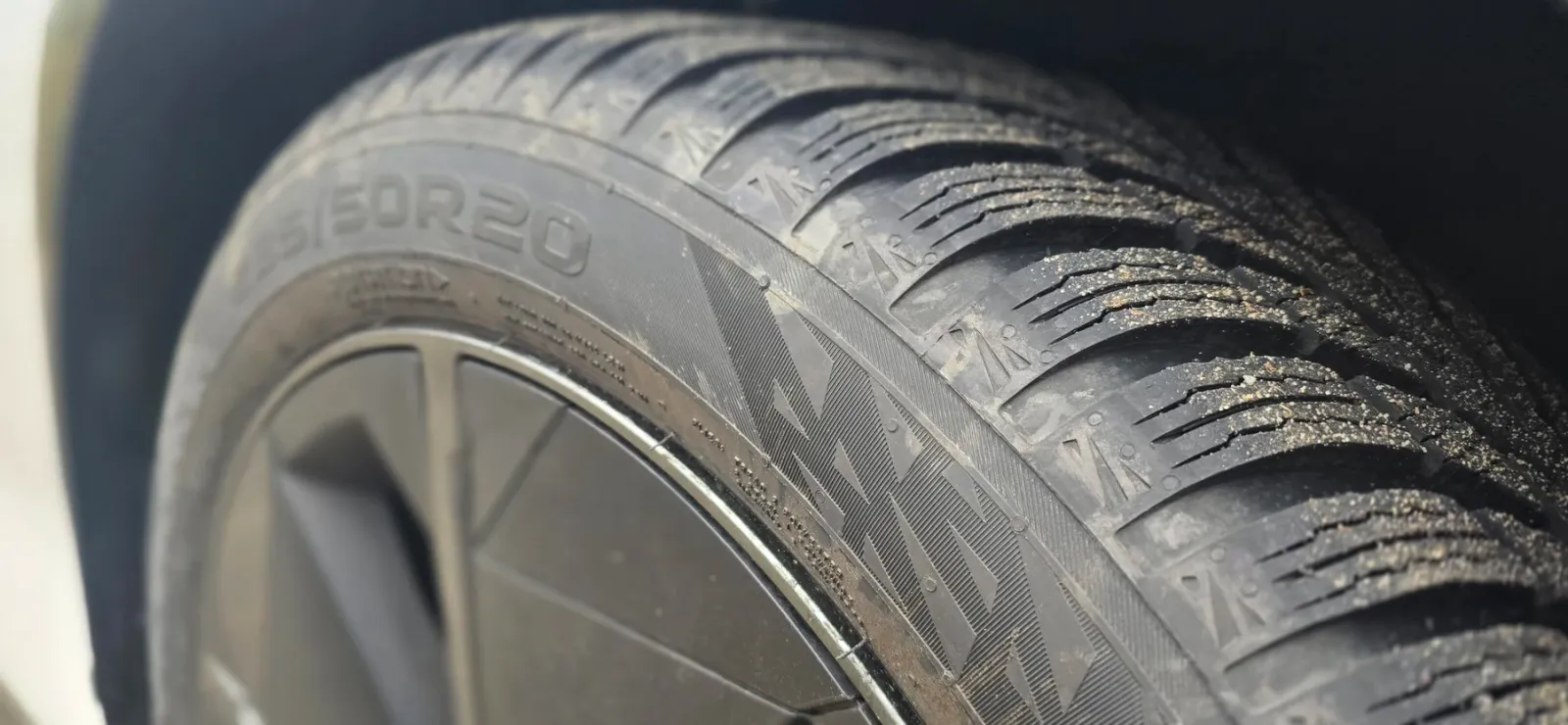
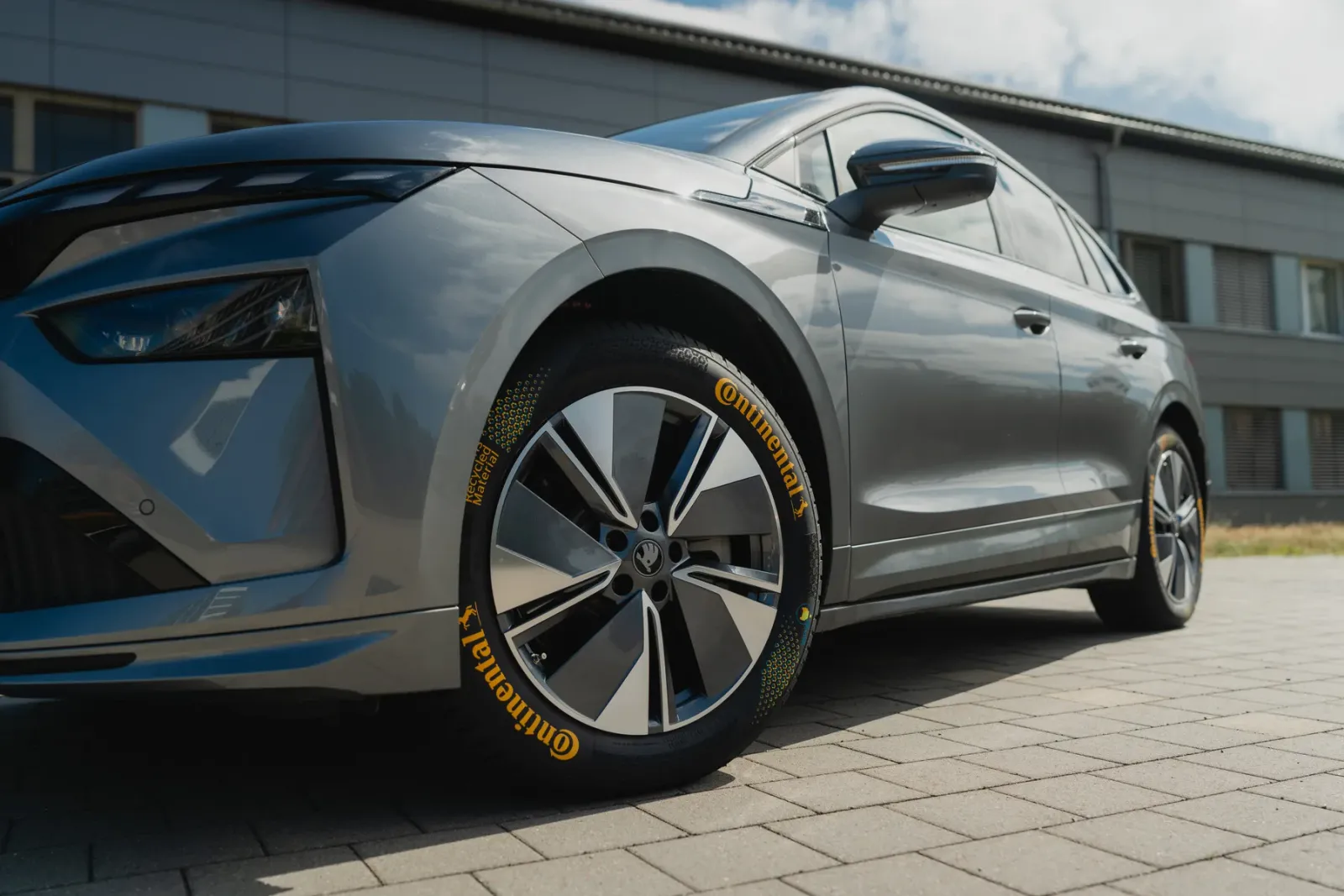
The safest solution for traveling abroad these days is tires with the 3PMSF symbol — a distinctive mountain with three peaks and a snowflake. The M+S rating is still recognized in some countries, but Germany, France, Latvia, and Sweden have tightened their requirements, and M+S alone may no longer be sufficient.
Will an insurer in Poland pay compensation without winter tires?
Three different situations need to be distinguished here. If a driver with summer tires causes an accident, their mandatory liability insurance still protects the victim. The lack of winter tires is not listed among the reasons that allow an insurer to demand repayment of the compensation paid out.
The law provides for such recourse, among other things, in cases of intentional damage, driving under the influence, lack of required licenses, or fleeing the scene — summer tires are not on this list. In other words: if you cause an accident in winter while using summer tires, the victim does not lose their right to compensation from your liability insurance.
The situation may look different when it is the driver with summer tires who is the victim. If the insurer of the at-fault party proves that the incorrect tires indeed contributed to the occurrence or aggravation of the damage, they may attempt to reduce the compensation under Article 362 of the Civil Code. Merely having summer tires is not sufficient — there must be a connection between the victim’s behavior and the damage. The Financial Ombudsman also emphasizes that causation requires an assessment of the specific circumstances of the incident.
Example? If another driver forces priority, and the injured party’s car had summer tires but the type of tires didn’t affect the occurrence of the accident, it’s difficult to justify reducing compensation based solely on that. However, if on a snowy road summer tires significantly prolonged the braking distance and influenced the course of the accident, a dispute over contribution becomes much more likely.
AC is different
Autocasco is voluntary insurance, so much depends on the general insurance terms, namely the policy’s OWU. The Civil Code allows the insurer to refuse compensation in cases of damage caused by gross negligence, with exceptions arising from the contract and considerations of fairness.
This does not mean, however, that every car breakdown on summer tires in January automatically deprives the driver of compensation from the insurance. Since driving on such tires is legal in Poland, the insurer would have to base their refusal on the terms of a specific contract and the circumstances of the accident. Factors that may matter include the condition of the tires, weather, road surface, and whether the type of tire truly contributed to the damage. Available analyses of court decisions do not indicate a established rule stating that the mere absence of winter tires is sufficient to deny compensation.
The shortest answer is: in Poland, not having winter tires does not automatically result in the loss of compensation. With compulsory insurance, the victim generally receives compensation, whereas with voluntary insurance, the insurer may examine the circumstances of the incident and the policy terms more closely.
Before traveling abroad, look beyond just the calendar
The biggest mistake is assuming that since winter tires are optional in Poland, one can drive across Europe without problems with the same set of tires.
In Germany, weather is important. In Austria, both weather and timing matter. In Lithuania, timing is the primary factor. In France, region and season play a role. In Italy, it may depend on the specific road section.
Therefore, before a winter trip, it’s worth checking the regulations of all countries along the route, including those for transit. And if the car has all-season tires, not only should you verify the “all season” label, but especially the markings on their sides.
Piotr Sobczyk