
Tesla Cybercab: $299 subscription and a $50,000 fine for resale without permission
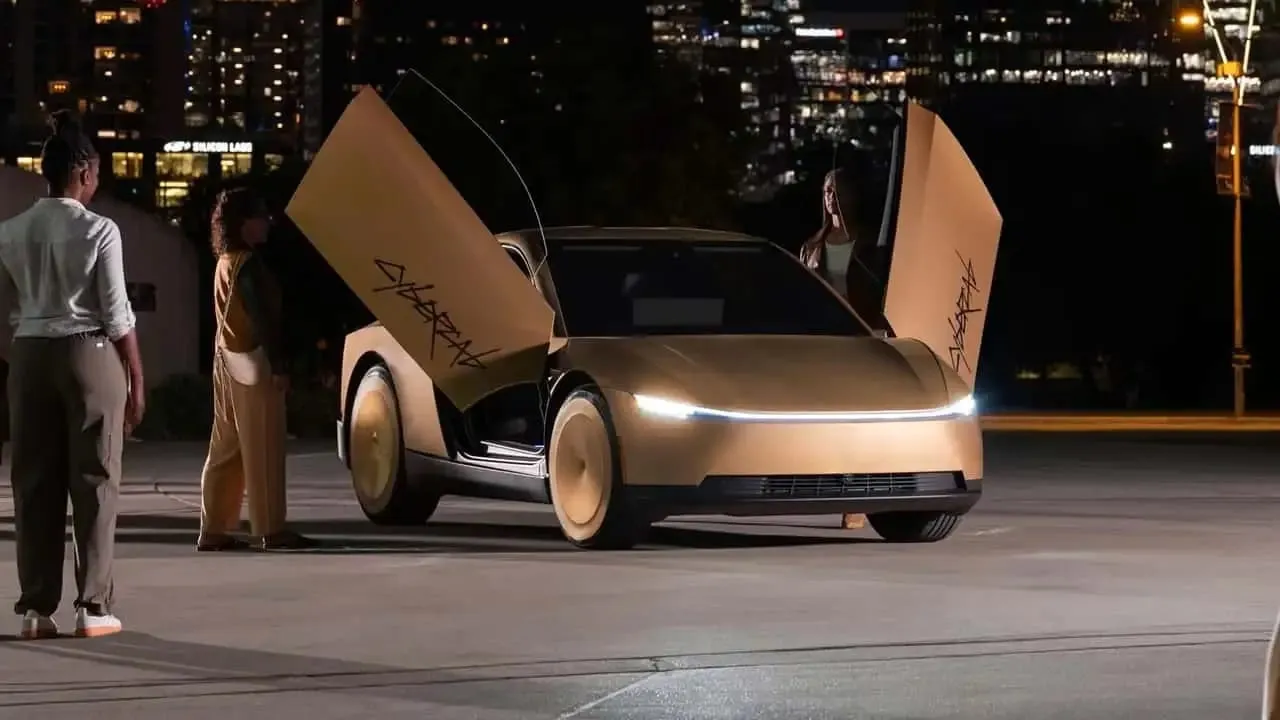
On November 13, Tesla began inviting select customers to purchase a Cybercab outright. A few hours later, a subscription agreement (Cybercab Autonomy Subscription Agreement, version 20261112) appeared in the configurator. The two-seater robotaxi costs $29,990 before taxes, but without a monthly subscription fee of $299, it won’t move from its spot, and Tesla can change this price with one month’s notice. The owner also cannot connect the vehicle to the Robotaxi network or earn money from transporting passengers, although Elon Musk has promised such a model for years.
Table of Contents
Show
Hide
The order requires a non-refundable deposit of $1,000, with the first Tesla deliveries expected in December 2026 in Austin. Invited guests can also choose to pick up the vehicle in Dallas, Houston, San Antonio, or Fort Worth. The first month of subscription is included in the price, and sales are available only by invitation, without a public ordering page.
The contract states clearly: “Your Cybercab will not function without an active Autonomy subscription.” The vehicle has no steering wheel or pedals. Manual control via a touchscreen allows it to move at a speed of about 2 miles per hour (approximately 3 km/h), but only with a valid driver’s license and off public roads. Once the subscription expires, the vehicle remains in the garage worth $30,000.
Geofencing, cabin camera, and ban on plastic wrap
Other terms in the order agreement, terms of service, and subscription contract:
Cybercab can only be used in the geofences (operational areas) designated for Robotaxi, which Tesla “can expand, reduce, move, or otherwise modify at any time.” Outside these areas, the vehicle can be technically disabled.
It is intended for private use only. Robotaxi services, Uber, delivery apps, and rental use require Tesla’s written permission.
Selling or transferring the vehicle is allowed only with written consent. Selling without it incurs a contractual penalty of at least $50,000 or the equivalent of the entire transaction value, whichever is higher. Tesla reserves the right to repurchase the vehicle at a market value it determines, with the owner covering the return costs.
Three or more so-called strikeouts (warnings for improper or dangerous use) result in a week without autonomous driving, without any proportional refund of fees.
Tesla can remotely locate the car, lock it, take control of it, or switch it to safe mode.
The car collects data, including footage from the camera in the cabin above the rearview mirror, which is stored for 30 days by default.
Window tinting and wheel changes are only allowed at Tesla or an authorized dealer; otherwise, the subscription may be suspended.
Insurance, registration, charging, parking, and cleaning are the owner’s responsibility. Electrek, which tested Robotaxi areas in practice, found that the actual service range was 59-78% of what Tesla’s maps showed, and part of the Houston map was described by someone monitoring the service as fake. Meanwhile, the contract allows Tesla to reduce service areas even after the car is purchased.
Mark Valorian, who analyzed the conditions on X, called them an “endless variable-rate lease with an absurd down payment.” After five years (the car plus 59 paid subscription months), the cost comes to $47,631, excluding insurance, registration, charging, and taxes.
The same computer and software as the Model Y
Before launching Robotaxi in Austin, Musk said the service vehicles would be “the Model Ys we produce now, with no changes.” At the third-quarter 2026 earnings call, Ashok Elluswamy, Tesla’s AI head, stated that Cybercabs and Model Ys used as robotaxis share the same software, with customer cars potentially joining the network around the second quarter of 2027. Cybercabs start with the AI4 computer, the same one used in the current Model Y, and unmonitored Model Ys are already operating in areas where private Cybercabs will also be moving.
Owners of the Model Y have not yet received full self-driving capability. Tesla has been selling the Full Self-Driving Capability package since 2016, charging up to $15,000 for it, before switching to a $99 monthly subscription in February, which still requires the driver to monitor the vehicle. The Cybercab subscription is three times more expensive.
Ashok Elluswamy wrote on X: “It will drive without supervision in the same locations as Robotaxi, just serving the owner’s needs.” Musk, however, admitted on X that the subscription price is too high.
From the editorial team: For $299, Tesla includes tires, windows, filters, camera cleaning, and limited towing, so part of the difference from the $99 FSD price is essentially a service package. However, the Model Y with FSD can drive outside geofenced areas, and its sale does not require Tesla’s approval, under penalty of a $50,000 fine.
Update 11/14/2026
Elon Musk wrote on X that Cybercab will be available across the United States as regulatory approvals are obtained, and the subscription fee should be similar to that of FSD with Premium Connectivity in other models, around $115 per month (Premium Connectivity costs $9.99 per month or $99 per year). This would represent a reduction of more than half, although Tesla has not changed the price at $299 for now. For FSD in other vehicles, Musk predicts the opposite trend: the monthly fee of $99 is set to rise as the feature evolves, especially after offering driverless driving to customers next year.
It will be available nationwide, as we receive regulatory approval.
But the monthly fee is too high. It should match the cost of Tesla FSD and connectivity for other models, which is more like ~$115/month.
— Elon Musk (@elonmusk) November 14, 2026
Production is unlikely to restrict sales, as Lars Moravy and Eric Earley said during the Munro Live visit to Giga Texas that the Cybercab line is outpacing the rollout of Robotaxi and isn’t even operating daily. Regulators are a bottleneck, with NHTSA already launching an investigation into the commercial use of Cybercab, which lacks side mirrors as well as a steering wheel and pedals.
Order your Tesla and take advantage of purchase bonuses using the referral link!
LovEV Newsletter
Want more content like this?
Sign up — we’ll send you a weekly summary once the newsletter starts.