
Volkswagen struggles in China: selling just 11,360 electric cars and halting new launches
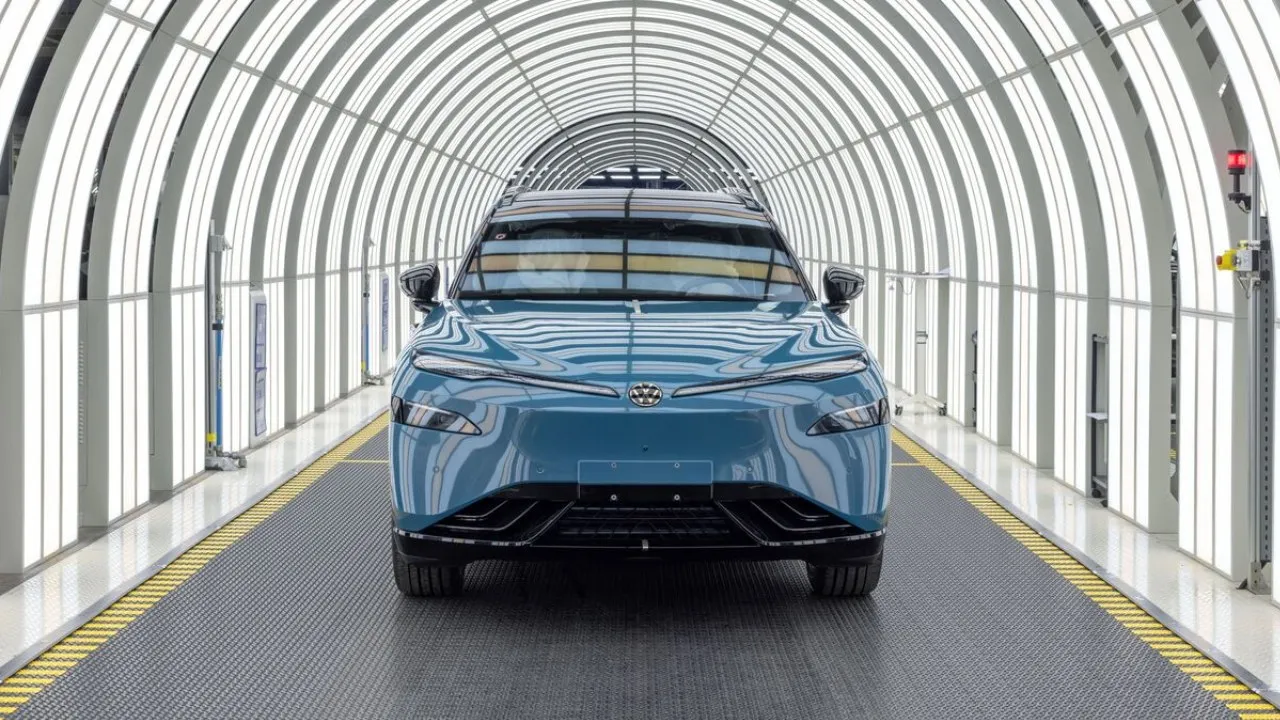
Volkswagen still hasn’t found a way to regain ground in China. The German automaker had invested in a new line of electric cars designed specifically to meet Chinese consumers’ preferences, hoping to compete with BYD, Xiaomi, and other local manufacturers. Reality has proven much tougher, with sales falling far short of expectations, leading to the suspension of upcoming projects.
For decades, China was Volkswagen’s cash cow. Its internal combustion engine models sold like hotcakes, and the Chinese market became one of the pillars of its global business. But the shift toward electric vehicles, coupled with a lack of vision among its executives, has radically changed the rules of the game, allowing local manufacturers to take the lead in terms of technology, development speed, and prices.
Volkswagen Group has been trying to adapt to this new reality for several years. One of its most significant moves has been Volkswagen Anhui, the joint venture created with the Chinese manufacturer JAC, in which the German group holds 75% of the shares. Its goal was to develop a new generation of electric cars designed specifically for China, featuring bolder designs, greater emphasis on software, and a focus on young consumers.
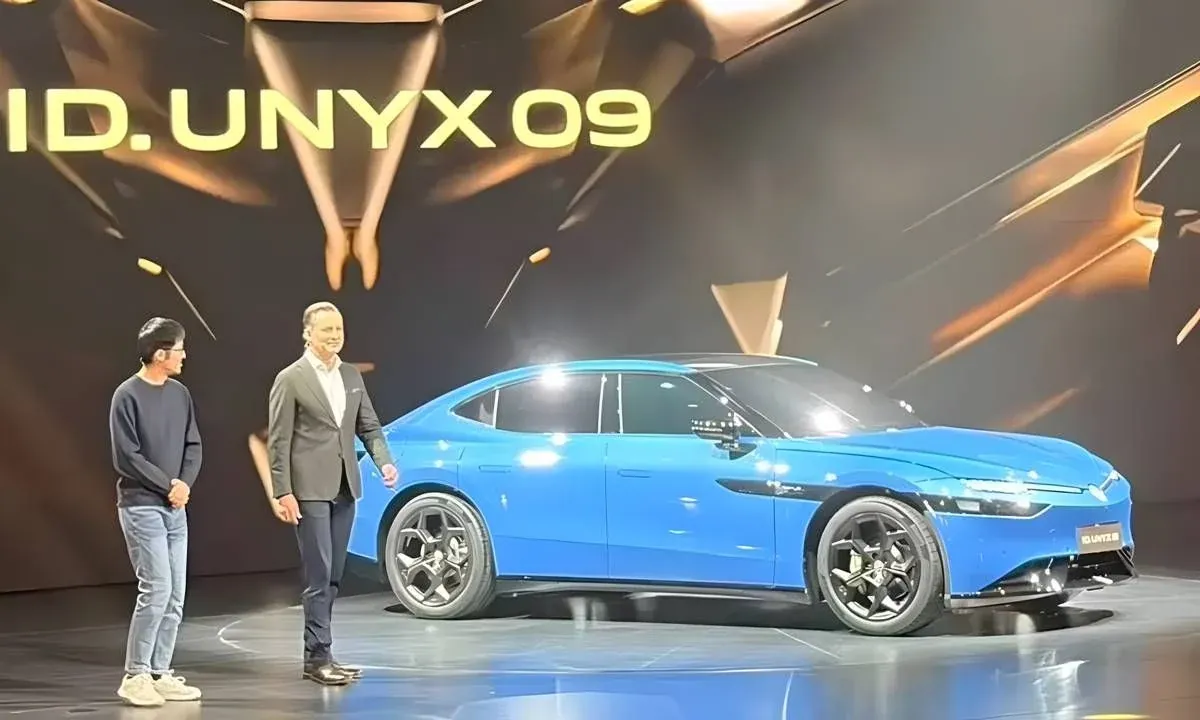
From this strategy emerged ID. UNYX, a new family of models introduced in 2024 aimed at moving away from Volkswagen’s more conservative image. The company even turned to collaboration with XPeng to accelerate the development of new products and leverage the technological expertise of one of China’s most advanced automakers.
But the results have been disastrous. According to a report by Reuters, Volkswagen Anhui has no new launches planned for 2027 or 2028. Management reportedly believed that the four models in its lineup were sufficient to strengthen the brand, but market response has shown that these projections were overly optimistic.
This is particularly striking in a market like China, where new launches and model updates occur almost every six months.
A factory capable of producing 350,000 cars per year with few buyers
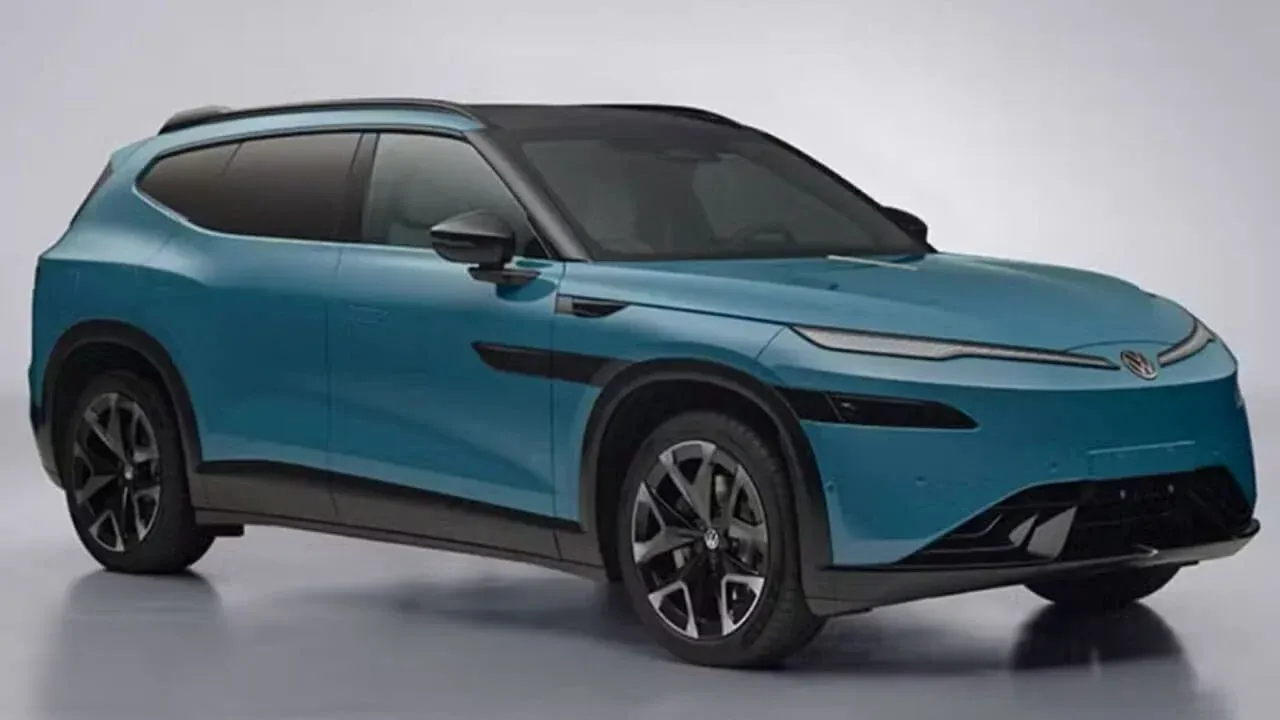
The figures illustrate the scale of the problem. From January to September 2026, Volkswagen Anhui sold only 11,360 cars from the ID. UNYX series, according to data from consultancy ThinkerCar cited by Reuters.
This is a very low volume for a company that has made multimillion-dollar investments and owns a factory with the capacity to produce up to 350,000 cars per year. Currently, this facility is operating far below its potential.
Volkswagen’s internal plans, outlined in a document from late October, call for producing around 33,000 units of the ID. UNYX in 2026. The same facility also manufactures the Cupra Tavascan for export, with another 33,000 units planned for that year.
Even when combining both models, the annual production would amount to roughly 66,000 units, which means using less than 20% of the plant’s maximum capacity. This presents a challenge in making such a large industrial investment profitable.
Yet what’s most striking is that Volkswagen maintains exceptionally ambitious growth targets. According to the internal document reviewed by Reuters, the company aims to sell 128,000 ID. UNYX cars by 2027.
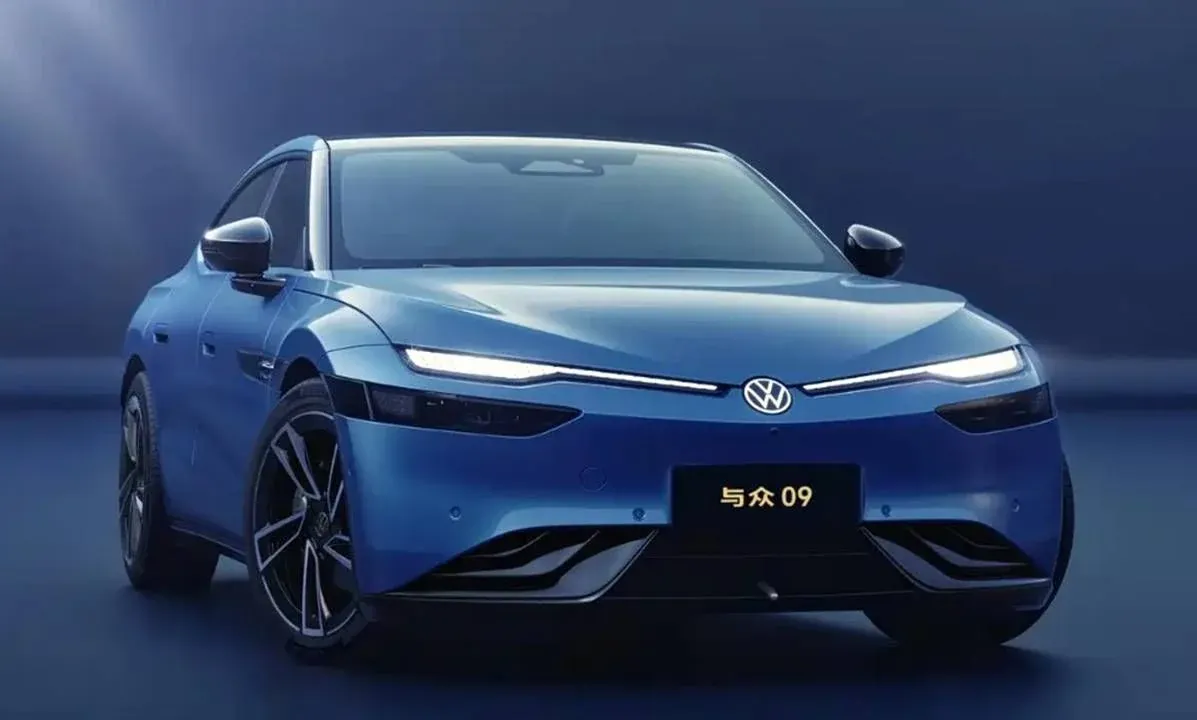
To understand what this goal entails, it’s sufficient to compare the figures. In the first nine months of 2026, just over 11,000 units were delivered, while for the coming year, several times that volume is expected. All of this apparently without any new generation models to rekindle buyers’ interest.
One of the products meant to change this situation was the Volkswagen ID. UNYX 08, an electric SUV developed in collaboration with XPeng and presented as one of the first outcomes of the German manufacturer’s new technological strategy.
However, its commercial launch in April has failed to generate the expected momentum. Sales remain below targets, even though the model incorporates technologies and solutions developed specifically to compete in China’s demanding market.
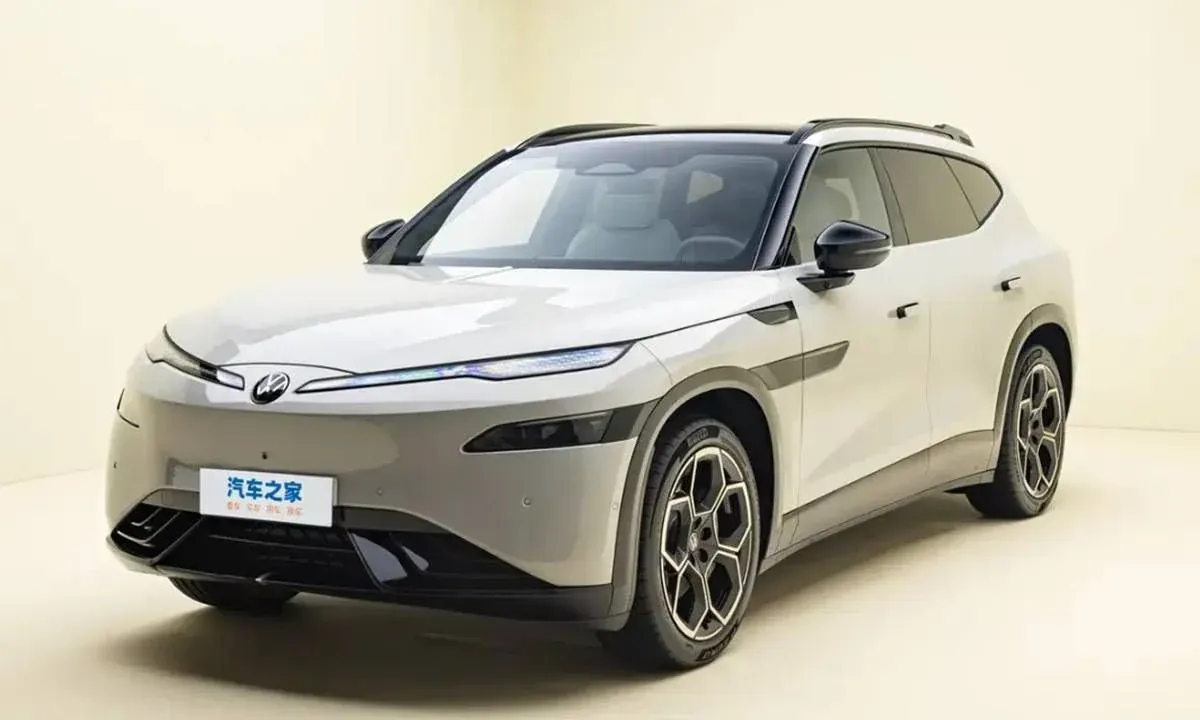
The company had also considered introducing a new crossover in 2028, but that project appears to have stalled. This decision could leave Volkswagen Anhui relying for too long on a lineup that is already struggling to find buyers.
The Chinese market doesn’t allow much room for reaction. Manufacturers such as BYD, Geely, Xiaomi, Leapmotor, and XPeng are constantly launching new models, versions, and updates, introducing improvements in range, charging capabilities, equipment, and driver assistance systems.
In this context, having no major new releases for two years can become a significant problem. Chinese buyers, especially the younger ones, are accustomed to much faster technological advancements compared to what’s typical in Europe, where car product cycles are usually considerably longer.
The problem isn’t limited to Volkswagen Anhui either. According to data from the China Association of Automobile Manufacturers cited by Reuters, Volkswagen sold just over 1.3 million cars in China from January to September, representing a 30% decline compared to the same period last year.
The weakness in its Chinese business is also affecting the group’s financial results. Volkswagen has cited the deterioration of its operations in China as one of the factors contributing to its financial difficulties, at a time when it is also undergoing a major industrial restructuring.