
Volkswagen reverses course and brings back the electric Golf
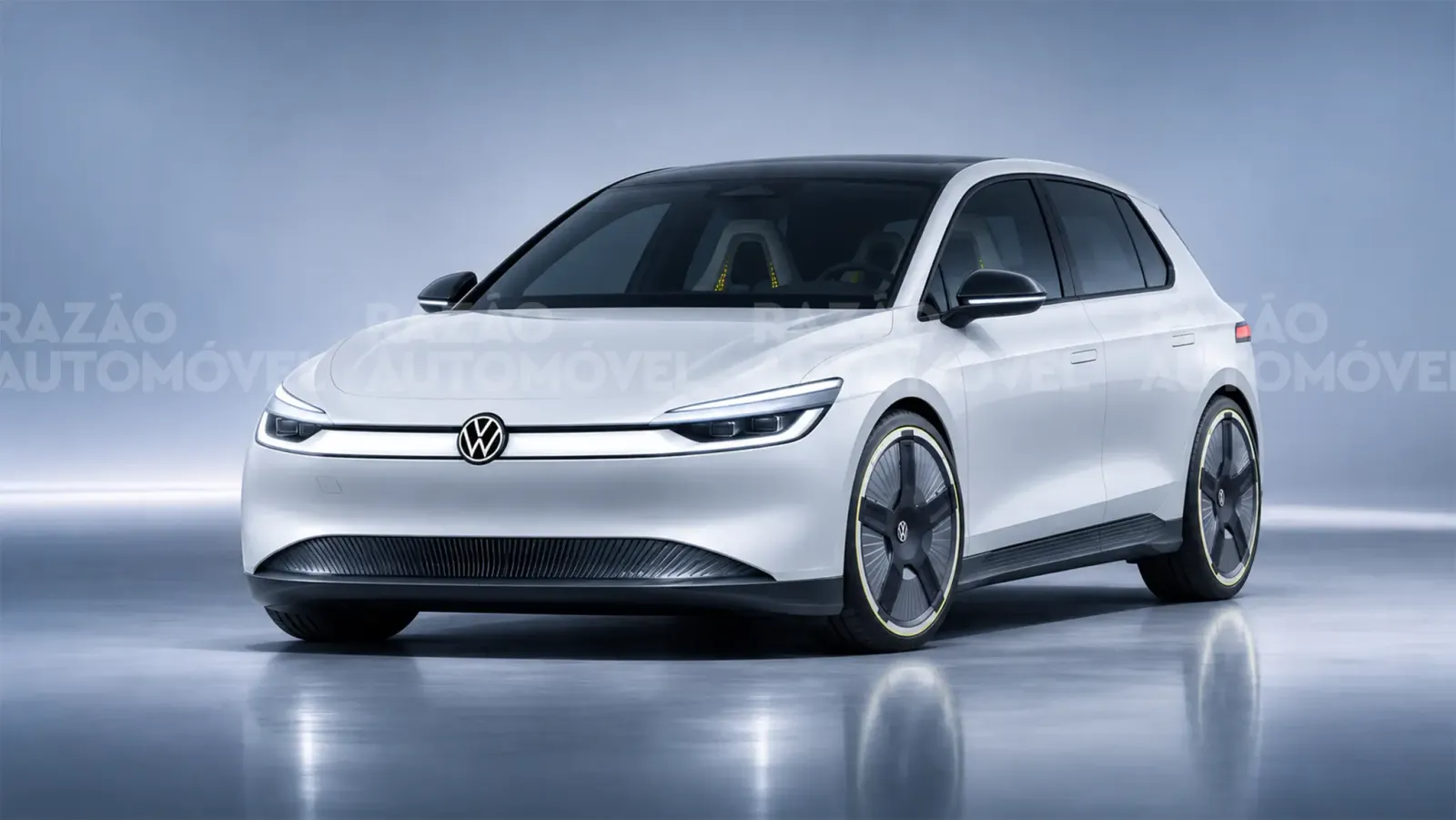
Volkswagen has not given up on the electric Golf, but the crisis forced it to abandon a technology that promised to revolutionize its production.
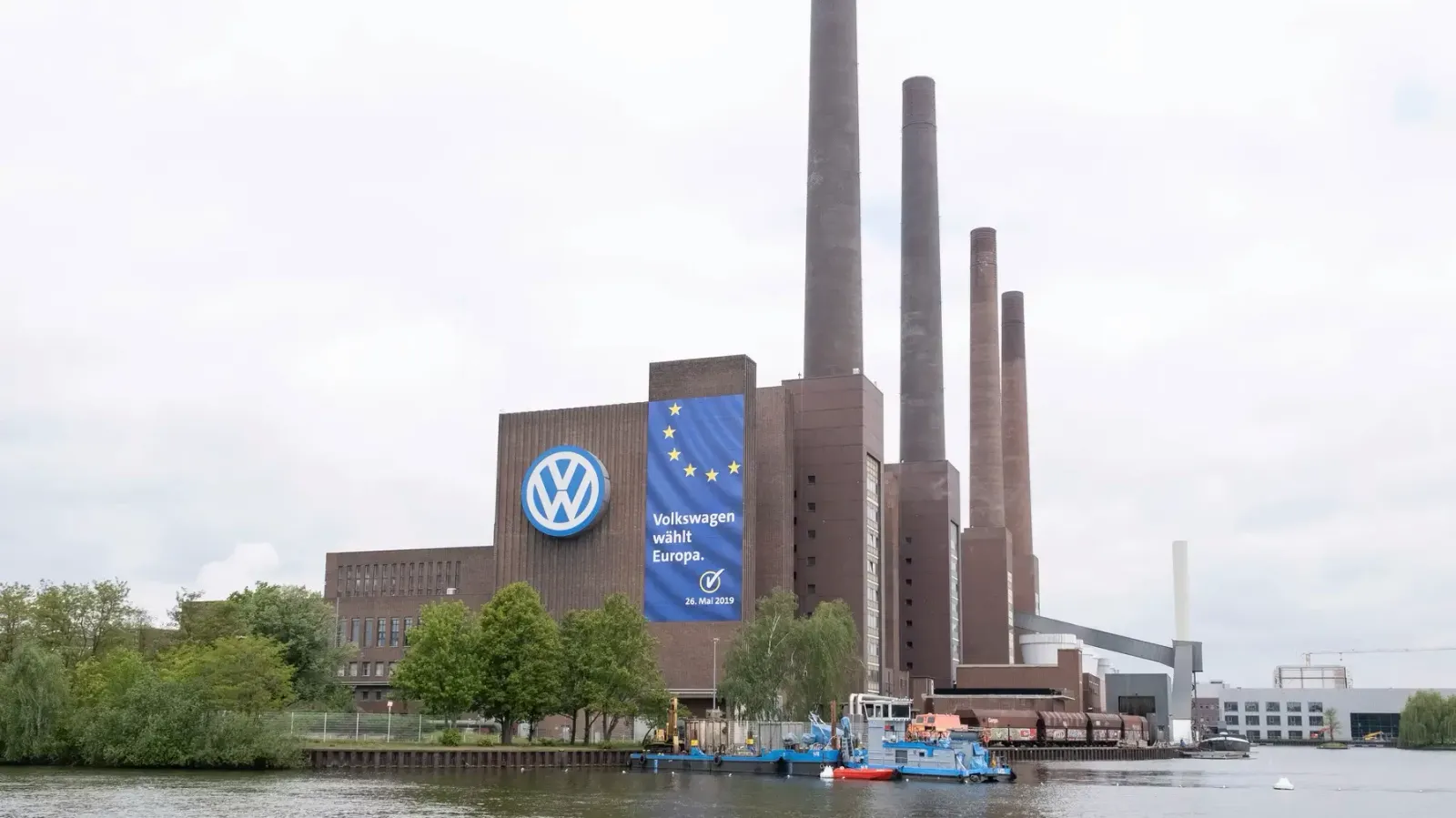
Volkswagen is discovering that transforming Europe’s largest automotive group could prove more expensive than it can afford. After temporarily suspending the development of the future electric Golf, it has now turned to cutting costs on an ambitious modernization project for its factory in Wolfsburg, Germany.
Called Gamechanger, this project aimed to transform the production processes at Volkswagen’s main factory, preparing it to accommodate a new generation of electric vehicles, including the Golf.
The project has now been abandoned in its original form due to financial reasons, according to Reuters. The SSP platform, which will serve as the foundation for these models, remains on track. What changes are the production technologies.
Farewell to a technology that promised to cut costs
Gamechanger relied on the introduction of megacasting technology as its core feature. This is a process of casting large structural components from aluminum, popularized by Tesla, which allows manufacturers to produce in a single piece components that traditionally require dozens of individual parts.
The goal is to reduce complexity and production times, making car manufacturing more efficient and cheaper. This is even more crucial for electric vehicles, allowing for the offset of the high cost of high-voltage batteries.
To achieve this, Volkswagen was preparing to build a new foundry in Wolfsburg. Construction was set to begin next week (on November 16), but it will no longer take place.
Volkswagen justified the decision with the group’s difficult economic situation. Future electric vehicles will continue to use the SSP platform, developed to succeed the current MEB and PPE platforms, but they will be produced using more conventional methods.
It remains contradictory that Volkswagen wants to reduce production costs for its electric vehicles yet needs to forgo investments that could help achieve that goal.
Discover your next car:
The crisis has hit Volkswagen at its core
The scale of the crisis helps explain these decisions. In the third quarter of 2026, the Volkswagen Group recorded operating losses of 5860 million euros. The Wolfsburg factory, in particular, fell short of its cost reduction targets by about 300 million euros.
Cost cuts are part of the largest restructuring plan ever undertaken by the German group, which could result in the elimination of nearly 100,000 jobs and a reduction of up to half of its model lineup by 2035.
The abandonment of the Gamechanger also added another source of tension with the unions. Daniela Cavallo, president of the workers’ council, believes the decision represents a break from the labor agreement of December 2024. She has warned that until clarifications are provided, she will oppose the transfer of production of the current gasoline-powered Golf to Mexico, scheduled for 2027.
What about the future electric Golf? After announcing the suspension of its development in early November, Volkswagen has not given up on the model or the SSP platform that will serve as its basis.
The launch, which has already been delayed several times, is now expected at the beginning of the next decade. Until then, the current Golf will continue to be produced, while the ID.3 ensures Volkswagen’s presence in the compact electric family car segment.