
The EU delays tariffs on British electric vehicles, while London eases the path to zero emissions
In the article:
Why is the European Union planning to delay tariffs on cars from the Islands?
How are Britain’s electric car sales quotas changing?
How are Chinese manufacturers dominating the UK market?
Brussels and London soften their stance
Under the post-Brexit trade agreement between the European Union and Britain, for an electric car to qualify for a zero tariff rate, at least 55 percent of its value must come from EU countries or the Islands. For battery cells and modules, this threshold is 65 percent, and for entire battery packs, it rises to 70 percent.
As Reuters recalls, stricter regulations were set to take effect after a three-year transition period, that is, starting in January next year, imposing a 10 percent tax on as much as 70 percent of electric and plug-in hybrid models in bilateral trade.
Such a scenario would mean a severe financial blow. The British Society of Motor Manufacturers and Traders (SMMT) warned back in June that without changes to the requirements regarding the local origin of components, manufacturers would have to pay £1.4 billion in tariffs. It’s no wonder Brussels is currently consulting with the industry regarding another delay of these fees. According to ACEA, the European Union and the United Kingdom remain each other’s largest export markets for electric vehicles.
Britain’s Shift Away from Ambitious Goals
The customs rebate from the EU coincides with a noticeable slowdown in the transformation process within the islands themselves. As reported by the Financial Times, Andy Burnham’s Labour government is preparing to lower the target for fully electric cars in new vehicle sales set for 2030 from 80 percent to 60 percent. This would mark the third downward revision of these targets in the past three years.
Traditional automakers have long complained about demand falling short of projections, high energy costs, and insufficient charging infrastructure outside cities. According to data from the Zapmap app, there is only 1.82 public charging points per thousand residents there, while in the Netherlands, Belgium, or Denmark, this figure ranges from six to ten — according to ChargeUp Europe.
However, easing the regulations has sparked fierce opposition from climate advocates. Nigel Topping, chair of the Climate Change Committee, defended the existing ZEV (Zero Emission Vehicle) mandate during COP31 in Turkey, asking rhetorically, “It works, it saves people money, it frees us from gasoline, and it improves energy security. What’s the logic in slowing down this process?” writes the FT.
China’s offensive exposed the West’s weaknesses
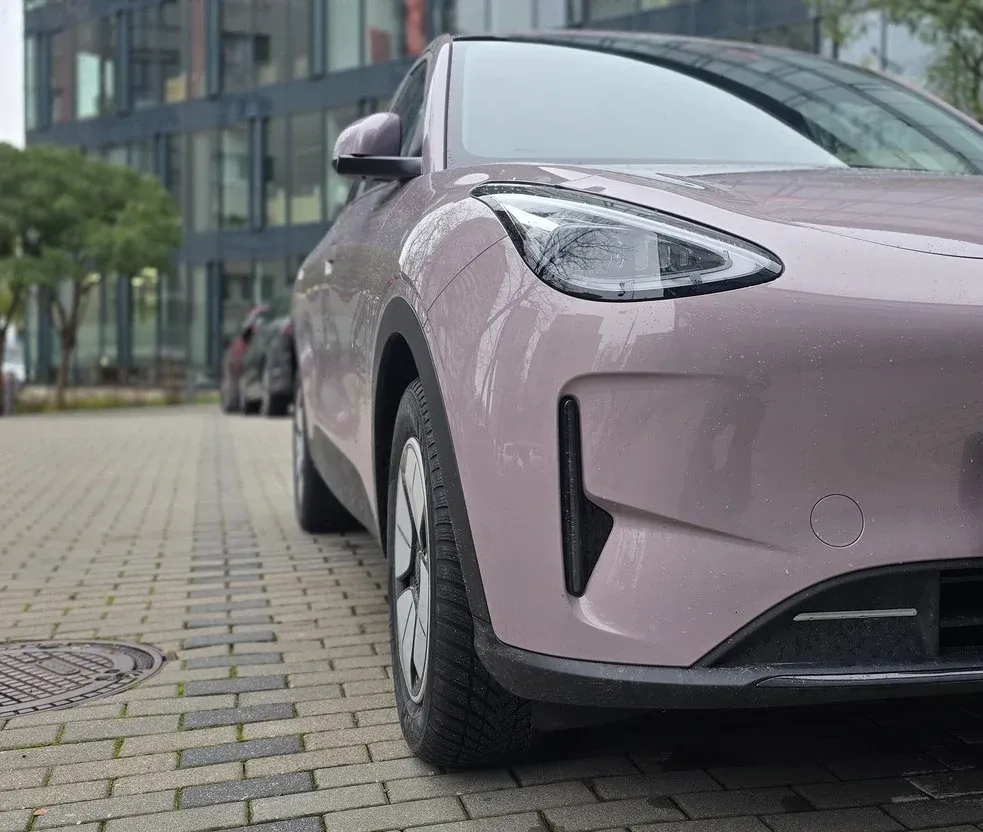
Companies’ claims of lack of interest in electric vehicles are challenged by the performance of brands from China. Unlike the European Union, London has not imposed additional tariffs on Chinese electric cars. As a result, manufacturers such as BYD and Chery have already captured 22 percent of the British market this year thanks to their affordable hybrids and electric vehicles.
Aston Martin’s former president Andy Palmer told the Financial Times that while the initial goals might have been too ambitious, the manufacturers themselves must take responsibility for the delays. “Chinese competition has exposed how slowly some have been moving,” said Palmer. Renault’s president François Provost also admitted in the newspaper that although he believes in the success of electrification, “one must be somewhat realistic.”
Conclusions?
Western companies have favored more expensive nickel batteries for years, while China has dominated the production of cheaper lithium-iron-phosphate cells. It was only a recent shift in strategy that allowed European brands to introduce cheaper models such as the Renault 5 and Volkswagen ID. Polo.
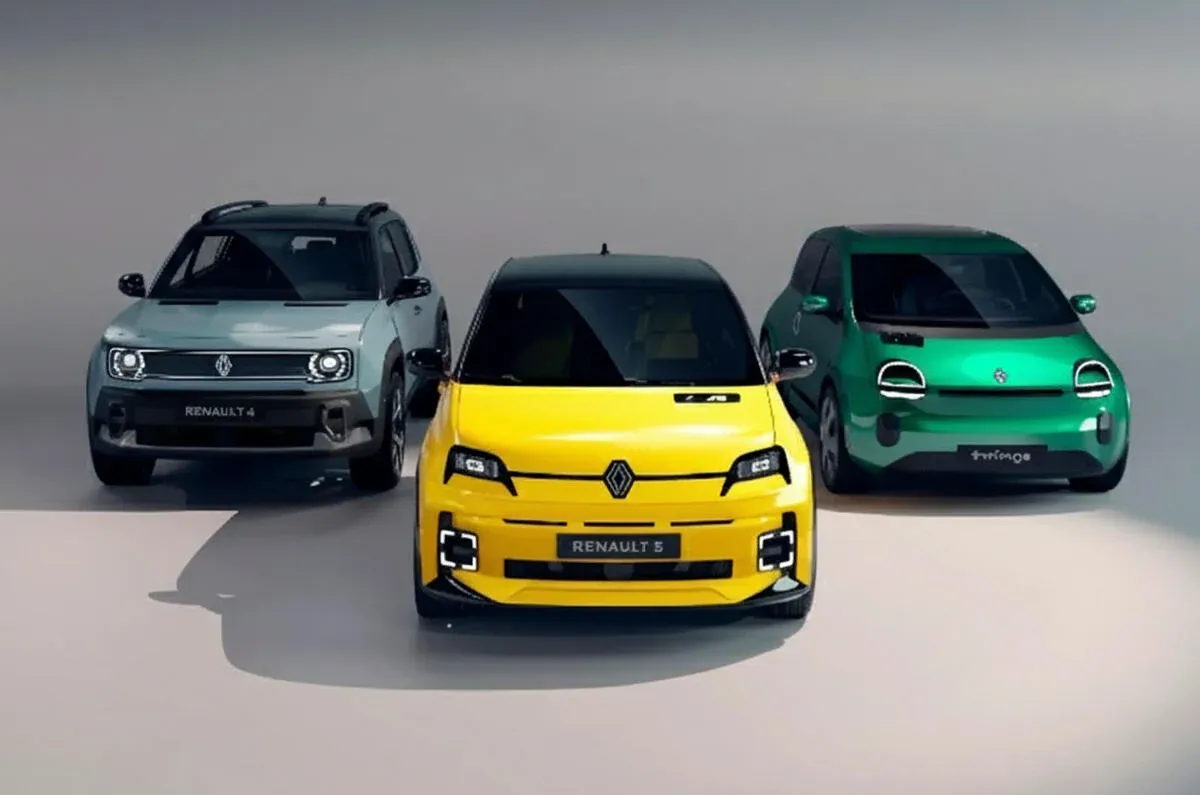
According to Auto Trader, there are already 45 electric models available in the British market under 30,000 pounds, ten of which come from China. The price gap between electric and gasoline vehicles has dropped from 34 percent at the end of 2023 to the current 14 percent. Nevertheless, as Philip Nothard of analytics firm Cox Automotive notes, the revision of the British mandate is primarily aimed at aligning local policies with those of the EU and giving European manufacturers a breather in facing new competitors.
Oskar Włostowski