
Tiny bubbles can increase electricity consumption by over 50% to produce green hydrogen
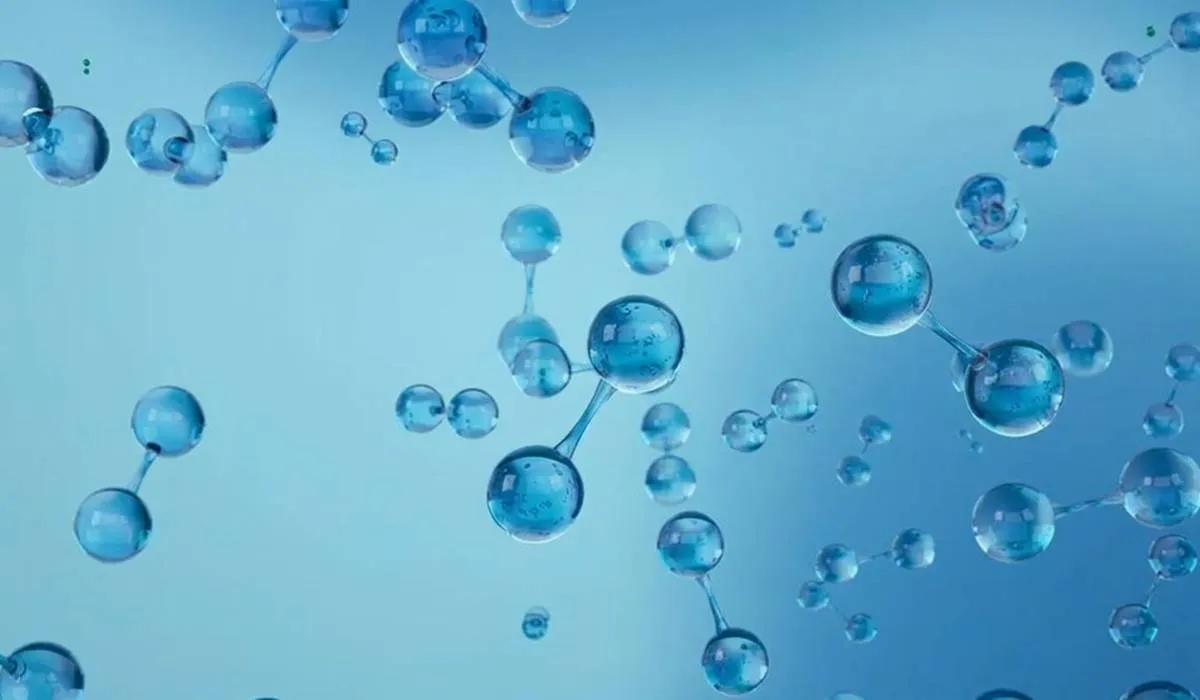
Green hydrogen faces a significant challenge: producing it requires large amounts of electricity, which increases its cost and makes it difficult to compete with other energy alternatives. Therefore, any advancement that can reduce the electricity consumption of electrolyzers is particularly important for the future of this technology.
Now, a team of researchers from Cornell University in the United States and the City University of Hong Kong has identified one of the causes of these energy losses. Interestingly, the problem lies in something as small as the bubbles that form during the water electrolysis process.
Scientists have developed a three-dimensional computer model that allows them to study how these bubbles affect the operation of electrolyzers. The results show that, when they reach a certain size, they can cause increases of over 50% in the electrical voltage required to maintain the reaction, opening the door to significant improvements in the design of these devices.
The problem of bubbles in green hydrogen production
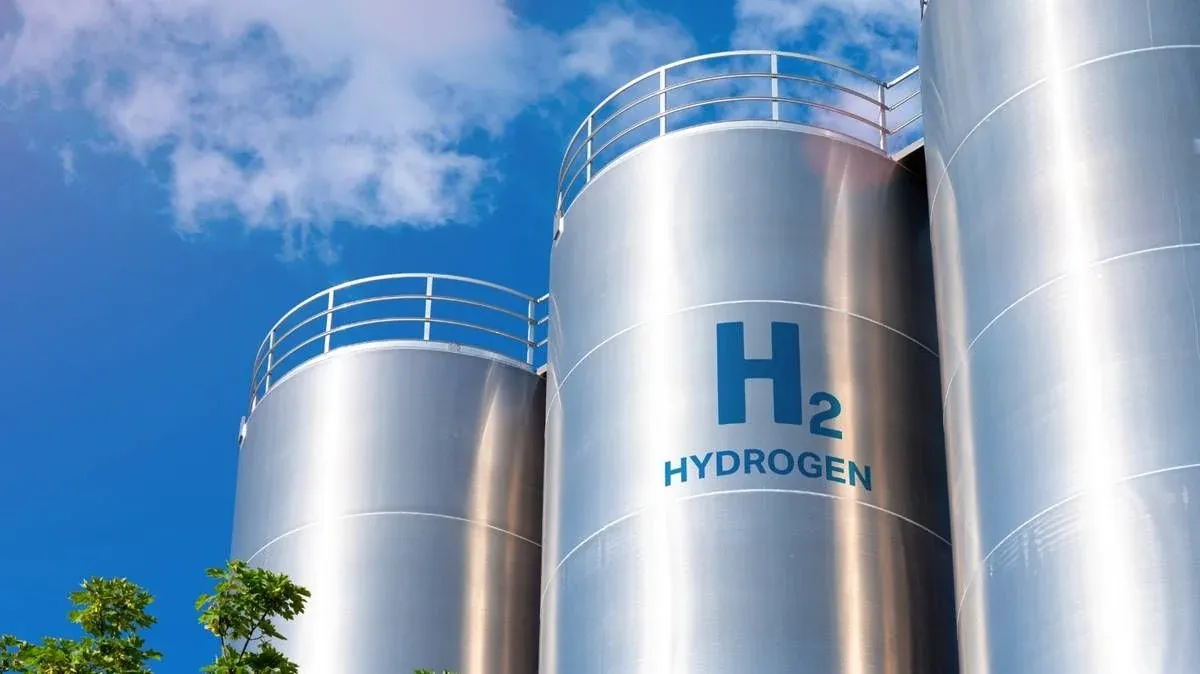
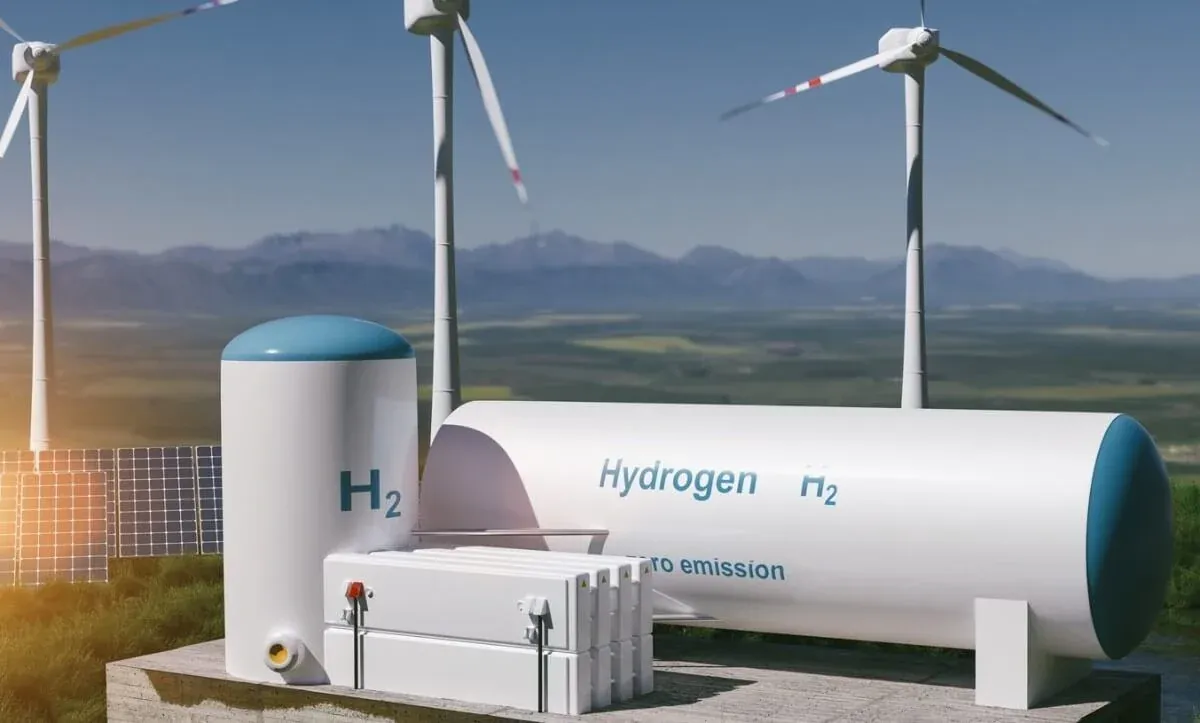
To produce green hydrogen, electricity from renewable sources such as solar or wind power is used to split water into hydrogen and oxygen. This process, known as electrolysis, is carried out using devices called electrolyzers.
During operation, the gases generated form small bubbles on the surface of the electrodes. These bubbles grow until they break free and rise through the liquid, but while still attached, they can hinder water contact with the areas where chemical reactions occur.
This causes part of the active surface to become blocked, increasing the resistance to current flow. As a result, the electrolyzer needs to apply a higher voltage to produce the same amount of hydrogen, raising the process’s electricity consumption.
Until now, researchers had tried to address this issue by modifying the shape of the electrodes, their materials, and water flow. However, it was difficult to accurately calculate how much each bubble affected energy efficiency.
A discovery that could significantly reduce electricity consumption
To solve this problem, researchers have developed a three-dimensional mathematical model that replicates the behavior of bubbles on the electrodes. This tool allows them to analyze microscopic processes and determine how they influence the system’s electrical demands.
The results have enabled the identification of a critical bubble size beyond which losses increase rapidly. When bubbles remain below this threshold, the additional increase in tension can be kept within 3%.
However, once they exceed this size, the required tension increases exponentially. Under certain conditions, researchers observed that a single bubble could cause a rise of over 50% in tension compared to when it is absent.
The key is to ensure that bubbles detach from the electrodes before reaching this critical size. To achieve this, scientists propose developing new geometries and surfaces that facilitate their removal, thereby reducing energy losses during hydrogen production.
A 1,000 times faster model for developing efficient electrolyzers
Another interesting aspect of this research is the computer tool used. Scientists have developed a system that functions as a digital twin of an electrolyzer, replicating its materials, geometry, and operating conditions.
Thanks to this model, they can study bubble behavior and test different designs without having to physically create each prototype. Additionally, they have managed to reduce computational effort by approximately 1,000 times while maintaining calculation accuracy.
The next step will be to expand the simulations to analyze how multiple bubbles interact, how they grow, and how they combine with each other. They also want to combine this technology with optimization tools and 3D printing to develop electrodes that facilitate the release of gases.
A significant advancement toward cheaper green hydrogen
The importance of this discovery is directly related to production costs. Currently, producing one kilogram of hydrogen through electrolysis typically requires between 50 and 60 kWh of electricity, depending on the technology used.
This means that, with an electricity price of 50 euros/MWh, electricity alone accounts for between 2.50 and 3 euros per kilogram of hydrogen produced. To this amount must be added the investment in electrolyzers, their maintenance, and other operating costs.
Therefore, improving energy efficiency can have a significant impact on the competitiveness of this technology, especially in large industrial facilities that produce thousands of tons of hydrogen per year.
The advancement developed by Cornell opens up a new path to achieving this goal. Rather than focusing solely on new materials or electrolysis technologies, researchers have shown that optimizing bubble formation and evacuation can be crucial for reducing electricity consumption.
An improvement that could help make green hydrogen more competitive in sectors such as steelmaking, the chemical industry, or fertilizer production, where replacing hydrogen derived from fossil fuels represents one of the major challenges in decarbonization.
Source | Pubs.rsc