
A cement manufacturer will replace 410 diesel trucks with electric ones to save 11,000,000 liters of fuel per year.
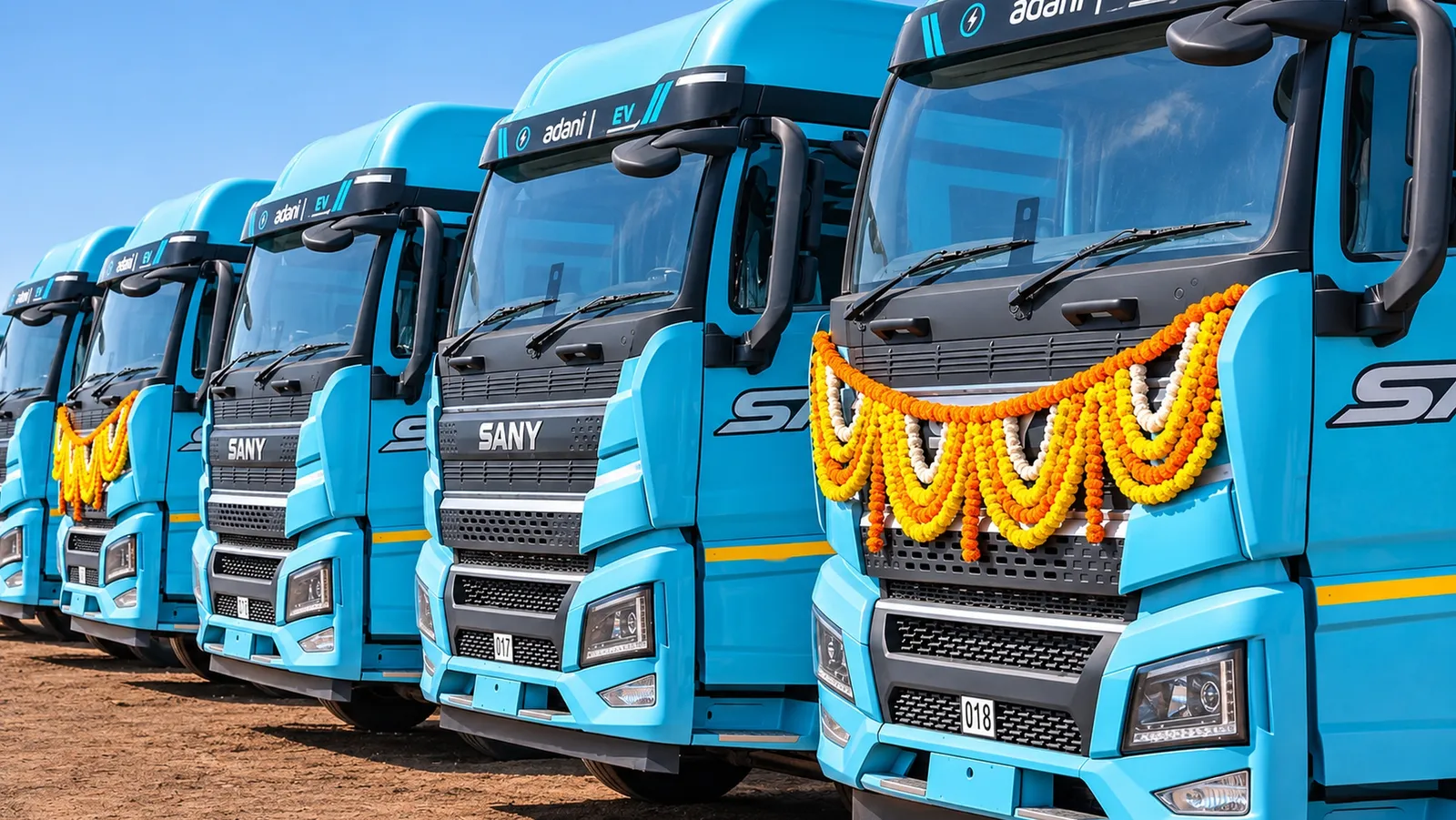
The transportation of construction materials is one of the industrial activities that rely heavily on diesel trucks. The large volumes of goods that need to be moved between factories and distribution centers make fuel consumption a significant expense for companies. Adani Cement, one of India’s largest cement manufacturers, has announced a plan to change this situation by introducing 410 heavy electric trucks, with which it aims to replace 11,000,000 liters of diesel consumption per year.
The company has begun using its first industrial electric vehicles at its Sanghi facility, located in the state of Gujarat in western India. The project is intended for transporting clinker, an intermediate material used in cement production, as well as finished products. Deployment started on November 18th last year and marks the first integration of electric trucks into Adani Cement’s transportation system.
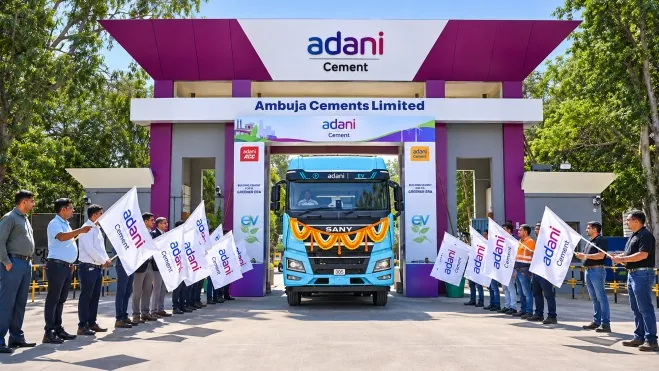
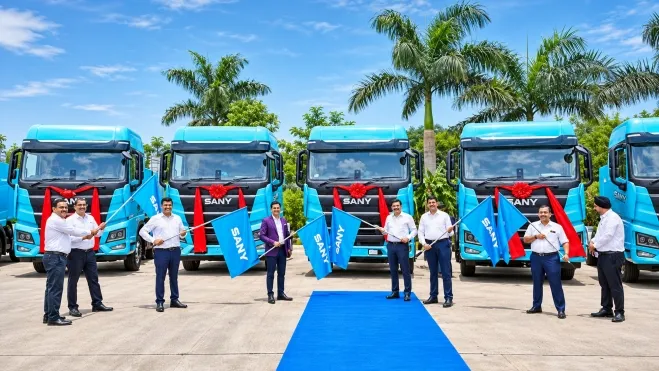
The goal of this initial phase is to have 410 electric vehicles in operation by the end of March 2027. Therefore, the savings figures announced do not yet reflect actual results, but rather the company’s projections once the entire fleet has been deployed. Adani Cement intends to expand the use of these trucks to other plants and industrial routes across the country in the future.
A projected annual savings of 11,000,000 liters of diesel
According to estimates provided by Adani Cement, using the 410 electric trucks would prevent the consumption of diesel equivalent to 11 million liters per year. The company also calculates that carbon dioxide emissions reductions could exceed 25,000 tons annually, provided that the conditions outlined in its usage and energy supply projections are met.
This initiative serves both environmental and economic goals. In its official statement, Adani Cement notes that diesel prices have risen by 60% over the past decade, while the cost of lithium-ion battery packs has decreased by approximately 70%. Meanwhile, solar energy costs have dropped by 47%, according to data used by the company.
The combination of these factors is changing the economic analysis of industrial transportation. Although electric trucks require an initial investment and appropriate charging infrastructure, the lower cost of electricity compared to diesel fuel can be attractive for certain transportation operations. This advantage depends on variables such as the distance traveled, the load carried, energy prices, and vehicle efficiency.
Vinod Bahety, CEO of Adani Group’s cement business, explained that the company has already identified various routes across India where it considers it feasible to introduce electric trucks. The executive stated that replacing diesel vehicles can help reduce the carbon footprint as well as shield logistics costs from fluctuations in fuel prices.
The goal is to exceed 2,000 electric trucks by 2030
Sanghi’s project is merely the first phase of a broader transformation. Adani Cement has set a target to have over 2,000 electric vehicles in its logistics operations by 2030. If this plan is fulfilled, the company expects electric trucks to account for approximately 10% of the goods transported by road within its operations.
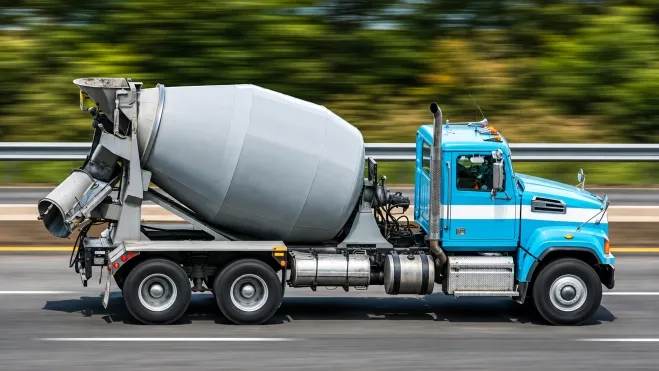
This decision is particularly significant given the characteristics of the cement industry. India is the world’s second-largest cement producer and needs to transport huge quantities of raw materials and finished products. Much of this transportation is done by road, making the electrification of trucks one of the possible ways to reduce indirect emissions associated with the manufacturing and distribution of construction materials.
Adani Cement is also developing various initiatives related to renewable energy and the recovery of waste heat from its industrial processes. These include investments in approximately 1 GW of renewable capacity and a goal of achieving 376 MW of waste heat recovery by the 2028 fiscal year. The company aims to achieve climate neutrality by 2050, although freight transportation accounts for only a portion of the emissions associated with cement production.
The company claims that trucks powered by electricity from renewable sources can eliminate the direct emissions associated with diesel consumption during use. However, the overall environmental impact also depends on the manufacturing of the vehicles, the batteries, and the source of electricity used to charge them. In any case, the plan to introduce 410 electric trucks and avoid annual diesel consumption equivalent to 11,000,000 liters represents one of the industry’s efforts to promote electrification in heavy transportation in India.