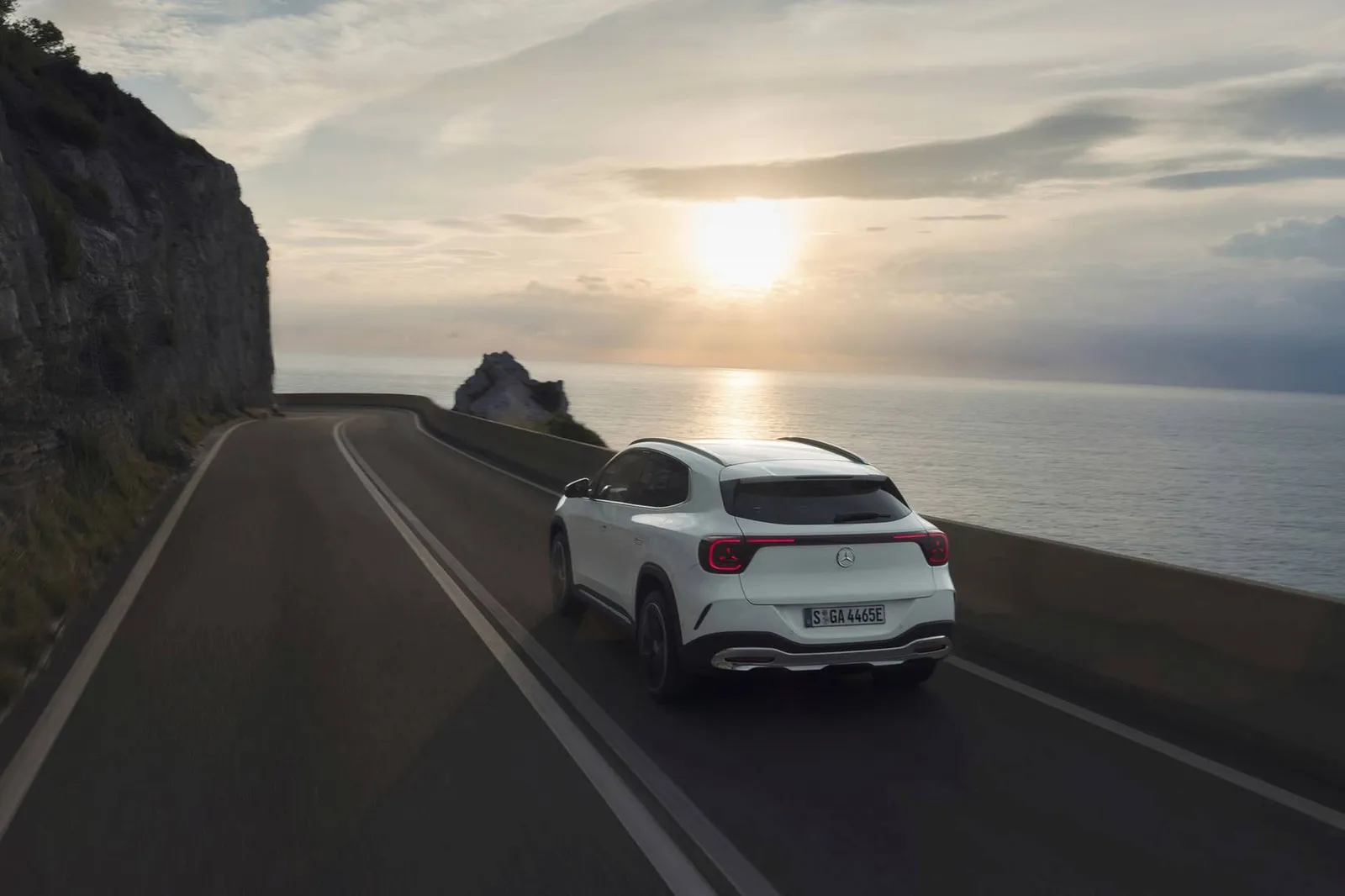
Mercedes GLA 350 4Matic Test: Is All-Wheel Drive Necessary?
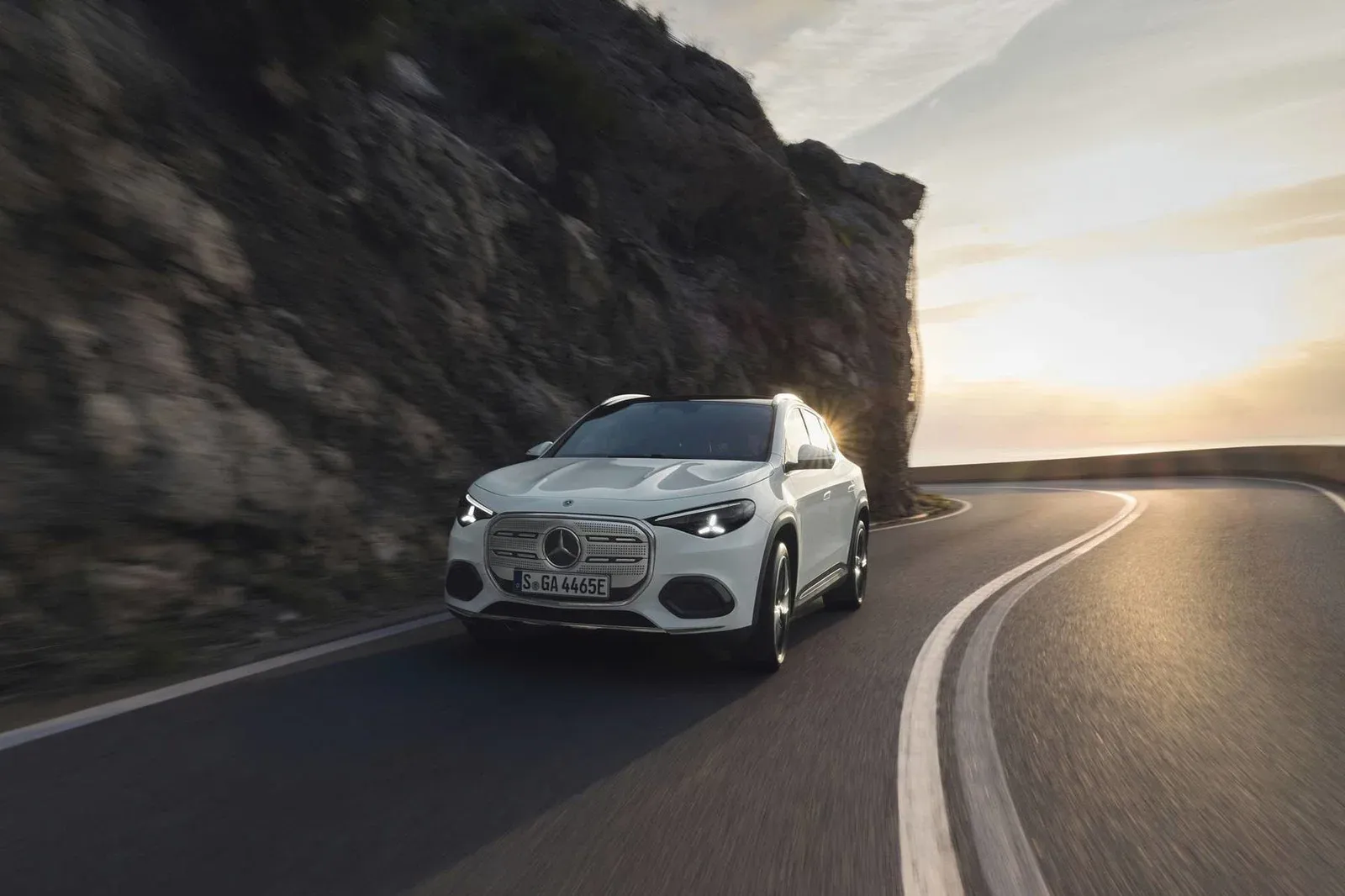
Mercedes is reorganizing its compact car segment. The EQA will not have a separate successor. Instead, the GLA will first be launched as a fully electric model in November, with hybrid versions following in 2027 — but only using 48-volt technology. A plug-in hybrid is not planned. “We don’t want to become dependent on subsidized technologies,” explains GLA product manager Stefan Ebner. From the Stuttgart automaker’s perspective, abandoning a partial electric version makes sense due to the high technical costs and low projected sales figures if government subsidies are removed.
The GLA uses Mercedes Modular Architecture (MMA), which is designed for both electric and hybrid powertrains. In its all-electric version, the GLA adopts the 800-Volt architecture from the CLA. This gives the Swabian crossover an advantage when it comes to charging, enabling a maximum DC charging capacity of 320 kilowatts. As a result, the NMC battery of the GLA 350 4Matic, with a usable capacity of 85 kilowatt-hours, can be charged from 10 to 80 percent in 22 minutes. To charge using 400-Volt chargers, an optional converter is required, which costs an additional 654.50 euros.
The same amount must be paid if one wants to charge via a wall box using 22 kW instead of 11 kW. With 11 kW, it takes nine hours to reach 100 percent charge. With 22 kW, it takes 4 hours and 45 minutes. The maximum WLTP range of the GLA 350 4Matic is 643 kilometers. The range leader in this series, the GLA 250+ equipped with only a rear motor, can cover up to 657 kilometers with the same battery.
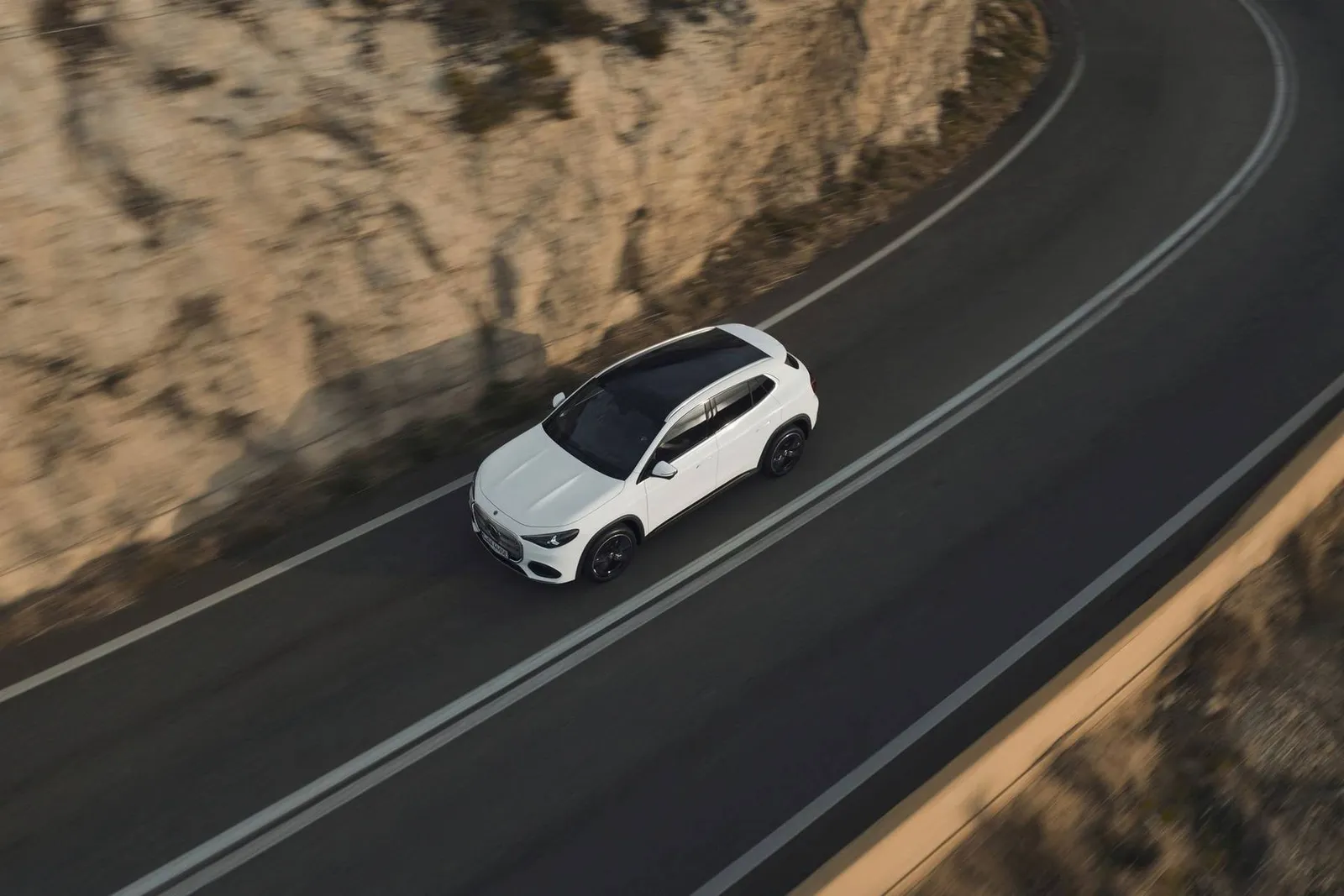
The small difference in range between the all-wheel-drive and rear-wheel-drive versions is due to the mechanical decoupling of the front PSM unit. This is more efficient than an ASM unit that is switched off purely electronically, as in the Audi Q4 e-tron. Therefore, in the GLA, the drive shafts and the engine’s weight of around 50 kilograms negatively impact efficiency. The all-wheel-drive system of the GLA 350 4Matic has a power output of 260 kW / 354 HP. A two-speed transmission is used on the rear axle. With this setup, the 2235-kilogram electric vehicle can accelerate from 0 to 100 km/h in 5.4 seconds and reaches a top speed of 210 km/h.
GLA Project Leader: “Steel is honest”
For the suspension, the engineers rely on steel springs, which can be combined with adaptive dampers if desired. “Steel is honest,” smiles Oliver Zolke, the project leader for the MMA platform’s development. This engineering wisdom is certainly true. However, the truth is also that air springs would have been more expensive. And the GLA 350 4MATIC, priced at 58,107.70 euros, is by no means a bargain. But the air chambers aren’t even necessary, as the suspension performs admirably even without them. According to Mercedes’ guidelines, comfort means comfort. That’s why the chassis is decoupled in the corresponding driving mode, allowing it to follow uneven surfaces as it passes over them.
In sports mode, the suspension is better tuned without being uncomfortable. We found this setting pleasant. However, the adjustable dampers are only available with the 20-inch wheels. With the Progressive-Line package, these cost an additional 1547 euros, and the adaptive suspension adds another 737.80 euros. It’s a costly upgrade for comfort. Alternatively, one can use 18- or 19-inch tires.
Power isn’t an issue anyway. The GLA 350 4Matic handles traffic quite swiftly. This 4.57-meter-long all-wheel-drive vehicle remains stable and predictable even in tight curves. When driving more sportily, the rear end cooperates nicely at the curve entrance, before the front end tends to drift toward the road edge as acceleration increases. Nevertheless, the Mercedes SUV stays always controllable, with its stability systems ready to assist without compromising agility. After our test drive, we recorded a fuel consumption of 17.9 kWh/100 km — only 0.3 kWh/100 km higher than what the specifications indicate. For comparison, we tested the GLA 250+ (price: 54,978 euros), which was equipped with the same suspension system. Its 200 kW / 272 hp is more than sufficient, especially since the rear end also plays an active role here.
Sporty, but not a Mini-GLB
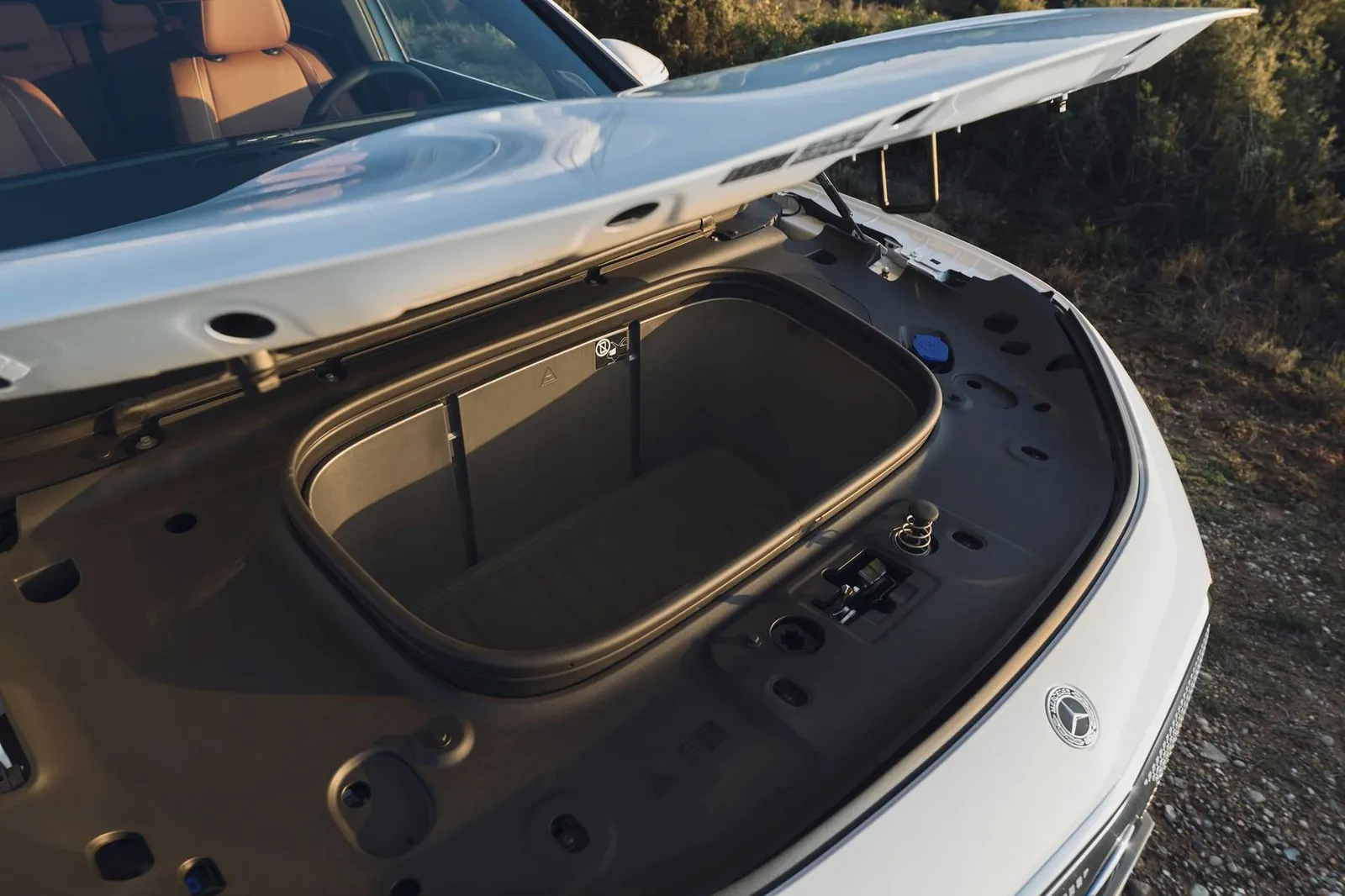
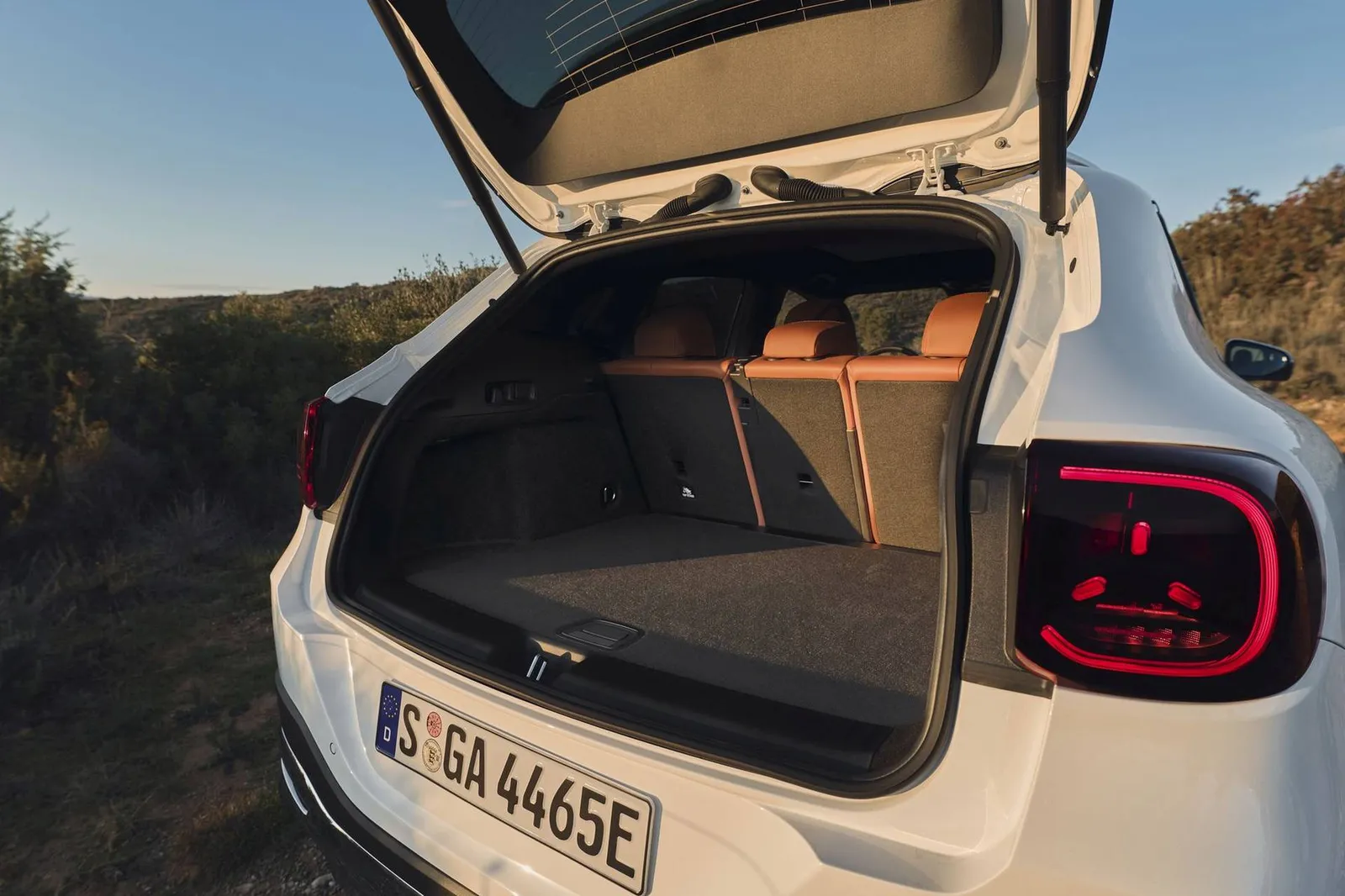
"We deliberately made the GLA more sporty than the GLB," explains Oliver Zolke. Is the GLA then a mini GLB? As soon as this question is raised, Mercedes managers respond with an almost indignant "No." They are determined to avoid cannibalizing between these two model lines. At 4.57 meters in length, this compact electric vehicle is about 17 centimeters shorter than the GLB, which offers seven seats upon request. The GLA can accommodate up to five seats at most. However, there is no lack of space—even people over 1.85 meters tall can find enough room in the back seat. The trunk has a decent capacity of 410 liters, which increases to up to 1,400 liters when the rear seats are folded down. The flat loading floor is convenient. The front trunk holds 107 liters, sufficient for various small items.
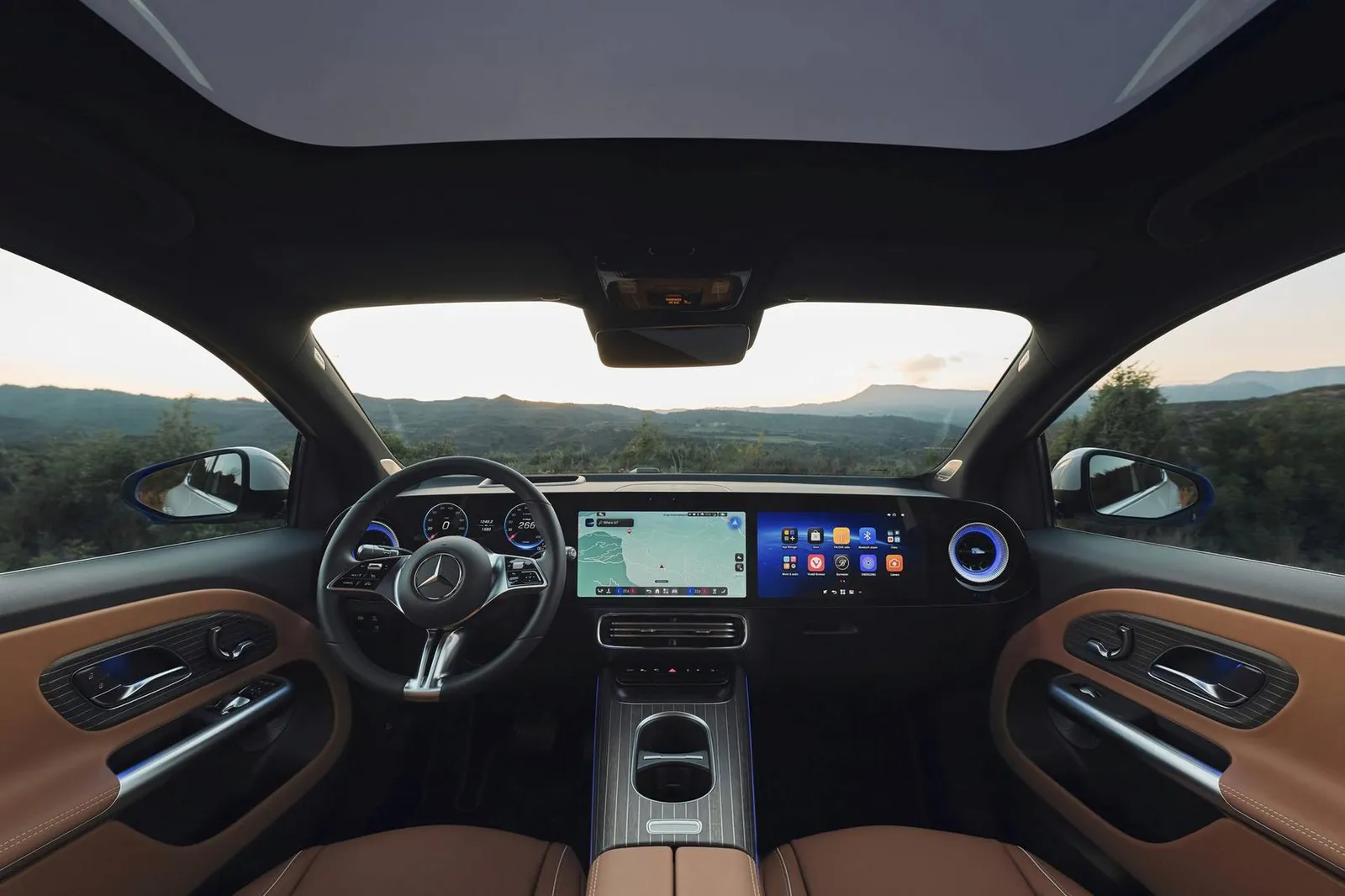
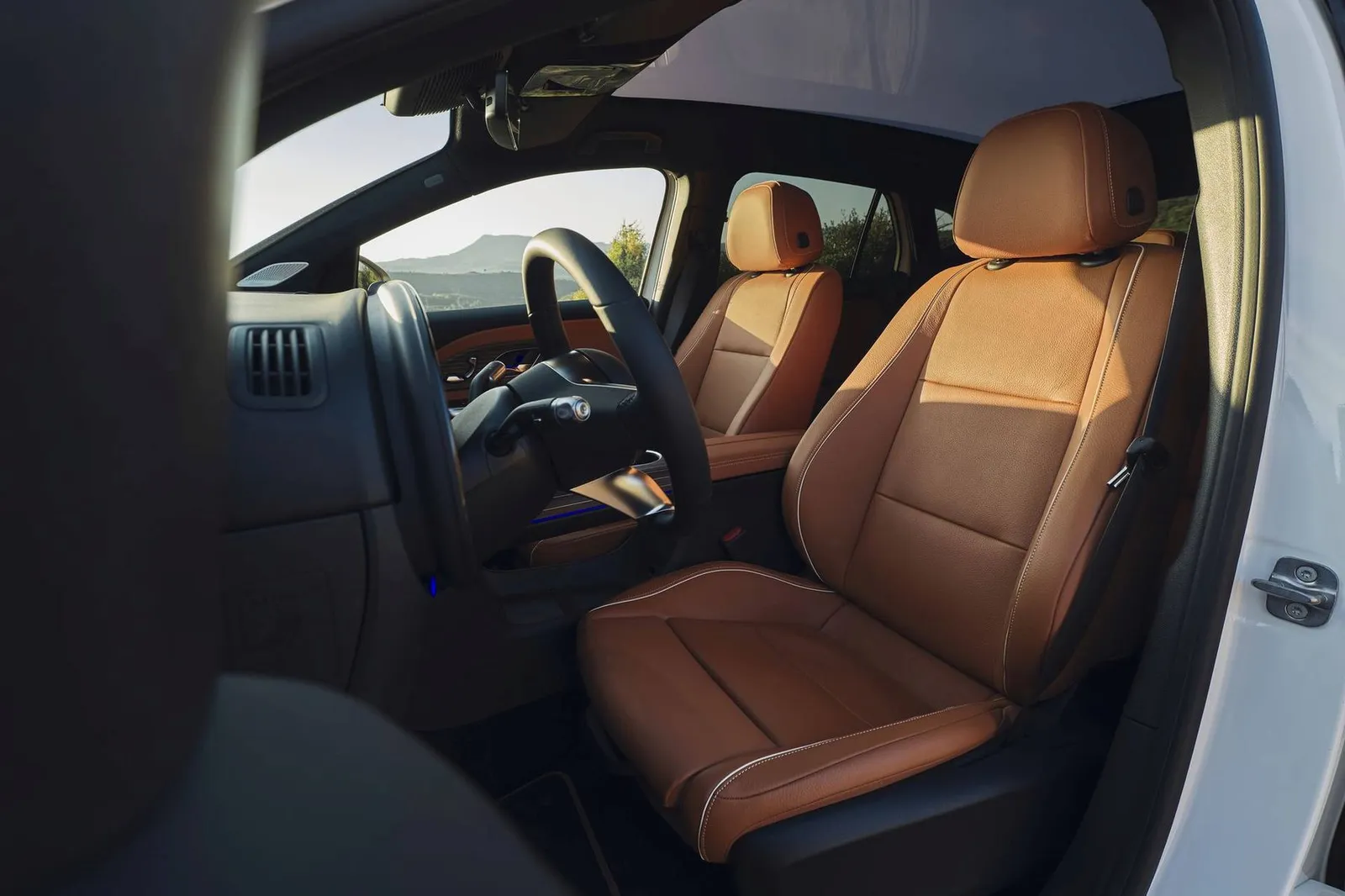
In the front, passengers sit comfortably at a high position on well-shaped seats with adequate side support. The cockpit is essentially identical to that of the CLA and GLB. Optionally, the MBUX Superscreen with three displays can be installed across the dashboard: one 10.25-inch display in front of the driver, and 14-inch displays in the center and in front of the passenger. A head-up display complements this trio of screens. Operating the infotainment system follows Mercedes’ familiar logic. It may not be intuitive at first, but one gets used to it over time. The voice control works particularly well. Apps can now be organized into folders.
The volume knob and the lever for the distance assistant on the steering wheel are practical features. Navigation uses Google Maps to plan charging stops and adjusts them based on traffic conditions. The voice assistant understands more complex questions. However, after the included time period, some digital services may become payable.